For 75 years, North Coast camp has delighted SLO County kids, families next to Pacific Ocean
“Oh, damn,” I mumbled under my breath. “The boys are going to be late to camp … again.”
It was a long-ago, foggy summer morning, and I was dropping my two elementary-school-age sons off at Camp Ocean Pines summer day camp in Cambria before I headed off to work at two San Luis Obispo radio stations.
We were trapped on the steep, narrow, twisting access road to the camp, boxed in by the dense forest on either side and hood-ornament-to-horns with a large bull.
He wasn’t going to move, and I wasn’t going to back down the hill.
Checkmate. It was a true-life lesson in bullheadedness.
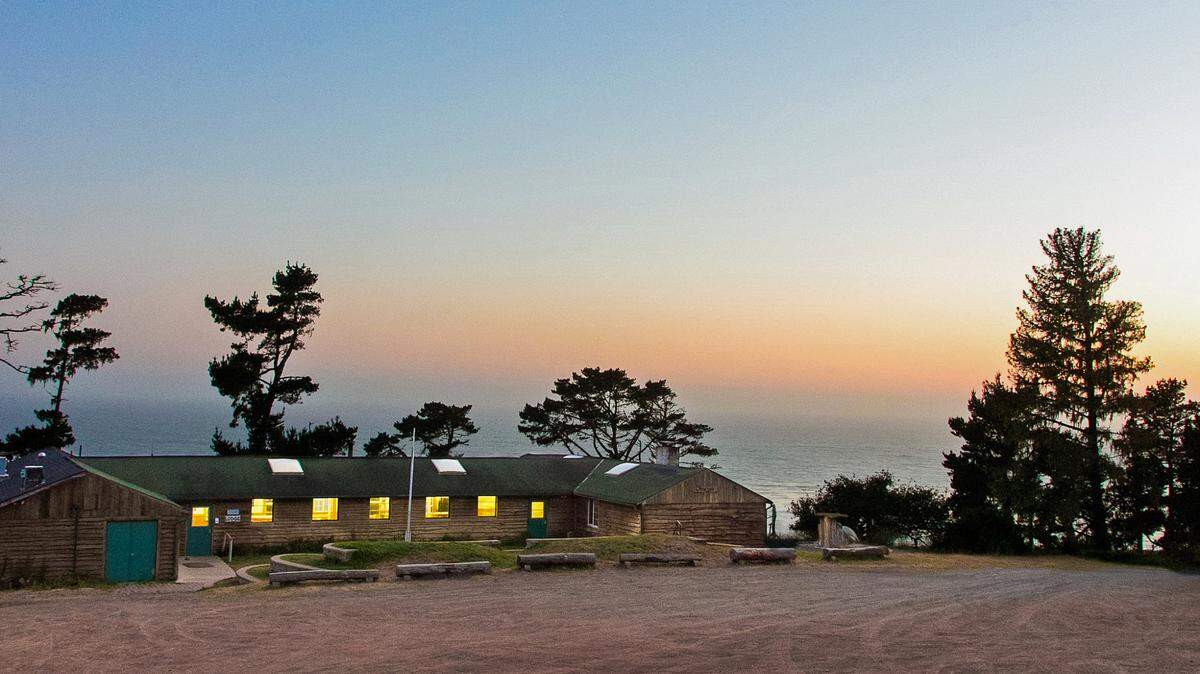
That’s just one of the vivid memories Brian, Sean and I have of their adventures at the rustic, 13-acre Camp Ocean Pines with a jaw-droppingly gorgeous view of the nearby Pacific.
The camp, a treasure in the woods, is celebrating its 75th anniversary this year.
No, it wasn’t that long ago for the Tanner adventures ... but long enough to have borne witness to the remarkable tenacity and dedication that have kept Camp Ocean Pines going, changing, updating and thriving.
The nonprofit community-owned camp’s board of directors and Executive Director Andrew Boyd-Goodrich had planned weekend celebrations all this year to mark the 75th — but then pandemic precautions interfered.
That’s a pity, because lots of Cambrians and county residents still know little about the camp and its extraordinary story, from start to present to future. Some aren’t even aware that Camp Ocean Pines is there, tucked on Randall Drive at the southwestern edge of the town’s Lodge Hill neighborhood.
Other folks, however, have supported it for generations, with money, manual labor, management skills, creativity and boundless enthusiasm.
Rural Cambria camp began as YMCA facility
The camp began in 1946 with a donation of land by ranchers and nationally known business people Harper and Georgiana Sibley, who also owned the surrounding Cambria ranch acreage that is now leased to UC Santa Barbara for the Ralph S. Norris Rancho Marino Preserve.
Back then, the Sibleys wanted — and got — a YMCA camp on the site, which became Camp Ocean Pines.
According to family members, for decades, Y organizations in San Luis Obispo County and Santa Maria (to which the land had been donated) handled finances and more while many local employees and volunteers kept the camp running, offering many services and activities to youngsters and adults from near and far. The camp’s profits were kept locally, to be used by the regional organizations.
The list of participants has been a decades’-long who’s who of influential Cambrians. Just a few of them were Julia Babb, Dianne Randazzo Brooke, Laurel Renz, Greg Wilson, Joan Cobin, Robert Gong, Paul Reichardt, Lisa Stromsoe and Del Clegg.
The current board of directors includes Ron Mileur, Carolyn Meadows, Toni Mertens, Jeanne Haegele, Carrie Buhl, Sandy Mitchell and Victoria Deise Wilson.
Major, dedicated financial donors through the years have included Patrice Wyse, Bobbie Monroe, Phil and Nan Allen, Dee Dee Patrick, Stromsoe, Cambria Community Council and many others. Those donating time, materials and enthusiasm are too numerous to list here.
Cambria contractor Tom Tierney got involved way back in 1971, he recalled in a Dec. 7 phone interview.
According to Tierney, he “built and corrected things and removed tons of stuff for free.”
He stayed active with the camp for decades, occasionally serving as board president and, more recently, building the new amphitheater about a dozen years ago.
A half century after Tierney first got involved, the 85-year-old may not be on the board any more, but he’s still participating, helping, consulting and enthusiastic about the camp’s future.
Cabin renovations, new programs usher in next era of Camp Ocean Pines
Ensuing years produced some changes.
In 1999, after four years of complex negotiations, the Y organization backed away from the then-financially wobbly and somewhat scruffy camp that many still considered a local treasure.
For starters, the camp needed a new septic system, the 10 camper cabins had a host of problems and the main lodge building and grounds needed some loving attention, materials and elbow grease.
That’s when staunchly determined community leaders, including members of the local Rotary Club, stepped up to keep the camp open and recreate it as a sciences-arts-and-humanities facility for children and adults.
First, they established the camp as a community-owned nonprofit. Then, in 2002, they hired Chris Cameron to run the place and bring it up to snuff.
Del Clegg said by phone Dec. 7 that “some really great people had applied for the job,” but with Cameron’s experience in both the environmental and construction fields, “he was a perfect fit.”
Some 17 years later, when Cameron — who earned the nickname of “Pop Nature” — retired from the camp, the board’s choice had long since proven to be a wise one.
During that time, Cameron and other employees, the board, dedicated volunteers and donors have bootstrapped the camp, one nail, board and bolt at a time.
Along the way, they added an overlay of sophistication with a wide-ranging new reputation for the camp’s quality, expanded programs and repurposed/upgraded facilities, always accented by the thick forest, the narrow (and still bumpy) access road and that Instagram-perfect view of the Pacific Ocean.
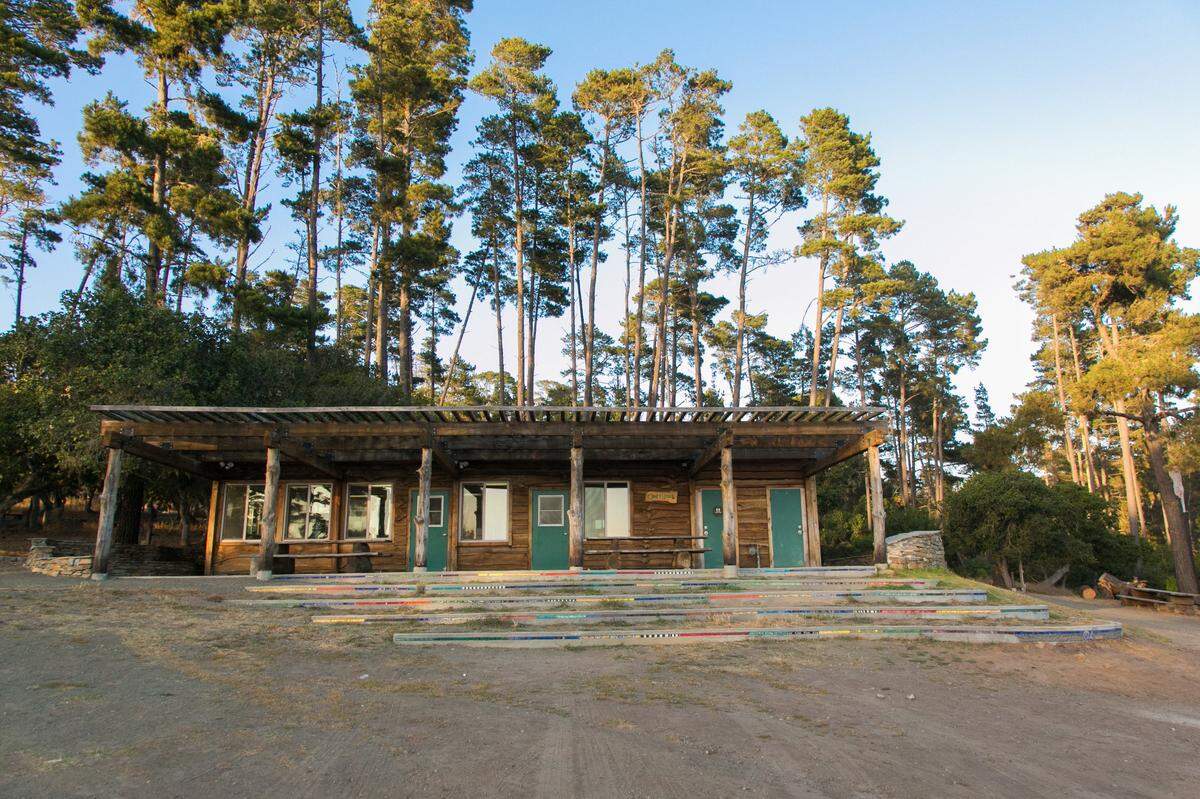
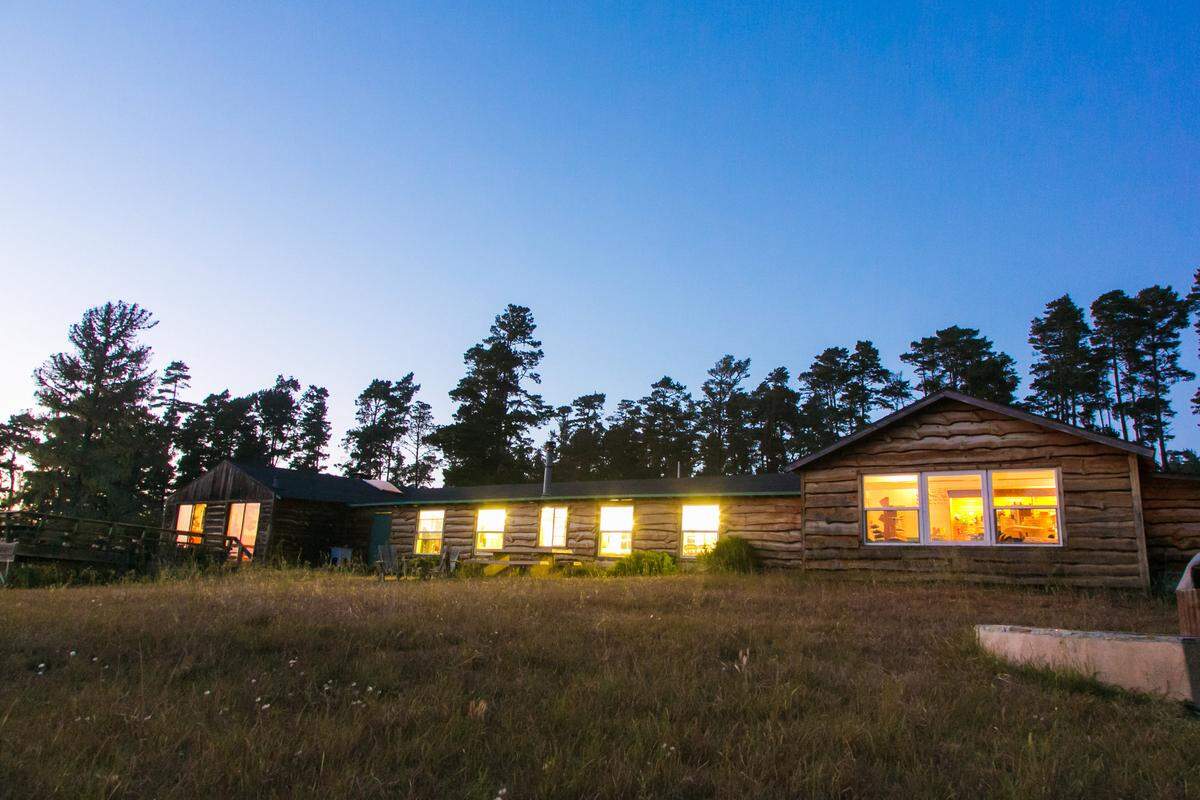
Among the many accomplishments were repairs to and renovations of eight WWII-era cabins brought up from Vandenberg Air Force Base. The redesigned “hobbit style,” passive solar, straw bale cabins, built with wind-felled trees from the property, each have their own bathroom.
They also repurposed some old buildings into a speakers’ cabin and separate nature center (complete with resident wildlife and a marine invertebrate touch tank), converted old buildings into the artsy Pines Lodge and Craft Lodge, replaced the rickety wooden amphitheater with a concrete stage and seating for 225 that overlooks the forest, created a space where campers can gather before they enter the Dining Hall and Ocean Lodge and built a $40,000, grant-funded ADA-compliant trail.
Many new programs were created, with such wildly diverse offerings as workshops and gatherings about sculpture, mosaics, songwriting, photography, symphony, yoga, Shakespeare, journaling, drumming and a wide variety of wildlife — from otters, whales, elephant seals and other marine life to the raptors that Cameron loves so much.
Countless events, celebrations, meetings and gatherings were held at the camp, from weddings and holiday sing-alongs to women’s retreats, Camp Reach for the Stars weekends and high-level environmental sessions featuring such notables as marine scientist Richard Spinrad (now the head of the National Oceanic and Atmospheric Administration) and Peter Douglas, then the executive director of the California Coastal Commission.
And among thousands of campers were some of the children, grandchildren and great grandchildren of the volunteers, board members and North Coast residents who’d long been involved with the camp.
Spanning the generations, Tom Tierney’s great granddaughter was an attendee. His daughter, Cindy Tierney Burke, said her granddaughter Hannah Scheller of Atascadero (now a high school senior) spent some time at the camp as a youngster.
Burke also whimsically recalls her own interactions with Camp Ocean Pines, being one of several mischievous local kids “sneaking in the forest to the camp and scaring the city folks (by) pretending to be bears.”
“Awww, those Tierney kids!” she recalled. “We had a blast growing up in Cambria.”
Other previous guests cherish their own Camp Ocean Pines memories, they said on Facebook.
Lisa Anthony, a former spokesperson for Hearst Castle, recalled her daughter Kayla’s Indian Camp adventures.
“They made a round house and lots of creative projects,” she said.
Sue Girard of Nipomo remembered her three-night stay at the camp during the Cal Poly Week of Welcome in 1967.
“The silly skits and entertainment nights were a great way to relieve the homesick blues and lesson anxiety about college life,” Girard wrote. “I didn’t have a car so it took me a few years to get back to Cambria, but memories of the quiet pines and ocean sounds and scents stay with me.”
Over 75 year history, camp has ‘shown creativity and resilience’
Even in the pandemic, there’s been some activity allowed at the camp, while still observing COVID-19 protocols.
A Harvest Festival on Oct. 31 featured everything from bobbing for apples to axe throwing. A recent dinner and fundraiser celebrated the birthday with longtime supporters and those who want to join the effort.
Other activities include cabin rentals, family camp, outdoor education, retreats and group rentals, summer camp, workshops and more.
Magician Rick Bruce (whose children attended the camp) participated in a weekend event for children last summer, “playing Dungeons and Dragons in the pines and working axe throwing and archery activities into the game.”
“This old wizard’s heart soared to watch the little ones looking for faeries in the woods,” he said. “We visited baby bunnies, snakes and birds of prey in the science center. It was lovely and heart-warming to watch half a dozen teen and adult kids melt while cuddling the little fuzzballs.”
He also did magic shows in the camp’s “wonderful outdoor amphitheater,” he said.
“Nothing beats wizarding with a pine forest and the Pacific Ocean at my back,” Bruce said. “It’s my new favorite place to perform.”
Looking back, Cameron said during its 75 years, the camp has seen many changes under a variety of directors, but throughout it all, it has “shown creativity and resilience, growing and adjusting to continue serving the community.”
He said with financial support from local residents, camp organizers were able to build “new facilities on new underground utilities, and grew science camp and summer camp programs to capacity.”
Rounding that all out was the addition of music, art and nature programs for adults,” Cameron added.
“Cambrians benefit from the camp caretaking 13 prime acres of coastal land, opening it up to public use while protecting the resources,” he said. “Without a negative impact on the local community, thousands of people get to enjoy the area we all love.”
And what else do my own, now middle-aged, sons remember most about their days at camp?
Separately, they each recalled “spending hours on the trampoline, and learning how to flip on it.” Apparently, the boys had so much fun on the device, the camp counselors almost had to pry them off of it.
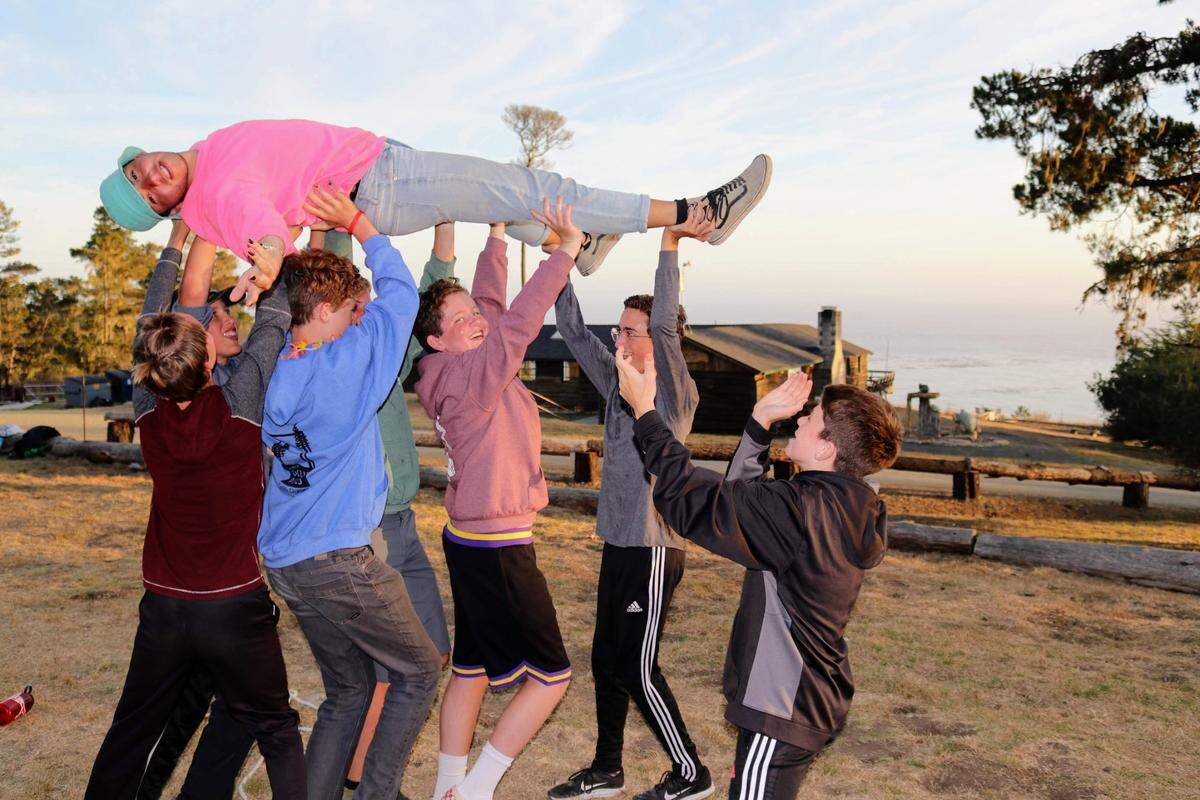
Of course, there were hikes, games, visits to tide pools and lessons learned there and camaraderie with other campers, both local day students and over-nighters from elsewhere.
I remember the sense of peace I got when I drove off to work, knowing my kids were safe and having a great time at a wonderful camp close to home … at least when I wasn’t in a standoff with a 1-ton bull.
Note: To help keep Camp Ocean Pines going strong into the future, learn more about it and donate to the nonprofit at https://campoceanpines.org/
This story was originally published December 12, 2021 at 5:00 AM.