How bad is allergy season in SLO County? ‘Tree pollens are very high’
During the coronavirus pandemic, it’s been more embarrassing than usual to be a year-round allergy sufferer.
Want to watch wide-eyed people recoil from you in two seconds flat? Just sneeze. Twice. Within a minute or two.
It doesn’t even help when I tell them, “It’s just allergies, folks! Really it is. And I’m fully vaccinated!
I can clearly see the responses in their facial expressions, whether they’re wearing masks or not: “Yeah, sure, lady. I’m outta here.”
I don’t blame them, but it’s mortifying to feel like the COVID-19 version of Typhoid Mary when what’s making me sneeze are my lifelong reactions to specific pollens and other allergens.
I’m in good company, though.
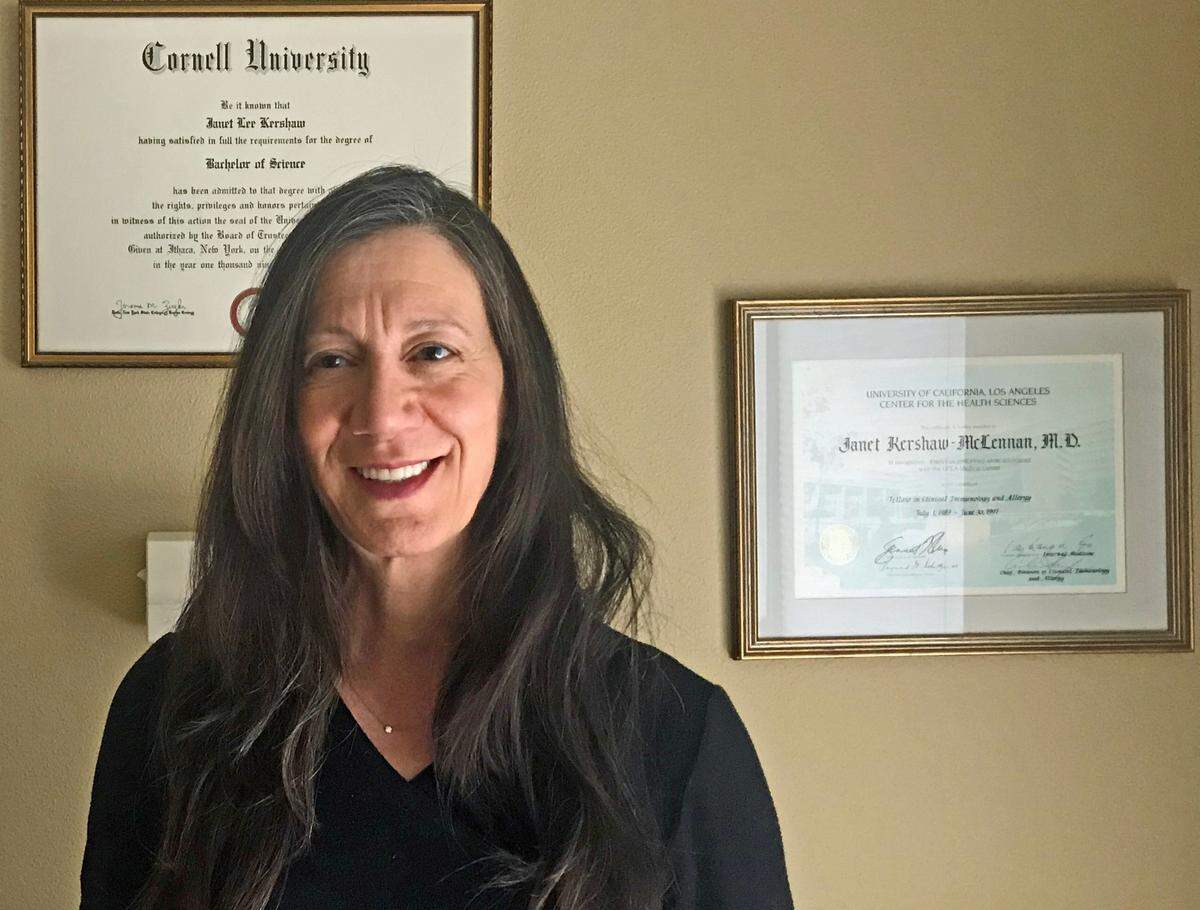
According to Atascadero allergist Dr. Janet Kershaw-McLennan, San Luis Obispo County is in the prime time for seasonal allergies.
Recurring spring winds carry pollens far and wide, further aggravating allergy sufferers’ itchy eyes, runny noses and exhaustion and all those sneezes.
This isn’t a historically bad allergy season yet, Kershaw-McLennan said, although growing drought conditions may make it worse.
With so many hills and meadows coated by bright yellow, flowering mustard weeds these days, it’s no wonder we’re sneezing a lot.
Even though accurate local pollen counts aren’t available, this year’s pollen load appears to be “pretty high,” Kershaw-McLennan said, and “tree pollens are very high.”
“I’m seeing plenty of allergy patients now,” the doctor said.
In mid-April, she noted, she was “also seeing lots of colds, too.” Why? During stay-at-home distance learning, fewer children got sick, she said, “probably because of masks and isolation.”
Now that most youngsters are back in school, she added, “that’s changing.”
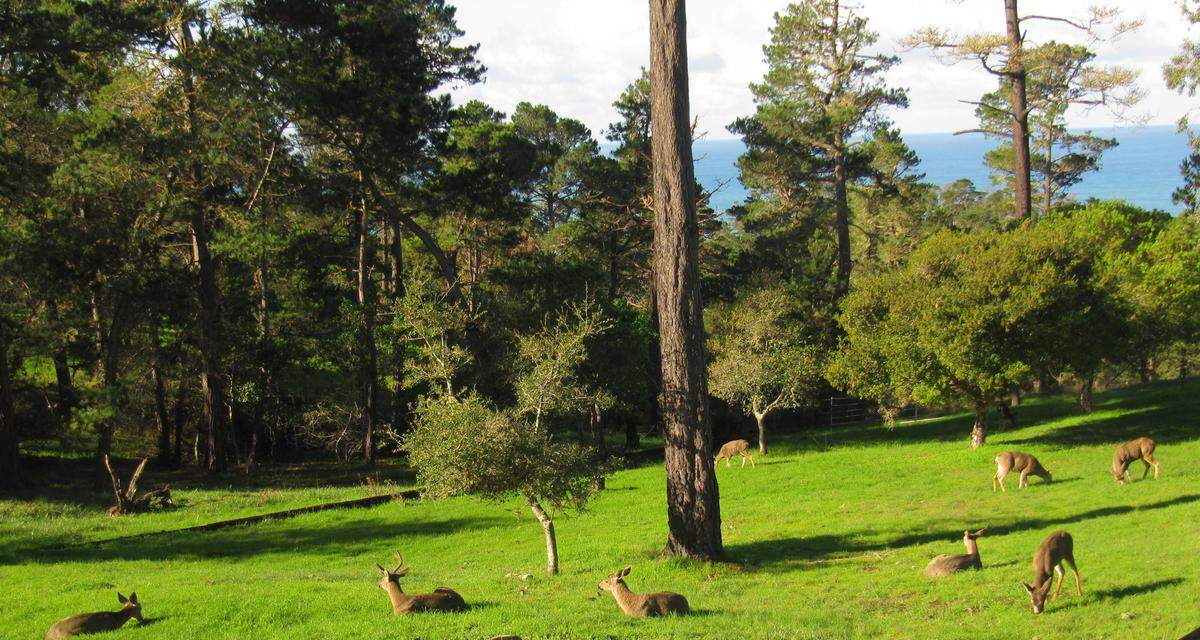
What’s making you sneeze in SLO County?
The universal advice to allergy sufferers is to avoid whatever is making you sneeze. That’s easier said than done.
Checking online pollen counts sounds good. But those area-specific online tallies may be more educated guesses than accurate local counts, according to the American Academy of Allergy, Asthma & Immunology.
The nearest official pollen-counting sites are in San Diego, the Bay Area and Roseville.
According to PollenLibrary.com, there are nearly 170 different pollens at play in San Luis Obispo County.
Kershaw-McLennan said that some of the major, local springtime allergy offenders are oak, grass and sycamore pollens, along with pollens from willows and other native trees in the creek beds.
Some higher pollen levels are site specific, the allergist said, such as acacia pollen in San Luis Obispo.
She said North Coast allergy sufferers are often triggered by oak, sycamore and grass pollens.
Cambria’s ubiquitous yellow cloud of Monterey pine pollen may have been blunted somewhat this year by the major wind and rain storm in late January, just as some pines were beginning to shed.
However, some people may not be allergic to pine pollen, according to various websites, because the pollen spores are covered by a heavy waxy coating that helps prevent reactions.
Plus, after that January storm, some of our homes and workplaces could have mildew and mold lurking in places we can’t see.
According to Kershaw-McLennan, most flowers aren’t the prime offenders.
“The more decorative and attractive a flower is, the less allergy producing it is,” she said.
That might be because bees and other insects carry a lot of that pollen away, according to the Allergy Foundation of America’s website.
“Oak catkins are the monsters that cause a lot of problems,” Kershaw-McLennan said.
Sadly, according to a study presented by allergist Leonard Bielory to the American College of Allergy, Asthma and Immunology in 2012, pollen counts are expected to more than double by 2040 due to climate changes.
Achoo!
Allergy testing and treatment
Allergy attacks can be exhausting. Your body is fighting off an invader or six, which might not leave much energy for daily life.
Allergy symptoms and intensity, Kershaw-McLennan said, can vary patient to patient.
To help combat their allergy attacks, sufferers can undergo tests that determine which allergens they should avoid.
Individual allergens are injected under the skin in grids. If an injection swells up, the patient is allergic to that element.
In the pincushion-like tests, individual allergens are injected under the skin in grids. If an injection swells up, the patient is allergic to that element.
Once they’ve determined the cause of the allergies, sufferers can try over-the-counter medications or take specialized treatments from allergists like Kershaw-McLennan. Those treatments do work, she said.
“Don’t suffer in silence,” the allergist advised. “You can get care.”
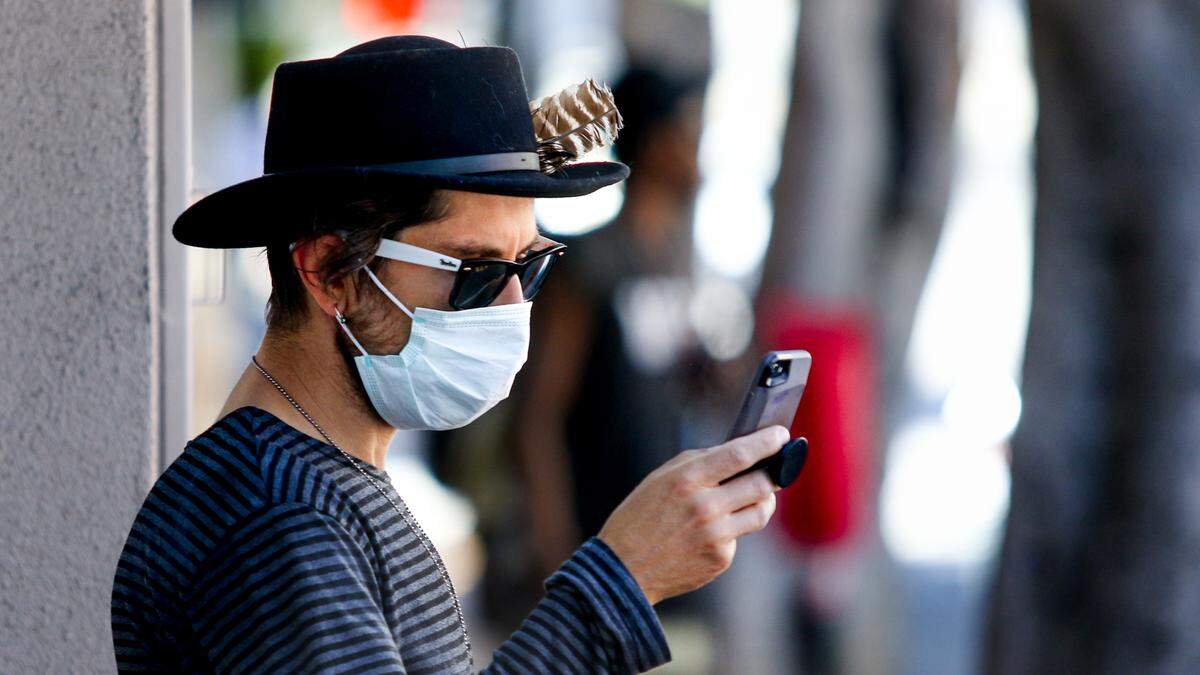
Face masks can help with allergies
I’m planning to wear a face mask for the foreseeable future in public, even though I’m fully vaccinated against the novel coronavirus. This is why.
My late husband Richard was an asthmatic chronic obstructive pulmonary disease patient prone to pneumonia who also had heart disease.
He and I regularly wore surgical or N95 masks for years, during flu season, when wildfire smoke was a problem and of course, during allergy season.
We also washed our hands frequently, and wiped down our hair and faces as soon as we got home.
We avoided crowds, kept the house closed up on windy days, ran HEPA filters throughout the house, stayed out of the garden and didn’t take walks during peak periods — often early mornings. We also washed bed linens often, and got our flu vaccinations every year.
But it wasn’t until we started wearing masks that Richard had far fewer sinus infections and serious bouts of pneumonia.
So please, even coronavirus restrictions are lifted, don’t mock or bully those of us who continue to wear masks.
And if we sneeze, odds are it’s because our allergies are acting up.