Could county ban parking at Bixby Bridge, Big Sur’s most iconic landmark?
AI-generated summary reviewed by our newsroom.
- Three supervisors voted yes and two abstained on pursuing a yearlong Bixby parking ban.
- Staff estimated at least two months to get a Caltrans easement and draft an ordinance.
- Officials say surge in visitors and haphazard parking have worsened traffic and safety.
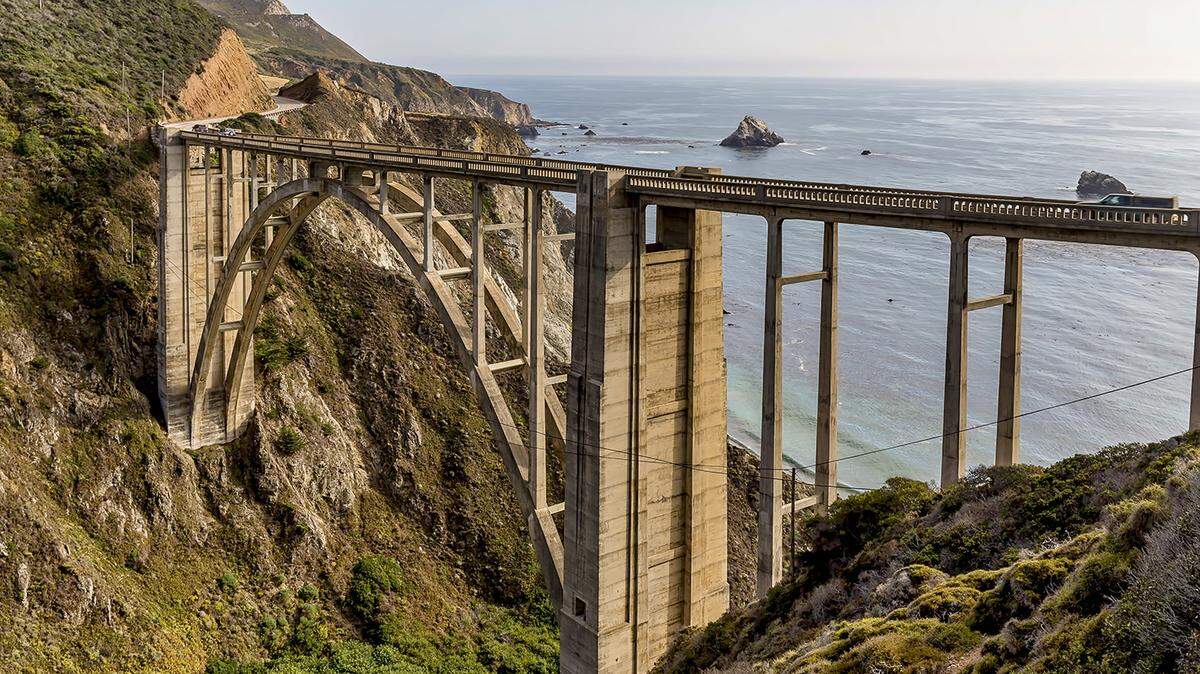
Tourists looking to capture a photo of Big Sur’s most iconic landmark could be in for a disappointment under a proposal being considered by Monterey County supervisors.
That’s because a year of no parking at the famed Bixby Bridge could be in the works, following a vote Tuesday by the Monterey County Board of Supervisors.
The move comes amid increasing safety concerns around the Highway 1 landmark, which has seen an influencer-era boom in interest.
This week, supervisors voted to direct staff to explore a yearlong, temporary ban on parking on or near the bridge.
Before any ban could go into effect, however, some additional concerns need to be resolved.
As always, enforcement remains a top question, with public safety and emergency access right up there with it.
What is causing the problems at Bixby Bridge?
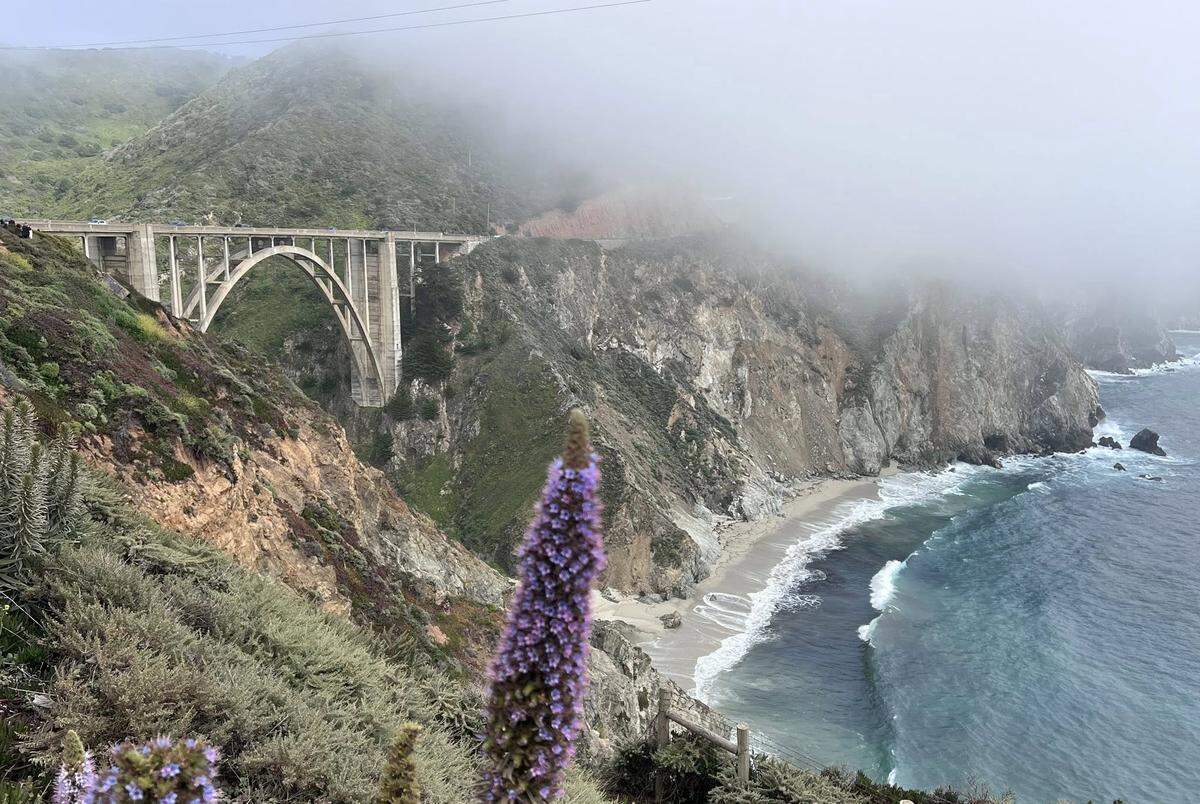
The bridge, located about 60 miles from the San Luis Obispo-Monterey county line, has become a photogenic magnet for selfies and other picture takers, even people parking or making U-turns on the serpentine, two-lane state highway and crossing it en masse.
The desire to take that often once-in-a-lifetime shot has created a burgeoning traffic nightmare for those trying to get through the area, including emergency personnel.
Some situations are both infuriating and dangerous.
“I once had the (driver of a) car in front of me stop just before the bridge, heading south, get out of his car, lock it, then walk off to take a photo. Left his locked car in the middle of the road,” Kate Novoa, also known as “Big Sur Kate” and the voice of the area, said Wednesday. “It happens more often than one can imagine … selfie people are killing Big Sur.”
The recent full reopening of Highway 1 following three years of landslide repairs has only exacerbated what some define as a crisis and an inevitable serious accident or worse.
“Visitation has surged significantly since the roadway reopened on Jan. 15. Northbound traffic at Ragged Point has grown more than 900% year-over-year — clear evidence of restored access and pent-up demand for travel to this iconic coastal corridor,” Visit California said in a recent news release from Caltrans.
The more people on the road, the more risks faced by everyone.
“I’m really concerned about the safety issue,” Monterey County Supervisor Glenn Church said. “If people get hurt there, (or) when the first young kid gets killed crossing the road.”
What parking is available at Bixby Bridge
Currently, travelers interested in stopping for a closer look at the bridge have few safe options.
Drivers now park every which way along the narrow highway, sometimes even within the traffic lanes themselves, which can cause stop-and-go traffic for a mile or so in each direction, according to people who commented at the hearing or in communications to some of the supervisors.
There used to be 12 unofficial parking spaces available near the bridge, but those have been blocked off by barriers in hopes of nudging traffic along more expeditiously and safely.
Parking is also forbidden on about 1,260 feet of both sides of the nearby unpaved, single-lane (Old) Coast Road east from Highway 1’s center line. That no-parking rule has been in place since September 2024.
After lengthy discussions with the California Coastal Commission in March, and then with county staffers and others since, Supervisor Kate Daniels, a lifelong Big Sur resident, brought the issue before the board for a vote, in hopes of putting a stop to unsafe behavior while the county worked on longer-term solution.
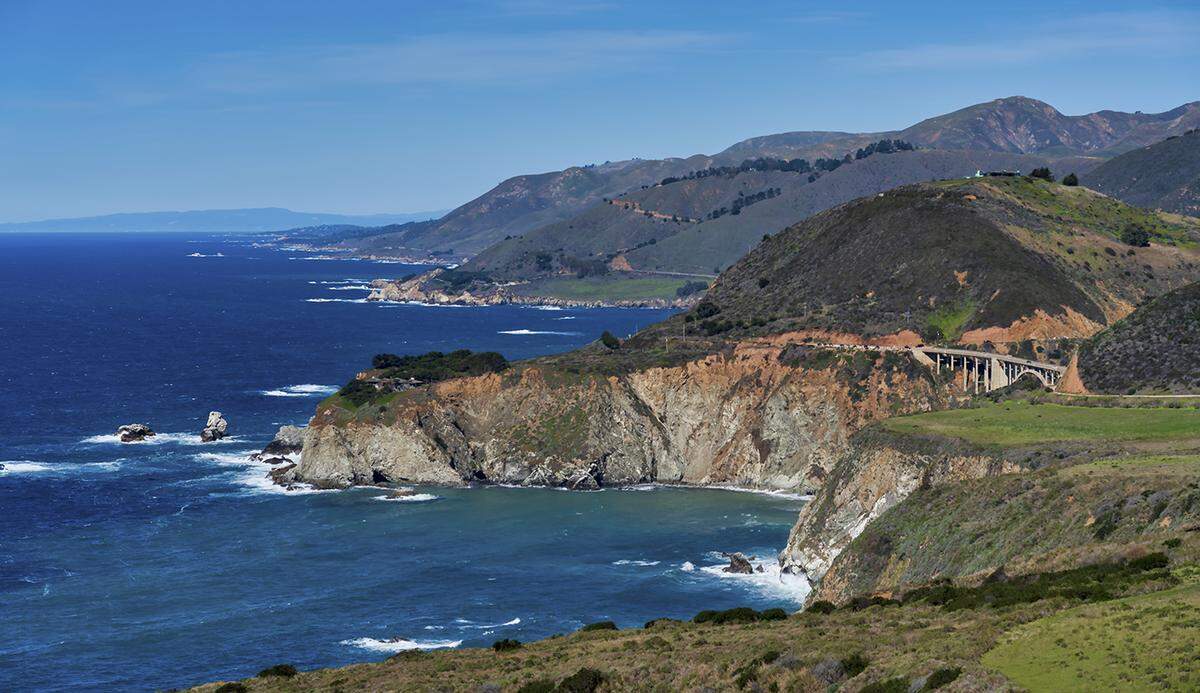
Noting that there are no alternative routes to get to the bridge site, she said, a county emergency parking ban for “12 months gives us the time to come up with a safer means to travel this stretch of highway.”
Staffers and other advisers estimate it will take at least two or more months before they can get an easement agreement from Caltrans, draft an ordinance and bring the issue back for a vote on whether to approve the parking limitations and ultimately have signs installed.
Any kind of ban may not be easy, however.
County counsel and others advised the supervisors that such access and parking restrictions are often challenged by the Coastal Commission, especially when private landowners are involved.
The commission and the county’s Coastal Development Plan and local program must balance public access with safety concerns and resource protection.
It was that potential conflict that led Supervisors Luis Alejo and Chris Lopez to abstain from voting.
Alejo said that putting up “no parking” signs requires a coastal development permit, which can be appealed to the Coastal Commission. Such a legislative conflict can take years to resolve. He called it a “very delicate matter.”
Then there was the enforcement question.
“Enforcement issues come back to who,” Lopez said, given limited staffing available from CHP and the county Sheriff’s Office.
Lopez, who’s also the Central Coast’s representative on the Coastal Commission, said the state and local agencies share “common grounds,” and he believes other enforcement solutions are available.
Among those might be revisiting the formerly allowed parking locations and hiring a private contractor with flashing lights who could issue citations.
For instance, “if we open up some parking, that could be enough to keep traffic flowing through the area. ... I don’t think pinching it off further will solve it,” he said.
The Board of Supervisors will revisit the issue at a future meeting, possible as soon as a month from now.
This story was originally published May 21, 2026 at 10:27 AM.