SLO County library survived an earthquake, flooding and COVID. It’s celebrating 100 years
This summer, Cambria Public Library is celebrating 100 years of stories.
“We are very pleased to be marking the Cambria Library’s centennial,” Chase McMunn, San Luis Obispo County assistant director of libraries, wrote in an email. “For 100 years, the staff there have provided reading materials, a community gathering space,and access to vital information to residents of Cambria and the surrounding areas.”
“As the needs of the community have changed,” library branch manager Destiny Johnson and her staff, “like those before, have continued to meet whatever new challenges arise,” McMunn wrote.
“Over the past several years, the library has reached out to new groups within the community, and pushed to expand access to the Internet by circulating Chromebooks and Wifi hotspots to those that need them,” McMunn continued. “The Cambria Library often punches above its weight in offering services because of the dedicated staff and volunteers, and the supportive community that uses the library.”
How Cambria Public Library got its start
On Aug. 1, 1921, North Coast residents got something they’d been working toward for years: The ability to check out a book using the new Cambria library service.
The little lending library didn’t have its own building, or even a dedicated room. Instead, it occupied a small sliver of the Bridge Street home of Justice of the Peace Albert Gay.
That’s according to an in-depth, 10-page report written by Joseph Carotenuti, a volunteer historian for the San Luis Obispo County library system and the San Luis Obispo Historical Society. He’s compiled background reports on more than 20 libraries in the county, some of which are no longer around.
Carotenuti wrote that Gay’s wife, Annie Belle Gay, earned $7 a month as “custodian” of the Cambria library service, but the couple were not paid any rent, nor were they provided with any furniture or shelves.
Despite the modest size and scope of the town’s first library facility, which was open 23 hours a week, 26 eager readers had borrowed 71 books in the first month of operation. With fines of two cents a day, Annie Gay had collected 12 cents during that month from readers who were late returning their books.
By October 1922, there were 119 cardholders selecting from a stock of 256 volumes. Although official census records for the period were sketchy for the remote, rural community, the population clearly numbered in a few hundred at that time.
The library service was not without controversy. Carotenuti documented a battle over whether military personnel stationed at the then-Cambria Air Force radar facility should have access to the collection.
At issue was who would be responsible for lost or wayward books. Apparently, formal decision was never made, but library service members continued to enjoy having patron privileges.
North County library grows, switches locations
Over the past century, the Cambria library and its staffers have dispensed books, information, advice, friendship and continuity from various locations around the town.
Starting in 1931, the library was located an area in a Main Street store building, which no longer exists, with rent of $25 a month.
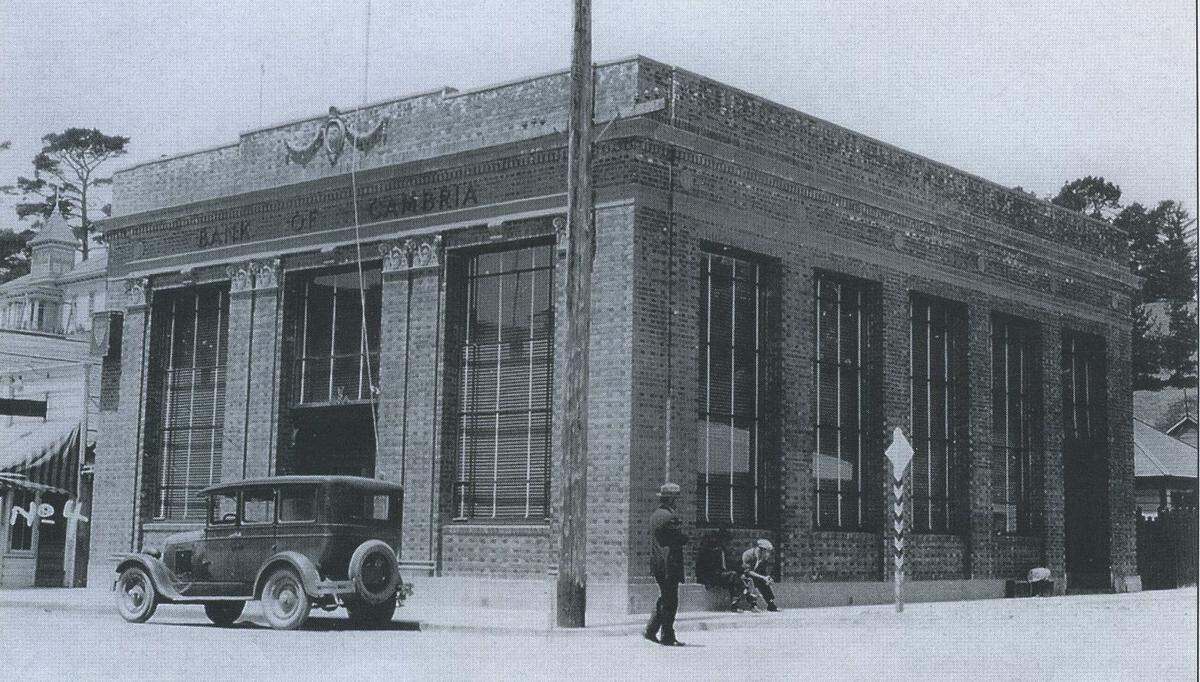
Seven years later, the library moved to a large room in the back of the Bank of America building. Circulation was up to 16,000 volumes a year.
The Cambria library moved to a 660-square-foot room at 4036 Burton Drive in the summer of 1964. Rent was $75 a month.
Thanks to a great extent to devoted readers and the Friends’ enthusiasm, Carotenuti wrote, circulation in the 1963-64 fiscal year topped 18,500 and there were nearly 3,000 books on the shelves.
Within two years, there were 676 patrons on the books, which at that time, meant having their names on cards in the librarian’s card file.
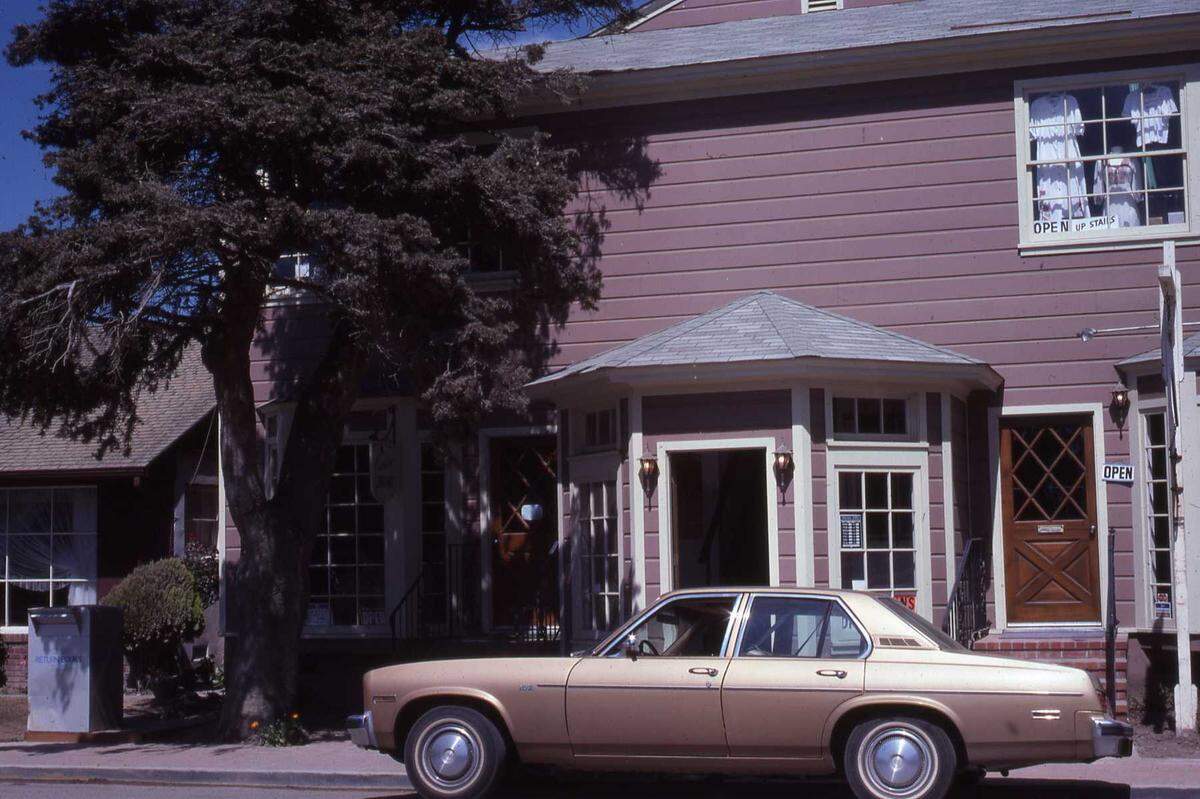
It took years to realize the community’s dream of having a complete library facility. Carotenuti wrote that by the library service’s 50th anniversary, there were 949 registered patrons and 3,844 books in stock.
By April 18, 1981, the town’s sparkling new, 2,331-square-foot, $103,000 library opened at 900 Main St., with an annual circulation of more than 48,000 volumes. The accomplishment, according to Carotenuti’s research, was “the result of years of bureaucracy and appeals to the (San Luis Obispo County) Board of Supervisors, fundraising and near-heroic dedication by residents to provide a new home for the growing collection and patrons.”
He wrote that, within 10 years, the library had a 12,000-book collection as well as displays of local memorabilia. Within that decade, annual circulation had climbed to nearly 90,000 volumes and 5,300 patrons.
“In five years, the seaside community’s reading appetite had increased by an increased by 35%,” Carotenuti wrote.
The Cambria library’s history includes some interruptions in the service on which so many community members relied.
A 1995 flood inundated the town’s West Village downtown area. Only 50 books were lost.
The library also survived the coronavirus pandemic, an earthquake, structural repairs, moves to new buildings and a severe lack of county funding that closed several branches in 1978. That “did not sit well with the community,” Carotenuti wrote.
Under the direction of Cambria’s ever-determined bunch of library volunteers, the branch reopened fairly soon afterward.
Visits from a traveling bookmobile van also helped to fill the gap.
Friends of the Cambria Library raise money for new building
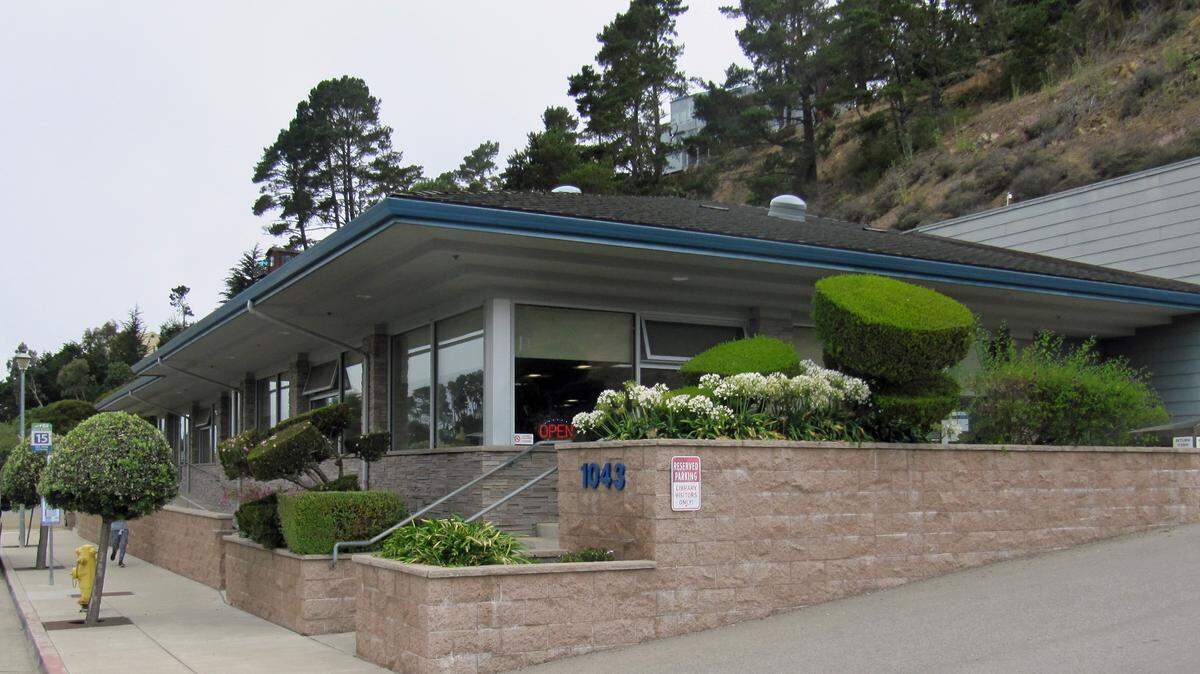
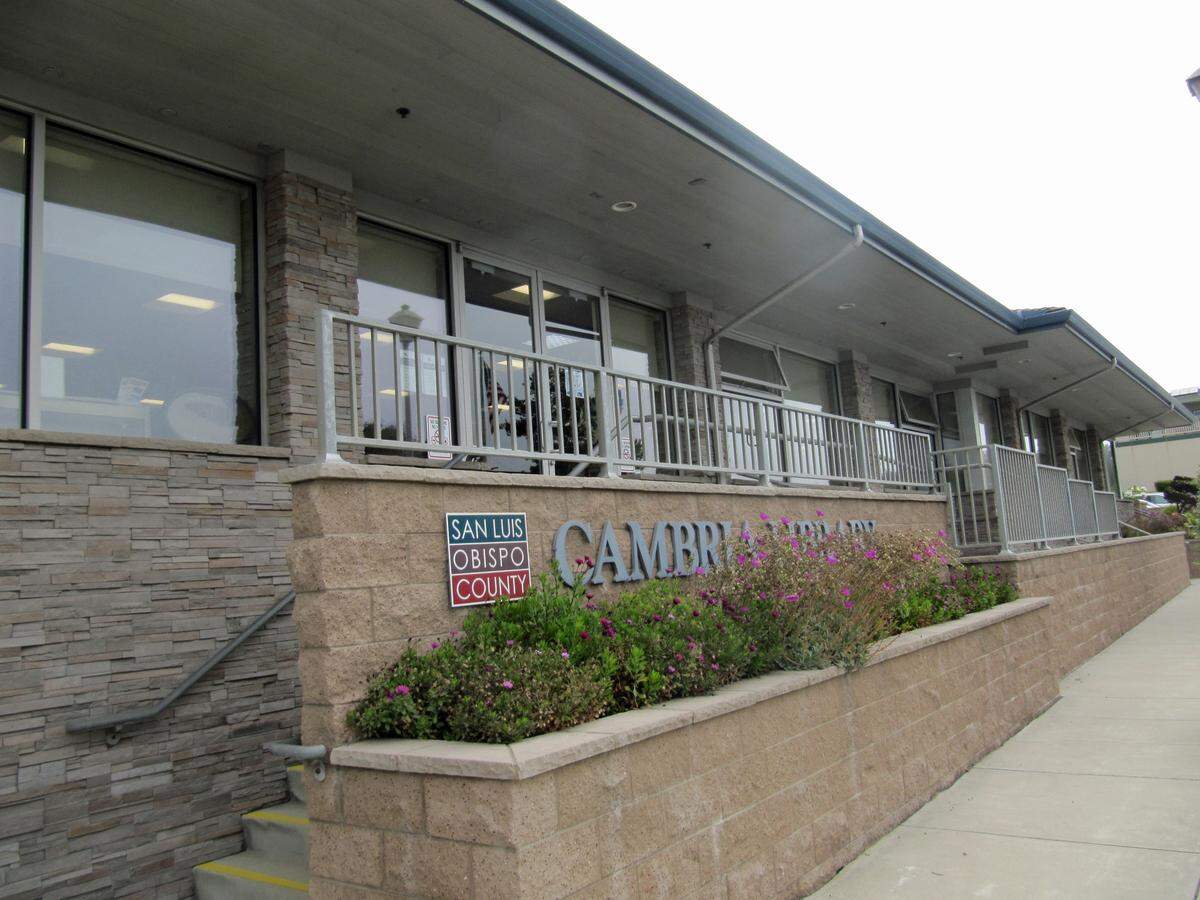
Since 2013, the Cambria Public Library has been in a $4 million-plus, 5,800-square-foot building.
At that airy, spacious site at 1043 Main St., there are 2,896 cardholders accessing 16,214 volumes plus whatever’s available for sharing via the Black Gold reservation system.
Half of the cost to buy and adapt that already-built structure was paid for by grants, matching grants and many community donors to the Friends of the Cambria Library. One donation by an anonymous couple was for $100,000.
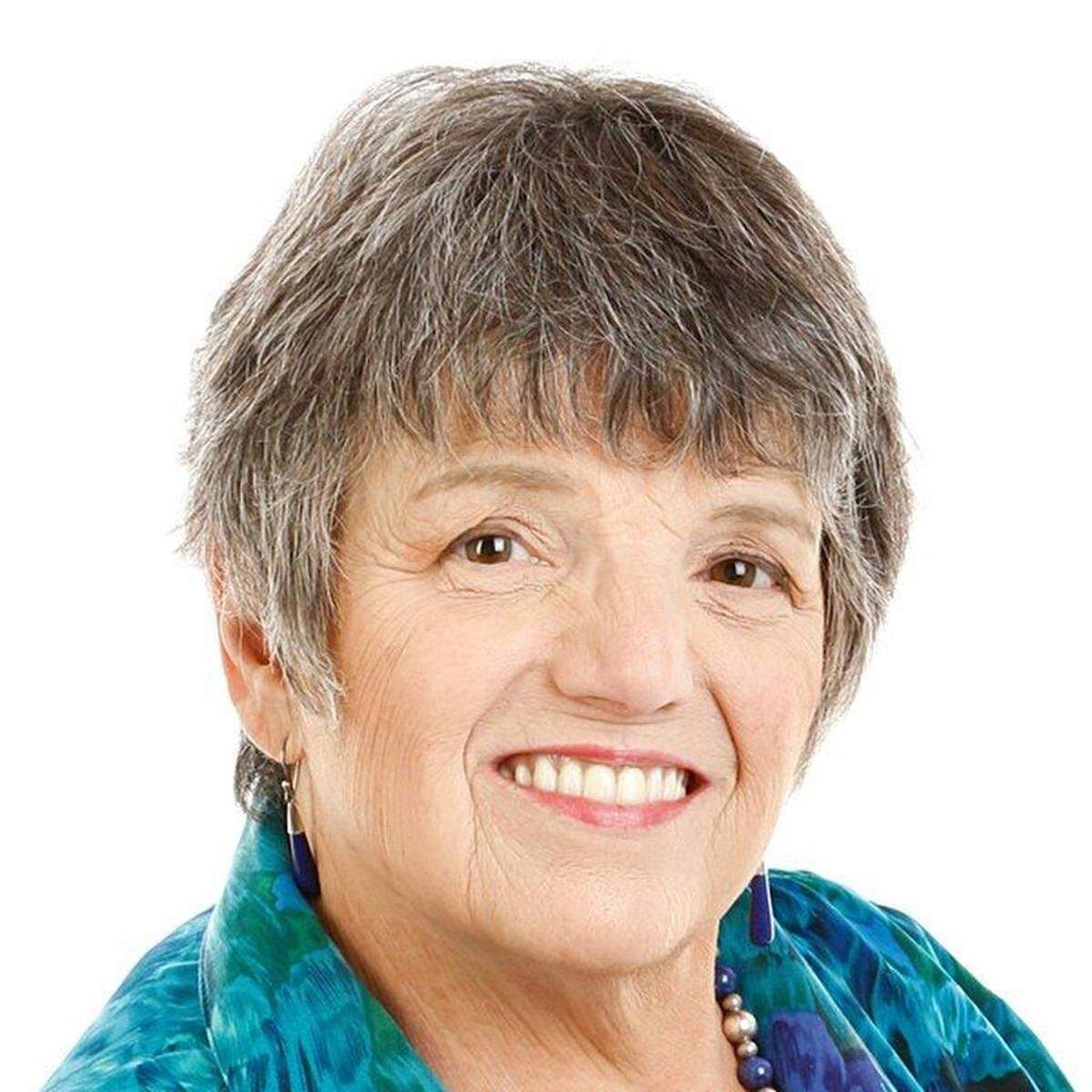
The steam engine for that fundraising drive was Geri Farrell, the determined and indefatigable Friends president. Her efforts helped glean her the honor of being Cambria’s 2012 Citizen of the Year, a title she shared with her supportive husband, Terry Farrell.
The Friends group, which launched officially in 1957 and was reinvigorated in 1961, has long been the financial and cheerleading backbone of the facility, the service, the staff and book lovers in the community.
Carotenuti wrote that “personnel in the main office complimented the community for showing ‘more consistent, continuing interest in the library than (in) any other town.’ ”
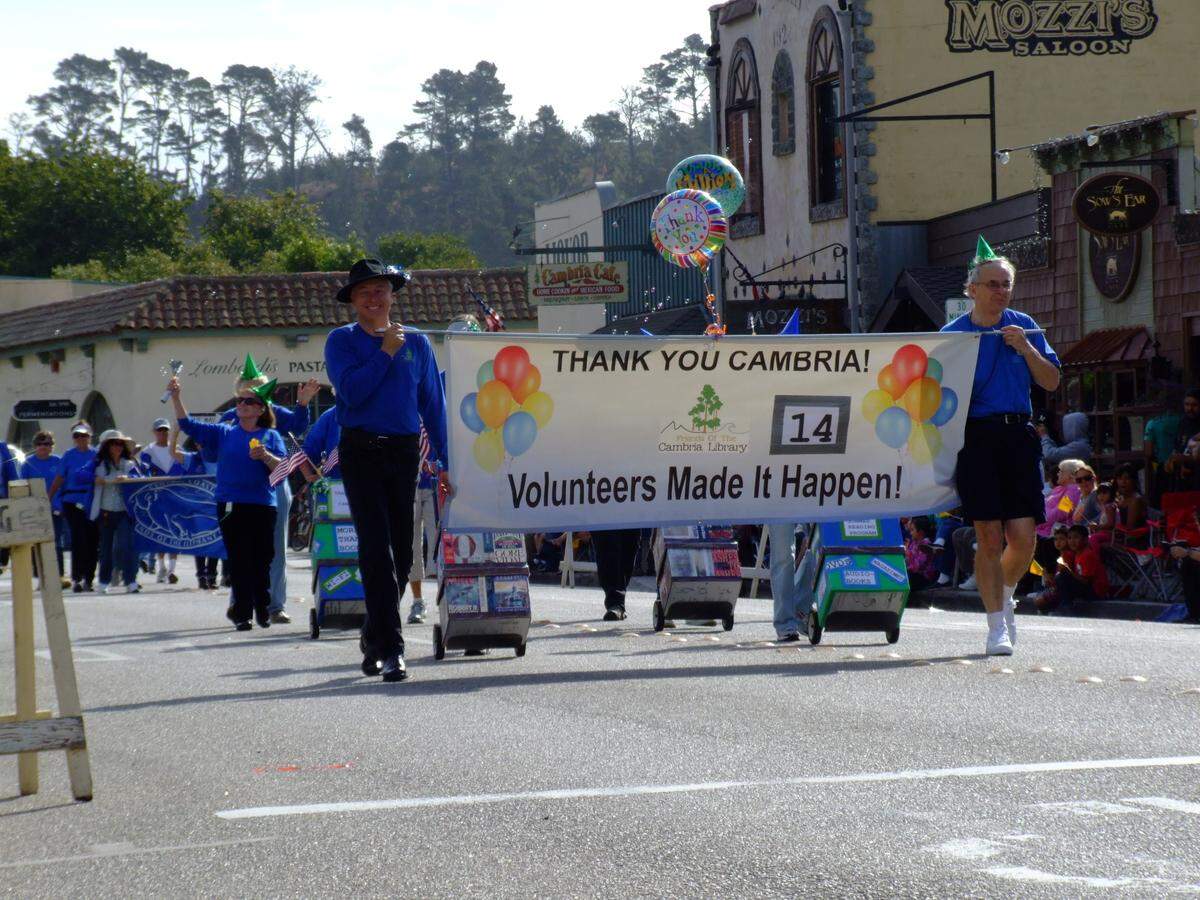
Friends volunteers will create periodic displays to honor the Cambria library’s centennial year and are already planning their Pinedorado parade float for Labor Day weekend.
Under the guidance of current Friends president Terry Shue, the dedicated members are once again manning the in-the-library bookstore that sells previously loved books, magazines, audio and videos, and all funds go toward purchasing more new books — many of them best sellers — in which avid readers can immerse themselves.
San Luis Obispo County libraries director Chris Barnickel, along with his predecessors Brian Reynolds and Dale Perkins, have frequently heaped praise on the Cambria Public Library, its librarians, staff, patrons and, especially, the volunteers of its Friends group.
The Cambria library has grown to meet the needs of a rising population.
By 1970, there were 1,716 residents tallied by the U.S. Census. By 1980 that count had nearly doubled to 3,061.
The 2010 census listed Cambria’s population as 6,032. With an ongoing moratorium on issuing new water permits that property owners need to build new homes, officials expect that the 2020-21 count won’t have changed substantially.
As people shifted to working remotely during the COVID-19 pandemic, some people who owned second homes or vacation rentals have moved into town permanently or put those homes up for sale to people who are now full-time residents.
Library staff adapt to shifting duties
The heart of any library lies in its patrons and the library staff, especially the librarians.
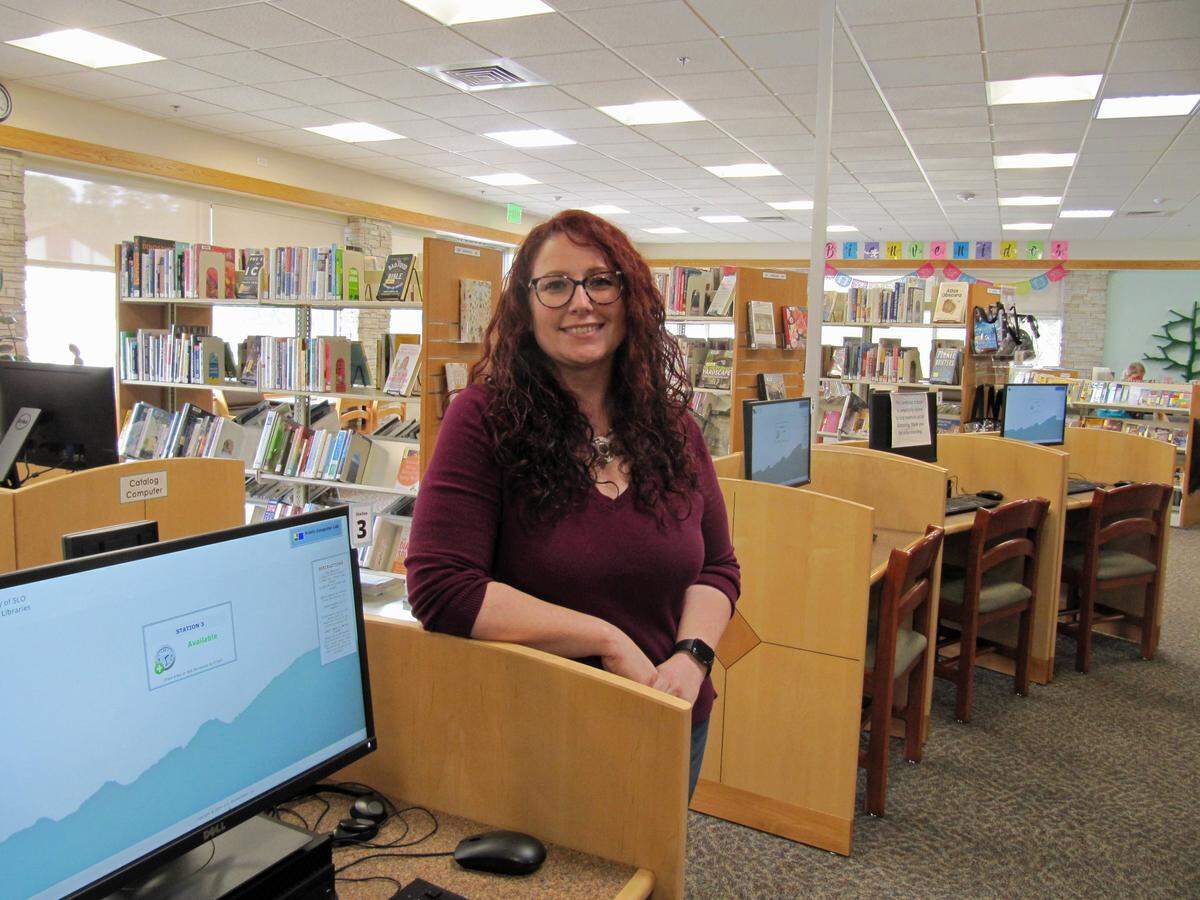
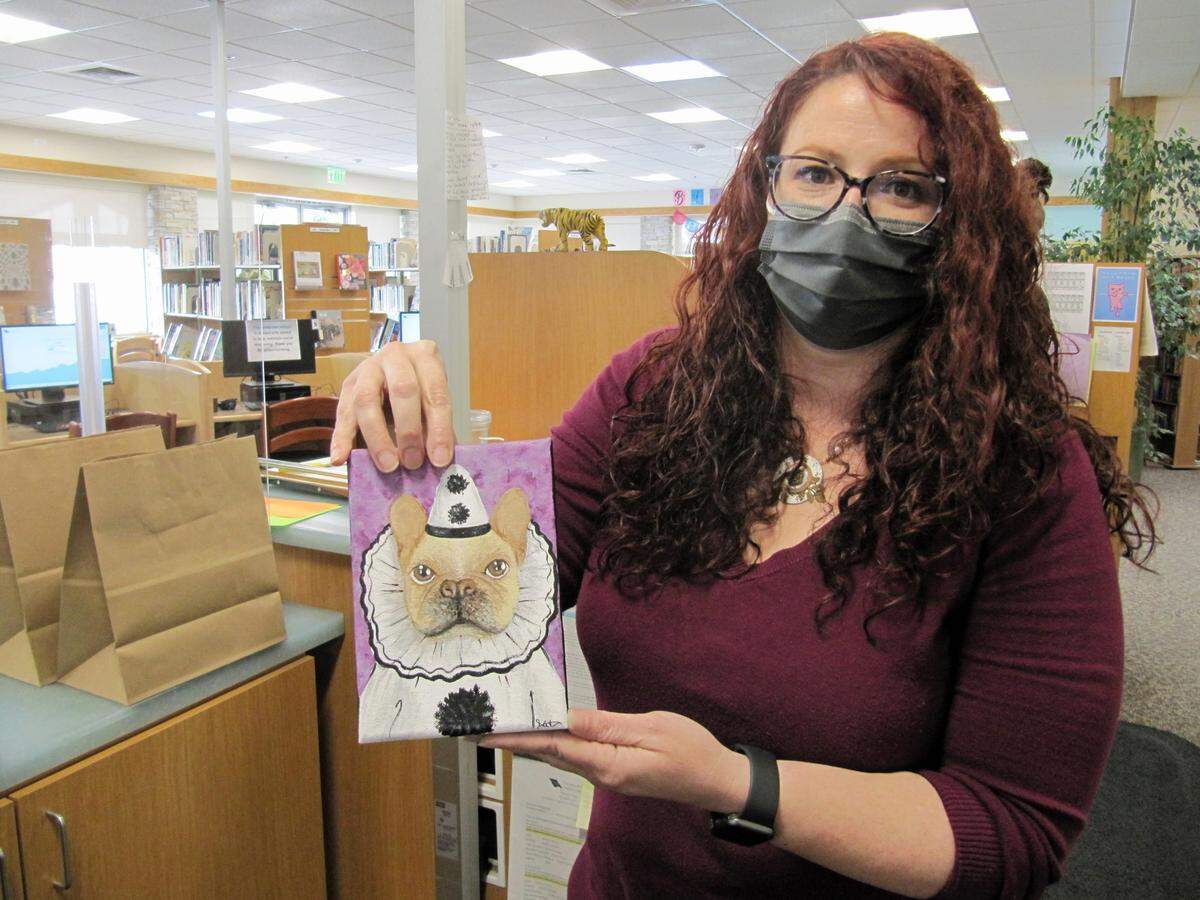
Library manager Destiny Johnson started working at Cambria’s library 15 years ago. She took over the top post from Joen Kommer, who retired in 2017.
“Being here was such a gift,” she said, “and it still is.”
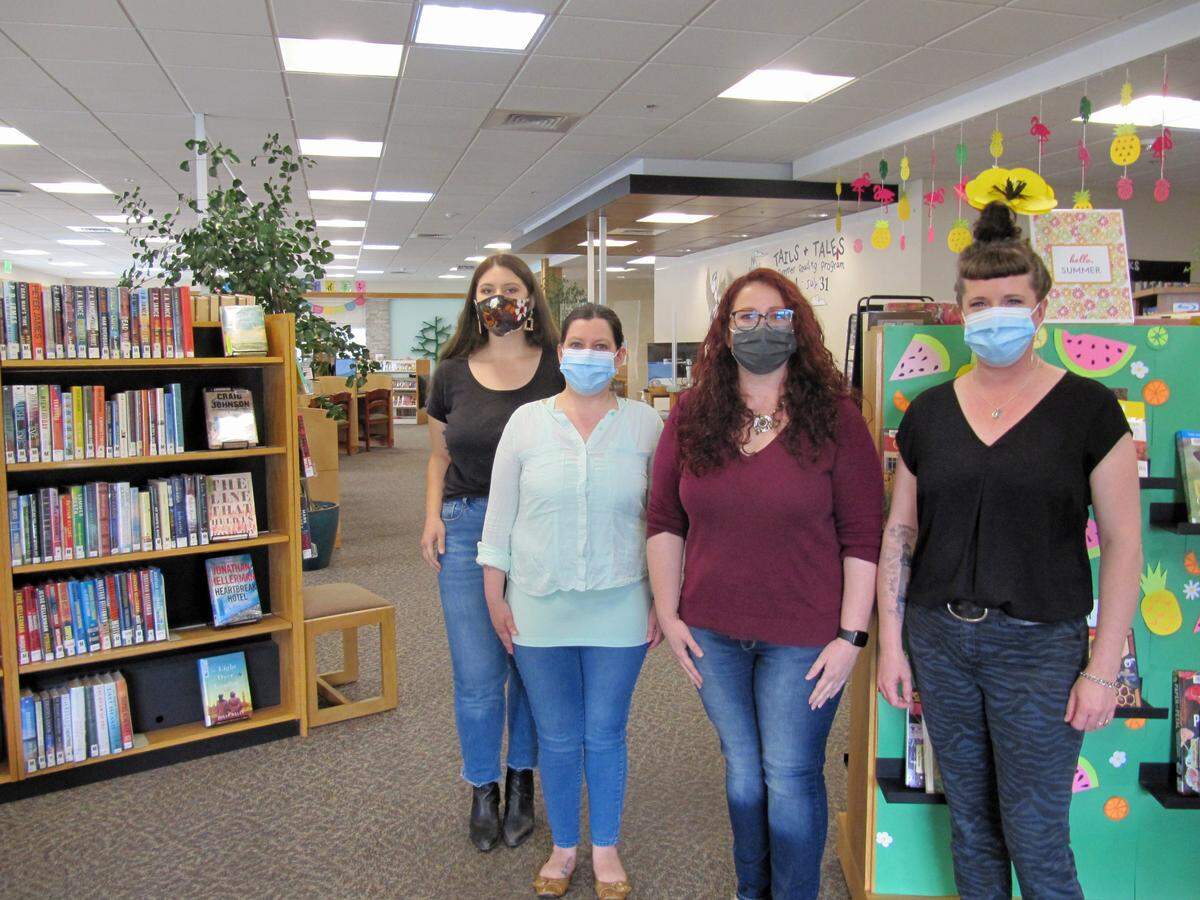
While the North Coast branch was closed during the coronavirus-related shutdown, Johnson and her library assistants — Tina Baugh, Ashley Harrington and Kathryn Parra — immediately pivoted to assist the county staff.
During two closures, they helped the San Luis Obispo County Health Department with various duties, such as staffing the vaccination clinic, coordinating shifts at the three vaccination sites for the medical reserve corps volunteers, keeping records and handling food and prescription distribution. Parra was assigned for a time to the El Camino Homeless Organization shelter in Atascadero.
“We’re so happy to be back here and doing this … connecting with people, sharing stories with them, finding solutions to their problems,” Johnson said. “It’s so satisfying, and it’s fun.”
Circulation’s not yet back up to where it was prior to the start of the local COVID-19 pandemic, she said, which is understandable, since the free e-book downloads are tracked systemwide, not by by individual branch.
It’s climbing slowly but steadily, Johnson said, as patrons shift back into checking out print books.
Mysteries and best sellers continue to be the most popular books to checkout, Johnson said.
“We offer the information people want and need,” in whatever format is best for them, she said.
Now it’s on to the next century, with inevitable changes as Cambria’s library continues to evolve, providing a steady, stalwart community center along with access to the Internet, downloadable books and more, and all those hard- and soft-cover volumes, videos, CDs, “grab-and-go” craft take-home project kits and so much more, including random information.
Library stuff must come up with answers to questions as imprecise as “Do you remember the name of the mystery with the man librarian and the Maine coon cat?” (The answer is the “Cat in the Stacks series,” by Miranda James.)
Carotenuti concluded his report with a statement from a 1971 edition of The Cambrian: “The future undoubtedly will bring many improvements in service to keep pace with the rapidly expanding library world.”
“Trying to keep pace is part of the fabric of any library, and now includes utilizing available technology to include those who ‘use’ the library via the Internet but not the building,” Carotenuti added. “With accessibility possible from virtually anywhere, what will define the role and services in the not-too-distant future?”
Cambria’s library “building, staff and patrons … are ready to answer the question,” he said.
Who leads the library?
Here’s a list of all of the women who have held the post of Cambria librarian over the decades, as well as the date their service periods began.
1921: Annie Gay
1931: Carrie B. Willis
1940: Bernice Gillespie
1956: Maruine Brocklebank
1959: Erica T. Ness
1966: Elizabeth Pollard
1976: Alice Hoffman
1977: Lynn Weich
1979: Kristen Barnhart
1991: Kathleen Neve
2001: Joen Kommer