Is your SLO County home ready for wildfire season? Here’s how to find out
With a potentially scary wildfire season looming, what specific things you need to do now to protect your home and property as much as possible?
I recently asked myself that question, and now I know that the Tanners need to do.
We have to create 5-foot, nonflammable fencing sections to replace where our current wood fences connect to the house. The wood ones can act as wicks for flames.
Mike Rice, our landscape contractor, must do his annual mow of our meadow grass as soon as the green stuff dries enough. Thank you, fog!
We also need to clear out leaf litter and wooden items against the north side of the house, thin a bushy rosemary hedge and trim down a huge, lovely impatiens bush that’s too close to our wood deck. Plus, we should research treating the deck and the wood furniture on it with something that reduces the tinder potential.
In addition, we must remove some aging and dying eucalyptus trees, which can burn like Roman candles, fast, hot and shedding fire-spreading embers far and wide.
SLO County sources for fire preparedness
How do I know all that?
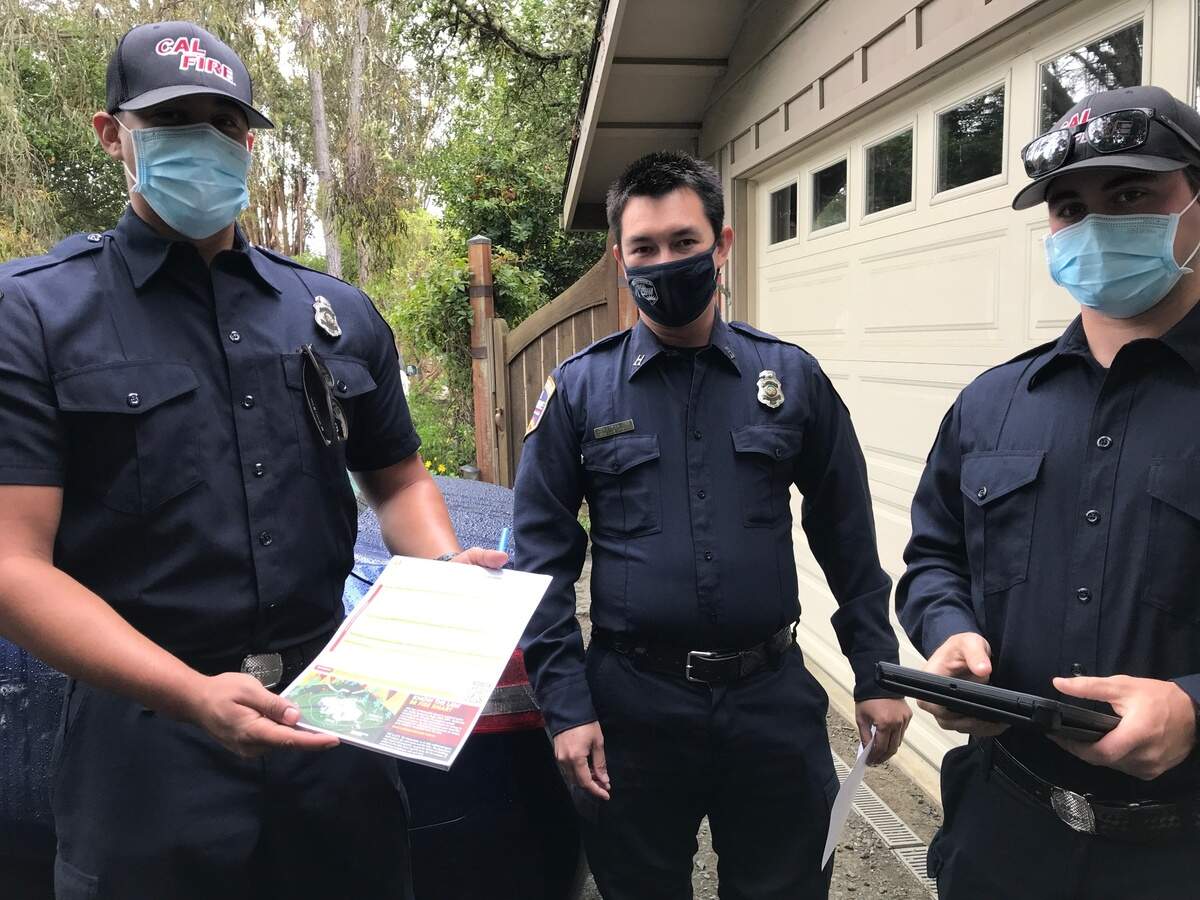
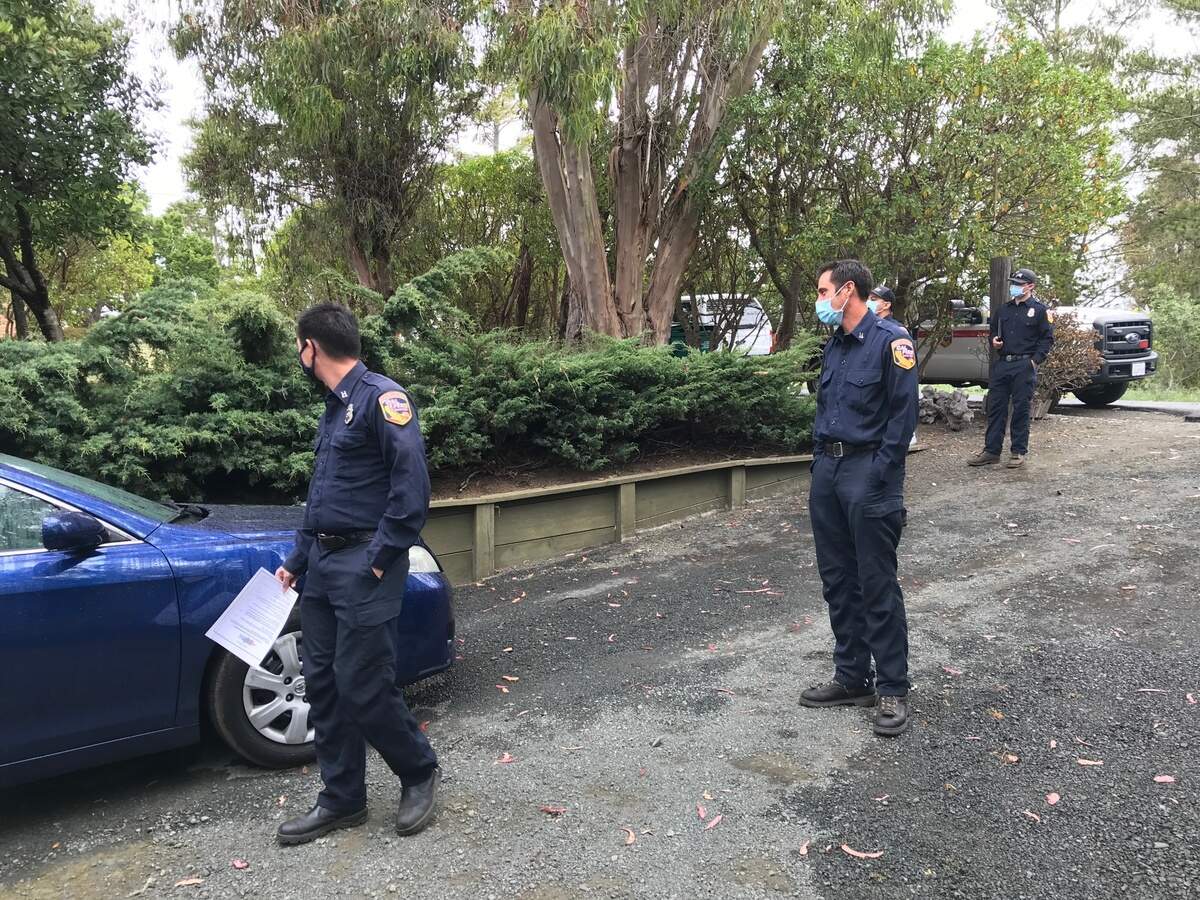
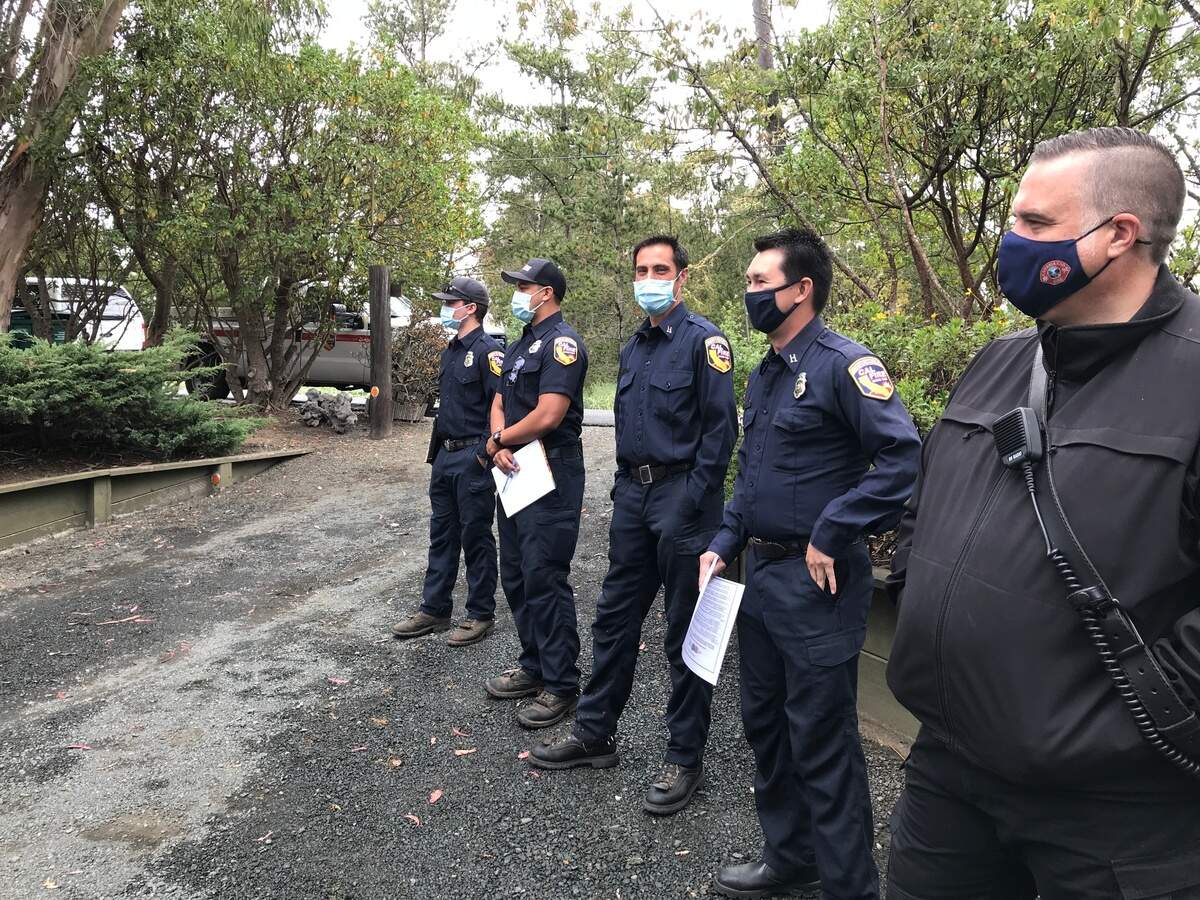
I asked for an onsite analysis of the Tanners’ situation from Rice, certified arborist Blair McCormick and tree service folks. I also consulted with Dan Turner of the San Luis Obispo County Community Fire Safe Council, Cambria Fire Chief William Hollingsworth and Cal Fire’s John Gee, Capt. Monte Phelps and the defensible space inspection team of firefighters Josiah Martinez and Chris Laethem.
Then, for more recommendations, I went online to Cal Fire’s ReadyforWildfire.org site. I logged onto fscslo.org for information from the Fire Safe Council, then went to the National Fire Protection Association’s website at www.nfpa.org.
For localized advice, I went to the Cambria Community Services District’s North Coast Emergency Preparedness site and checked out the Cambria CSD Fire Department’s site. I also got a sample checklist at Firewise Homeowner Assessment form to fill out.
Was that process daunting? Yes. Time-consuming? Of course.
Useful and necessary? Definitely.
Are you prepared for a wildfire?
I already knew about wildfires. Not only have I written about this county’s wildland blazes for three decades, including the “Fire … a nightmare scenario … is Cambria Ready” newspaper supplement I wrote 17 years ago, I’ve researched the topic endlessly for work and our own safety.
I’m also the survivor of a fire that destroyed our home.
So I know what the bottom line is from a disastrous fire: indescribable loss, pain, thousands of difficult decisions and tons of time and money spent on relocating and rebuilding.
I want to do anything I can to help other families prevent that from happening to their homes and businesses, ever.
Here’s a fire readiness exercise.
Think of a worst-case home scenario, according to firefighters.
Imagine a home built deep in the forest, on a narrow, dead-end street — maybe in the “fire chimney” area of a canyon. There’s no clearly visible address number.
The house has a wood shake roof, wood siding and wood deck, plus firewood stacked nearby. Trees and shrubs are close to the house, maybe even leaning on the roof. There are also plenty of dead and dying trees nearby, and gutters full of leaves.
No, that’s not our home, thank heavens! But ours has enough issues.
Fire risk versus expenses
After figuring out what needed to be done, I came nose-to-nose with the conundrum that faces every owner of a home, business or property in a wildfire-prone landscape.
Being as protected as possible from fires comes down to the conflict between what needs to be done, what the law requires, what your neighbors have done on their properties, what you can afford to do and what level of risk you’re comfortable with.
Guess what, Cal Fire? This year I can afford to take out one big eucalyptus tree, not all of them.
Am I comfortable with that decision, that level of risk? No. But for now, that’s my only option, so I’ll live with it.
Sure, some wildfire preparedness is in the hands of others — such as firefighters, landscapers, legislators and insurance agents.
But the bottom line is they can’t do it all.
Some of that responsibility falls on you and me, pal.
With rainfall levels across San Luis Obispo County far below normal for the 2020-2021 rain season, leading to dire predictions about drought and wildfire conditions, we had better start doing the things we’re going to do soon!
That was why I asked for advice and help. For all of us. So we can what we must do to be safer during this frightening wildfire season and beyond.
SLO County fire preparedness resources
San Luis Obispo County has some powerful volunteer wildfire safety advocates on our Fire Safe Council. Cambria has its own offshoot of that, the Cambria Fire Safe Focus Group.
Both groups have been incredibly helpful in getting some major work done to make the community safer, from public education to creating fire breaks in especially vulnerable areas of town.
In terms of wildfire readiness in my small, heavily wooded coastal town, many things have changed for the better in recent years, thanks in part to those experts and some dedicated residents and property owners.
Firefighters inspect all developed and undeveloped Cambria properties annually and tell owners what must be done to meet state, county and local wildfire protection requirements.
Through the Focus Group, Cambria has been a federally designated Firewise Community for five years. (Learn more about that and how it might save you money on insurance at www.nfpa.org).
Ricardo Lara, California’s insurance commissioner, said during a May 13 wildfire preparedness workshop that work done and information shared by fire safe councils and other groups is “crucial to our communities” being able to lessen the impact of a wildfire.
Lara said he’s working to make sure some of the millions of dollars in recently allocated state funds will go to those groups to help in their essential work.
If you don’t know about those organizations, spend a little time learning about them. Then volunteer to help however you can.
How safe is your home and property?
The fire experts who visited our Cambria home said that our property are basically in good shape, fire-wise.
There’s lots of space between our trees near the house, and all their “fire ladder” lower limbs have been removed. Our roof is clear of stuff that can burn; our vents are screened to keep embers out.
But they added there are plenty of things we need to do — within 30 days, according to Cal Fire’s LE100 defensible space inspection form they left with us.
There’s so much more to learn. And so much more to share with y’all.
During this summer and fall, The Tribune and The Cambrian will report about all the aspects of wildfire readiness and prevention, from assessing your home’s danger zones to how and when to evacuate.
Then all we can hope for is that you’ll take the information to heart and act on it, to help keep you and your neighbors safer.