Large homeless camp near Highway 1 in Cambria is gone. What comes next?
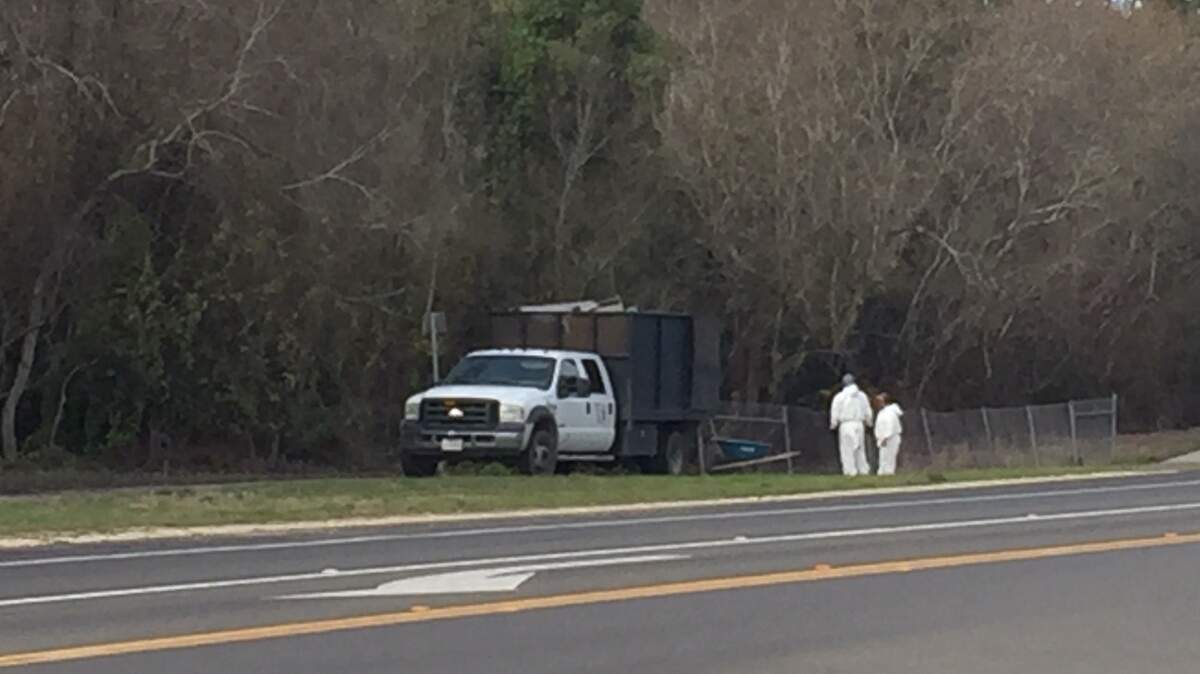
Officials have removed a large, illegal camp west of Highway 1 in Cambria and cleaned up the site, according to people involved with planning and executing the complex procedure that had been in the works for more than two months.
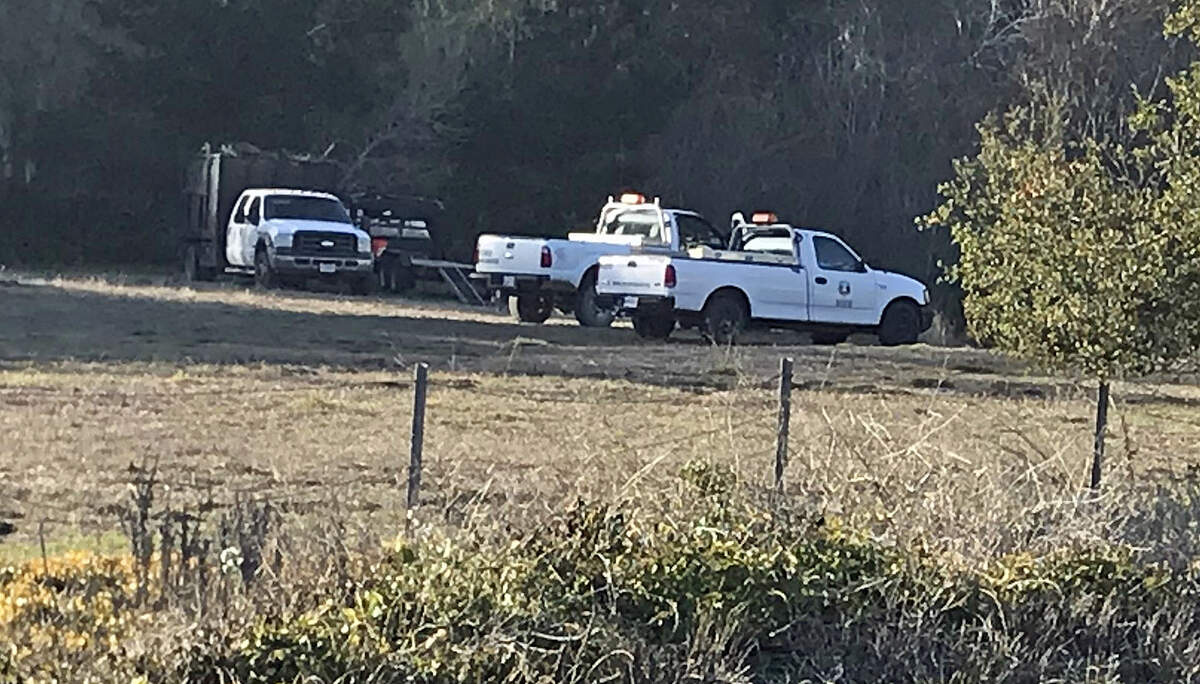
Stuart MacDonald, commander of the San Luis Obispo County Sheriff’s Office North Coast substation in Los Osos, and John Weigold, general manager of the Cambria Community Services District, said the people who assembled the illegal campsite for the homeless on Fiscalini Ranch Preserve property just south of Cambria Drive were notified two weeks ago that they had to leave the site by Jan. 6, the day the final tear-down began.
The district owns and manages the preserve on behalf of the community’s residents.
Cambria CSD facilities and resources supervisor Carlos Mendoza is in charge of that effort as the ranch manager who works with and oversees some of the tasks of the nonprofit Friends of the Fiscalini Ranch Preserve.
Weigold said via email that “the encampment removal has been a combined effort by the CSD, the Sheriff’s Office and its Community Action Team.”
To facilitate the effort, he said, the district provided a 30-yard dumpster, so the homeless people living at the camp could help the district dismantle it.
“To date,” Weigold said, “we’ve filled the dumpster three times over.”
The assistance from people living at the camp “helped keep our costs down significantly, as manpower to dismantle the camp and load the dumpster is the most costly component of this effort,” he added.
History of homeless encampments at Fiscalini Ranch
In his November and December reports to the CSD board, Mendoza said that, after logging a few encampments on district property from 2015 to 2018, mostly in the forested, creekside or hidden sections of the ranch, he and his staff began to map and photo the sites.
By 2019, they had been “able to identify 60-plus encampments along the creek and in the Monterey pine forest.”
“Some were large, with one in particular about 100 feet long,” Mendoza said. “Most had been abandoned but some were still occupied.”
With mounds of trash and belongings left behind, “it was quite shocking, gut wrenching,” he said.
“How do you start the process of cleaning that up?” he asked, adding that it was a huge effort, “with lots of meetings,” before work could even begin.
Mendoza said that, by the end of 2019, “all 60 encampments had been cleaned up.” But soon after that, he said, between 15 and 20 new camps had been established. Once again, they were cleaned up and removed, including one near and in the district’s pocket park on Center Street.
Cleanup of just that one site cost about $9,000, he said.
“A few months ago, we saw some more” encampments, Mendoza said, and officials cleaned most of those up. They were been able to identify from five to seven people living full-time at the site near Highway 1.
Help camp inhabitants or move them?
That encampment, part of which was clearly visible from the highway, had been a topic of some passionate online debates, with some posters endorsing removal of the camp and its inhabitants and others advocating for more assistance for the campers.
Some people have signed up to help Mike Norquist, a former cook and fibromyalgia patient who, with community assistance, collects, gives, prepares and delivers food to homeless people.
Norquist told The Cambrian via email that the encampment residents he talked to “didn’t know where they were going. “I imagine I’ll have to find them” through his other contacts among the homeless community,” he wrote.
MacDonald said that he knows the displaced camp residents “will go somewhere, but we don’t know where, and won’t until they show up there.”
The Sheriff’s Office enforces laws rather than providing social services. The sheriff has tried to bridge that gap with the Community Action Team of deputies who are trained to interact with and help the homeless, directing them to a variety of services, such as temporary housing, retraining, medical treatment and help with drug and alcohol issues.
However, MacDonald said he didn’t know if anybody living at the camp cleaned up Jan. 6 and 7 “had accepted any services that were offered. Simply bringing the right representative to talk to the person in need doesn’t mean that person will utilize those services and move into a different lifestyle.”
“We’re all interested in taking unhoused people and moving them toward housing” and other lifestyle changes, he said, but “the flip side is not all unhoused people are interested in doing that.”
“Homelessness isn’t a crime,” he said, “but trespassing is. There are certain things we enforce because we have to, and certain things we’re limited in enforcing, according to various case laws.”
According to recent legal decisions, people can only be cited for sleeping in cars on a street if there’s an available alternative place to sleep.
According to the so-called “Boise decision,” he said, “it’s OK to sleep on publicly owned property if there’s no alternative shelter. But you cannot set up a camp or encampment and live on public property, if there’s an ordinance that says you can’t.” San Luis Obisp County codes prohibit trespassing and illegal camping or lodging.
The COVID-19 pandemic has only exacerbated the problem of rehousing homeless people, former CSD director Amanda Rice said.
Conflicts between SLO County homeless people, residents
The potential conflict and contrast between the mostly affluent community of older retirees and the homeless population isn’t a new problem in San Luis Obispo County. It was the topic of a lengthy North Coast Advisory Council forum in June 2019, but had been discussed for years among various community leaders and organizations.
Other areas in the county, such as Paso Robles, San Luis Obispo, Los Osos and South County have also wrestled with homelessness issues.
The North Coast has no formal shelter. That’s a frequent topic of discussion at montly meetings held by the county Social Services Department’s Homeless Services Oversight Committee, according to some local attendees.
Groups such as the Cambria Connection and various churches and service clubs are addressing the shortfalls in services for homeless people assorted ways.
But, according to advocates, it’s not enough.
County Supervisor Bruce Gibson told The Cambrian that addressing the homelessness issue will be “our board’s biggest issue for 2021.”
“We have made it a budget priority and now we need to put together programs that actually help people,” he said. “This will be especially important for the North Coast, as historically our area has been short on services and facilities to help get folks on a path to permanent housing — and in recent years, the need has grown tremendously.”
Gibson added that he believes “we have a chance to increase services considerably, and I’ve already been in discussions with community members as to what would be most helpful – early next year, we’ll meet with a group of service providers to develop a specific plan of action.”
“There is funding coming that’s been designated for the North Coast,” he said. “My hope is that increased outreach will lead to more unsheltered residents accepting services and participating in programs at existing county facilities. It’ll take a village to make progress here, but I’m hopeful.”
Mendoza said that “We’ve had conversations with nearly all the homeless here. They understand we’re not going to allow encampments on district properties. It’s a huge fire and environmental issue.”
“The other big part is they’re seeing our presence out there,” he said. “We’re doing weekly, if not biweekly, inspections.”
Reducing the fire risk by clearing undergrowth and establishing a fire break would be difficult, Weigold said in November, because many of the camps are in riparian areas, where state and other permits are required and “may not even be approved.”
Rice said the district’s policy committee is working on “bare bones” guidelines to protect the rights of the homeless while also protecting the district from lawsuits. “We could be more generous. We could be nicer, but we can’t be meaner,” Rice said.
CSD board president Cindy Steidel said to Mendoza at the December meeting, “I’m astounded and humbled by the amount of energy you’re able to provide to the people in this homeless situation. It takes a great deal of empathy and emotional strength, which is not easy to do. The reason it’s being solved is the commitment you’ve made to this process …. so we can resolve it in a reasonable, equitable way.”
Mendoza said the encampment tracking and cleanups have had a huge impact on the district and especially his department, a commitment of funds, time and effort, including for inspections, meetings and cleanup, all the funds for which were diverted from their usual work in maintaining district properties, parks and buildings, etc.
The district and Friends of the Fiscalini Ranch Preserve must pay for contractors to help with the cleanup, providing equipment and manpower the CSD doesn’t have, he said. “The board allocated $2,500 for the 2020-2021 year” for those efforts, he said, and after the Jan. 6 and 7 cleanup, “that money will be exhausted.”