‘The miles don’t matter.’ Why North County health care workers commute to Cambria
If we could peek inside vehicles and talk to drivers during peak drive times on Highway 46 West, we’d find that many of those people live in the North County and have jobs or assignments on the North Coast.
How much do those commutes contribute to traffic density, highway surface degradation, increased emissions and other woes that accompany heavy road use? It’s likely all of the above are affected by vehicles driven by commuters that keep various North Coast industries going.
Some of those drivers work in service industries such as restaurants, hotels and landscaping firms. But others are office workers. Some are highly skilled, holding licenses and degrees they worked very hard to earn.
In fact, some of the latter likely take care of North Coast residents when they’re sick.
Nurse practitioner CeCe Lomeli, who lives in Cambria, heads up the Community Health Centers’ clinic.
But all her employees live in the North County, including office manager Corinne Ratliff, a registered nurse who also is CHC’s associate director of nursing. She lives in Paso Robles, and says the commute is worth it because “I love to take care of the patients in Cambria, and I love working with CeCe. And it’s a beautiful drive.”
Health care workers commute from North County to Cambria
During the four months before my husband’s death — a time when he was confined to a hospital bed and required 24-hour professional tending — four of the five caregivers who were so wonderful to him (and me) lived in the North County, from San Miguel to Heritage Ranch to Atascadero.
Mary, the fifth caregiver, lives in San Simeon and has been a North Coast resident and caregiver for decades.
All our caregivers, who range in age from 26 to 74, are moms who have one to four children each. I’m referring to all five by first names only.
Until Husband Richard’s death in early December, each of our four commuters would drive over the hill to begin shifts that started as early as midnight and ranged from a few hours to several days long, depending on their other work commitments each day.
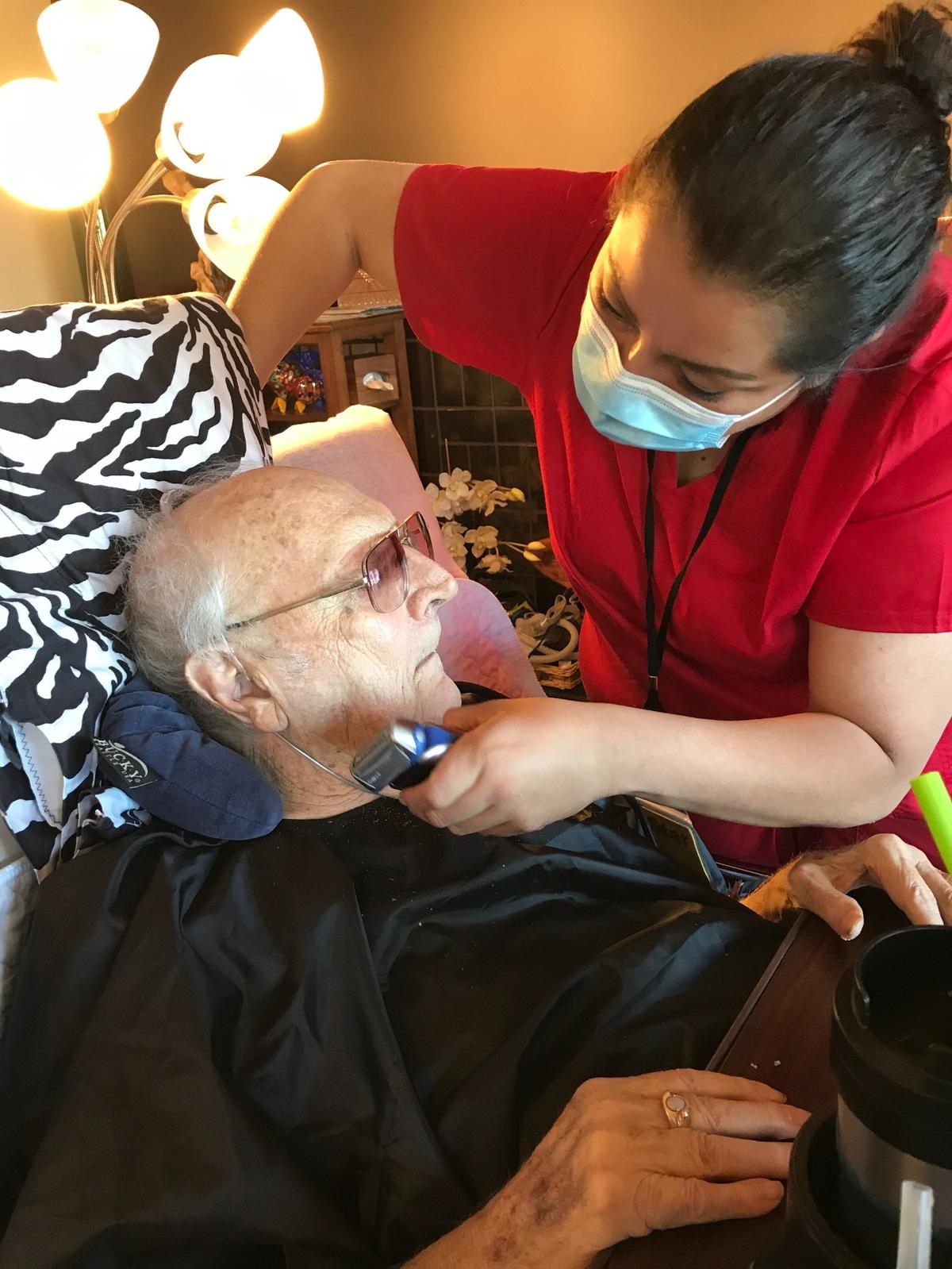
Since then, four of our caregivers have been hired by other Cambria clients, so the commuting continues. And because three of them are Latina and bilingual, they can serve Spanish-speaking clients, too.
Are they skilled, essential healthcare workers? You bet. Three of them are state-certified nursing assistants. Two are med techs, authorized by the state to dispense medicines.
While they were caring for Husband Richard, all of the caregivers were also juggling other assignments or jobs in the medical field.
Nicole, for instance, works full time for Pathpoint SLO, helping to support and assist individuals with developmental disabilities, but was able to work weekends and some nights with us.
Between all five, with some shift shifting, they made our tricky 24/7 schedule work.
Why do caregivers drive to North Coast to work?
So, why did our commuting caregivers choose to join us in Cambria to be part of what we dubbed “Team Richard,” spending those months taking such expert care of the man who needed them, loving him, laughing with him and listening to his endless stories?
I asked.
Their answers reflect and amplify the reasons given to me by others who also drive regularly from the North County to work on the North Coast.
Simply stated, commuters go where the work is. In fact, Mary has commuted to the North County, especially when the client is someone she cares deeply about.
“If you have that special connection with someone you caregive for, the miles don’t matter, because the benefits are so great,” she said.
“I want to show my people love,” and, she added, “help them die in peace, without pain.”
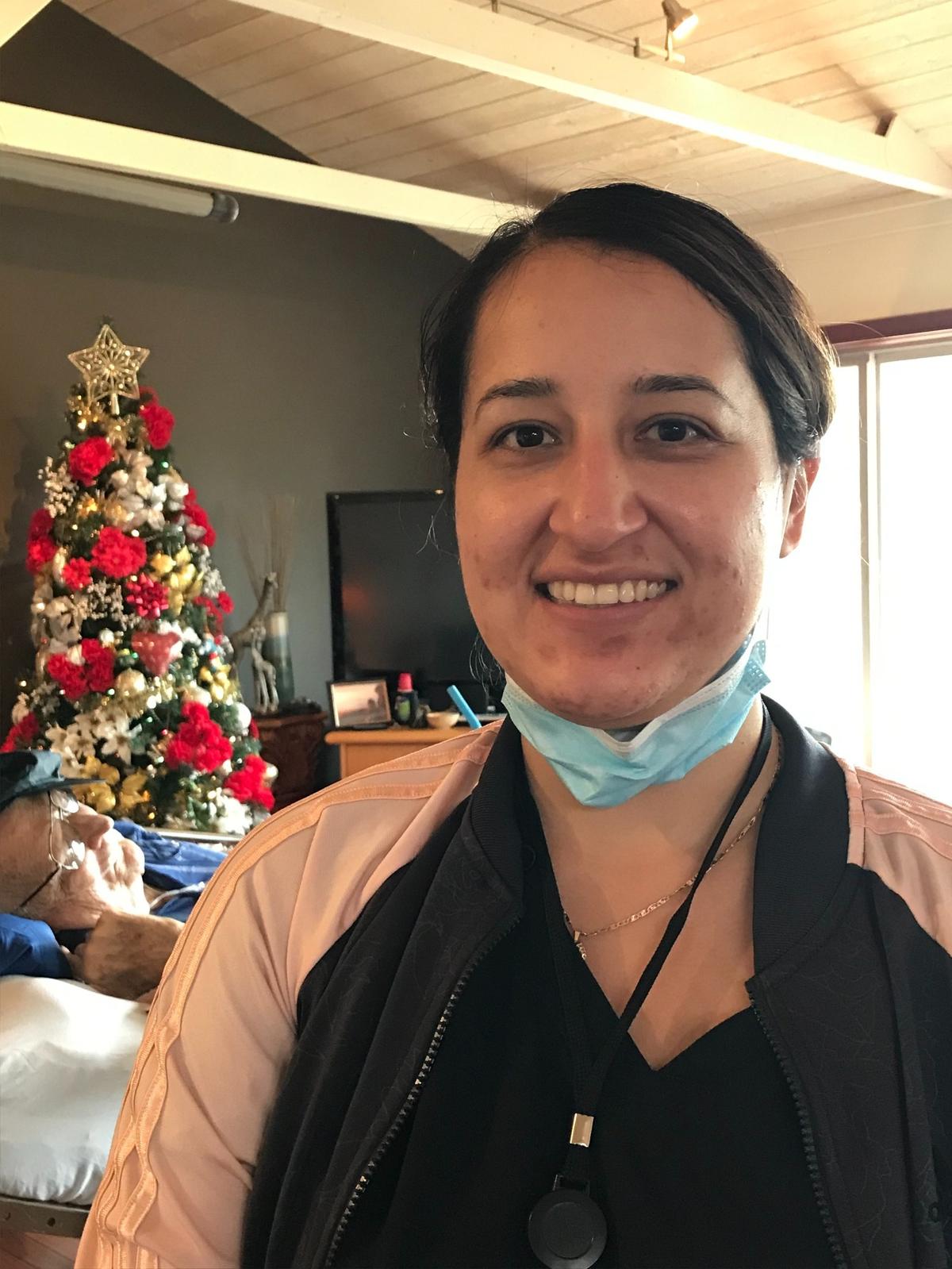
Their caregiving allows them to do what they love, which is caring for people when they need it most.
As Alice said, “I love to see my client smile. Everyone deserves good care and to feel loved. I make sure they know they are not alone.”
And Lizette said she considers herself “not just a caregiver but also a caring companion.”
Regular income is golden, especially during a global coronavirus pandemic when many jobs disappeared. That’s particularly true for caregivers, whose intense assignments can be cut short, often unexpectedly, after a client recovers, transfers to a skilled nursing facility or dies.
The latter is unquestionably the hardest part of being a caregiver, according to our team members.
As Alice said, “When you care for someone, they become a part of you.
“When they go to heaven,” she added, “it hurts my heart tremendously.” Even so, it’s satisfying to be able to help the client and the family through that traumatic transition, she said.
Loyalty and love inspire locals
Even when a commuter’s regular income is reduced — either due to the season or the pandemic — loyalty to a client or longtime job can make the drive worthwhile.
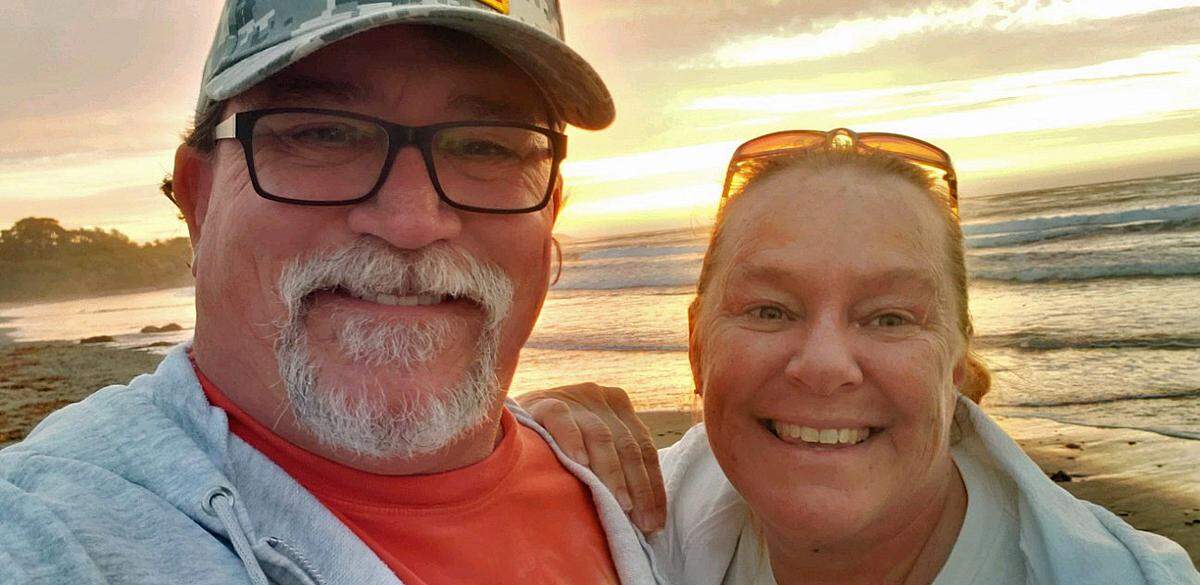
That’s the case for lifelong North Coaster Maida Minadeo, who with husband Mike Minadeo, recently moved from their San Simeon rental to the house they could afford to buy in Paso Robles.
In a quirky twist, the twosome actually traded commutes. During the two decades the couple had lived on the North Coast, Mike Minadeo drove daily to his job in Paso Robles. Now, it’s his wife’s turn to commute to her job at Linn’s Restaurant in Cambria.
“I feel blessed to have been in the area my whole life,” she said. “There is no place like home. … I love the people I work for and with and have no plans to leave there.”
All the North County commuters say they love the coast and welcome the chance to work and recreate in such a beautiful area. That’s especially true “when temperatures in the Paso Robles area are 90 and above, and the coast is cool,” caregiver Brenda said with a smile.
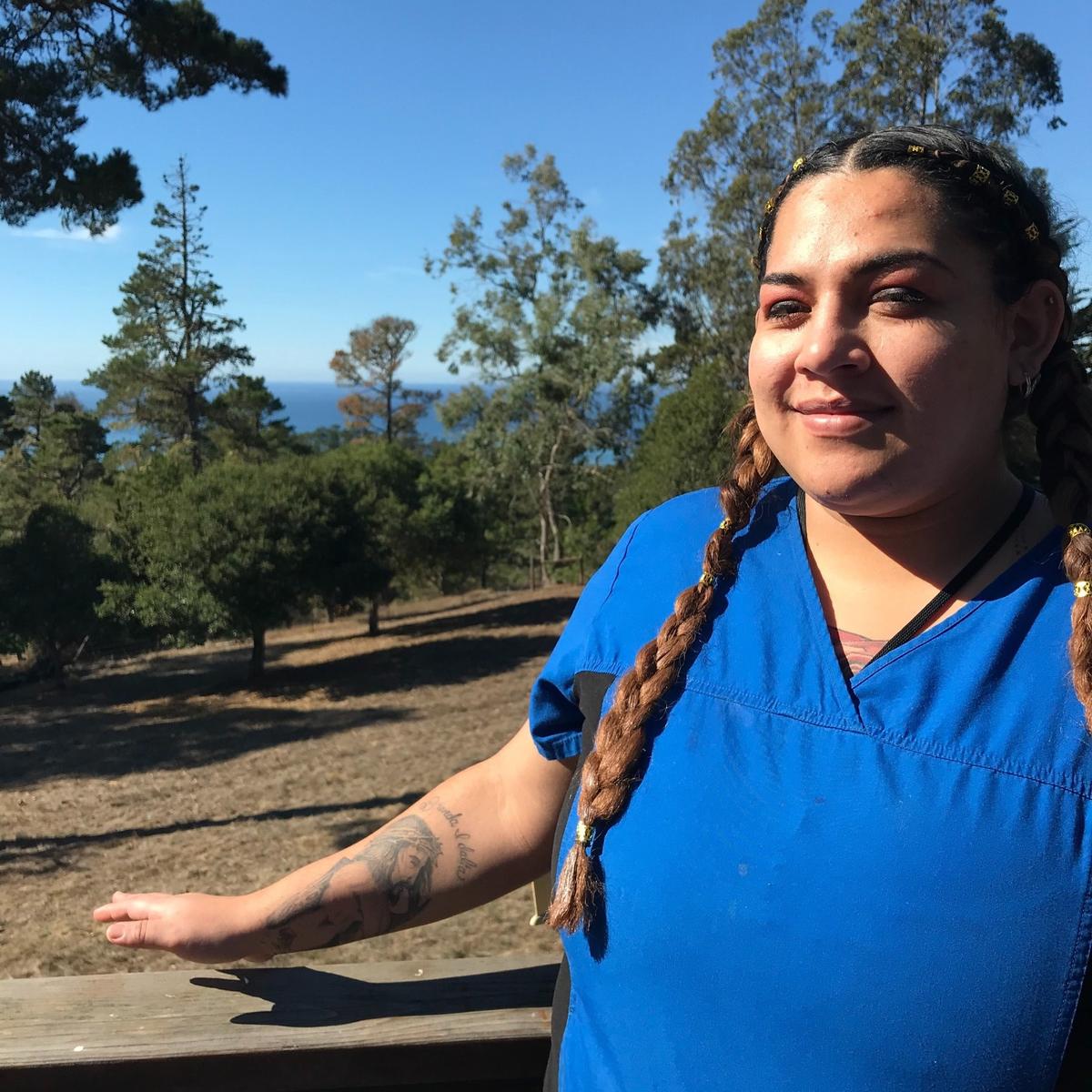
A a single mom, she has worked in the Cambria area for five years. On her days off, she, her 11-year-old daughter and their dog Romeo often visit the coast. They especially “like to go in and out of the waves” at the shore, Brenda said.
Caregiver Lizette said, “I love to go to the beach, especially at night. It relaxes me, it clears my mind. I love listening to the ocean, I love the smell and I enjoy seeing the stars twinkle at night.”
Sure, there are downsides to a long work commute, including the cost of vehicle maintenance and gasoline; long hours spent behind the wheel and longer times away from family, which is particularly difficult for moms of distance-learning students.
There are also the hazards of driving in fog, rain and dark of night, navigating slick roads, construction delays, accidents and heavy traffic, as well as the ever-present threat of wildlife on the roads.
But most commuters I talked to said they feel it’s worth it to make those regular drives. And in our case, we’re eternally grateful that our four North County caregivers felt that way.