
2 fired SLO County police officers lose appeals to get their jobs back
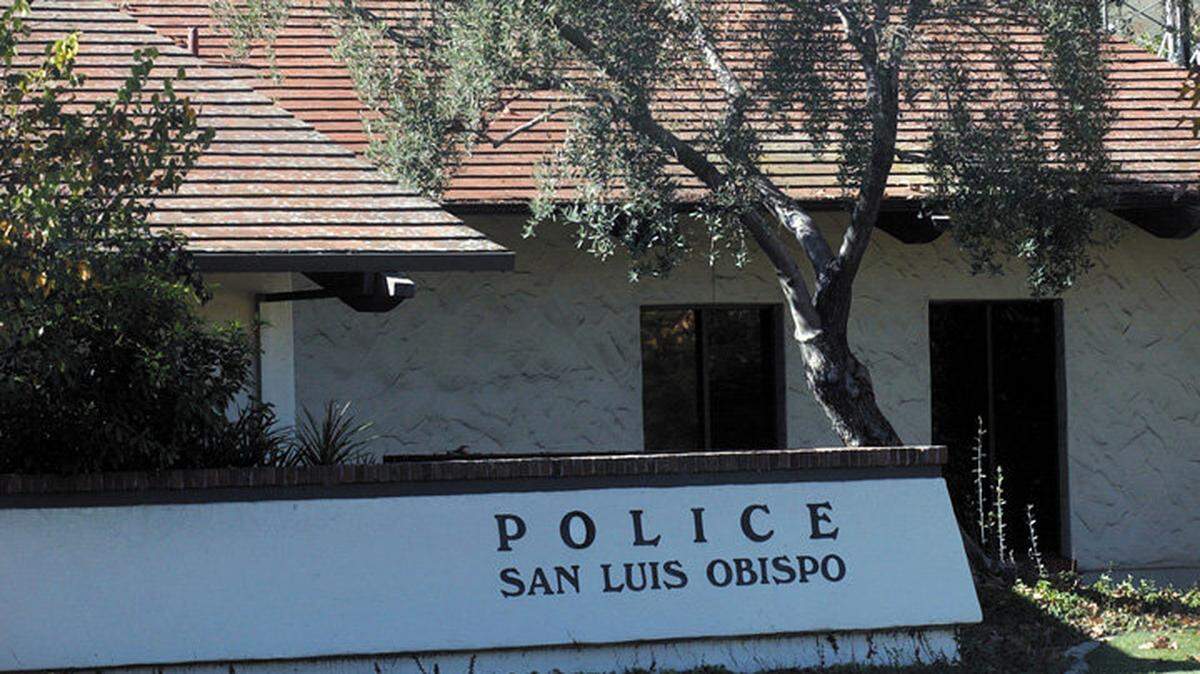
Two former officers from different San Luis Obispo County police departments lost their separate battles to get their jobs back, following rulings Thursday by a state appellate court.
The rulings mark the end of the cases of Dan McDow, a former San Luis Obispo officer fired after his 2010 arrest at the U.S.-Mexico border for transporting misbranded prescription pills, and Albert Beattie, a celebrated Arroyo Grande sergeant fired after he refused to complete mental fitness-for-duty exams.
McDow was an eight-year veteran of the San Luis Obispo Police Department when he was fired following his September 2009 detention with a fellow officer at the U.S.-Mexico border for trying to cross into the U.S. with prescription drugs, including muscle relaxers, in misbranded containers.
He was scheduled to work the next day and allegedly had his girlfriend call in sick for him. When he returned home, his supervisors were waiting for him and placed him on leave.
McDow pleaded guilty to one federal misdemeanor count of introducing a misbranded drug into interstate commerce and was subsequently fired. The other officer was also fired but did not appeal his termination.
McDow’s attorney, Michael Morguess, previously told The Tribune that the misdemeanor charge was grounds for discipline but not termination, arguing the city trumped up its case by adding alleged violations of department policies in order to fire him.
A third-party administrative appeal hearing officer recommended McDow be reinstated on a “last chance” agreement, but the city overruled that finding. McDow took his case to court and lost in April 2014.
He appealed, seeking full reinstatement with back pay, as well as the deletion of all references to his discipline from his personnel record.
At a June 30 appeal hearing held at San Luis Obispo City Hall, Morguess argued before a three-judge panel that there was no evidence McDow knew he was committing a crime in bringing the pills over the border.
City Attorney Christine Dietrick countered that McDow’s arrest followed “a pattern of conduct,” and due to his “conduct unbecoming of an officer,” the city had every right to fire him.
In its ruling, the panel of judges agreed with the city.
On Thursday, Dietrick said in an email: “The City’s only regret is that the procedural requirements in these types of cases consume such a prolonged and inordinate amount of public time and financial resources … where it seems so obvious to most reasonable people that a City should be able to terminate a police officer who pleads guilty to a federal crime, discredits his department, and lets down the community he serves.” McDow and Morguess did not respond to requests for comment Thursday.
Beattie’s appeal denied
The appellate court also sided with the City of Arroyo Grande in its termination of Beattie, who had been a decorated officer.
Beattie was a 13-year veteran of the department when he was fired in December 2009 for refusing to take a mandatory psychological exam after questions were raised about his judgment regarding when to use his gun.
Beattie was named the department’s Officer of the Year in 2006, the same year he fatally shot a San Jose man who had led CHP officers on a 100-mile high-speed car chase from Atascadero to Gaviota. The chase involved three carjackings and an exchange of gunfire on the freeway.
Beattie, who had been helping a stranded motorist on the side of the highway, shot the suspect three times as the suspect sped toward him, ending the chase. The suspect later died of his wounds.
The Santa Barbara District Attorney’s Office classified Beattie’s actions as “clearly justified.”
In November 2008, Beattie responded to a hang-up 911 call and found an elderly couple inside a residence struggling over what appeared to be a weapon. According to court records, Beattie ordered another officer, Erik Jensen, to forcibly enter the home. Jensen knocked instead, and discovered the man suffered from dementia and was struggling over a bottle of pills.
As the officers were leaving the house, Beattie commented to Jensen about not having a clear line of fire through the window, according to records. Concerned about Beattie’s judgment, Jensen reported the incident to Chief Steve Annibali, who ordered Beattie to undergo the exam.
In November 2008, Beattie’s attorney told the department that Beattie had completed an independent evaluation by his own psychologist and was found fit for duty. The city’s psychologist asked him to identify the specific tests his examiner administered, and Beattie refused.
Between December 2008 and November 2009, Beattie was ordered to take additional city-issued exams but remained uncooperative. He was terminated a month later. In doing so, former City Manager Steve Adams overruled an administrative hearing officer who ruled that Beattie should not have been ordered to take the exam.
Beattie took his case to court in December 2013, lost, and filed an appeal. In its ruling, the appellate panel disagreed with Beattie’s argument that, even if discipline was warranted, the city abused its discretion by firing him instead of imposing a lesser penalty given his positive performance evaluations.
“Not only are the risks in deploying an unfit police officer obvious, but a lesser penalty also could send the undesirable message that city officers can disobey direct orders with impunity,” the ruling reads.
Attorney Morguess, who also represented Beattie, did not respond for comment on Beattie’s case. City Attorney Heather Whitham also declined comment.
This story was originally published August 6, 2015 at 6:15 PM with the headline "2 fired SLO County police officers lose appeals to get their jobs back."