California beaches have ‘lethal’ hazards. Follow these steps to say safe
As the weather warms up in California, you might be tempted to head the beach.
“Not all beaches along the California coastline are recommended for swimming or wading,” California State Parks said on its website. “The very things that make these areas such spectacular places to look at and enjoy can be lethal to those caught unaware along the shoreline.”
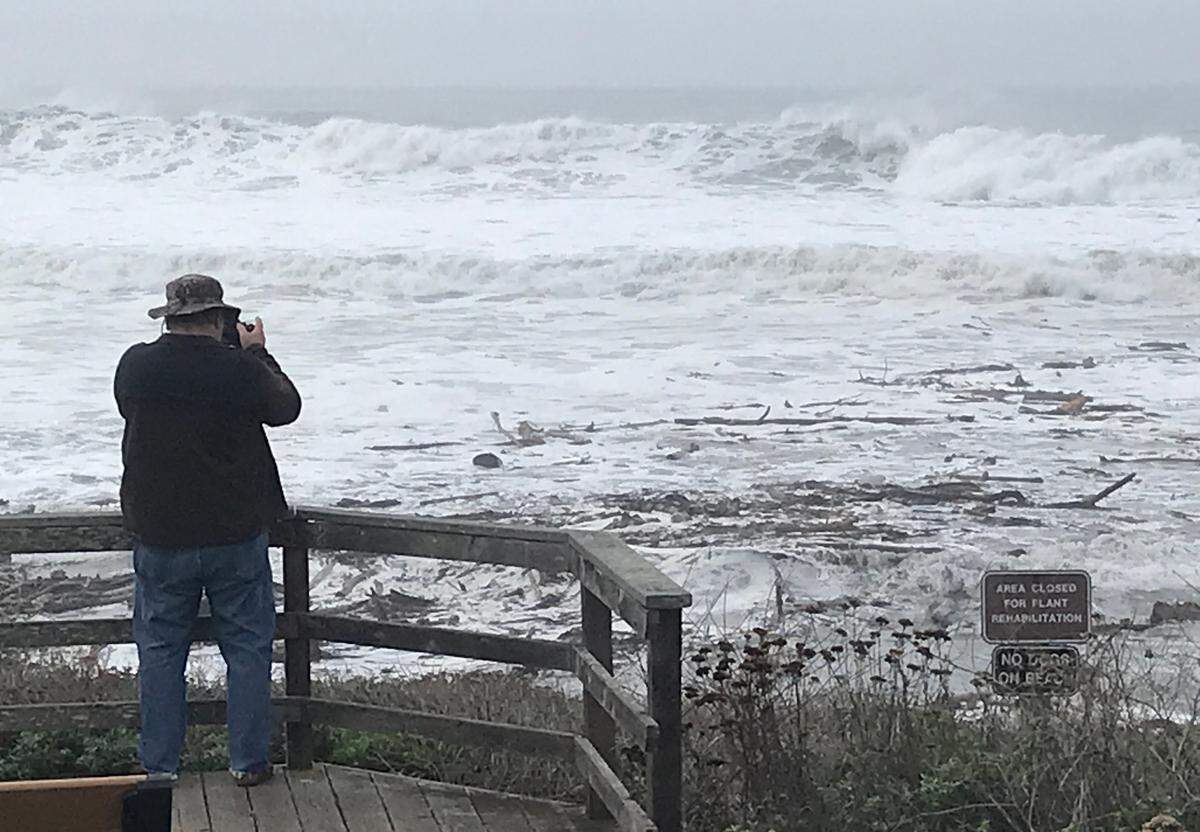
Big waves, chilly water temperatures, pounding surf and dangerous rip currents can make the coast a risky place to recreate, the state agency said.
San Luis Obispo County has recently seen a series of water-related deaths.
In March, a man drowned in Lopez Lake at Arroyo Grande, while another person died after a surf rescue attempt at the Oceano Dunes, The Tribune previously reported.
If you’re going down to the shore, here’s how to stay safe — and get help if you need it:
How can I tell if a beach is safe?
Before you go to the beach, check your local beach conditions, according to the National Oceanic and Atmospheric Administration.
This includes checking the surf forecast, tide times and weather alerts.
Once you’ve arrived, ask a lifeguard if conditions are safe.
Some beaches use warning flags approved by the United States Lifesaving Association to indicate hazards such as rough surf, strong currents and the presence of jellyfish, stingrays and other marine animals.
Always bring a flotation device when swimming without a lifeguard present.
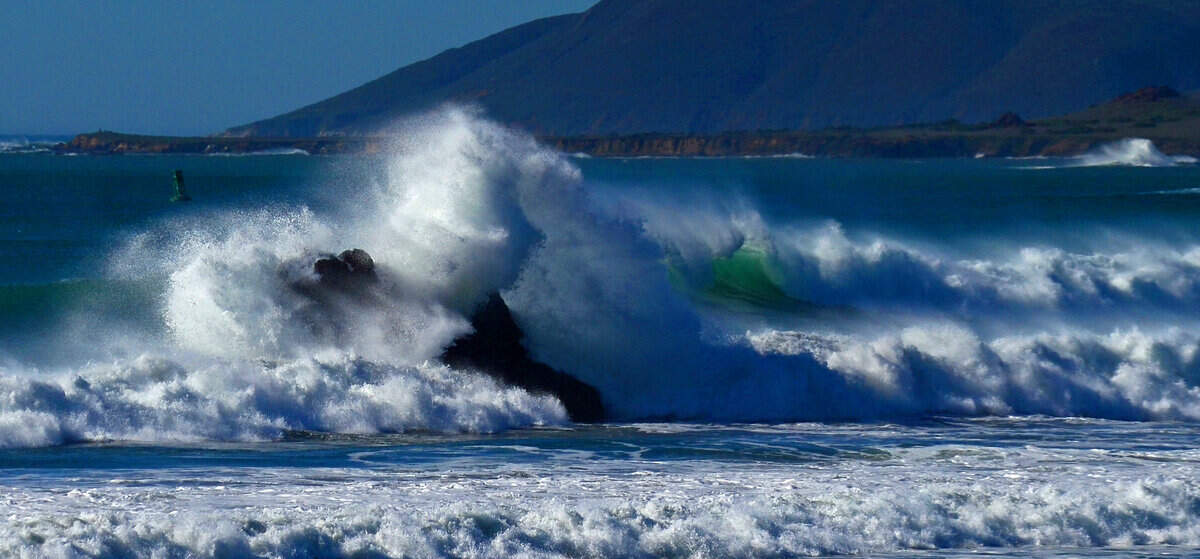
What is a rip current? How do I spot one?
According to California State Parks, beachgoers should watch out for rip currents — “powerful, channeled currents of water flowing away from shore” — as well as unpredictable “rogue” or “sleeper” waves.
“The majority of ocean rescues made by lifeguards are due to victims struggling in rip currents,” the state agency said.
“Rip currents most commonly form at low spots or breaks in sandbars and near structures” such as jetties and piers, the National Oceanic and Atmospheric Administration said, noting that they can be very narrow or hundreds of yards wide.
To spot a rip current, stand away from the shore at an elevated point such as a dune.
Look for a “darker, seemingly calmer water flanked by areas of breaking waves and whitewater,” the federal agency said, or a channel of churning, choppy water.
The water may appear muddy, and you might notice foam or seaweed being carried through the surf.
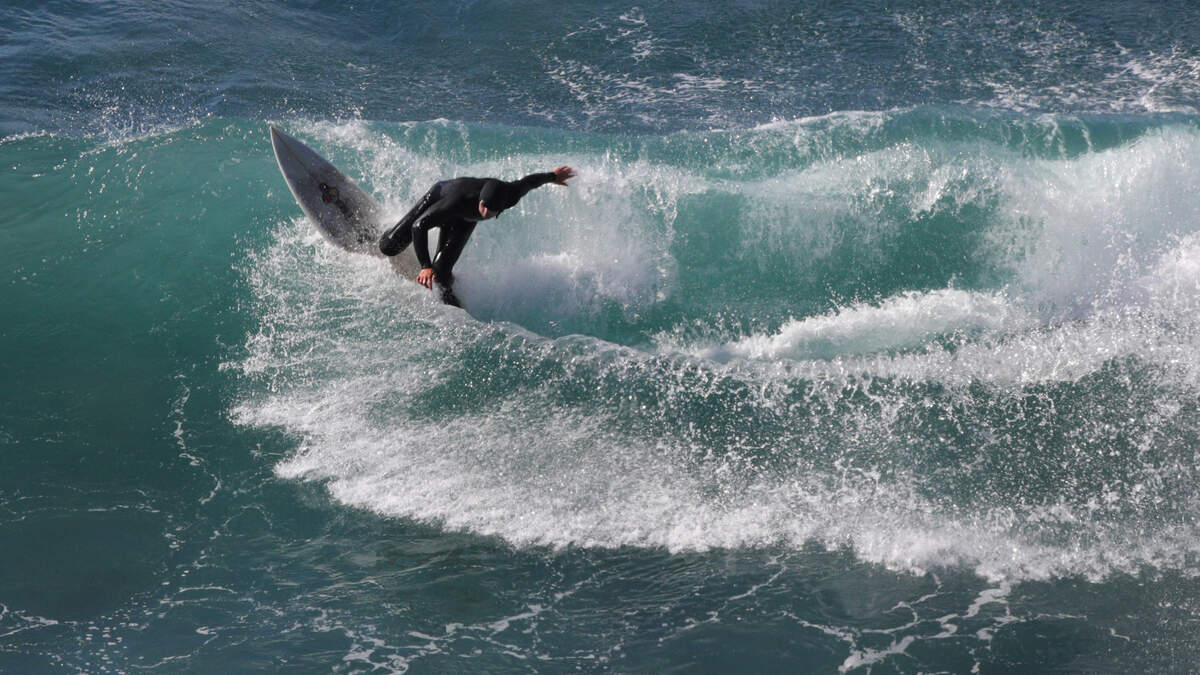
What should I do if I get stuck in a rip current?
Here’s what to do if you are stuck in a rip current according to The Royal National Lifeboat Institution:
- Don’t try to swim against it or you’ll get exhausted.
- If you can stand, wade don’t swim.
- If you can, swim parallel to the shore until free of the rip and then head for shore.
- Always raise your hand and shout for help.
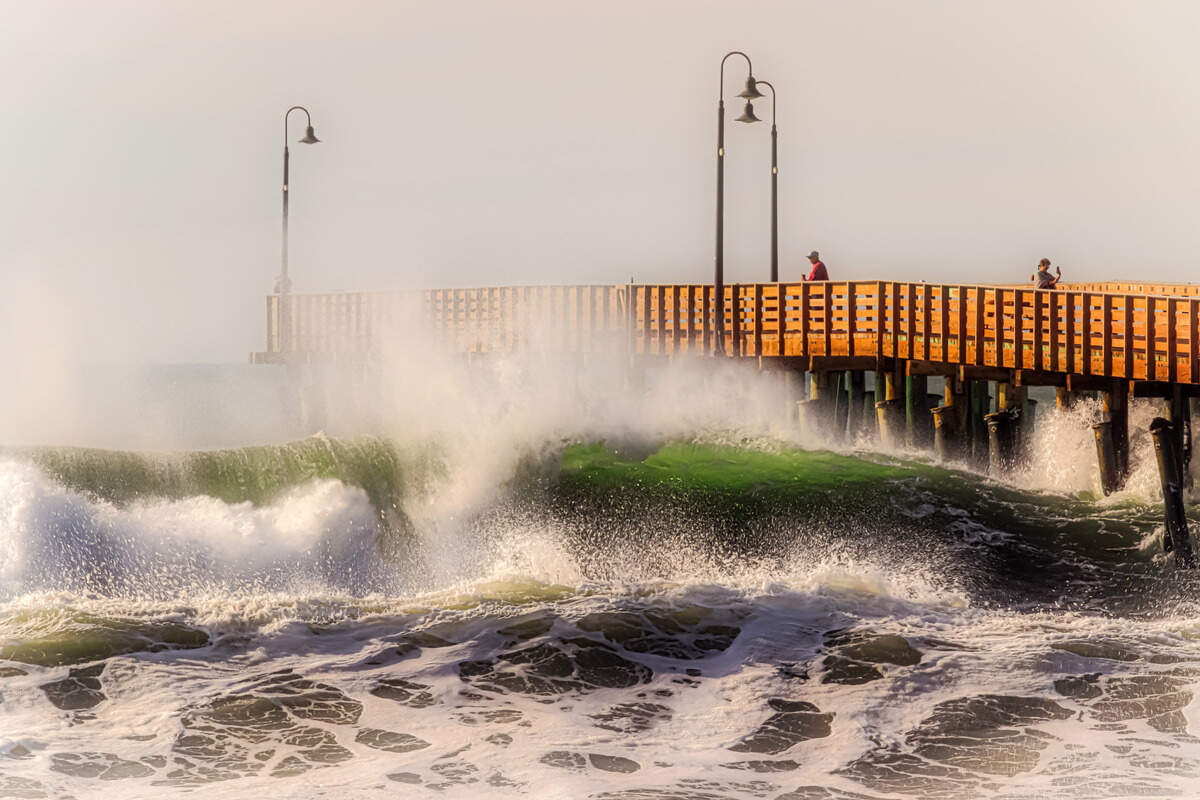
Which kinds of waves are dangerous? How can I survive them?
According to the Outdoor Swimming Society, two types of waves pose the most danger for people.
Plunging waves “rear up suddenly and break with great downward force,” the United Kingdom-based group said, knocking swimmers off their feet and pulling them further away from shore.
Surging waves don’t break in a dramatic way but they can “suddenly surge up the beach far further than you expect,” the Outdoor Swimming Society said.
“The danger of this type of wave is that it can pull people from quite high up the beach into the sea,” the group said.
When you’re in shallow water, the British swimming organization says, stand sideways to the wave with your feet wide apart.
If you’re in water that’s above waist-height, swim over waves or dive under breaking waves with your arms out in front of you to protect your neck.
Waves will push back toward the shore if they aren’t breaking. If they are, turn around and dive underneath them.
If you get wiped out while in the ocean, take a breath, “relax and go with the turbulence,” the Outdoor Swimming Society said. “Don’t fight it.”
Instead, go to the surface and wait for the next wave.
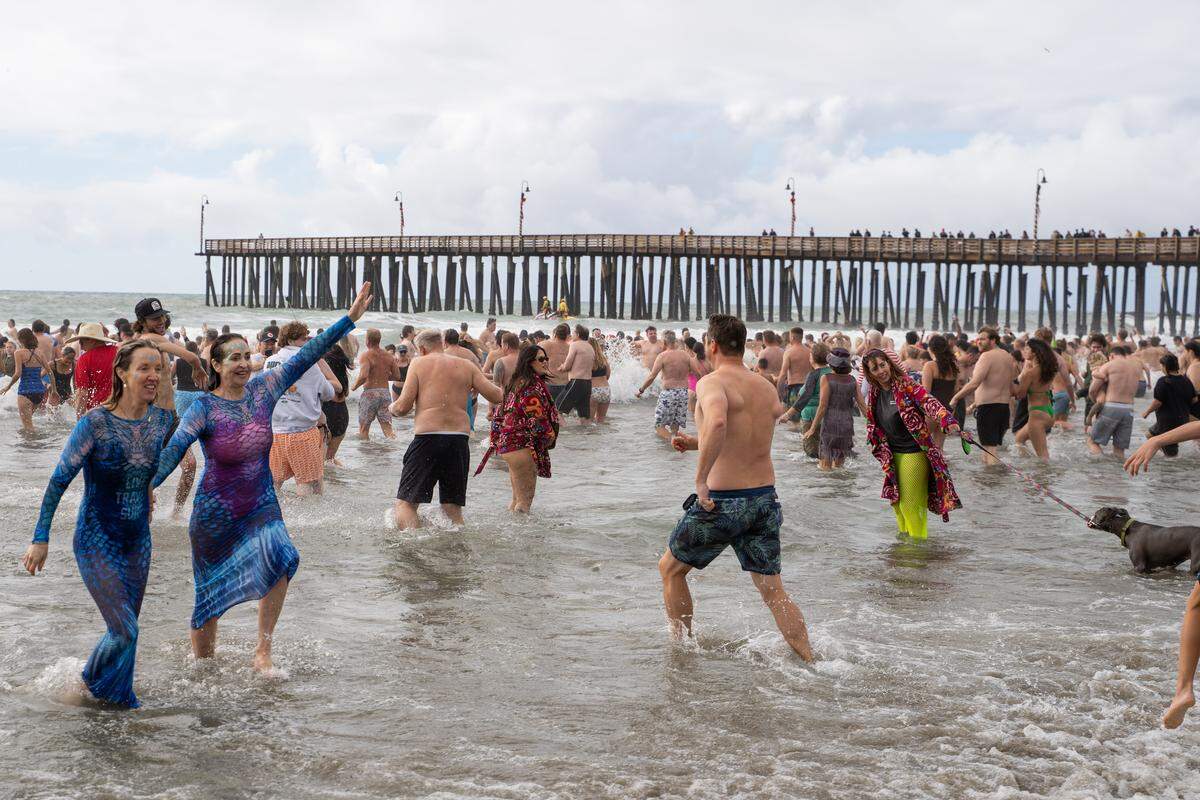
Should I swim in low tide or high tide?
“Flood and ebb currents are the strongest at or around the peak of high or low tide, making this the most difficult and dangerous time for beachgoers to swim in the water,” New Jersey meteorology company WeatherWorks said.
Instead, try swimming in the hour preceding or following a high or low tide.”
“The water is safest when tidal currents are the weakest,” WeatherWorks said.
How can cold water affect my body?
“Warm air doesn’t always mean warm water in lakes, streams or oceans,” the National Weather Service said, adding that balmy temperatures can “create a false sense of security for boaters and beachgoers.”
Ocean temperatures can drop as low as 54 degrees on the Central Coast and 50 degrees in the Bay Area, according to Surf-Forecast.com.
“When your body hits cold water, ‘cold shock’ can cause dramatic changes in breathing, heart rate and blood pressure,” the weather service said.
Symptoms include gasping for breath, a spike in heart rate, blood pressure problems and cognitive impairment.
You could also experience weakness and exhaustion or lose control of the muscles in your arms, legs, hands and feet.
If you start experiencing issues while in cold water, the U.S. Coast Guard recommends staying calm, minimizing time in the water and getting out quickly and safely.
If you can’t get to safety, use the HELP position by drawing your knees to your chin, keeping your legs together, pressing both arms against your side and keep your head out of the water, the Coast Guard said.
If you are in a group, huddle together in the water to conserve body heat.
Find a lifeguard or call 911 if you or another person is experiencing difficulties after swimming in cold water temperatures.
How to stay safe in the water
California State Parks offers these tips to stay safe in the ocean:
- Never swim alone.
- Be cautious at all times, especially when swimming at unguarded beaches.
- Obey all instructions and orders from lifeguards.
- If caught in a rip current, remain calm to conserve energy and think clearly.
- If you are unable to swim out of the rip current, float or calmly tread water.
- When out of the current, swim towards shore.
- If you are still unable to reach shore, draw attention by waving your arms and yelling for help.
- If you see someone in trouble, get help from a lifeguard or have someone call 9-1-1 .
Where can I find a lifeguard?
According to the California Coastal Commission, the California shoreline is divided into 15 counties.
Each county has its own lifeguard program that covers seasonal or permanent patrols, depending on beach popularity and conditions.
Lifeguards are found on the beach at towers and patrolling in vehicles.
Check with local beach patrol agencies when planning a beach trip to find out more information.