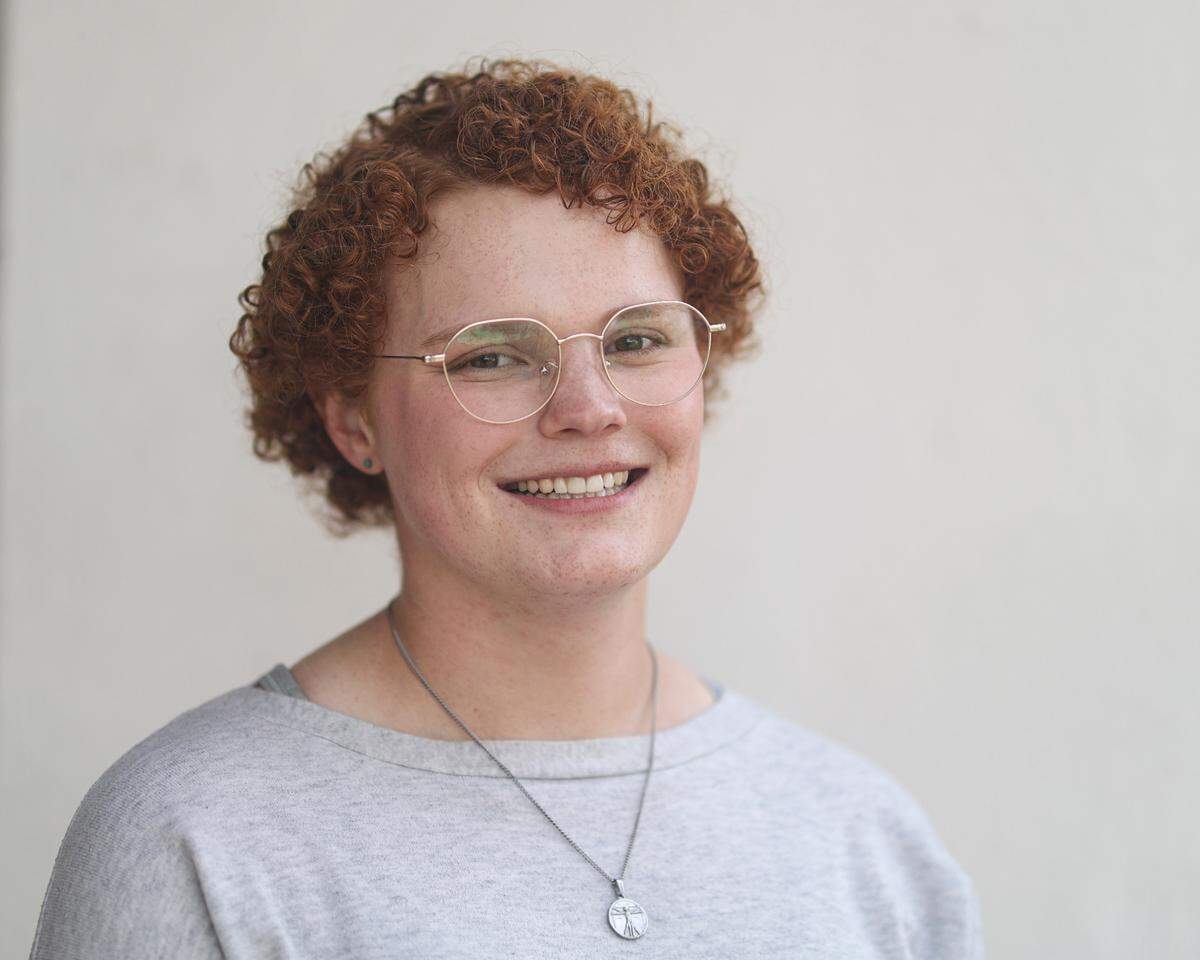
SLO County’s top health officer is retiring, and she’s got some lessons to share
San Luis Obispo County’s top health official, who led the county through challenging health events such as the COVID-19 pandemic, is retiring, and now she’s reflecting on the lessons learned during a four-decade career in public health.
Dr. Penny Borenstein knew what she wanted to be from a young age. While in medical school at Syracuse University, Dr. Borenstein was the only student in her class who was set on going into public health.
“I was an odd duck in my med school class, in that I knew entering that I wanted to do public health,” Borenstein said. “I remember a seminar we were all at where people were asked to raise their hands as to what specialty they were planning to go into — radiology, orthopedics — they were like, ‘How about you?’ and I actually was the only one.”
Borenstein said that focus on public health started almost entirely by chance when she was working in a genetics lab between undergrad and medical school.
“I worked in a laboratory and became friends with someone who left her lab job to go across the street to the public health school,” Borenstein said. “And so I would go and have lunch with her, and she’d be surrounded by her public health buddies who were talking about wonderful things in international and urban health and maternal and child health, and I just thought, ‘That’s what I want to do.’”
Those decisions kicked off a career that would see her lead the city of Baltimore’s public health department for 20 years, and later, seeking sunnier skies, move on to an 18-year career as San Luis Obispo County’s health officer and public health administrator.
.jpg "Image from iOS (44).jpg")
COVID-19 changed public’s trust of health officials
After completing med school, Borenstein completed several international rotations in Colombia, where she did family planning work, and in the Philippines, where she focused on delivering healthcare to rural communities.
She also made a “detour” for pediatrics training, followed by a public health residency, a two-year track that included obtaining a master’s in public health from Johns Hopkins University and internships through state and local health departments, Borenstein said.
However, none of that experience could have prepared her for the unique way that public health’s role — and relationship with the public’s trust — might change as her career entered its final years.
In 2020, the COVID-19 pandemic became “the start of a lack of confidence by many people in the public health director, where science was no longer the leading factor in how decisions were made in the minds of many,” Borenstein said.
Specifically, early conflicting information about how COVID-19 spread, the effectiveness of masks and which measures such as lockdowns would be required to stop COVID-19 quickly and effectively hurt public cohesion early in the virus’ spread, she said.
As such, she faced plenty of criticism online from people who were skeptical of COVID-19’s severity and the need for widespread measures against the virus, prompting her to pen an op-ed asking the community to take the pandemic seriously.
“We have so much social media and online experience, and that’s where a lot of people are getting their ideas from,” Borenstein said. “I was definitely up against that where, in the past, a health officer or a public health director would have been looked to by the vast majority of the community as the informed voice for public health.”
While best practices against COVID-19 such as social distancing, lockdowns and masking were eventually better understood, Borenstein said initial confusion and mixed messaging eroded public trust faster than the most accurate information could be dispersed.
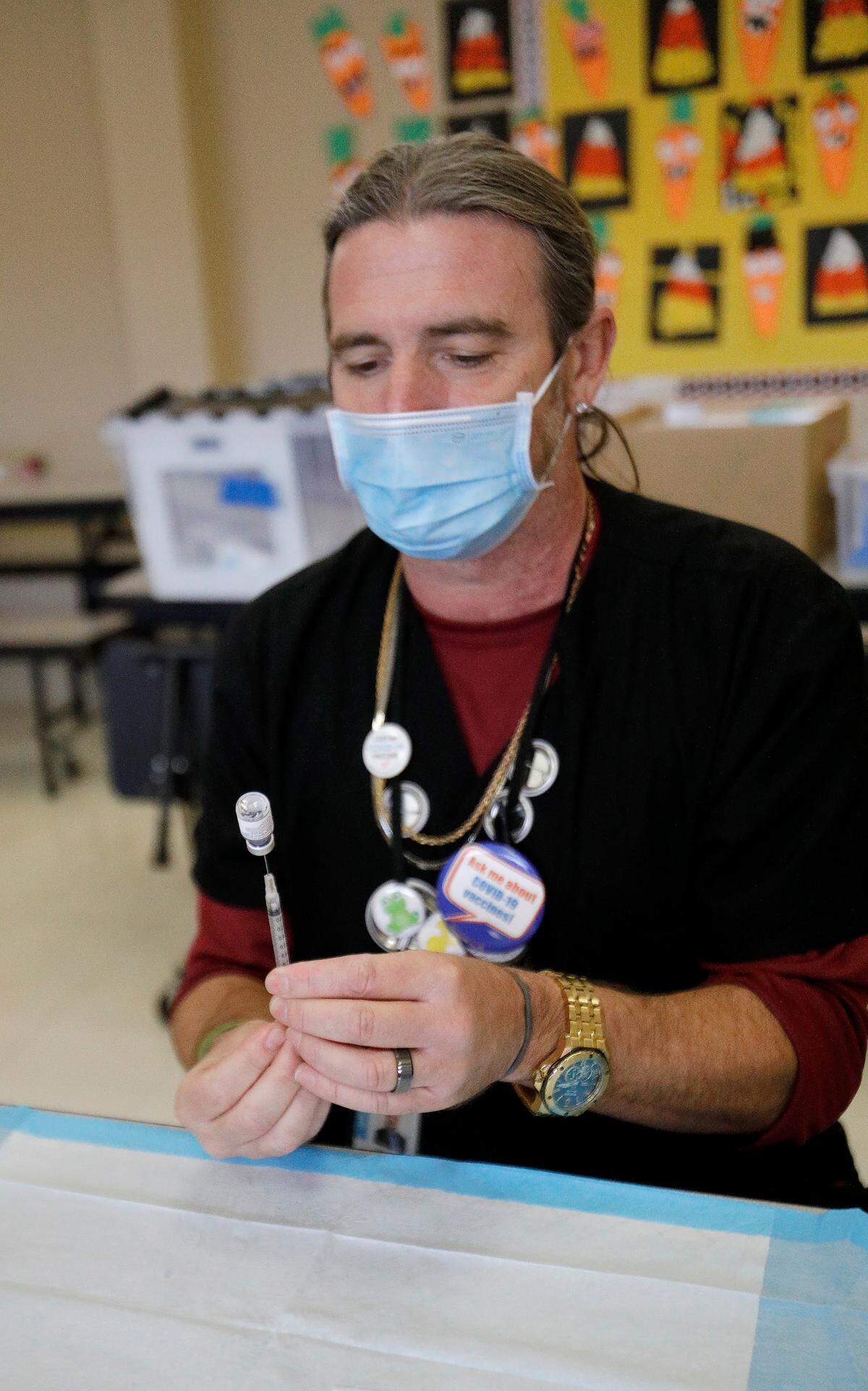
Even with the county trying to implement best practices, by the end of 2023, 613 people had died of COVID-19 here, according to county health agency public information officer Tom Cuddy.
“The approach that I took was to just stick to the facts as we knew them at the time, and to try to be really open with the community,” Borenstein said. “Information has come along since that has made some of the decisions that we’ve made look a little different — or make the decisions not completely supported by the newest information — but I think that we did really well at the time in terms of preventing deaths.”
“That’s really what public health is all about,” she continued.
Public health faces new challenges
As Borenstein enters retirement in July, the public perception of health guidance is more muddled than ever, she said.
Health policy at the federal level is clashing with state and local policies more frequently under the current administration, and finding common cause is becoming more difficult, but that doesn’t mean health officials who trust the science should give in, she said.
“We’re lucky to live in California, (which) has taken a very strong stance on saying that we will absolutely stick with the best science that’s available: evidence-based information,” Borenstein said. “Local health departments and local health officers in the state of California have been able to latch on to that, which is a wonderful thing, because it’s what I believe in.”
Borenstein said in the current information age, it’s very difficult to get most people to hear information about their health, much less to get them to take it seriously. She advised the next generation of health officials to be as transparent as possible, work with fact-based partners to spread health news and get out of their own information silos to understand the landscape better.
Going forward, behavioral health issues such as mental health, addiction and the health stressors of homelessness are likely the next-largest health challenges that San Luis Obispo County will face, she said.
“I’ve learned that SLO County is really a tale of two places, and what I mean by that is, on the outside, it looks all happy and wonderful and paradisal, but there are pockets where people are really struggling, neighborhoods in certain areas of the county based on poverty, housing, mental illness,” Borenstein said. “You have to really be careful to not think that there isn’t work to be done.”