Arroyo Grande will ask voters for option to buy state water outside of droughts
Arroyo Grande voters will decide in November whether the city should have the option to buy state water outside of drought emergencies.
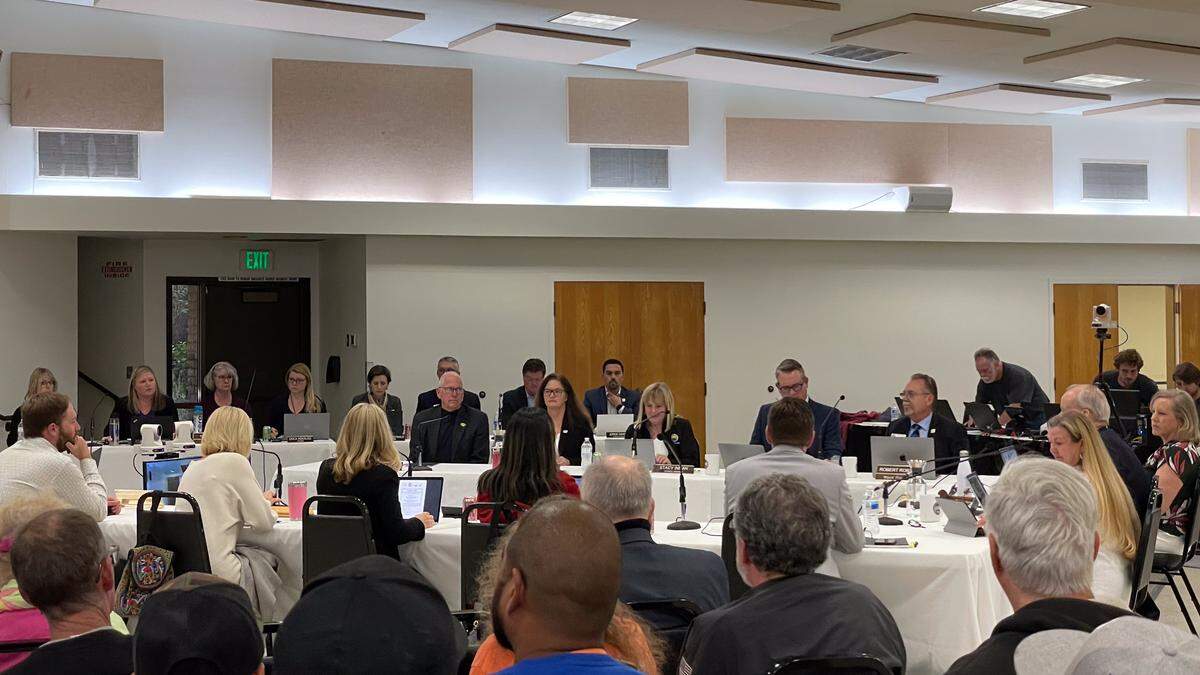
On Tuesday, the Arroyo Grande City Council directed its staff to put a measure on the November 2026 ballot that will ask voters whether the city should upgrade its agreement with the California State Water Project from emergency uses only as allowed by Measure E-16 in 2016 to a new as-needed contract.
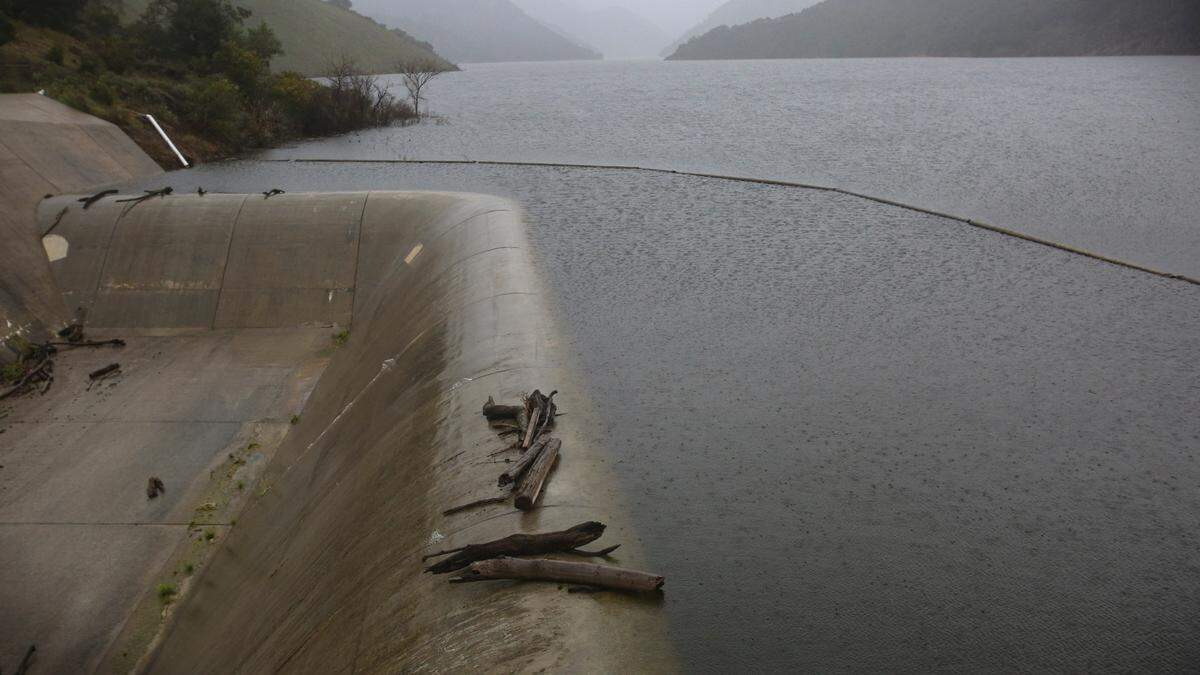
While the city’s water supply is projected to meet expected demand for the next three years, declining levels at the Lopez Reservoir (currently at 87% capacity), uncertainties on the future condition of the Santa Maria Groundwater basin and the lack of the Central Coast Blue project have pushed staff to recommend the change, according to the staff report.
Assistant city manager Brian Robeson said the new arrangement would differ from the previous 2016 approval, which only allows for purchases of state water during local water emergencies.
The city hasn’t been in a drought since the mid-2010s, meaning the city could not purchase water from the program under the previous measure under current conditions. The new measure would allow the city to make purchases from the State Water project without an emergency declaration, Robeson said.
“Our groundwater wells are well above average, and non-drought periods are considered the critical time to manage water resources, to stabilize future sustainability, and the authority to purchase water again outside of those emergency periods and without a ballot measure allows us to plan ... as uncertainties arise,” Robeson said. “The 2026 measure would provide authority to buy water if needed — it is not a mandate to spend money immediately, but it would be an option for the council to consider.”
Loss of Central Coast Blue changed city’s water outlook
Talks of buying water from the State Water Project date back to an April 2024 City Council meeting, in which the council discussed the future of the Central Coast Blue Recycled Water Project and other water supply resources.
In 2024, Arroyo Grande followed Grover Beach’s withdrawal from Central Coast Blue’s Joint Powers Authority, leaving Pismo Beach as the only body still pushing for the water project.
In May 2024, the City Council directed staff to look into a ballot measure that would upgrade its State Water Project participation, but the idea was ultimately kicked down the road to the 2026 ballot, according to the staff report.
Staff analysis of the city’s existing water supply system found that a blend of state water and Lopez Reservoir water already flows through the city’s water system to other State Water Project contractors such as Pismo Beach and Oceano, meaning no upgrades or new connections would be necessary if the city elects to integrate state water, according to the staff report.
San Luis Obispo County has a 25,000-acre-feet entitlement from the State Water Project, which can be offered in turn to smaller communities; for example, Oceano purchases 750 acre-feet of state water each year from the county, and Arroyo Grande could enter a similar arrangement if needed, utilities manager Shane Taylor said.
Currently, 5,000 acre-feet of the county’s entitlement is already under contract, and should Arroyo Grande voters pass the ballot measure, the city would be free to negotiate the length of time and amount of water it would purchase from the remaining 20,000 acre-feet as need arises, Taylor said.
Ballot measures require a simple majority to pass, and it remains to be seen exactly what city staff will present as it assembles the measure over the next few months.
Councilmember Jim Guthrie said that while state water was famously unreliable as a water supply around three decades ago, more recent improvements have made it a worthwhile pursuit as the city looks at giving itself another optional water stream.
Councilmember Aileen Loe agreed, saying the move made practical sense even if it proves to be unnecessary in the long run.
“I think it’s critically important that we take care of our needs for resilience, for water supply, and that we’re able to, as a community, as a county, share the resources that are available,” Loe said. “I think this is a really important proactive measure looking forward, and I’m definitely going to support it.”