SLO developers charged $100K for affordable housing fee. Is it constitutional?
A trio of Central Coast residents are suing the city of San Luis Obispo on the grounds that its inclusionary housing fees are an “unconstitutional exaction” after receiving a nearly $100,000 bill from the city.
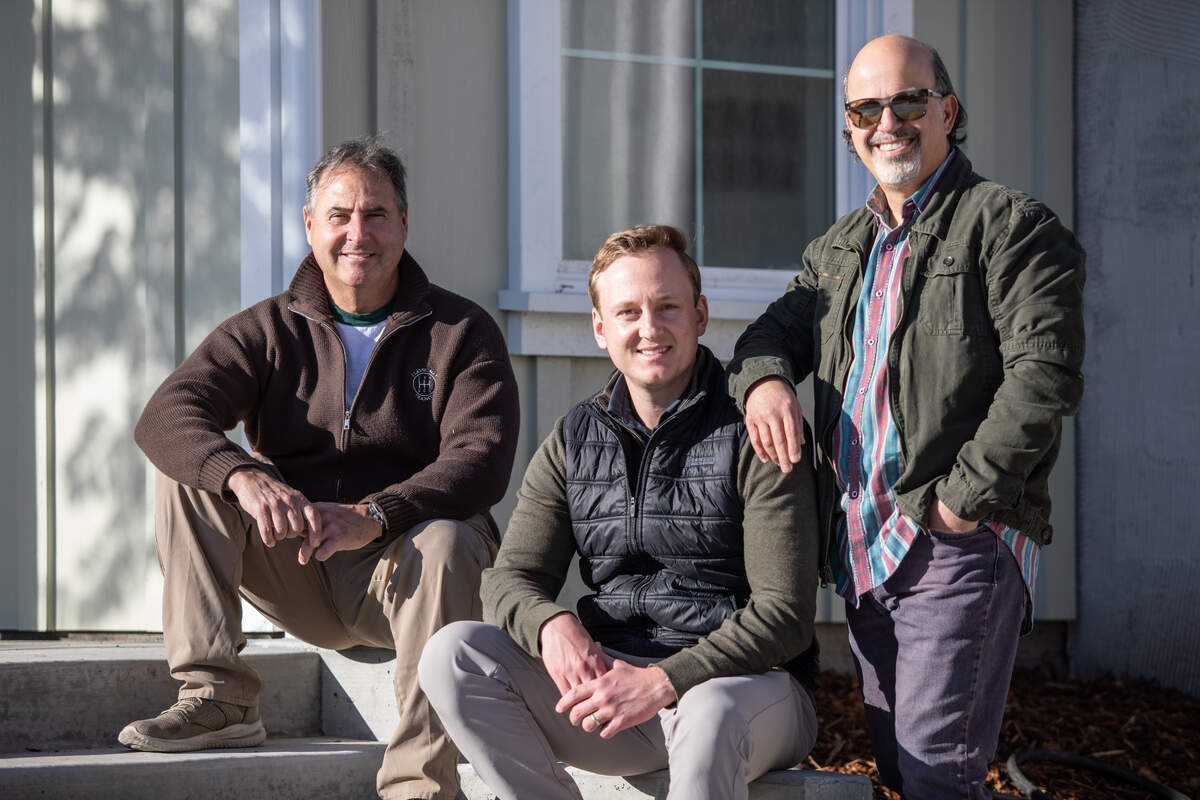
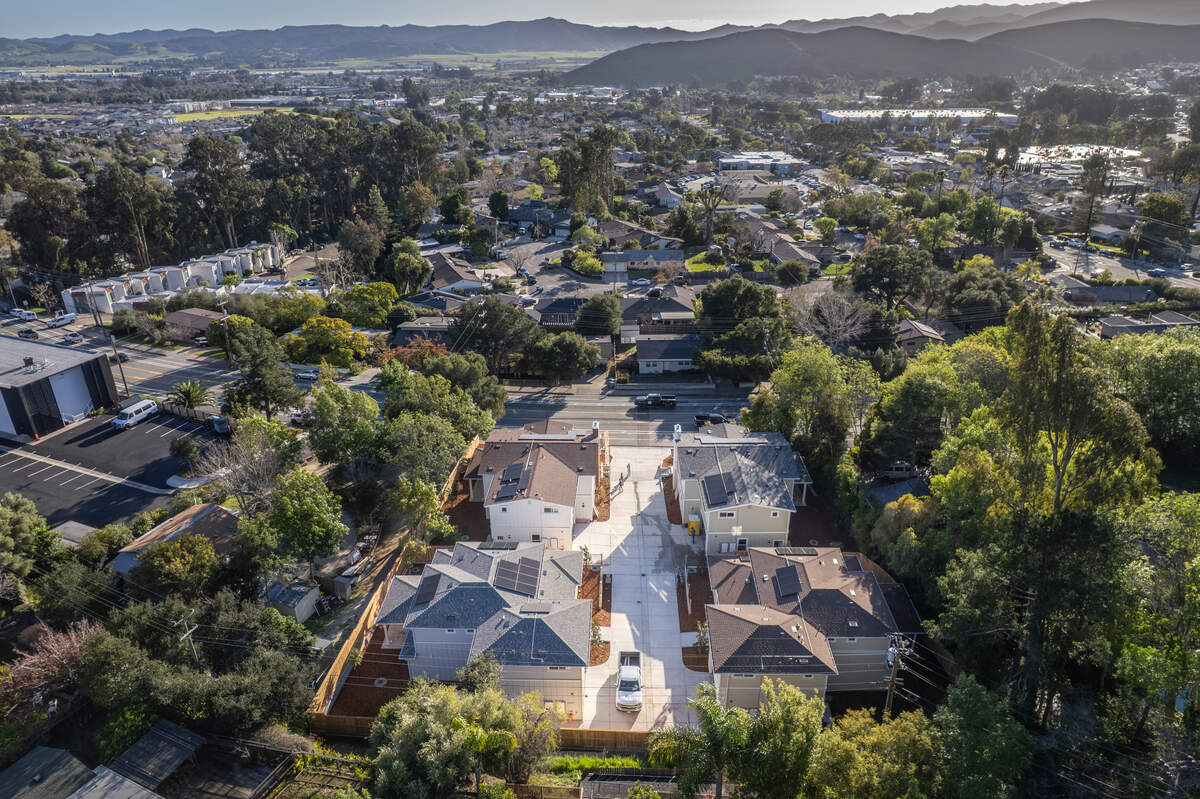
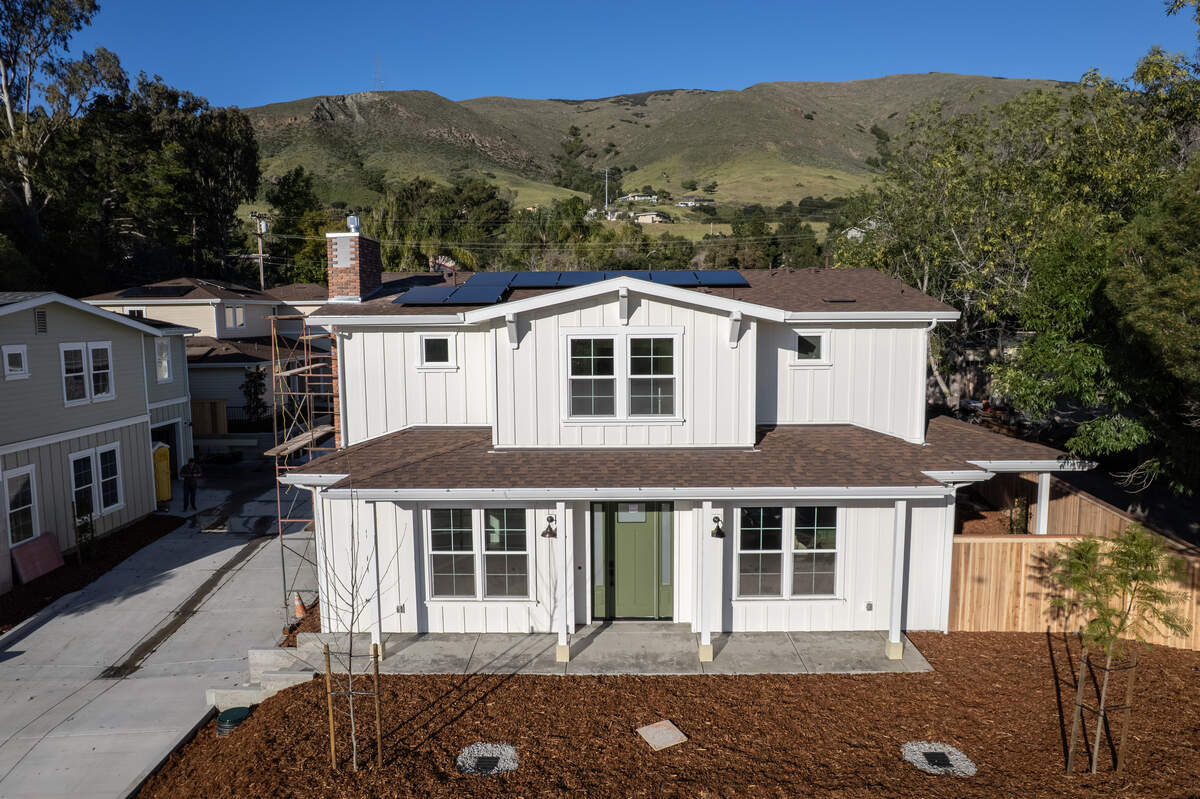
In a news release from the Pacific Legal Foundation, which represents plaintiffs John Ruda, Jordan Knauer and Rami Zarnegar, the legal firm said its clients simply wanted to build more housing by demolishing an existing house and replacing it with four homes and four attached accessory dwelling units.
“They came across this opportunity to purchase a piece of land that had basically a dilapidated, uninhabitable home in it, and their plan was they would replace that dilapidated home with a total of eight new units by subdividing the lot building for single family residences, each one with an attached ADU,” Deerson said. “They’re taking a piece of land with zero habitable units and turning it into eight new housing units, which the city of San Luis Obispo, like the rest of the state of California and most of this country desperately need.”
But after the permitting process was complete, the plaintiffs were handed the choice between a $98,900 inclusionary fee or selling one of the homes at half its value to a government-selected buyer, attorney David Deerson said.
Deerson said the trio reluctantly paid the fee, but are now contesting its validity in federal court, filing suit on Wednesday in the Central District of California.
How do SLO’s inclusionary housing fees work?
San Luis Obispo’s Inclusionary Housing Ordinance, adopted in August 2022, requires developers to construct affordable units in residential or mixed-use projects or pay an “in-lieu fee” based on square footage.
Developers of nonexempt homes for sale or rent can either designate some units as inclusionary units — 10% of units for condo or single-unit developments and 6% of units for rental multi-unit developments — or pay an in-lieu fee, according to the city’s website on the ordinance.
If they choose to pay the fee, developers of for-sale units can pay $26.73 per square foot of habitable space, while developers of for-rent units can pay $21.42 per square foot.
In the plaintiff’s case, one of the homes in their for-sale development would be sold to a buyer selected by the city for $450,000 — less than half of the $1.3 million construction cost per unit, Deerson said.
“Technically, the ADUs are exempt from this affordable housing policy under San Luis Obispo code, and that’s probably required by state law as well, but it gets tricky because you’re not allowed to sell ADUs separately from the main unit,” Deerson said. “ San Luis Obispo code is not clear on this, and we hope to sort of learn more about how exactly this plays out when we can get into discovery in this case, and get some documents to see how they’ve done this in the past.”
Deerson said while there’s no precedent to challenging the inclusionary fees, the 2024 Supreme Court case Sheetz v. El Dorado County held that fees for land-use permits must be closely related and roughly proportional to the effects of the land use.
Deerson said the city’s fees violate that doctrine “because the whole point is that you can’t take money or property from people as a condition of a land use permit, unless you’re actually mitigating some harm that they’re causing with the development.”
“When it comes to these kinds of inclusionary zoning or affordable housing fees, they’ve got it totally backwards,” Deerson continued, “because developing new residential units doesn’t make housing less affordable, it adds supply — which anyone who’s taken an elementary economics course knows is actually going to make housing more affordable.”
Deerson said next steps will involve serving the city with the lawsuit, followed by the city’s decision to either answer the complaint or, more likely, file a motion to dismiss.
The Tribune reached out to the city for comment, but City Attorney Christine Dietrick said she could not respond to specific questions because the suit has not been served to the city as of Thursday.
This story was originally published March 6, 2026 at 9:00 AM.