Volunteers survey SLO County homeless population for 2026 count
Hours before the sun rose for another unseasonably balmy January day in San Luis Obispo, a dozen small groups of people clad in reflective vests emptied from the Ludwick Community Center into the cold pre-dawn streets.
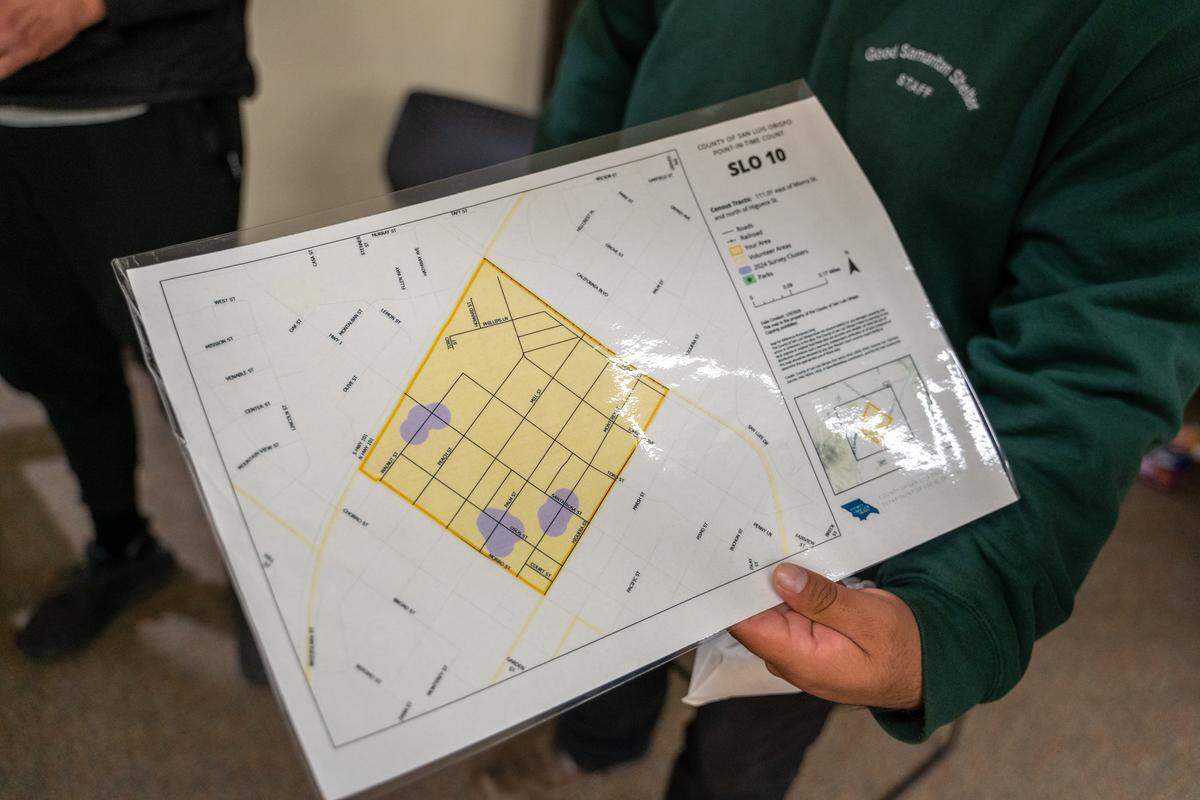
Equipped with a map and a survey app on their phones, the volunteers broke off for their zones of the city to look for homeless individuals as the 2026 Point-In-Time Count got underway.
The Point-In-Time Count, held every other year across the United States, is the unhoused version of a census, relying on large groups of volunteers and homeless services providers to aggregate as much information on as many people experiencing homelessness as possible.
Volunteers John and Helen Townsend were dispatched to the area near the San Luis Obispo County Courthouse as far north the intersection of Highway 101 and the train tracks along Pepper Street in a group with three other volunteers and a staff member from Good Samaritan Shelter.
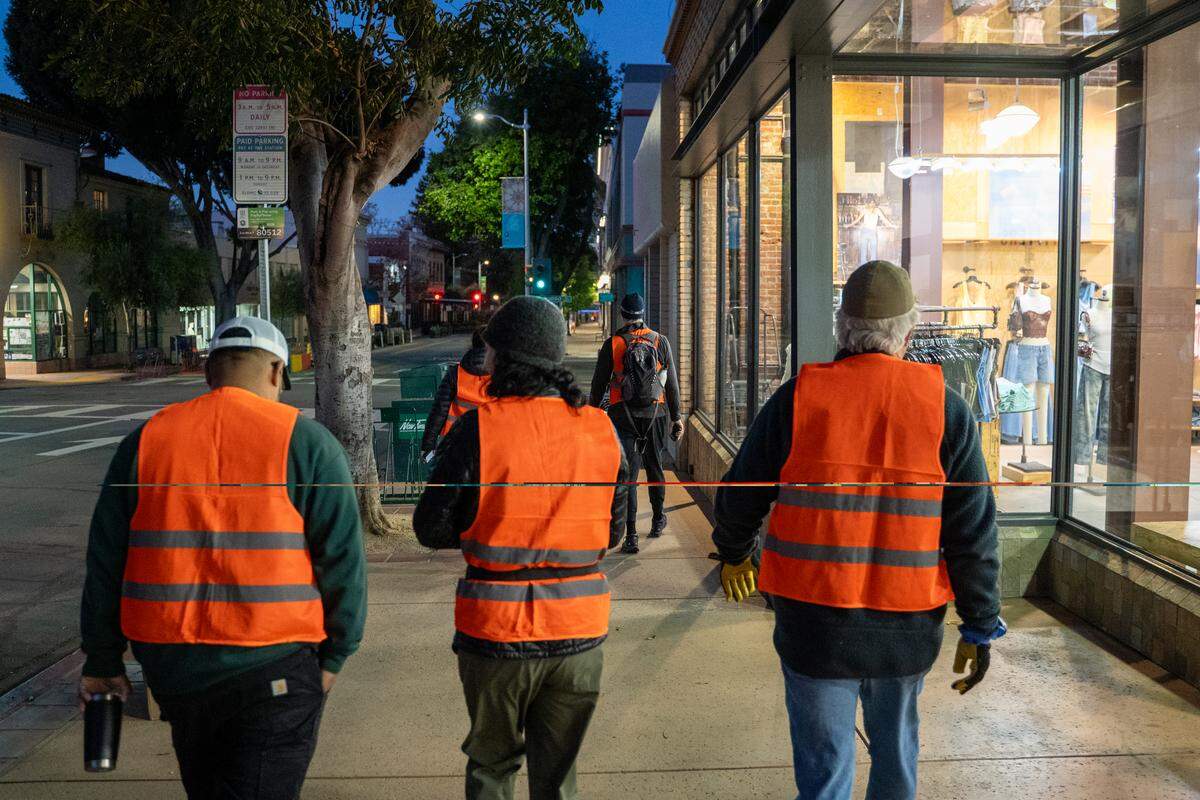
For John, who had previously participated in two Point-In-Time Counts prior to the 2026 one, the opportunity to meaningfully engage with the homeless population in his city goes hand-in-hand with the county and homeless services providers’ need for data that can be used to support federal funding allocations for homeless services.
“The Point-In-Time’s not perfect (but) it definitely helps — we gather important data, and that garnishes resources for the issue,” John said. “It’s a great way to understand the issue and see people first-person, so I would encourage people to participate.”
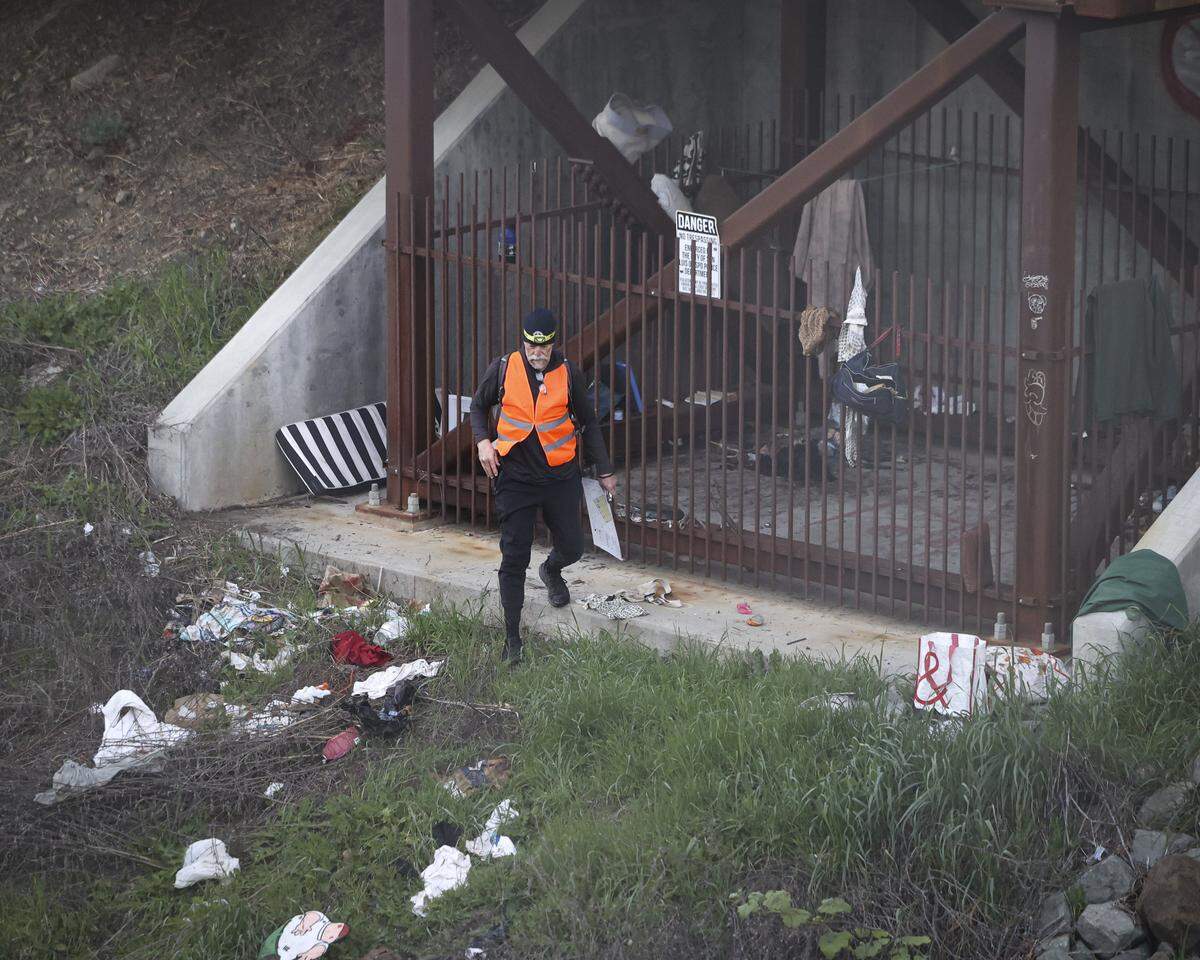
Lower number of homeless individuals observed in streets of SLO
San Luis Obispo County’s Point-In-Time Count was administered by the county’s homeless services division with additional aid from every homeless service provider across the county, homeless management information system program manager Kari Howell said.
All volunteers were required to participate in a two-hour training that covered how to perform compassionate outreach, how to identify a person living in their vehicle, how to use the survey app used for gathering demographic data and how to tell when to simply count someone who doesn’t want to be surveyed, she said.
A total of 241 volunteers turned out for this year’s count across San Luis Obispo County, setting out in unison for a “blitz count” at 6 a.m. from their logistics centers, Howell said.
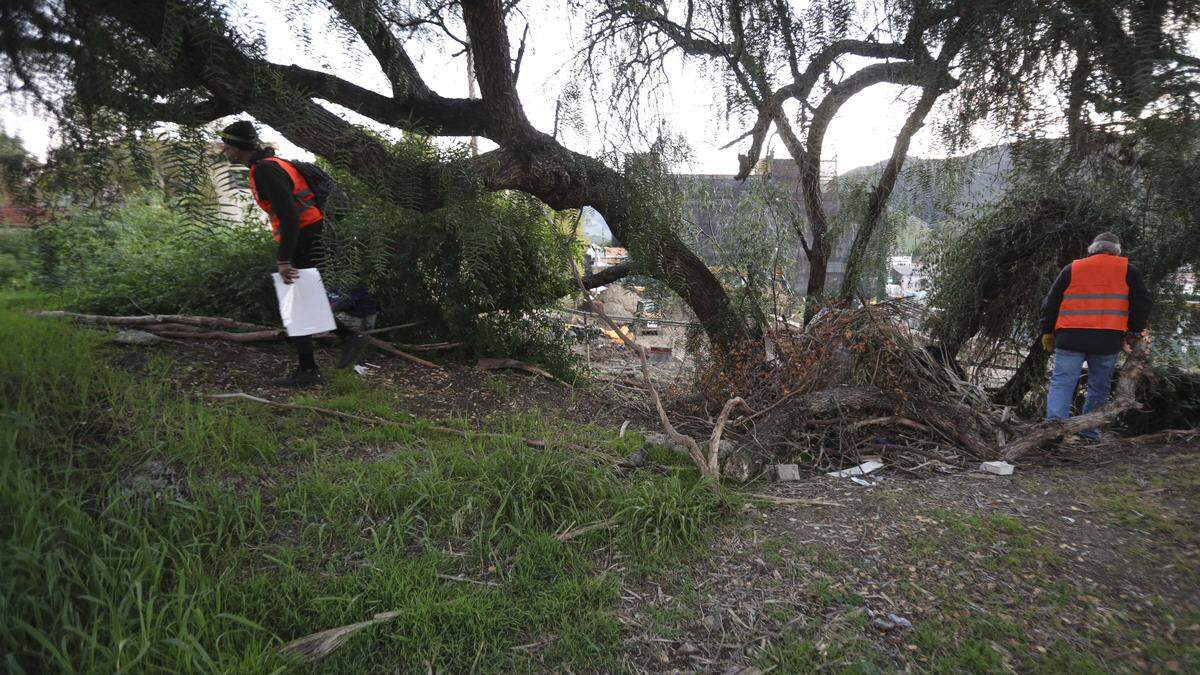
The night before the count, warming centers opened across the county in anticipation of cold weather, with the goal of counting as many people as possible without relying on the street count alone
Not all contacts with the homeless population are made by volunteers, with a trio of service-provider-only groups dispatched to perform outreach in areas where volunteers can’t go, such as private property, Howell said.
“My team and I are reviewing surveys as they come in,” Howell said. “We’ve also been following up with volunteers if they have questions or if we see anything on the surveys that lead us to have questions.”
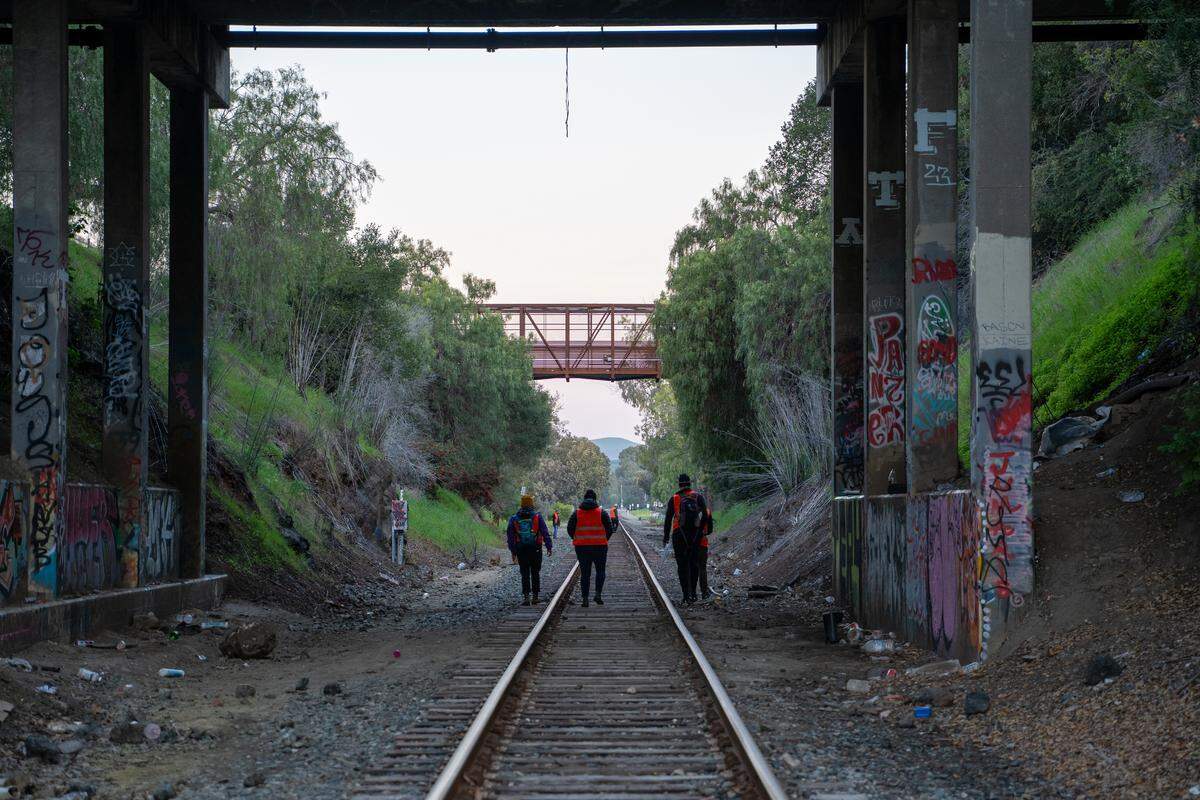
Howell said it will take several months for the county to comb through the data collected Tuesday morning, with the count total expected sometime this spring.
The most recent count in 2024 identified 1,171 individuals experiencing homelessness across San Luis Obispo County, a 19% decrease from the previous year, though this can vary heavily by survey.
In 2024’s tally, 374 people were counted as sheltered, with the remaining 797 experiencing unsheltered homelessness on the streets, compared to 292 sheltered people and 1,156 unsheltered people in 2022’s count.
As the survey teams worked their way through their allotted areas, some encountered more homeless individuals than others.
Good Samaritan Shelter staff member Jesus Cortes said he’s accustomed to doing outreach, and attributed the lower overall number of homeless people his group encountered Tuesday morning to cold weather.
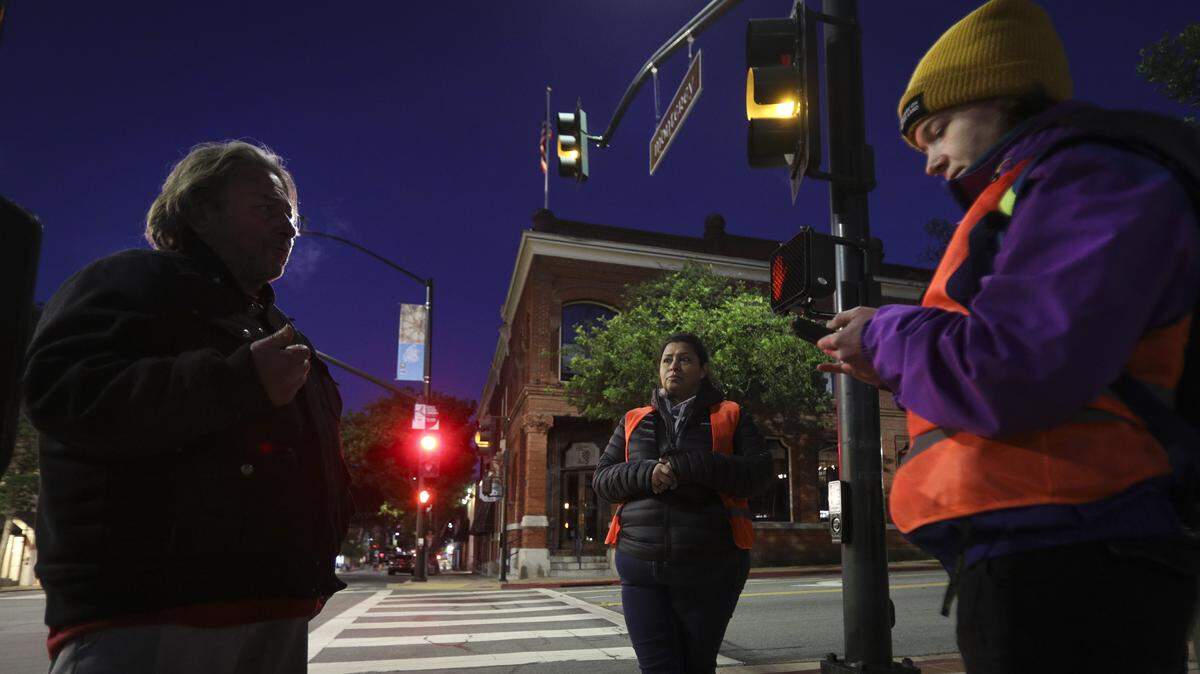
“Right now, it’s not as busy as it is normally during the day, or especially around noon,” Cortes said. “Usually, I see a lot more activity — I also think that has to do because of the cold and because of maybe the warming shelter too.”
Still, the count is useful to service providers both from a funding and data perspective, even if the numbers can be impacted by conditions outside their control, he said.
“Sometimes it’s very difficult for us to find our clients — sometimes we see them every day for a week, and then there’s moments where we just don’t see them at all from a long period of time, whether it’s being from a week to up to two months, three months,” Cortes said. “I think it’s very beneficial for us just to know that they’re still out there so we can go and check up on them.”

This story was originally published January 28, 2026 at 5:00 AM.