SLO County warns residents not to eat ‘potentially fatal’ mushrooms. What to know
Public health officials are warning San Luis Obispo County residents to avoid eating foraged wild mushrooms after nearly two dozen Californians were poisoned by the fungi.
A total of 23 children and adults have fallen ill in California after being poisoned by death cap mushrooms, officials with the California Poison Control Service said at a Tuesday, Dec. 9, news conference.
One person died of amatoxin poisoning from the mushrooms, according to a Friday, Dec. 12, news release from the SLO County Public Health Department.
The cluster of cases originated in Monterey County and the Bay Area “but the risk exists throughout California — including San Luis Obispo County,” SLO County public health officials said.
“Poisonous mushrooms like the death cap may easily be mistaken for safe, edible mushrooms due to their similar appearance and taste. But they can cause serious and potentially fatal liver damage,” SLO County Health Officer Dr. Penny Borenstein said in the release.
Here’s how to stay safe in SLO County:
Are death cap mushrooms dangerous?
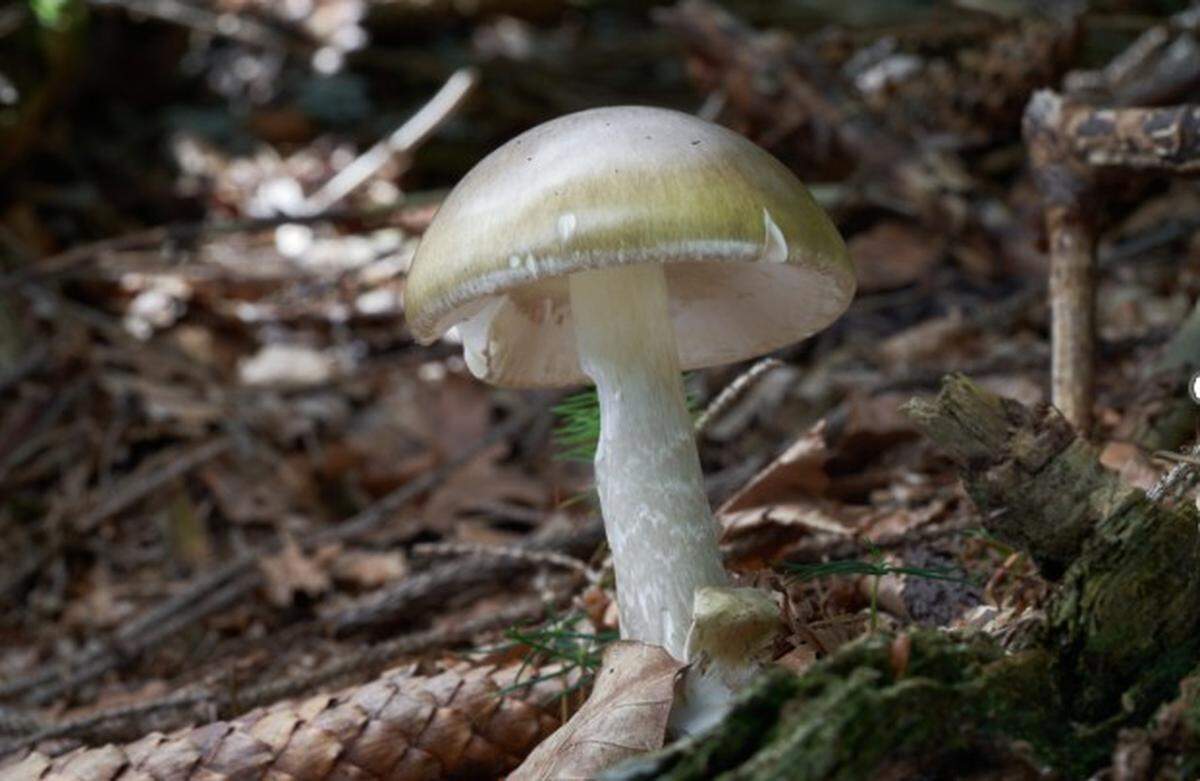
The death cap mushroom — scientifically called Amanita phalloides — is “especially dangerous” in California right now, local public health officials said.
Death cap mushrooms are easily mistaken for safe, edible varieties, since they share a similar appearance, the California Department of Public Health said.
“Toxic death cap mushrooms cannot be distinguished by taste from varieties that are safe to consume,” the agency said. “The toxins of most concern in death cap mushrooms, amatoxins, can affect humans and animals.”
The fungi are typically found around oak, pine and other hardwood trees around the state.
This year, a rainy fall caused “ideal conditions” for death cap mushrooms and a surge in growth, the release said.
Local public health officials urged residents to stop foraging wild mushrooms because accidentally eating poisonous mushrooms can result in a deadly error.
“They remain unsafe after cooking, boiling, drying, freezing ...” Borenstein said. “It’s safest to avoid eating wild mushrooms altogether.”
People should only ingest mushrooms from grocery stores and other reputable commercial sources, according to the release.
What are symptoms of mushroom poisoning?
According to the SLO County Public Health Department, these are the most common initial symptoms of mushroom poisoning within the first six to 24 hours after consumption:
- Watery diarrhea
- Nausea
- Vomiting
- Abdominal pain
- Dehydration
Symptoms can go away within a day, but this short-term improvement “can be deceptive, as patients may still develop serious to fatal liver damage” within two to three days after ingesting the fungi, the county said.
In California, confirmed cases of mushroom poisoning have “resulted in severe liver damage in both pediatric and adult patients,” the California Department of Public Health said in a Dec. 5 news release.
What to do if you eat a poisonous mushroom
SLO County public health officials urged residents to take these steps if you, someone you know or a pet has consumed toxic mushrooms:
- Immediately seek medical care
- Call the California Poison Control Hotline for guidance at 800-222-1222
- For pets, reach out to your veterinarian or call the ASPCA Animal Poison Control Center at 888-426-4435
This story was originally published December 12, 2025 at 2:23 PM.
CORRECTION: A previous version of the article had a photo depicting a different type of mushroom than the one currently poisoning Californians. The error has been corrected.