Witness to history: SLO County man recounts atomic bombing of Nagasaki in memoir
AI-generated summary reviewed by our newsroom.
- Hayawo Kiyama survived wartime Japan, witnessed Nagasaki blast and hunger.
- He trained in judo and jujitsu, earned high ranks and taught in Los Osos, California.
- He immigrated in 1960, built a landscaping career, opened a dojo and raised a family.
On a sunshiny, summer morning in 1945, a hungry boy and his widowed aunt were fishing for halibut and goby in their war-torn country when they saw something unusual, something scarier than the relentless bombing raids.
“She and I knew there was a chance we could be bombed or shot while fishing … but we were hungry,” Hayawo Kiyama of Los Osos said of his memories of never having enough to eat.
“All of a sudden, we saw lightning in the sky. It was not like any lightning either my aunt or I had ever seen. It was wide and thick but without sound, an unsettling and unnatural event,” he said through a translator for his book, “My Way, a Memoir of Hayawo Kiyama.”
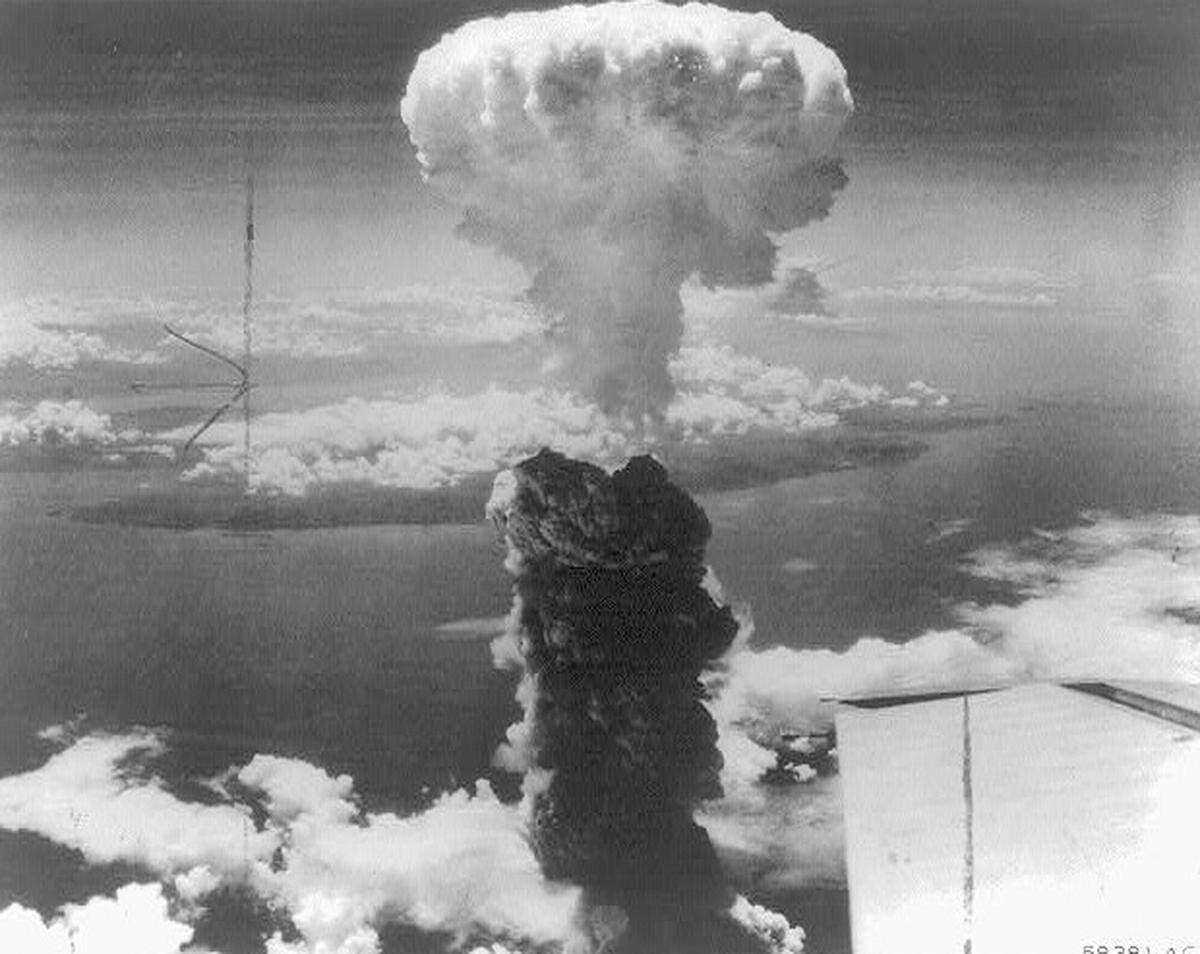
It was about 11 a.m. on Aug. 9, 1945, and what 8-year-old Hayawo and his aunt had witnessed about 100 miles away was the atomic bombing of Nagasaki.
“I did not know that what my aunt and I had seen had been the Nagasaki atomic bomb until the next day, when I listened to the radio,” and after, when the emperor confirmed the bombing, he said.
Nine days later, Japan surrendered, followed by a wave of suicides by proud Japanese unwilling to yield and lose face.
An 8-year-old’s view of the atomic bomb
In his memoir, Kiyama recounts what it was like witnessing the dropping of the second atomic bomb on Japan.
“We wondered why there was lightning when there were no clouds, but after two or three minutes, a huge cloud appeared,” Kiyama recalled.
“First the cloud went straight up and then it began to spread out, becoming thicker and thicker creating a peculiar shape,” Kiyama said, describing what is now the well-known shape of a mushroom cloud.
The plutonium implosion bomb, nicknamed “Fat Man,” had exploded at an altitude of 1,650 feet over Nagasaki.
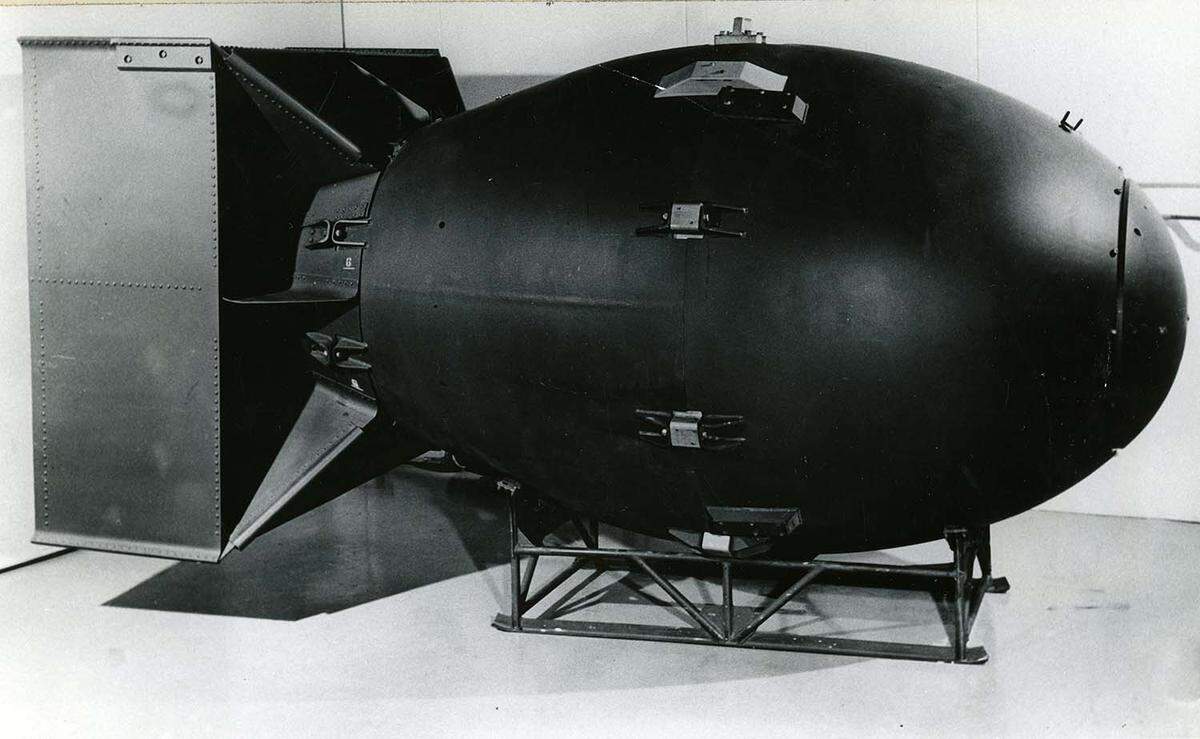
The yield of the explosion was later estimated at 21 kilotons, or 40 percent greater than that of the Hiroshima bomb three days earlier, according to a report on The Manhattan Project by the U.S. Department of Energy.
“We had seen lots of bombings and the subsequent smoke, and at night, we had seen what looked like falling fire from hundreds of B-29s,” Kiyama wrote in his memoir. “But my aunt said this was different from what we had witnessed before.”
When they got home, “the people we told wanted to confirm what we’d reported, but they were afraid to go outside because they were afraid they might be shot,” he said.
The bomb decimated the city.
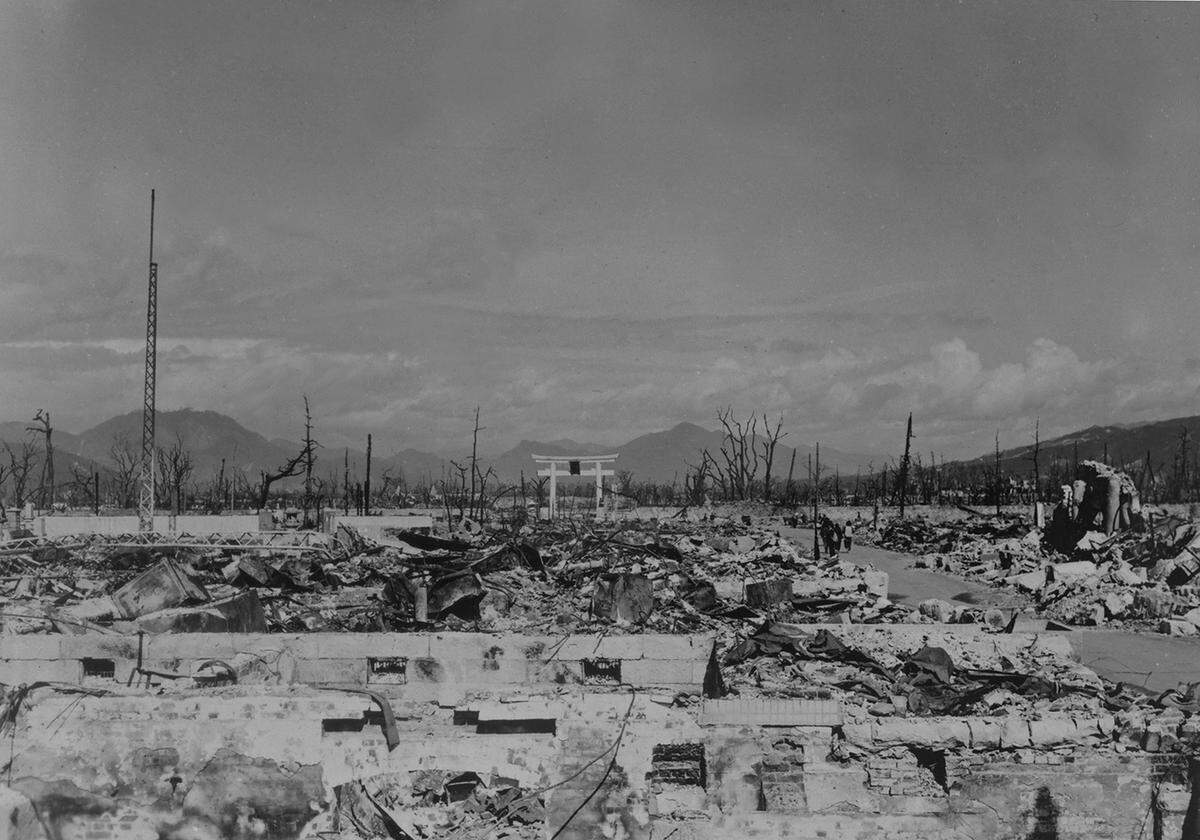
“Of the 52,000 homes in Nagasaki, 14,000 were destroyed and 5,400 more seriously damaged. Only 12 percent of the homes escaped unscathed,” the Department of Energy report said, noting that “it will never be known for certain how many people died as a result of the atomic attack on Nagasaki.”
“The best estimate is 40,000 people died initially, with 60,000 more injured. By January 1946, the number of deaths probably approached 70,000, with perhaps ultimately twice that number dead total within five years.”
At the time the bomb was dropped, about 200,000 people were estimated to have been in Nagasaki, since many had already died in bombing raids or attacks, or had fled the city.
Life for a Central Coast resident after an atomic bombing
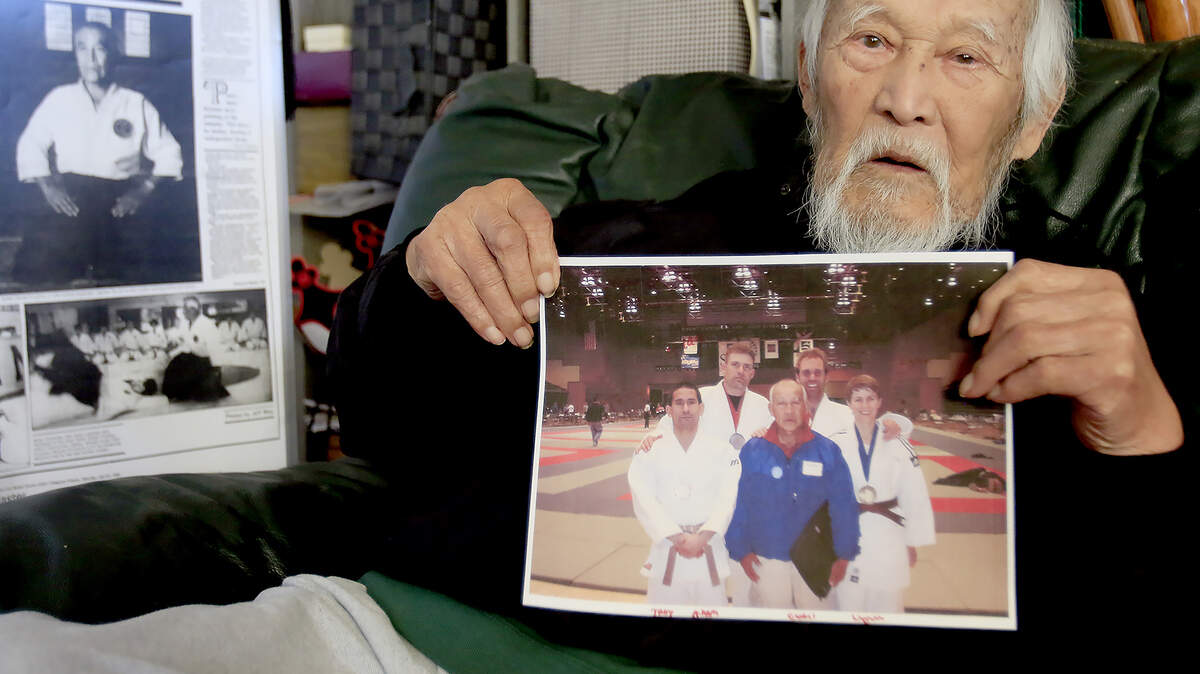
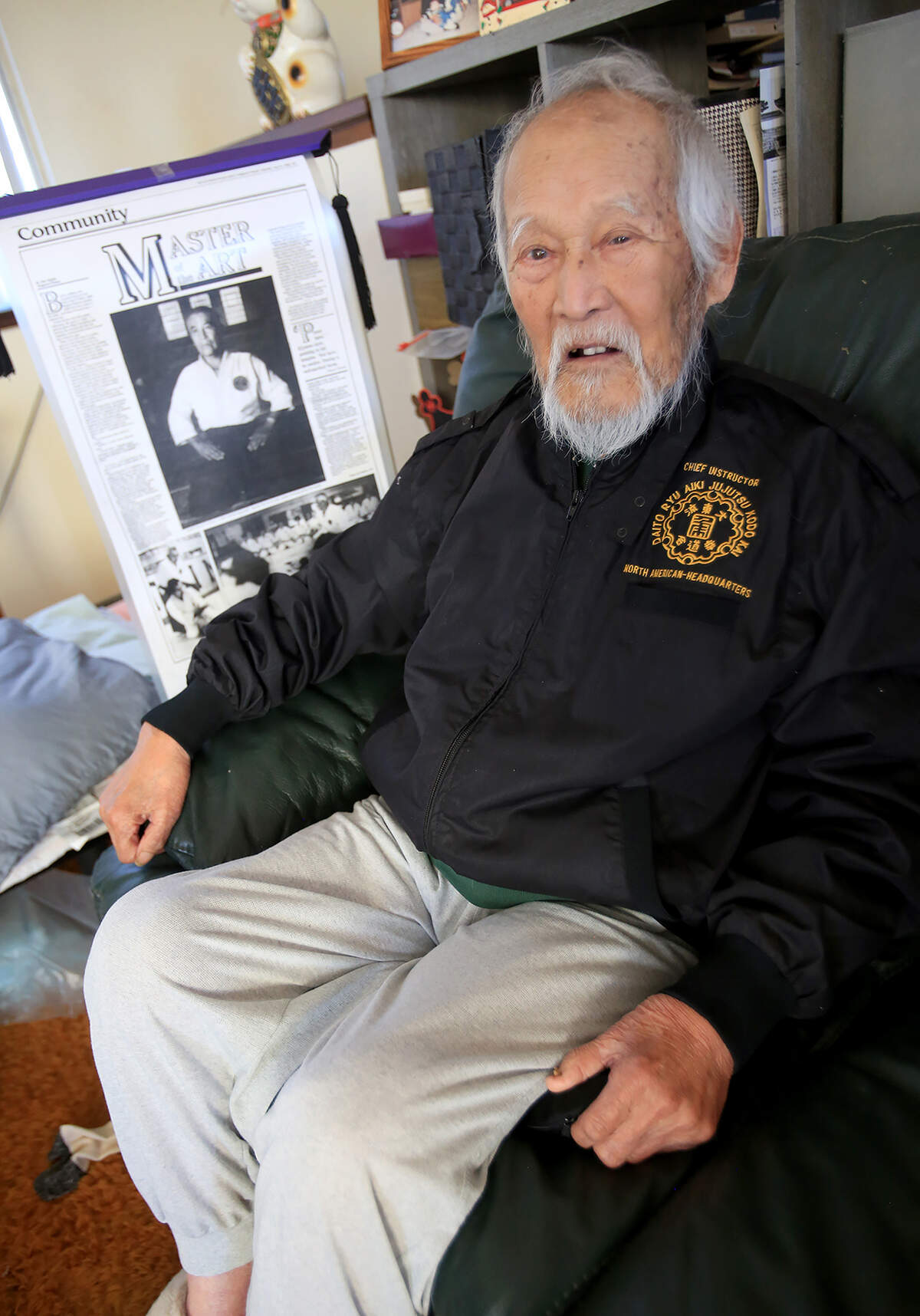
Kiyama, now 89, survived World War II, grew up in Japan, learned and excelled at martial arts, eventually immigrated to the U.S. and Arroyo Grande, married, had four children, opened his own aiki-jujitsu dojo (Coastal Judo Club,in Los Osos), and built a career as a landscaper and gardener for hotels and his own clients.
In his memoir, the sensei and his biographer/friend Christine Willis recount, through the interpreting by her husband, Goro Kato, the saga of Kiyama’s life of poverty transformed by war, bigotry, change and naturalized U.S. citizenship earned with years of hardship and hard work.
His upbringing was intensely harsh, with a fiercely authoritative father, loving but submissive mother, six siblings, little food to eat and lots of adult responsibilities at a young age because he was the eldest male child — he had an older half-sister.
While his life in California has been better with much joy later, a lot of it was also tough.
At 89, memories of wartime are still vivid for Kiyama
Kiyama’s primary recollections about growing up and coming of age in war-torn Japan are hunger, poverty, hard work and family.
Feeding a family was heart-wrenching.
Rice was the primary ingredient in their sparse meals, but there was little of it because “most of it was sent to the soldiers,” Kiyama recalled.
When his mother had to divvy up one piece of food between the seven children, he, as the eldest, often got nothing.
“The smaller the child, the more he or she got,” he said. “Most of the fights we children had at home revolved around food, in particular, the amount of food,” Kiyama said through his translator.
He described the incidents as “I got less than you” arguments.
Some of his memories, especially of the physical impacts of war, are horrific.
During earlier bombings, young nieces of his father who had been burned over 90% of their bodies could only whimper as they were being ministered to in a shed, suspended by ropes just above the floor and fanned to cool them.
Eventually, they were treated by a blind herbalist who never identified her successful treatments. Kiyama recalled that the girls recovered and lived long lives, with no evidence of their skin having been so badly charred.
On Aug. 15, 1945, soon after Emperor Hirohito announced his country’s unconditional surrender, Kiyama’s father was rushed to the scenes where two friends had just committed seppuku (ritualistic suicide through disembowelment), widely known by foreigners as hari-kari or “belly cutting.”
Brittanica.com describes it as “the honourable method of taking one’s own life practiced by men of the samurai (military) class in feudal Japan,” and a warrior code’s “effective way to demonstrate the courage, self-control and strong resolve of the samurai and to prove sincerity of purpose.”
Kiyama saw the nightmarish results of their slowly fatal wounds, but at first, didn’t understand what had happened until he saw vivid images of exactly what they’d done.
Later, Kiyama learned that, about a month before the end of the war, his mother suspected it might be coming and buried her proud husband’s sword.
A poor academic student, Kiyama excelled at athletics and martial arts, especially judo, but also practiced sumo and jujitsu. The latter was a more stringent, painful training regime, he said.
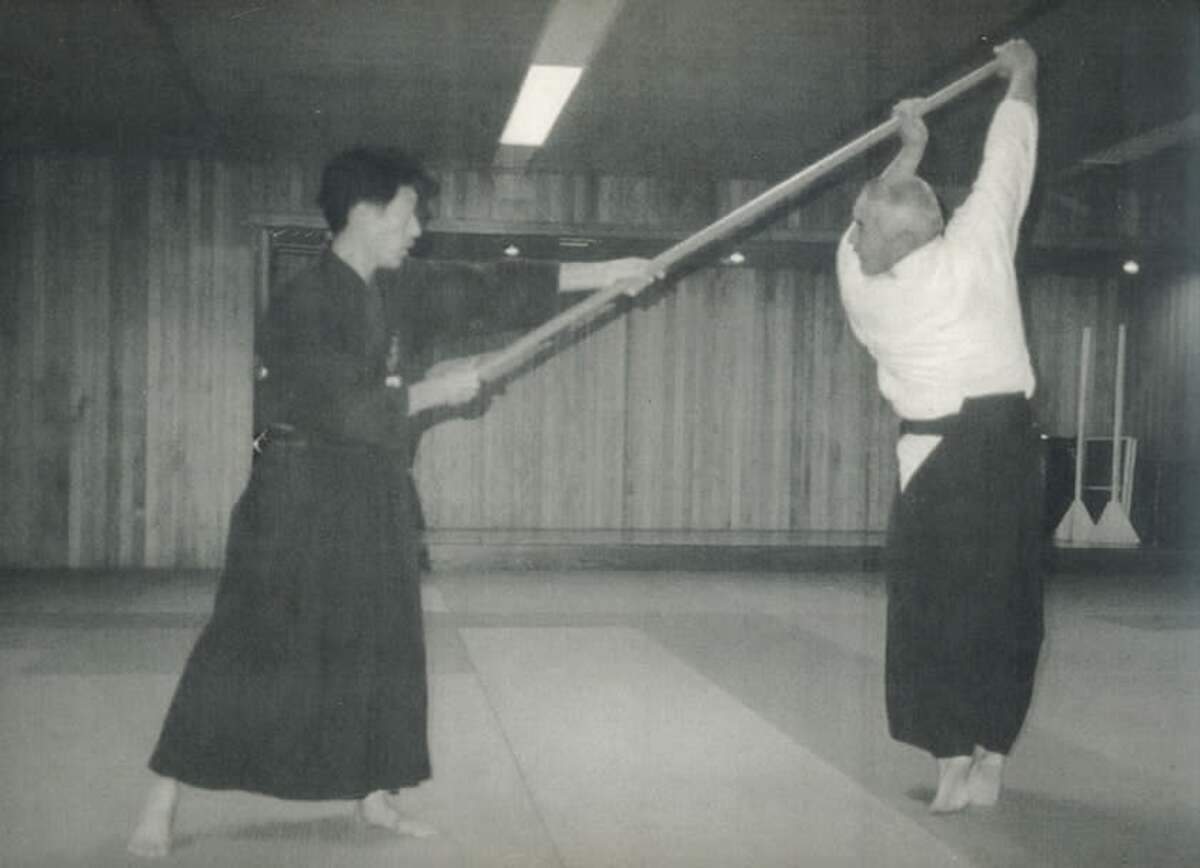
Attending dojo classes three hours a night, five or six nights a week, he earned his first black belt at the age of 17, eventually rising to fifth-degree rank.
In Japan at that time, Kiyama said, “a black-belt rank in judo was considered a serious weapon, comparable to owning a gun.”
Work became Kiyama’s life
The young man wrote of working at an early age, delivering bags of rice on a bicycle. Later, as the eldest son, he shouldered the responsibility to pay off his father’s debt, incurred during a failed business deal and subsequent stroke. That obligation would shape the rest of Kiyama’s life.
On Aug. 30, 1960, six days short of his 24th birthday, Kiyama left his family and childhood sweetheart Cheiko behind when he and others recruited by a newspaper ad to work on California farms flew to the U.S. They landed first in Hawaii, then the next day in Seattle, then Fresno.
He and 45 others traveled by bus to Delano to begin their farm labor jobs. While the hours were long, the work hard and homesickness rampant, Kiyama was doing what he knew he needed to do.
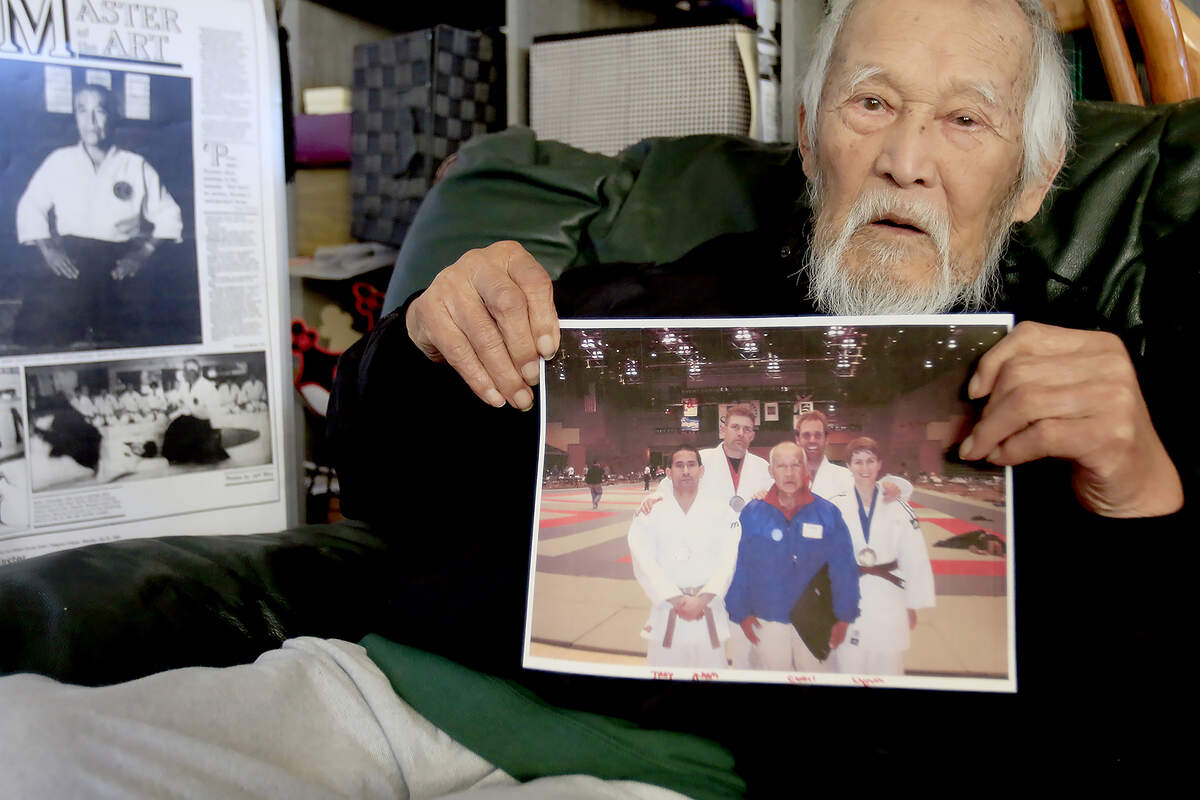
On Oct. 14, 1963, he transferred to Arroyo Grande to work just as hard on the Eto family’s farm.
One bright note there was his welcoming dinner at the Eto home, where the three guests were offered sashimi. In Japan, he said, people could only afford that delicacy for special occasions, such as weddings.
Throughout his time at the Eto farm, “I was eager to work because I had a clear goal, to pay my father’s debt,” he said.
For once, however, “I could eat as much as I wanted: fruit, milk and meat,” he said. “After the war and before I left Japan, there was a shortage of protein ... an egg was precious food.”
Other glimpses of what was ahead, he said, were occasionally being taken into town and eating at places like Mee Heng Low.
“My hope for a fancier life was renewed,” Kiyama said.
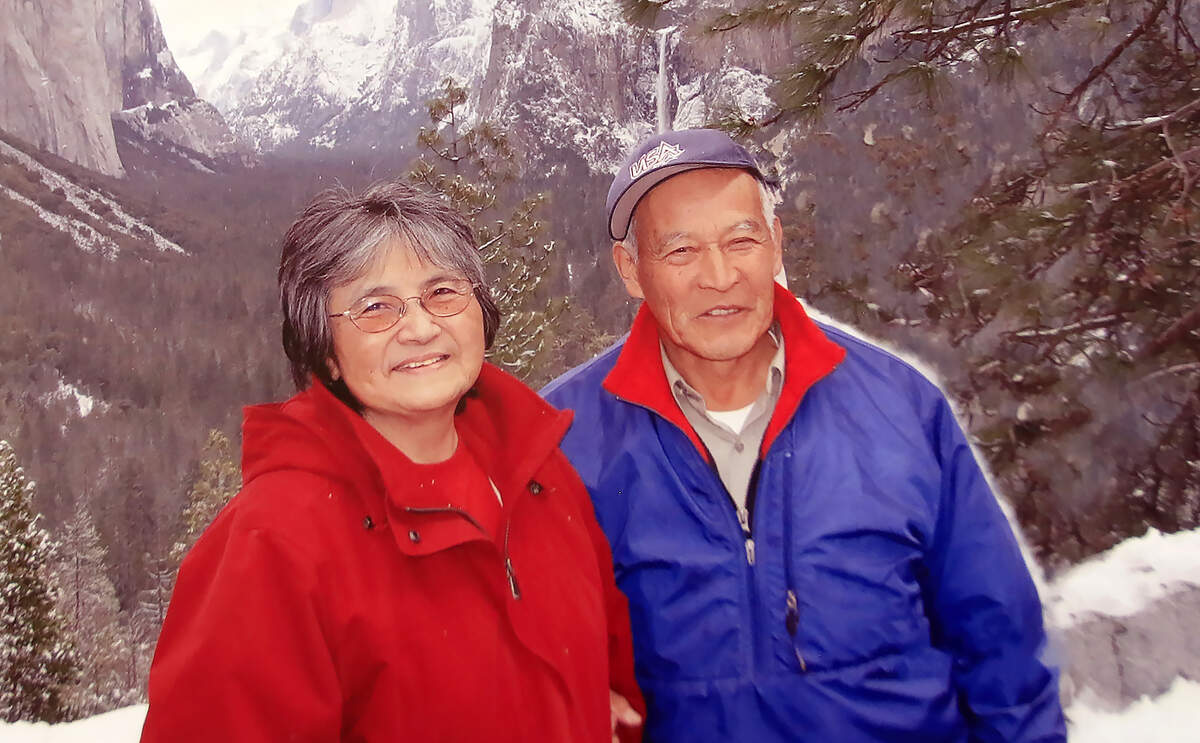
It would be years before that happened, though, years in which he met Faith, a U.S. citizen. They married, had children, rented a rather ramshackle residence in Los Osos, and he worked long days, eventually earning $5 or $6 an hour to support them all.
Seeking to better their lives, he switched from farming to gardening, then landscaping.
Faith Kiyama went into real estate and earned her broker’s license.
With her steadfast support, their lives improved, occasionally with a little subterfuge. Acting as his translator, she even helped him on licensing tests, sometimes filling in answers to questions her non-English-speaking husband couldn’t understand.
With her help, he became a U.S. citizen in 1979.
The Kiyamas bought and restored a home in Los Osos. About 20 years later, they paid off the mortgage. Life wasn’t fancy, but gradually, it was improving.
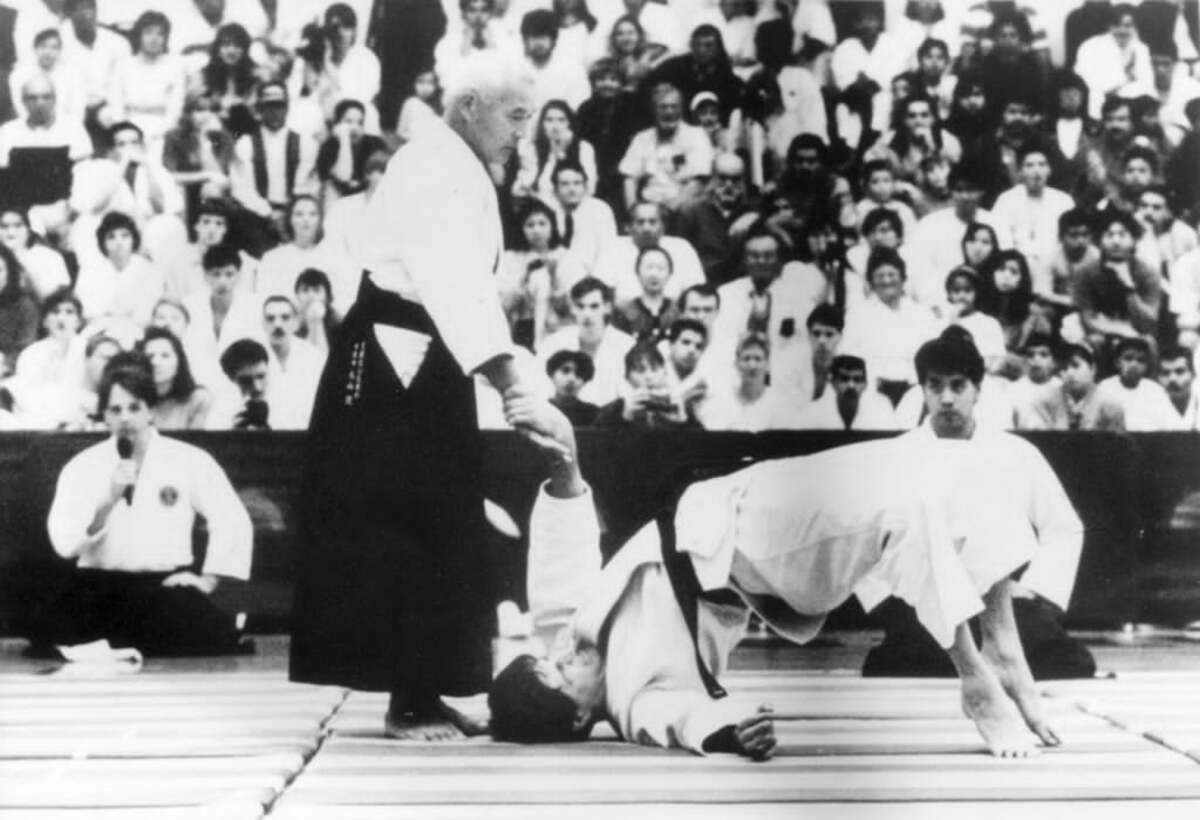
Kiyama also opened his Los Osos dojo and became a respected sensei and instructor of Daito Ryu Aiki-Jujitsu, teaching others the martial arts that had given him the strength to do what he needed to do in a difficult life.
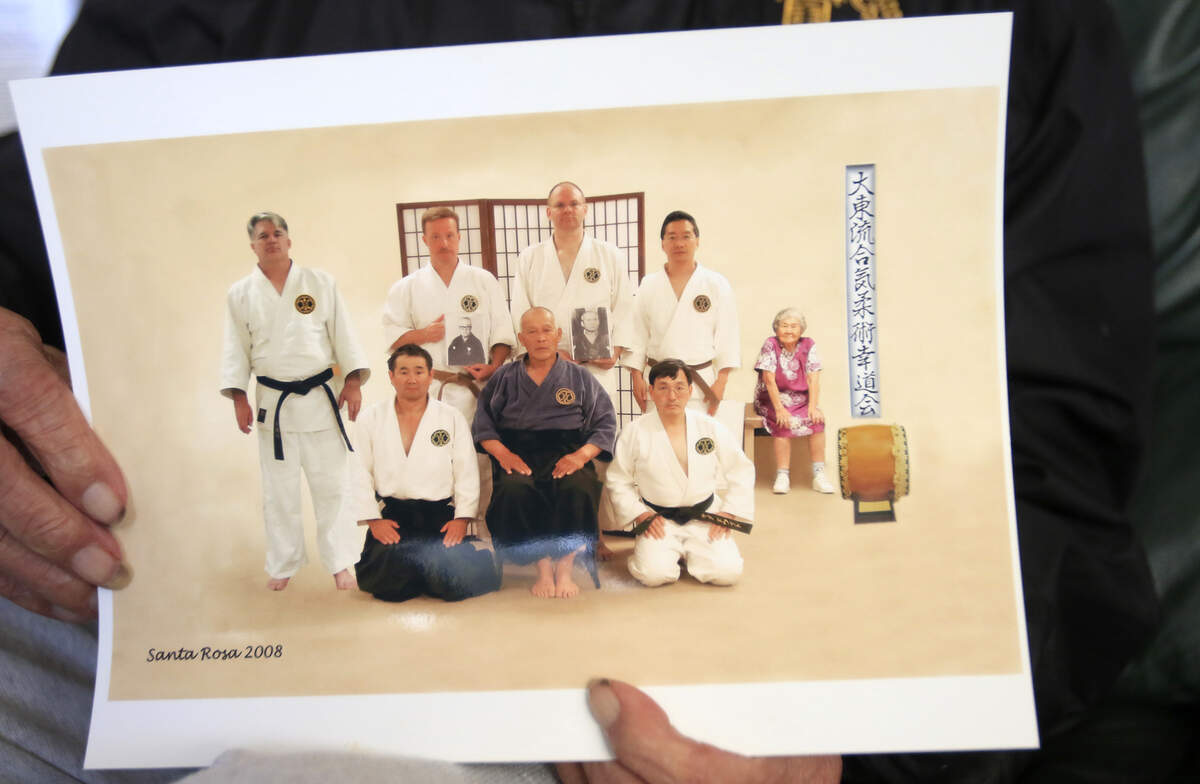
According to a Facebook greeting posted by a San Luis Obispo dojo for Kiyama’s birthday last year, during his teaching years, he “trained countless students, including two young women who went on to become Junior National Judo Champions. His influence extended far beyond the dojo: he taught individuals in high-ranking positions within the U.S. military and law enforcement agencies, who sought his knowledge of aiki for its precision, control, and discipline.”
The sensei has an upbeat look back
At the end of the book, Kiyama said, “As a child during wartime, I had one goal: to eat.”
“I have lived my life the way I have because I was living under a specific set of circumstances. I had no choice,” he said.
As his life in the U.S. progressed, Kiyama learned “great joy that I didn’t hope for or expect awaited me. Today, each day is filled with pleasure, and I have concluded that, thanks to poverty, I could reach the level of happiness I have today.”
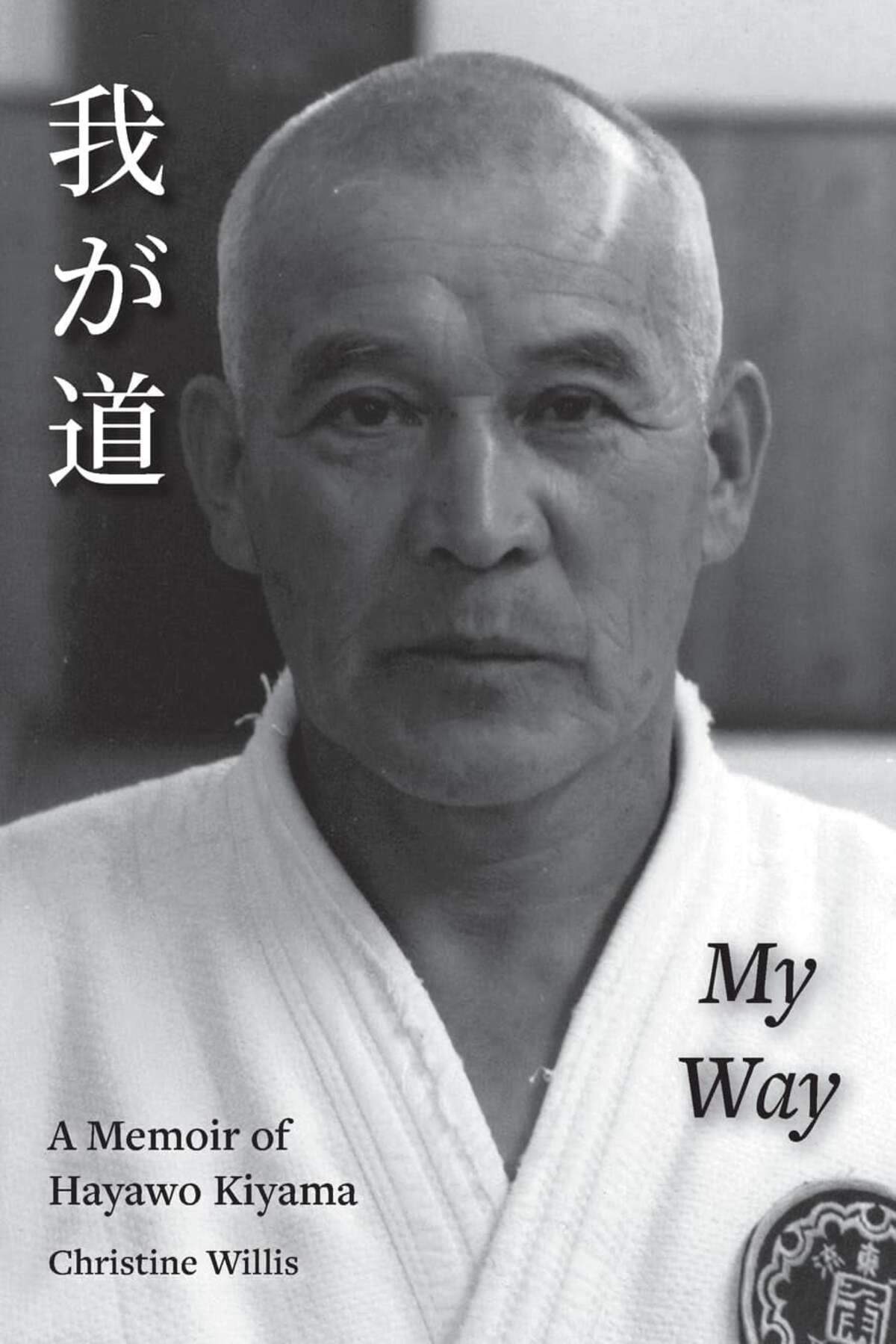
His 179-page, in-depth memoir is available for $24.95 at Barnes and Noble and Amazon.