Appeal of multi-story Grover Beach development fails. ‘People are getting angry’
What started as an appeal of a new multi-story development in Grover Beach quickly became a referendum on what shape development should take in the small San Luis Obispo County beach town.
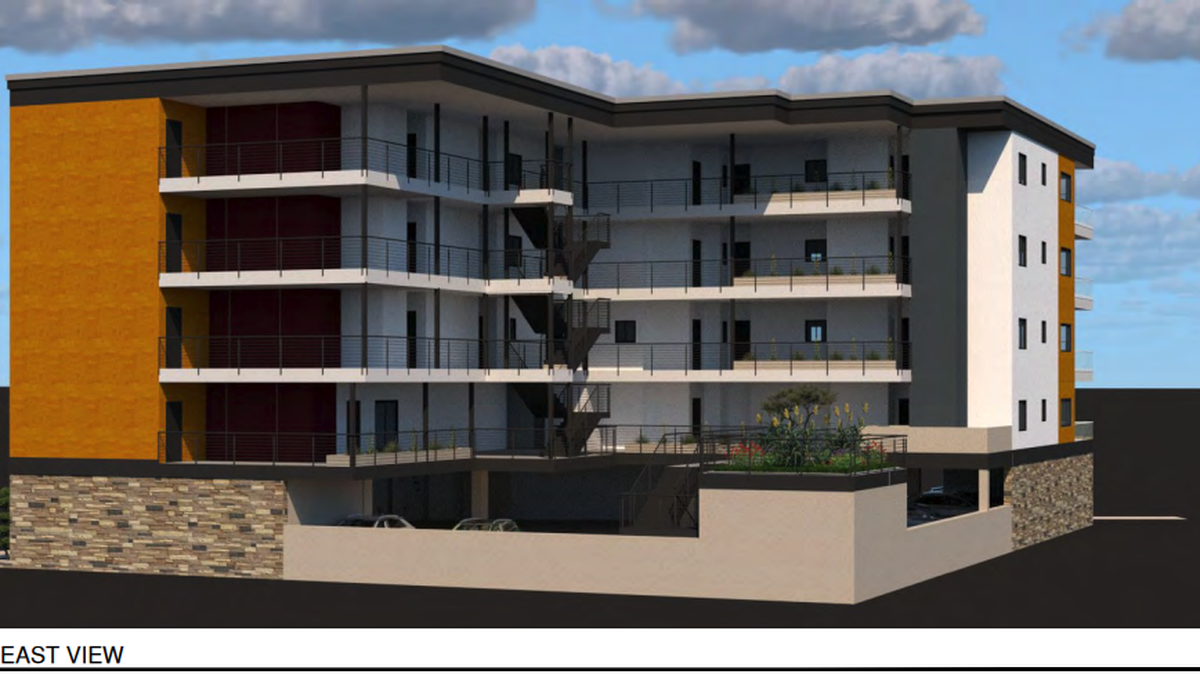
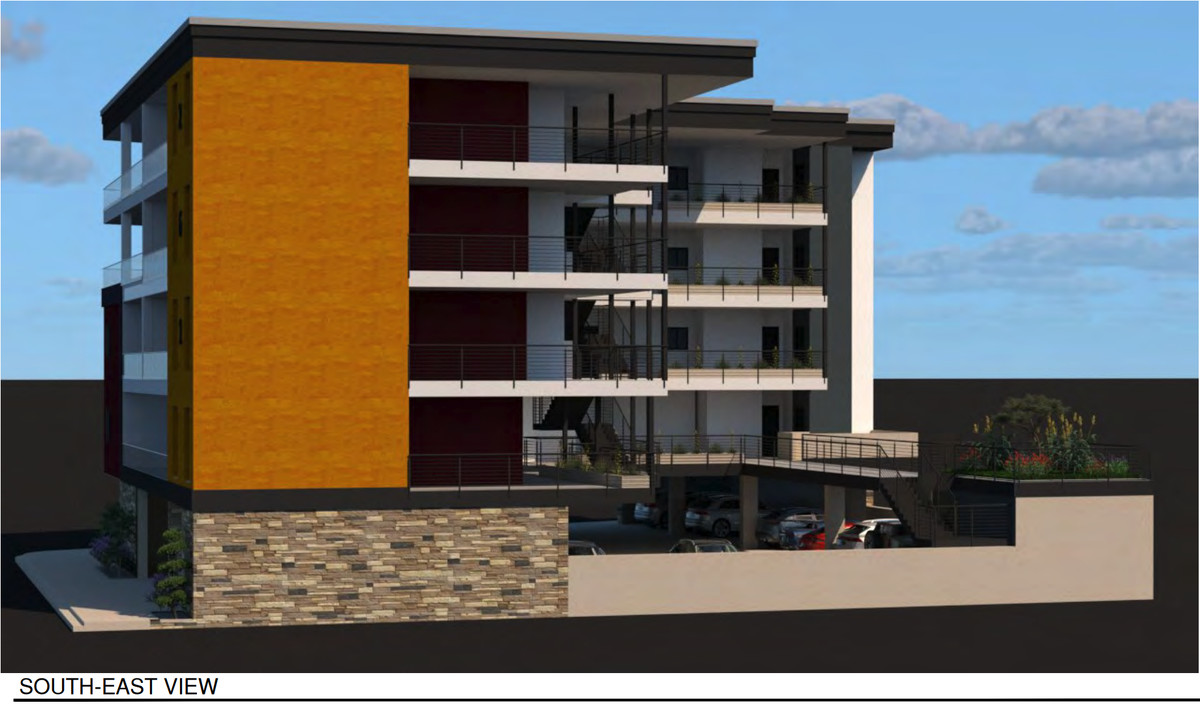
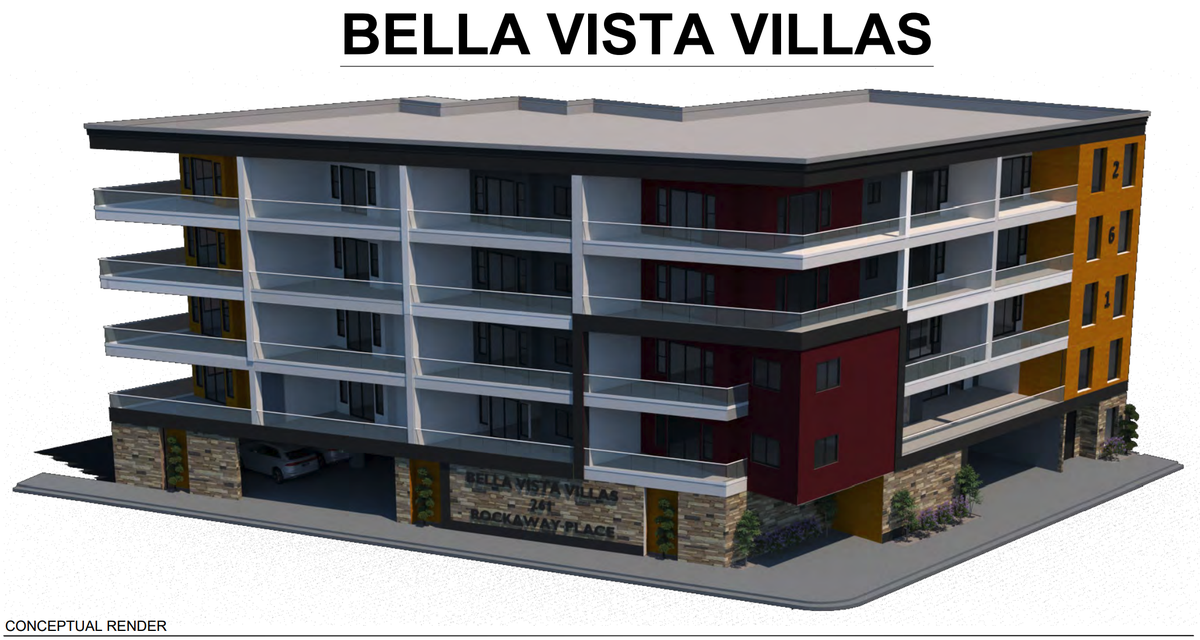
On Tuesday, the Grover Beach City Council heard an appeal of a 55-foot-tall multi-story building planned a block off of West Grand Avenue, one of several multi-story developments that are becoming more and more common along the city’s downtown strip.
The appeal, launched by former Mayor Debbie Peterson and resident Jose Najarro, contends that the Bella Vista Villas development by Empire Development and Construction planned for 261 Rockaway Ave. violates several of the city’s development standards and detracts from the city’s look and feel — an argument that’s been leveled at several large mixed-use developments that have started construction in the area in recent years.
But after a meeting packed with residents vocally speaking against the project and its ilk, the City Council ultimately voted 4-0 to deny the appeal and allow the project to proceed, with Councilmember Clint Weirick abstaining from casting a vote.
Peterson, who owns a property adjacent to the project site, said she observed discrepancies in the project’s fit with the city’s Local Coastal Program and development code that left her “at a loss for words.”
Preserving the city’s views of the ocean is “part of what we deserve, but it’s our right as Californians, or even Americans, to have this view,” Peterson said. “It says that there will be no consecutive issues as a result, but every time you build a building — and the LCP says this, of two stories — (the LCP) says it obstructs views, but this is five.”
Appeal alleges multiple building code violations
As planned, the 20-condo mixed-use building would include a pair of affordable units and 900 square feet of commercial space on its second floor on a 0.24-acre undeveloped lot.
By including the affordable units, the project was able to use a state Density Bonus Program to pack 46.25% more units on the parcel than would usually be allowed.
Qualifying for the state Density Bonus Program also allowed the project to request a waiver of the city’s building transparency development standard, which requires 40% of the ground floor to be made up of transparent facades, according to the staff report.
That increase in units pushed the building’s skyline upward, with the building expected to stand 54 feet and 3 inches high. Standing at five stories tall, including the parking and commercial space on the second floor, the building comes in just under the city’s 55-foot height limit.
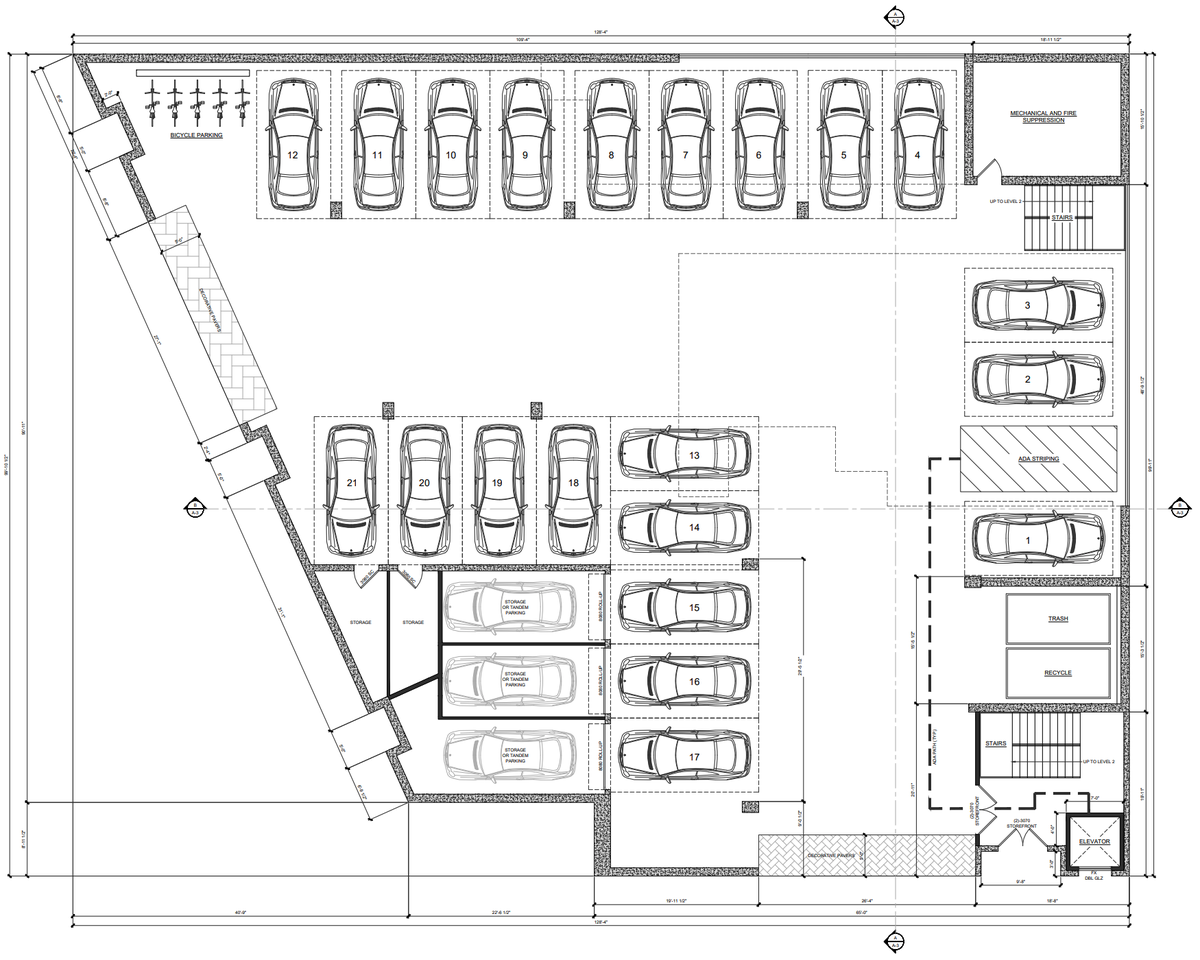
On the ground floor, 24 parking spaces will be included for the building’s residents, while the commercial space is likely to be occupied by a gym, but could be occupied by any business that fits the space, according to the staff report.
The placement and viability of the commercial space was one of several points of contention raised by the appellants, who said its placement on the second story above the parking garage and projected use as a gym did not align with a visitor-serving commercial use.
Peterson said aspects of the project such as its height will impact ocean views that are supposed to be protected under the city’s Local Coastal Program, and that its design was inconsistent with the West Grand Avenue Master Plan and the 2004 community visioning project.
The appellants said the project’s height, location and uses would be “materially injurious” to surrounding real property and residents, potentially leading to health, safety and welfare hazards.
Are the city’s hands tied by state requirements?
In the city’s response to the appeal, community development director Megan Martin said the project should not be denied because it does not violate state law, local building codes or the provisions of the California Coastal Commission.
Some of the project’s features that were most often criticized by public commenters are simply the result of California’s changing approach to housing; the density bonus waivers on height and the ground floor’s transparency stem from changes in state housing policy in the past few years, and can’t be overridden, Martin said.
On the issue of the commercial visitor-serving business’ location on the second floor and expected use as a gym, Peterson repeatedly said that the gym use was not truly visitor-serving, and that its spot on the second floor violated the Land Use Element of the city’s General Plan.
Martin countered that gyms do count as a visitor-serving use, and that the key word in the Land Use Element was “promotes.” The Land Use Element instructs the city to promote commercial uses on the ground floor of mixed-use developments, but it’s not a requirement, and locating the commercial use above the ground floor doesn’t invalidate the mixed-use nature of the project or cause any issue with the element, Martin said.
The project also doesn’t violate the West Grand Avenue Master Plan or 2004 community visioning project because those plans were conceptual, not regulatory, Martin said.
Martin also said a staff review found that the project site was not considered a sensitive habitat under the city’s Local Coastal Plan, and doesn’t interfere with visual resource corridors or visual character of the area as identified by the Coastal Act.
According to Coastal Commission staff, the project is not appealable to the Coastal Commission for these reasons, Martin said.
Residents furious with changing development goals
Virtually every person who spoke during public comment spoke against the project, with only a handful of exceptions, requiring Mayor Kassi Dee to ask the public for quiet during public comment on multiple occasions.
Many attendees took issue with the project’s aesthetics, fit with the city and potential environmental impacts. Several residents, including Peterson, said the city staff failed to provide adequate transparency when dealing with the appellants’ claims, including reported delays in responding to Public Records Act requests, though city staff later contested that their responses were well within the required 10-day window to respond to requests.
Councilmember Kathy McCorry-Driscoll said the city should look at its height and development standards going forward, but because it doesn’t violate the city’s development standards or state laws, the council had no choice but to approve the project or invite potential litigation.
That sentiment was echoed by other councilmembers, but did little to dissuade the crowd’s anger with the project and others like it.
“People are beginning to feel as though this hasn’t been done for them, it’s being done to them, and what you have is an initial shock at the scale and design and inappropriate architectural aspects for a small beach community,” resident Mike Wilson said during public comment. “People are getting angry.”
This story was originally published November 12, 2025 at 5:00 AM.