‘Camp life is a grind.’ Inside the mini city serving Gifford Fire first responders
AI-generated summary reviewed by our newsroom.
- Cal Fire and U.S. Forest Service built a 1,000-person fire camp in 48 hours.
- The camp provides meals, showers, medical aid and rest for 2,000 responders.
- Support teams deliver food, water and supplies as crews battle the Gifford Fire.
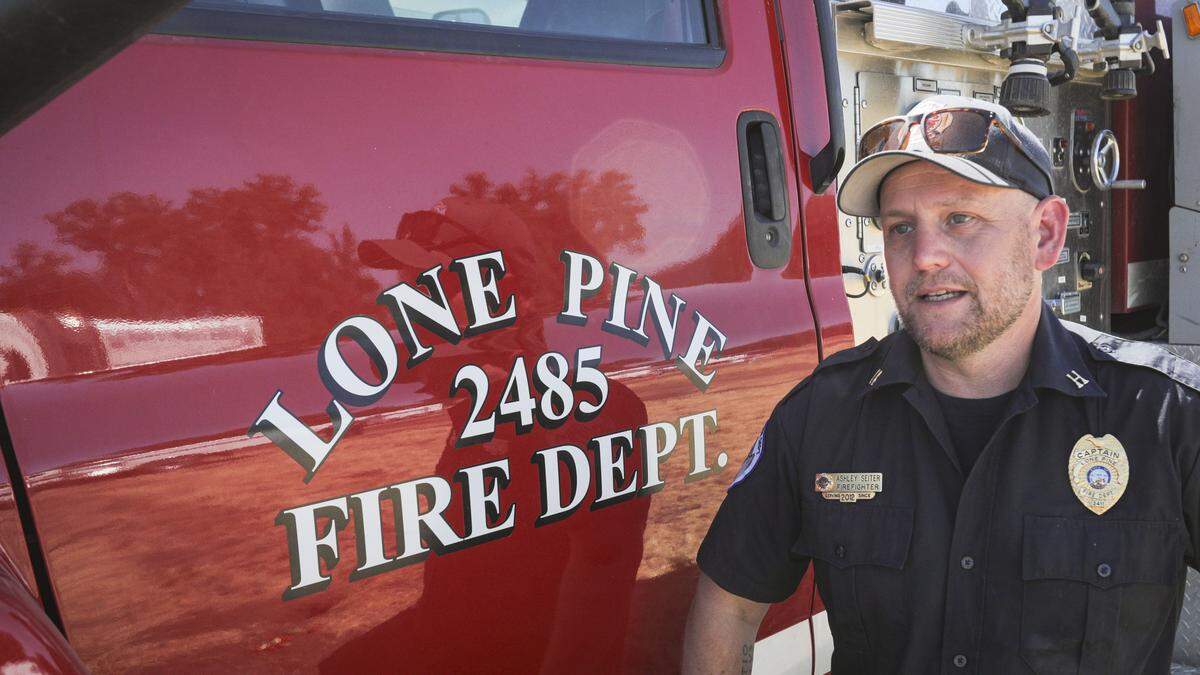
After a 24-hour shift fighting the Gifford Fire, a crew from the Lone Pine Fire Department kicked up dust as they drove their water tender into a fire camp assembled at Santa Margarita Ranch.
The crew was stationed on the northern end of the almost 100,000-acre wildfire burning in the rugged backcountry of the Los Padres National Forest. To the sunburnt, smoke-tinged crew, the fire camp was a sight for sore eyes.
“It’s a big morale boost for the crews to come into a nice, clean camp,” Fire Capt. Ash Seiter said. “It’s a game-changer for us.”
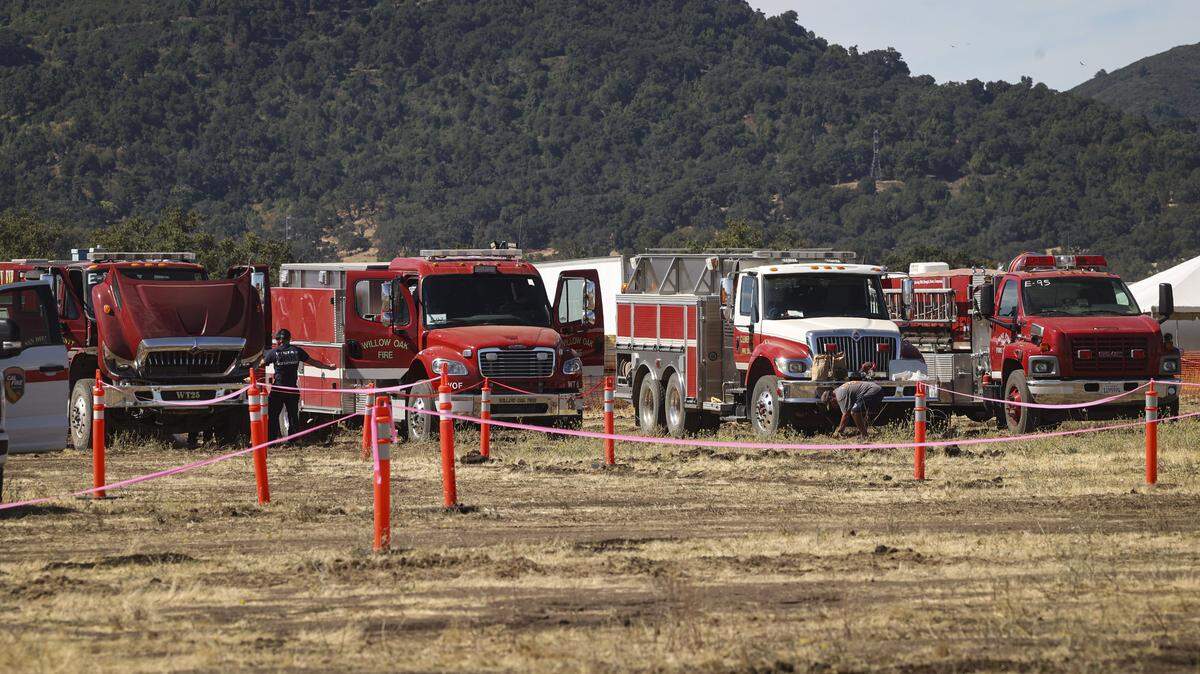
Cal Fire and the U.S. Forest Service built the 1,000-person fire camp at Santa Margarita Ranch within 48 hours to support firefighters battling the Gifford Fire.
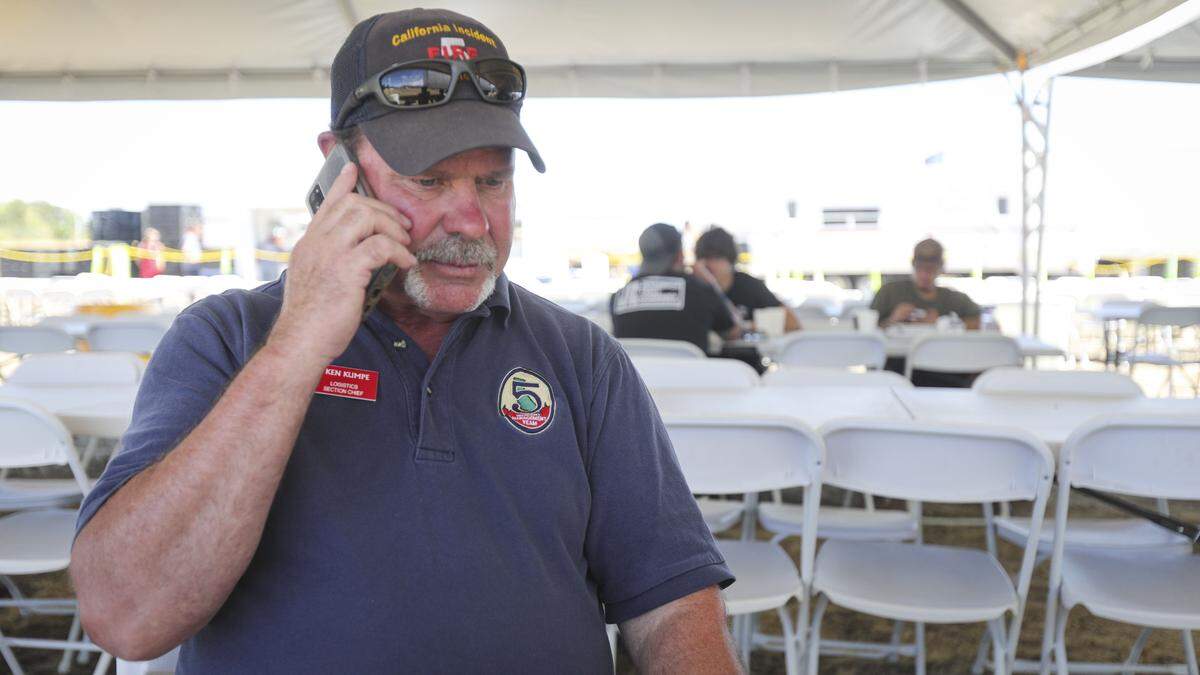
“The basic mission is taking care of our firefighters,” Incident Management Team 5 Logistics Section Chief Ken Kumpe said.
The camp offers hot meals, showers, laundry service, supplies, medical care, sleeping trailers and tents to first responders.
The Santa Margarita Fire Camp supplemented the Santa Maria Fire Camp, which was about a 3-hour drive through rugged terrain to the fire line, Kumpe said. Santa Margarita is slightly closer to the northern end of the fire.
Fire crews from across the nation traveled to San Luis Obispo County to fight the Gifford Fire. Not only did the camp house fire trucks from California fire departments, there were also crews from Washington, Arizona, Arkansas and even Pennsylvania.
When Seiter’s crew returned from the fire line, they re-fueled and cleaned the water tanker, then dispersed for showers and breakfast before settling down to rest in the sleep trailers.
“When you have that day off, it’s really important that everybody gets a lot of rest,” Seiter said.
Life at the fire camp
On Wednesday morning, the camp served chicken-fried steak with eggs and biscuits while country music played from speakers in the dining tent. Firefighters could also help themselves to a buffet of fresh fruit, yogurt, cereal and Pete’s Coffee.
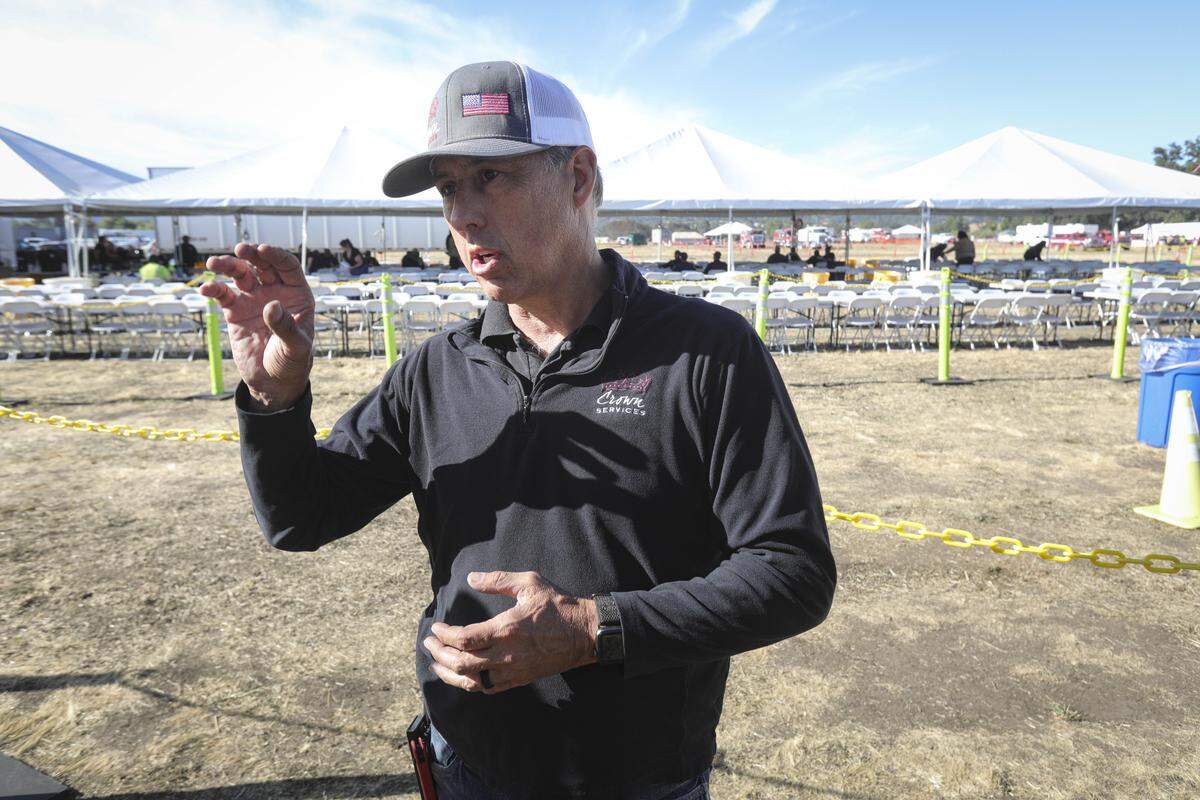
Santa Cruz-based company Crown Services organized and served the meals at the camp.
“We’re going to provide them a comforting meal and a place to sit down,” Crown Services owner Ron Clements Jr. said. “If their troops don’t have the things that they need, morale goes down.”
Breakfast is served every day from 5 to 11 a.m. and dinner from 5 to 11 p.m. The camp also offers a brown bag lunch in the afternoon.
Clements was in Mississippi on Monday at noon when Cal Fire asked him to serve the camp. He immediately booked a flight back to California, and by 7 a.m. on Tuesday, he was driving to San Luis Obispo County to set up shop.
Clements’ company feeds emergency responders for all kinds of natural disasters, including fires, floods and earthquakes, so he’s constantly watching the weather to predict where he may be needed next.
“You have to be prepared, just like the fire department has to be prepared,” Clements said.
He travels with a permanent staff of eight to 15 people, then hires 15 to 40 local temporary workers on site depending on the size of the camp. His suppliers deliver food daily, so his team can whip up quality, fresh meals in the kitchen.
After contracting with Cal Fire for multiple years, he considers firefighters his extended family, “and we like to show that in our food,” he said.
Clements has a pre-set menu that rotates based on camp preferences. People tend to enjoy BBQ night, which features tri-tip, pasta primavera, salad and garlic bread. Each dinner also includes a dessert, which could be anything from ice cream to pie.
Clements aims to create a comfortable, friendly atmosphere where the firefighters can relax after long, difficult shifts.
“We want them to be able to shut down, turn off what they went through,” he said.
Meanwhile, his setup is flexible so he can scale up operations quickly if the camp expands. On Wednesday, he set up to feed 1,500 people, but he’s prepared to expand to serve 3,000 people, he said.
The fire camp must also adapt to the needs of the firefighters on the line. At first, Incident Management Team 5 expected to build a camp for 300 to 500 firefighters. But by Wednesday morning, almost 2,000 firefighters were expected at the camp, Kumpe said.
It takes a village to coordinate supplies, transportation and communication for such a large team, Kumpe said. The camp sends supplies like hose line, fuel and water to the fire line whenever requested, he said.
“We are building and monitoring a city just for the responders,” he said.
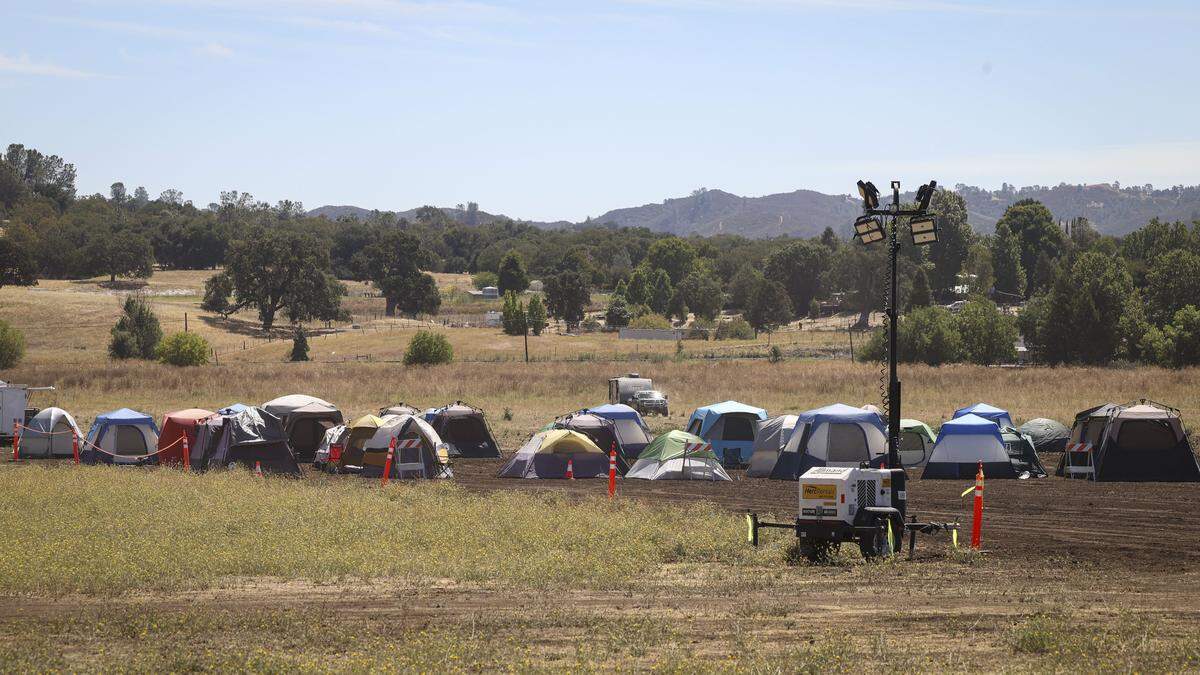
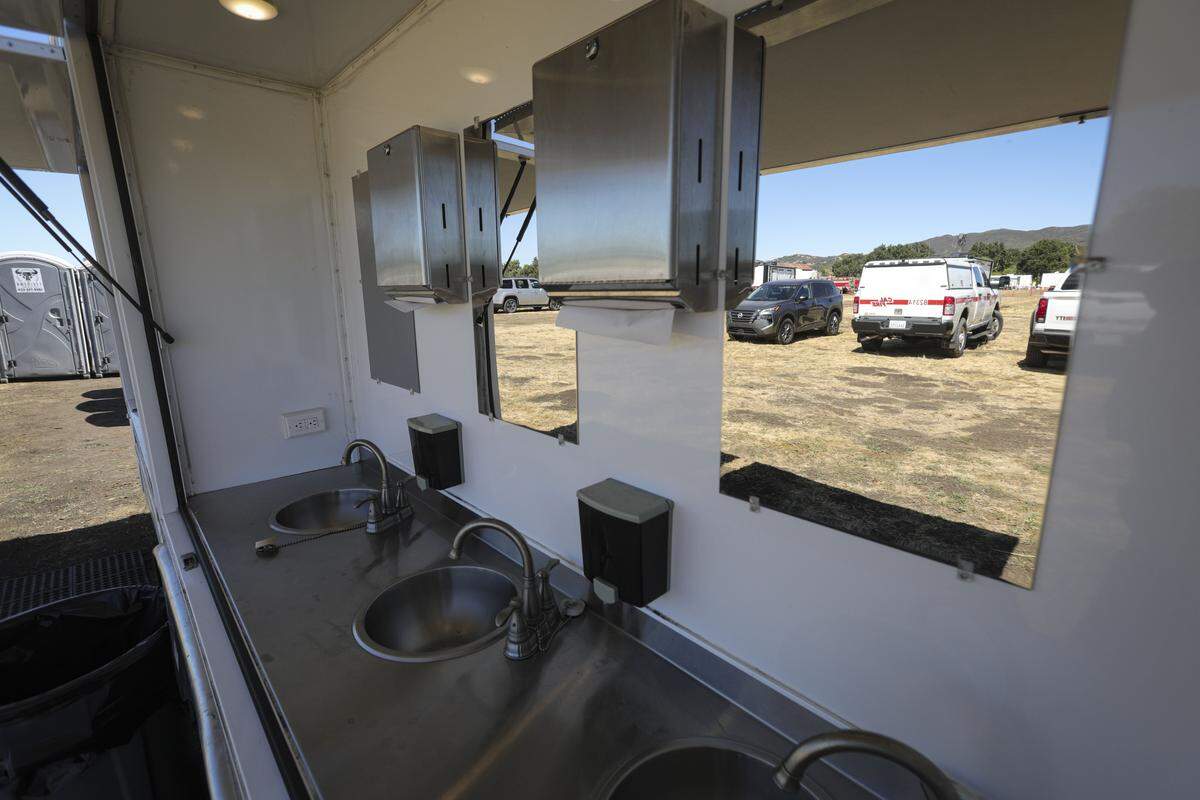
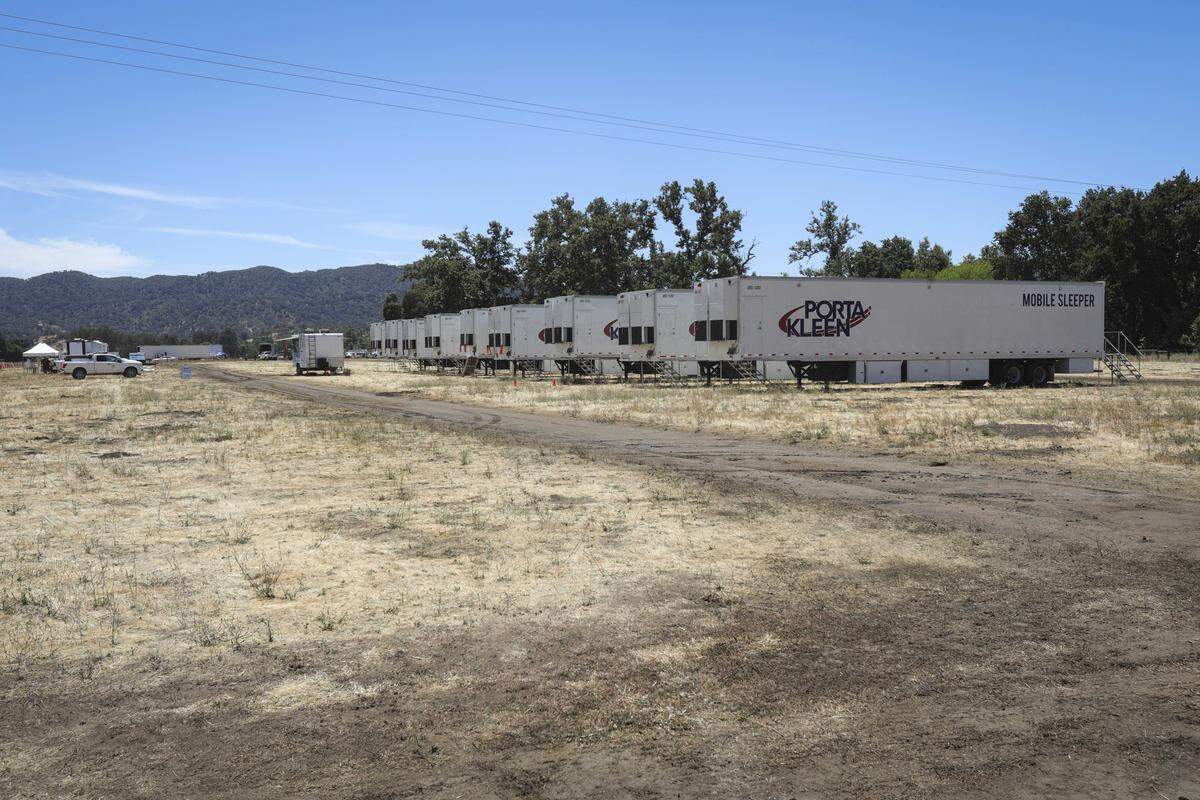
Along with meals, the fire camp includes bathrooms, showers, sinks with mirrors for shaving and a laundry service, Incident Management Team 5 spokesperson Rich Eagan said. There are places for firefighters to pitch tents, or they can rest in one of the nine air-conditioned sleep trailers on a first-come, first-served basis.
Each trailer includes 42 beds, stacked three bunks high.
“It’s like sleeping in a coffin,” Eagan said, but it’s hard to beat the air conditioning — set at a comfortable 68 degrees.
“Camp life is a grind,” he said. “The more amenities you have, the better.”
The camp runs like a well-oiled machine to adapt to the ever-changing conditions of the fire. Its ultimate goal is to offer a safe, comfortable place for firefighters to rest so they can effectively battle the fire.
“We want to protect the citizens,” Eagan said. “We view their homes as our homes, and we want to protect them just as much.”
This story was originally published August 9, 2025 at 5:00 AM.