Gifford Fire is scorching SLO County. Here’s how to prepare for wildfires
AI-generated summary reviewed by our newsroom.
- The Gifford Fire has burned nearly 100,000 acres, triggering more evacuations.
- Cal Fire urges residents to prepare emergency kits and follow evacuation orders.
- Wildfire smoke has worsened air quality across SLO County, prompting health alerts.
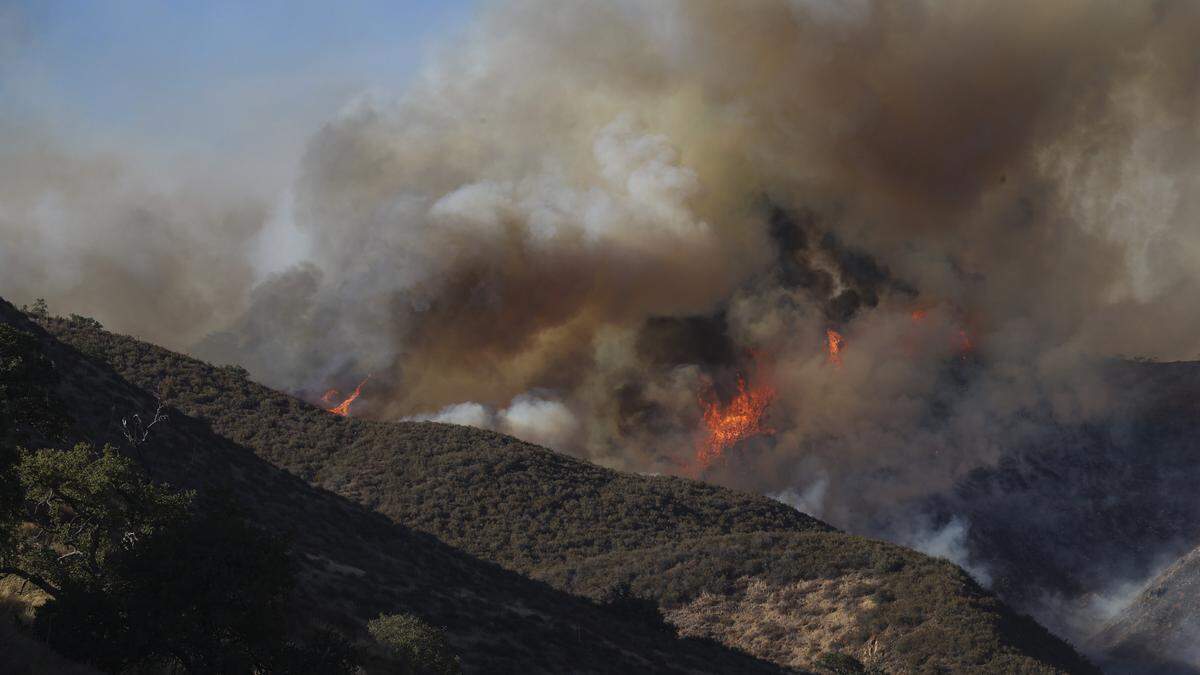
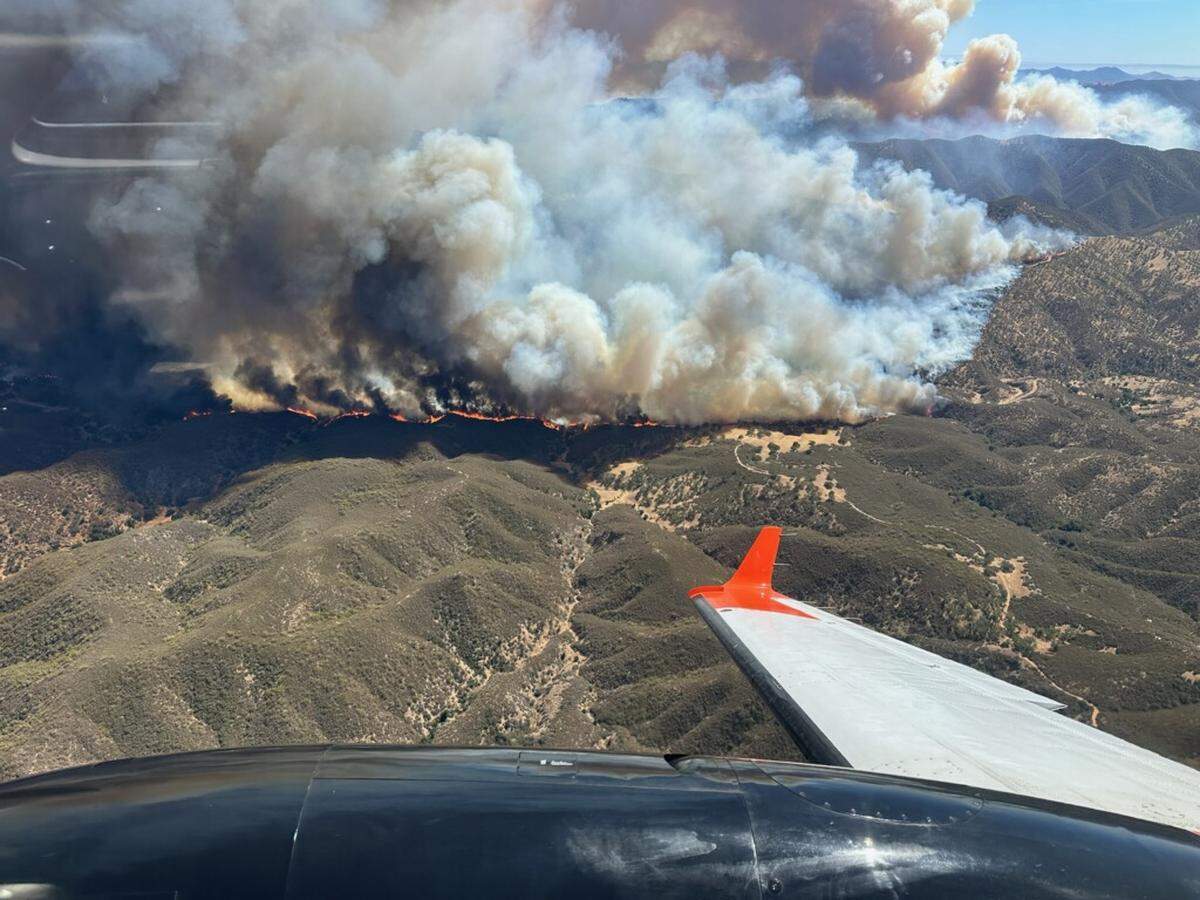
The Gifford Fire, burning in rural San Luis Obispo and Santa Barbara counties, continued to grow Thursday, charring nearly 100,000 acres and forcing more evacuation orders.
Now California’s largest wildfire of the year, the blaze first sparked from multiple fires northeast of Santa Maria along Highway 166 on Friday, Aug. 1, quickly igniting both sides of the corridor.
The fast-moving fire spread northwest Thursday afternoon, quickly moving along Pine Ridge toward the Garcia Wilderness, the Los Padres National Forest Service posted in an update on X.
As of Friday morning, the sprawling blaze had blackened a total of 99,232 acres with containment at 15%, according to InciWeb.
Nearly 2,000 structures were threatened and 30 zones were under evacuation orders in SLO County, the forest service and Cal Fire said.
Here are tips on how to stay safe:
Where are evacuation orders on the Central Coast?
Evacuation orders were issued for zones in San Luis Obispo and Santa Barbara counties, according to the California Department of Forestry and Fire Protection.
As of Friday morning, residents in the following SLO County zones had been told to leave their homes: LPF-00, 9LPF-010, LPF-011, LPF-012, LPF-013, LPF-014, LPF-015, LPF-016, LPF-017, LPF-018, LPF-019, SLC-222, SLC-223, SLC-225, SLC-239, SLC-240, SLC-259, SLC-260, SLC-261, SLC-262, SLC-263, SLC-264, SLC-296, SLC-297, SLC-298, SLC-311, SLC-334, SLC-335, SLC-336, SLC-337.
In Santa Barbara County, these zones were under evacuation orders Friday morning: LPF-165, SBC-159-A, SBC-161-A, SBC-163, SBC-167, SBC-169-A, SBC-169-B.
There is an “immediate threat to life,” for residents living in these zones, Cal Fire said.
If residents receive a wildfire evacuation order, they should leave immediately, San Luis Obispo County said.
Which local roads are closed due to wildfire?
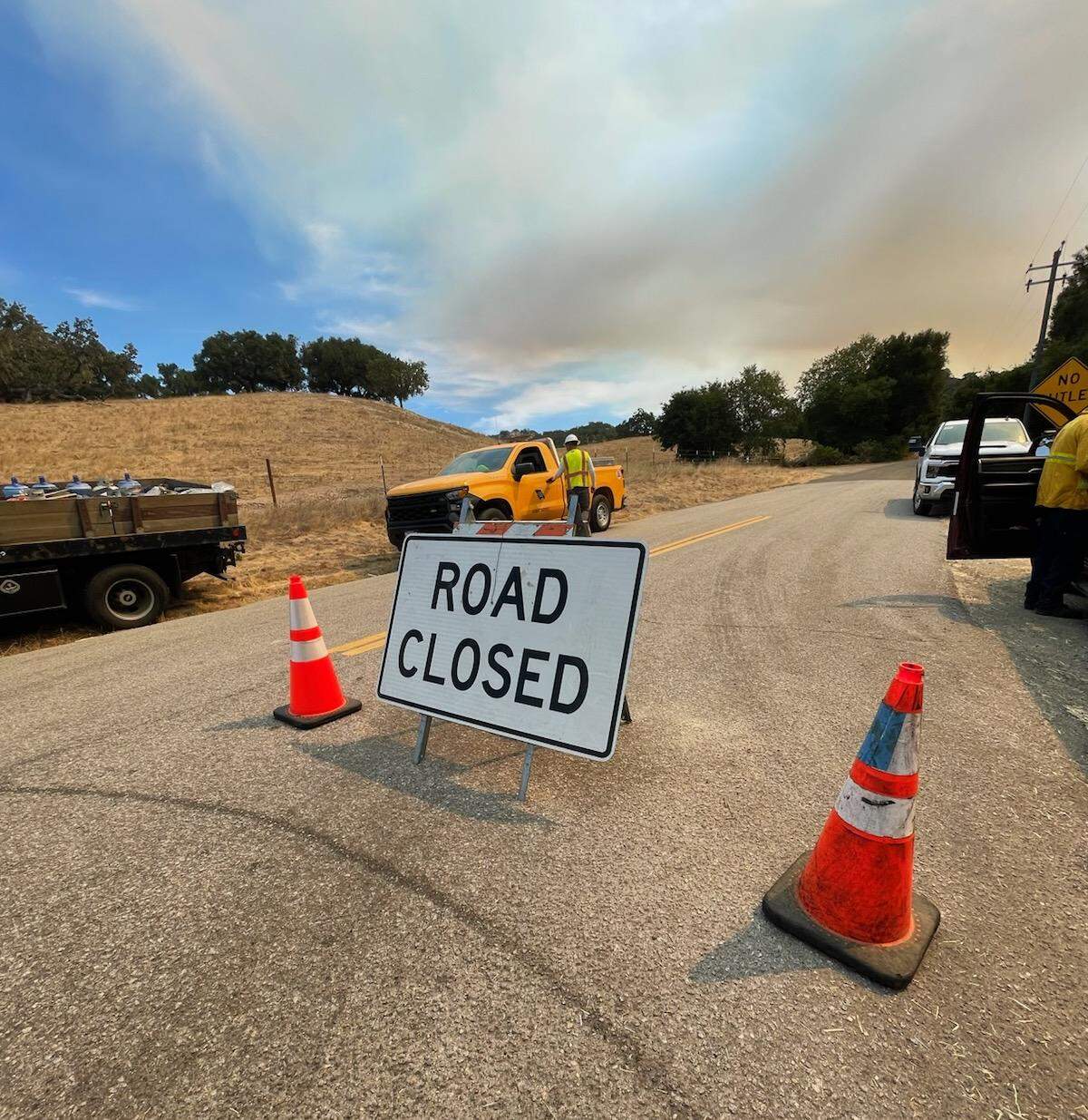
Highway 166 was closed from the northern junction of Highway 101 in Santa Maria to Perkins Road in New Cuyama, according to the California Department of Transportation.
The highway closure has been in place since Friday evening.
“Motorists are advised to use an alternate route” due to the Gifford Fire, Caltrans said.
As of Thursday afternoon, the following roads were closed, according to the San Luis Obispo County Office of Emergency Services:
- Huasna Townsite Road south at Huasna Road
- Lopez Drive at the dam
These roads were restricted to residents and essential traffic only as of Thursday afternoon:
- Huasna Road
- Huasna Road east of School Road
- Lopez Drive at Orcutt Road
- Pozo Road at Santa Margarita Lake
- Pozo Road at River Road
How to get updates on wildfires burning in SLO County
You can sign up online to get live updates about the Gifford Fire from Cal Fire.
The agency provides real-time updates on where a wildfire is spreading and advice on how to prepare for an evacuation.
If the fire gets close to where you live, Cal Fire said, you should be aware of your community’s response plans and have your emergency supply kit ready to go.
If you have time, you should shut doors and windows but leave them unlocked in case firefighters need to enter in quickly.
You should also remove flammable items, such as curtains, and move furniture away from windows and doors.
Other tips include:
- Shut off gas, air conditioning and propane tanks
- Turn off running water
- Put your emergency supplies and necessary belongings into your car so you can evacuate when needed
- Park your car in the direction that you plan to leave
- Make sure all windows and doors are closed
- Wear sturdy shoes or boots, long-sleeve cotton shirts and long pants and face and eye coverings
- Keep pets nearby
- When you are evacuating, be sure to tell someone where you’re headed and how others can reach you
How to prepare your SLO County home for wildfires
You can take precautionary measures before a major fire threatens your home.
According to Cal Fire resource guide ReadyforWildfire.org, your home can catch on fire from flying embers, direct flames from a fire or nearby burning home and radiant heat from burning plants and buildings.
You can retrofit your residence with more fire-resistant materials by opting for metal, clay or tile materials for your roof.
Sealing off gaps between shingles and removing leaves and debris from your roof will also help decrease the risk of wildfire damage, Cal Fire said.
Other tips from Cal Fire and San Luis Obispo County on how to prepare yourself and your home include:
- Cover vents with 1/16-inch to 1/8-inch metal mesh
- Install dual-paned windows that have one pane made of tempered glass
- Ensure walls are made with ignition-resistant building materials, such as stucco, fire retardant and treated wood.
- Cover the chimney and stove pipe outlets with a non-flammable screen
- Close the fireplace flue when it is not in use, especially during wildfire season
- Keep fire extinguishers, shovel, rake, bucket, ladder and hose nearby
- Remove all flammable vegetation and dead branches around your property
- Dispose of all fireplace and barbecue ashes
- Maintain water sources, such as wells, pool or water hydrants, near your home
- Report branches and greenery that could be power line hazards
- Install smoke detectors and make sure they are working properly
You should also create an evacuation plan that includes escape routes by foot and car, and make an emergency supply kit.
What should be in your fire emergency kit?
Your fire emergency kit should include the following, according to Cal Fire:
- A map with at least two evacuation routes
- Medications and prescriptions
- Clothing
- Copies of important documents
- First aid kit, flashlight and battery-powered radio
- Car keys, credit cards and cash
- Pet supplies
How to protect yourself from wildfire smoke
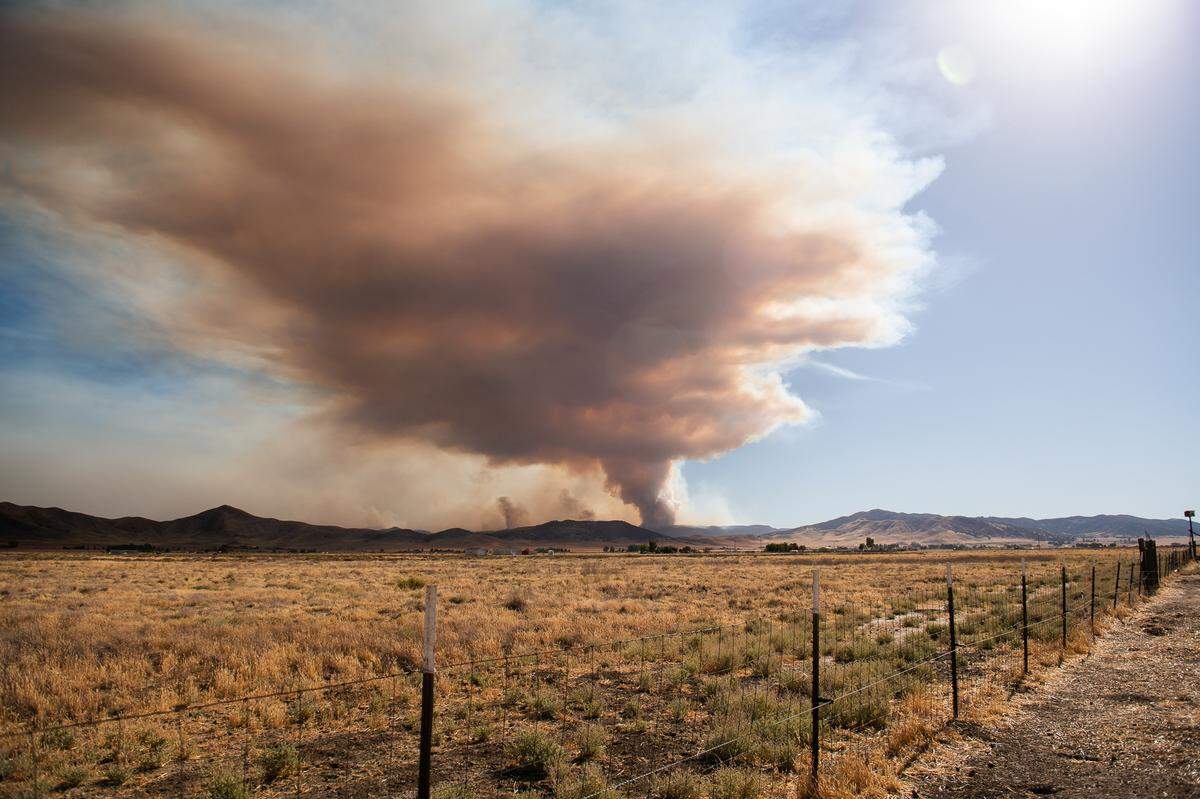
Smoke from California’s largest fire of the year has resulted in hazy skies and unhealthy air conditions in parts of San Luis Obispo County.
Smoky skies were expected in the county through the weekend, the San Luis Obispo County Air Pollution Control District said.
Air quality will be most affected in eastern areas of the county, including the Carrizo Plain and Cuyama Valley, as well as parts of southern SLO County ranging from the Five Cities area to Nipomo, the district said in a Tuesday news release.
Areas as far north as San Luis Obispo could also see worsened air quality due to the Gifford Fire, and other parts of the county may be hit by haze depending on fluctuating breezes, the Air Pollution Control District said.
The effects of inhaling toxic wildfire smoke vary but can be especially harmful for those with preexisting conditions, such as asthma, heart disease or pregnancy.
According to the Centers for Disease Control and Prevention, the immediate symptoms of breathing in smoke include coughing, trouble breathing, irritated sinuses, chest pain, stinging eyes and headaches.
It can also lead to worsened chronic heart and lung diseases, according to the Environmental Protection Agency.
The organization recommends that people use portable air cleaners or high-efficiency HVAC systems to reduce pollutants and have N-95 masks on hand.
What to do if you see ash or smell smoke
Here’s what to do if you smell smoke or see ash fall from the sky in SLO County, according to Air Pollution Control District officials:
- Go indoors and remain inside if possible
- Avoid strenuous outdoor activity
- Close windows and doors that lead outside to keep wildfire smoke from entering your home
- Avoid ash clean-up until air conditions improve
- Seek medical attention if you develop a cough, shortness of breath, exhaustion, light-headedness or chest pain
This story was originally published August 8, 2025 at 5:00 AM.