Cuts to federal grants leave SLO County homelessness providers ‘freefalling’
Rising homelessness across San Luis Obispo County hasn’t shown signs of easing in 2025 — but the funding that supports efforts to mitigate the crisis is facing major cuts later this year and beyond.
In the county’s next financial year starting in October, its Homeless Services Division is looking down the barrel of a funding cut totaling $7 million from grants and recurring funding sources.
By the the 2026-27 fiscal year, funding losses could snowball further, ending down nearly two-thirds from the existing level.
Those funds support the county’s homelessness mitigation efforts and a myriad of service providers across the county, including the Community Action Partnership of San Luis Obispo, the El Camino Homeless Organization and the 5 Cities Homeless Coalition — the county’s most prominent sources of outreach, prevention and shelter services.
Cuts of that magnitude could severely limit the scope of the services now available in SLO County.
5 Cities Homeless Coalition executive director Janna Nichols said that because her organization depends so heavily on grant funding from the state and federal governments, she and her team have been left with a sense that they are “freefalling but can’t see the ground.”
Some of these cuts will come from programs established during the COVID-19 pandemic not being continued in the coming financial year, while others are the subject of mass cuts at the federal level, Nichols said.
“The challenge now post-COVID is we’re back to flat funding from the state and the feds,” Nichols said. “The county knew that we were expanding these programs, but because of any number of reasons — and I don’t want to cast aspersions or blame — no additional monies were identified to maintain these new programs, so we built a bigger system that is being effective, but now we are going to be asked to to reduce it.”
How many cuts, and where?
Funding cuts proposed in the Trump administration’s Federal Discretionary Budget Request will affect a host of local funding streams, according to the county’s Homeless Services Division.
Grant funding that supports the existing Emergency Solutions Grant, Continuum of Care, Community Development Block Grant, HOME Investment Partnerships Program, Housing Opportunities for Persons with AIDS and Housing Choice Voucher programs is at risk in the upcoming budget, according to the Homeless Services Division.
Those programs support a host of outreach, homelessness prevention, re-housing and case management services across San Luis Obispo County, and are disbursed to local service providers through the county.
The HOME and Community Development Block Grant programs are funded by a continuing resolution through Sept. 30, the end of the current federal fiscal year, while the other proposed reductions in the discretionary budget request will go into effect in the 2025-26 federal fiscal year, which starts Oct. 1, according to the Homeless Services Division.
Additional county funds to infill the gap would need to be approved at the Board of Supervisors’ discretion, according to the Homeless Services Division.
“While the county’s Homeless Services Division is still conducting an analysis of the potential impacts of the budget, initial findings suggest that the proposed cuts could lengthen the amount of time that people remain homeless and cause vulnerable people who are currently housed to lose their housing,” the Homeless Services Division said in a statement. “Proposed changes include reductions for Housing Choice Vouchers, a key pathway out of homelessness for the most vulnerable households, reduced funding for security deposits to help people move to permanent housing, and a reduction in funding to produce new affordable housing.”
While the county did not have an estimate as to the full extent of the funding reductions, the county’s Homeless Services Oversight Council placed the total financial hit in the 2025-26 financial year at more than $7 million compared to this financial year’s budget.
The Homeless Services Oversight Council projected one-time grant funding will fall by another $2 million by the 2026-27 financial year, further straining the remaining funding streams.
All told, between one-time and annual funding streams, Homeless Services Division funding is projected to fall from $15.18 million in the 2024-25 financial year to around $5.7 million in the 2026-27 financial year — a loss of nearly $9.5 million, or more than 62%, according to the Homeless Services Oversight Council.
“... If the proposed cuts are enacted and no alternative funding is secured, we anticipate significant impacts to both affordable housing development and ongoing shelter operations,” the Homeless Services Division said. “We’re monitoring developments closely and are committed to advocating for the resources our community needs.”
Service providers consider staffing, program cuts
Community Action Partnership of San Luis Obispo homeless services director Jack Lahey said nonprofit service providers are no stranger to operating without an exact budgetary forecast, as the grant application system always yields unexpected boosts or cuts in yearly funding, but this is the first time in his experience that staple programs are being removed wholesale.
During the COVID-19 pandemic, elevated funding from the Coronavirus Aid, Relief and Economic Security Act and the American Rescue Plan Act allowed CAPSLO to add more housing navigators to its shelter program, making it easier to connect homeless individuals to housing relief programs, Lahey said.
Nichols said she was able to double her staff size due to higher grant funding during the pandemic, which helped deal with the nonprofit’s caseload that doubled and tripled compared to its pre-pandemic levels at times.
Without the support of several grant funding streams, there’s a good chance nonprofits such as CAPSLO will need to let go of staff and cut entire programs as a last resort to keep essential services such as shelters running, Lahey said.
“We are already operating in a cost-cut environment,” Lahey said. “We’re getting to the point where you cut anymore, you completely dissipate a program.”
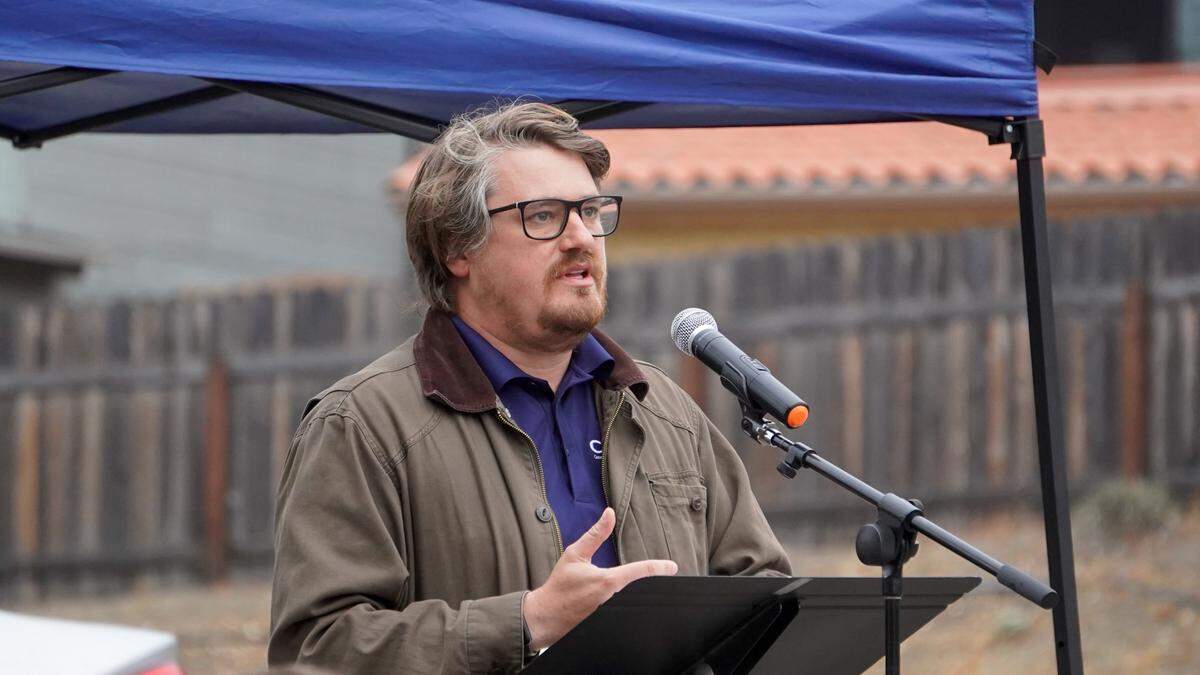
The first programs to go in this scenario are likely outreach and homelessness prevention programs, which Nichols said are “key to turning off the spigot” of people becoming homeless in the first place.
Lahey said that removing links from the continuum of care creates and “unsustainable bottleneck” that makes it harder to get homeless people to engage with services, leading to more people staying homeless longer.
On the other side, when chronically homeless individuals are housed without case management support to keep a roof over their heads, money is spent on a client who then may fall back into homelessness more easily, he said, essentially nullifying the initial success.
Lahey pointed to the state of vehicular homelessness in San Luis Obispo as an example of what happens when a program that people rely on suddenly disappears with no replacement.
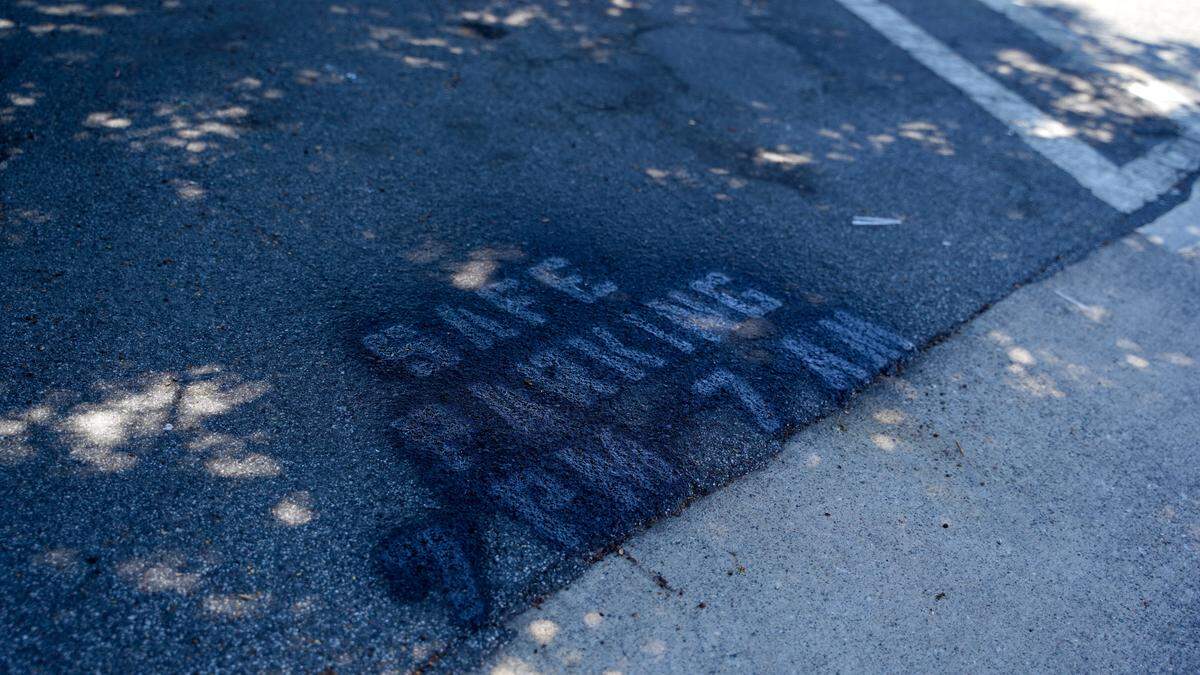
San Luis Obispo has been without a safe parking program that can connect people to service providers while offering a safe place to sleep since the Railroad Square program was shuttered in August 2023, with a replacement program projected to start sometime this summer, Lahey said.
While imperfect, the Railroad Square program provided around 250 people with a place to sleep, and 48 households achieved housing through the program, he said.
“There was always some issues with the program, but it was one of the more successful programs I’ve ever run, and we had to break it down, and the fallout from the client level and from the community level was really difficult,” Lahey said. “We tried two or three different times to restart the program, and it didn’t work — we lost contact with a lot of the folks who we were working with us really deeply, who were utilizing that service, and just honestly starting to trust us, starting to say, ‘Hey, maybe just tinkering with my RV all the time is not the path.’”
Demand for services isn’t going anywhere
Nichols said though funding for critical programs is in danger, she’d be “surprised if there was a lowered expectation of performance” for 5CHC and other nonprofits, meaning money may go away, but the needs of people on the street will not.
Despite some funding streams drying up, Lahey said CAPSLO is still moving forward with plans to build a family shelter next to 40 Prado Homeless Services Center, but he fears that the nonprofit won’t have the money to run case management and food programs when the space up and running.
As grant funding becomes increasingly unreliable, Lahey and Nichols said the burden to fund homeless service providers will fall more heavily on individual municipalities and donors.
“We just don’t have the funding there, and we don’t have the political environment that would allow us to put forward some sort of bond initiative or anything like that to better prop up services,” Lahey said.
Still, Lahey said he realizes the public expects results from the money that’s already been spent despite the upcoming funding cliff.
“If we reduce our resources — however we have to do it — it’s not like the phone is going to stop ringing,” Lahey added.