No SLO safe parking, tougher enforcement leave people living in cars with ‘nowhere to go’
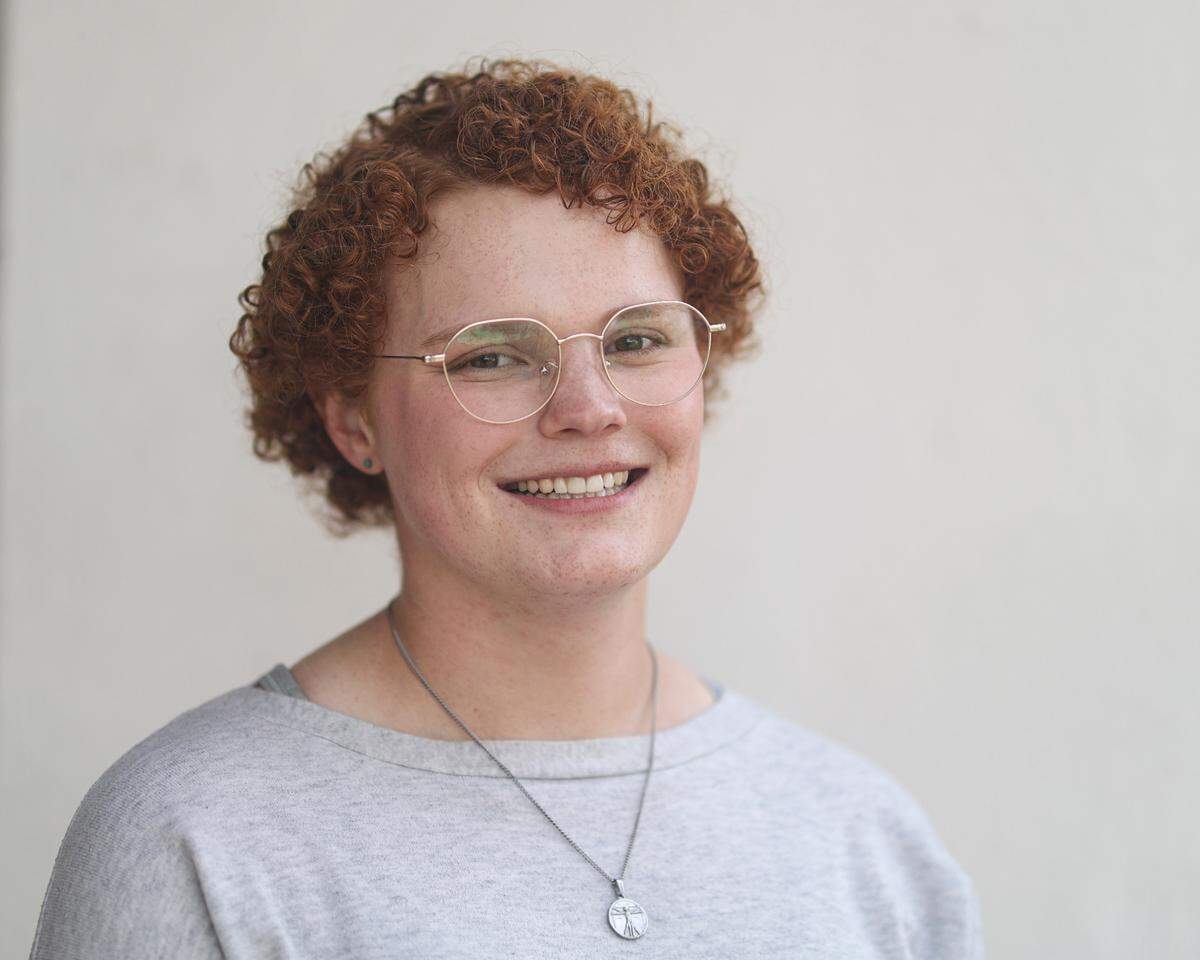
When Tammy Pluneda’s recreational vehicle was towed from where she had been staying behind the Food 4 Less in San Luis Obispo, she didn’t just lose her home.
Pluneda, a homeless resident of San Luis Obispo who used to live at the county’s Oklahoma Avenue Safe Parking site, said she still had 37 minutes to move her RV when police came to clear vehicles that had been on that street for more than 72 hours. In that half hour, she said she could have gotten help from other homeless residents and their trucks to move the camper in compliance with the city’s parking rules.
But police said the vehicle was actually an hour past the deadline when they towed and impounded the RV, taking with it her living space, personal possessions and, most importantly, her deceased son Chad Allen Pluneda’s ashes, which she was holding for a planned celebration of life later this summer.
“My home is worth everything to me, and then some,” Pluneda said.
Pluneda is one of an estimated 140 people currently experiencing vehicular homelessness in San Luis Obispo, according to data from the 2024 Point-in-Time Count.
She and several other unsheltered residents living in their vehicles said San Luis Obispo Police Department’s enforcement on city streets overnight has ratched up in recent months, with few places to stay and fewer safe parking options available than ever before.
San Luis Obispo’s homelessness response manager Daisy Wiberg said after a year without much movement on safe parking options from the city, she’s hoping recent efforts to establish a rotating safe parking program will make a difference for people living in their vehicles.
“While this has been a longer process than we would have hoped — and we would have liked to have already had something up and running — I think this time hasn’t been wasted,” Wiberg said. “It’s been really, I think, a refining process.”
Homeless residents say street enforcement is more stringent in 2024
Pluneda and several of the other former residents of the Oklahoma Avenue parking site who held out until the site’s closure earlier this year said for the most part their situations have changed little from when they were initially brought onto the site in the summer of 2021.
Mike Maez, a former Oklahoma Avenue site resident and head of the San Luis Obispo Homeless Union that pursued legal action against the county over the site’s management, said he’s been arrested and received multiple citations since he returned to parking on the street.
The funds Maez and the last remaining site residents received as part of a settlement with the county — around $60,000 — didn’t last long, covering motel stays and vehicle repairs for some former residents. They didn’t result in permanent housing.
Maez and a handful of other former site residents have banded together over the course of the year, moving their vehicles together and rotating through a handful of street locations they know will be unoccupied to stay within the 72-hour parking window.
Since leaving the parking site, Maez said he’s racked up more than 30 citations to move his vehicle and three tickets charging $100 for overstepping the 72-hour window. He hasn’t had his vehicles impounded as Pluneda has but said it’s not uncommon for impound fees to cost more than $1,000.
Maez works as a chef full-time when not staying in his vehicle or ferrying other homeless residents’ trailers around the city, and said the three-day limit on having a reliable place to rest is physically and financially taxing.
“It’s hard to concentrate on your job, because you don’t know your home is going to be there when you get back,” Maez said.
Residents Lorena Teller and Greg Huckabay, who have shared an RV in San Luis Obispo County for the past five years, said they moved to the area for jobs but saw their plans derailed by COVID-19, which cost them their housing and necessitated living at Oklahoma Avenue.
Teller and Huckabay work during the day as cleaners but have struggled to meet high local costs of living, with most RV parks out of their price range.
Like many other long-term Oklahoma Avenue safe parking residents, Teller and Huckabay are sticking with other former site residents to stay mobile and out of the crosshairs of law enforcement, which could introduce significant setbacks, Huckabay said.
“We don’t have nowhere to go,” Huckabay said.
SLO working on rotating safe parking program
Wiberg said following the city’s most recent unsuccessful attempt in August 2023 to get a rotating safe parking model in place, San Luis Obispo has sought new partnerships with the Community Action Partnership of San Luis Obispo and local faith communities and businesses to give the program another chance.
Last year, the city closed its only established safe parking site at Railroad Square — a low-barrier site that could host vehicles overnight — in anticipation of opening a rotating overnight safe parking program that would move between locations.
The program was put on pause after the city saw significant neighborhood backlash against proposed host locations such as the end of Palm Street near the Veterans Memorial Building and SLO Naz Church, Wiberg said.
Since then, the city and CAPSLO have turned their attention to other potential sites, with three faith-based locations and three businesses actively in talks to host a dozen vehicles overnight between 7 p.m. and 7 a.m., Wiberg said.
As proposed under the original safe parking plan, these sites would alternate hosting the site for a month, and would have CAPSLO employees to oversee safety and case management, Wiberg said.
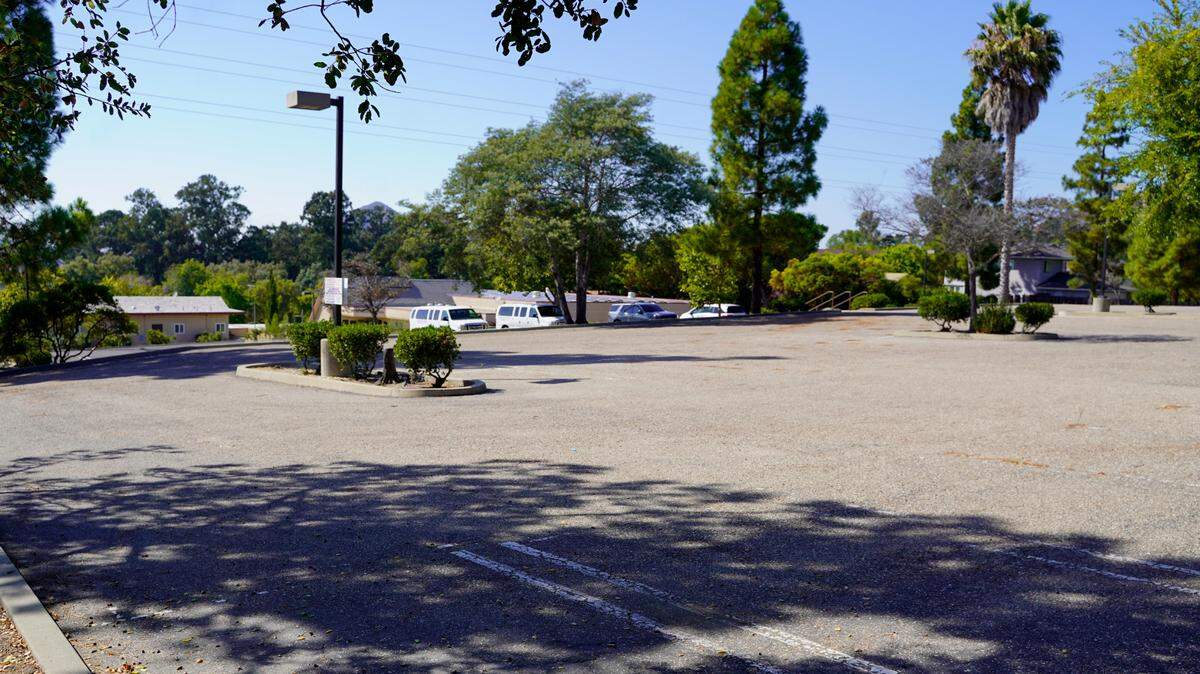
Wiberg said adding these sites would effectively double the number of spots where unhoused people living in their vehicles can stay. Currently, CAPSLO’s 40 Prado Homeless Services Center and its 12 safe parking spots with a 60-person wait list are the county’s only safe parking option.
That said, it’s still far short of the roughly 140 people counted as living in vehicles in 2024’s Point-in-Time Count, which itself is often an underrepresentation of the true number of people living in vehicles, Wiberg said.
In San Luis Obispo, parking is dictated by the city’s parking ordinance, which states that people cannot park their vehicles with the intent to camp or sleep between 10 p.m. and 6 a.m. on any city right-of-way.
San Luis Obispo Police Department Deputy Chief Fred Mickel said so far in 2024, police have issued 38 parking citations related to violations of the municipal code.
Mickel said while exact year-to-year statistics aren’t available, there has been an increase in parking citations for overnight camping since 2023, with the uptick largely due to an increase in requests from residents and businesses.
“Enforcement is largely complaint-driven, with actions taken in response to reports from residents or businesses,” Mickel told The Tribune in an email. “When a vehicle is flagged as potentially violating the code, officers first issue a written notice informing the occupants that camping in a vehicle is not allowed. If they are contacted on subsequent occasions and the investigation reveals they are in violation of the ordinance, a citation can be issued.”
Vehicles can be towed for staying in one spot for more than 72 hours under California Vehicle Code 22651(k), Mickel said. This year, police have towed 53 vehicles under that rule, about in line with the number of tows last year, he said.
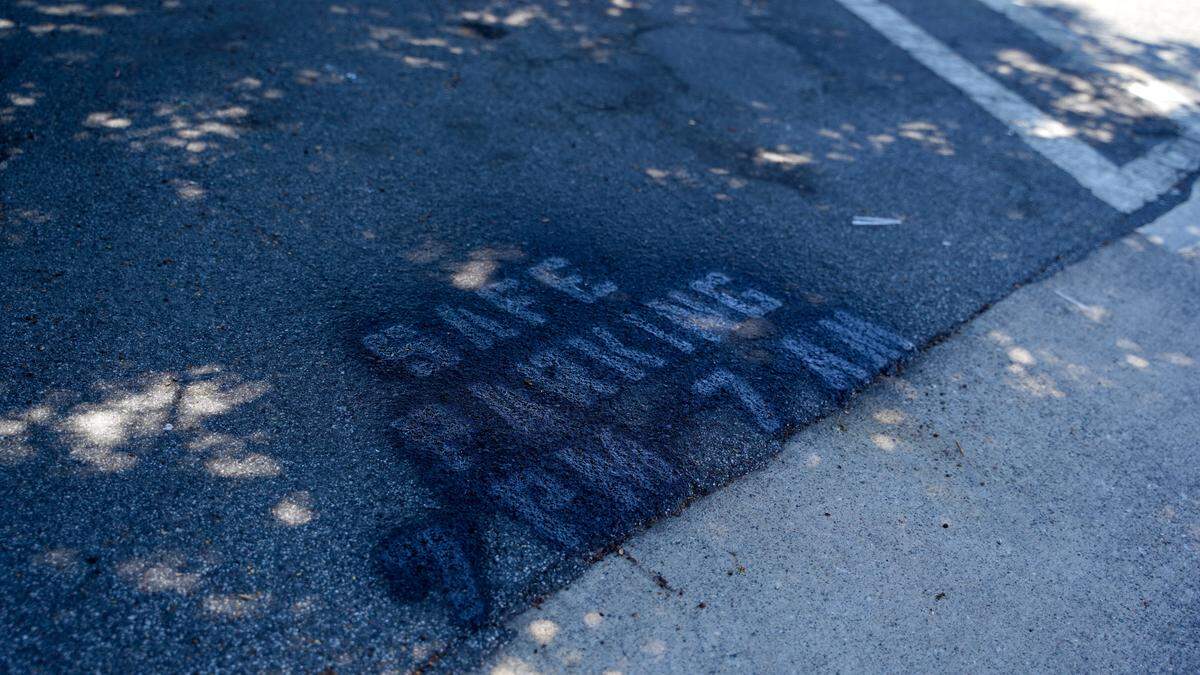
“To address these, SLOPD uses a method that includes marking the ground near the vehicle, photographing the vehicle and marking, and placing a 72-hour notice tag on the vehicle. If the vehicle remains in the same spot beyond the 72-hour period, it becomes eligible for towing. Once towed, vehicles are stored at a yard operated by a tow company contracted by the city.”
When could SLO’s safe parking program be running?
Wiberg said a start date for the new round of safe parking sites hasn’t been set yet, though the city is looking to introduce its new plans toward the end of the year.
She said the city and CAPSLO would prefer to have at least six locations fully confirmed as parking site hosts before launching a 12-month pilot program.
To more realistically meet the needs of people living in vehicles, Wiberg said more cities than just San Luis Obispo will need to look at introducing safe parking of some kind, however.
“We need some safe parking opportunities throughout the county and understanding that it is difficult for folks to keep moving every 72 hours,” Wiberg said. “We encourage them to still be going to 40 Prado to receive services during the day, whether that’s laundry, showers, meals or trying to get them connected to services.”
Until safe parking is more broadly available, Pluneda said she expects to continue living in her car. She hopes to get her RV and belongings back soon, after which she will save up money to move to a more permanent spot in Paso Robles.
She said she believes enforcement of parking rules will continue to escalate and drain her finances if she stays in the San Luis Obispo area.
Meanwhile due to the high cost of getting a vehicle out of impound, she’s had to delay calling relatives and next of kin to town for her son’s memorial service, she said.
“I aim to have my celebration of life for my son this month,” Pluneda said, holding back tears. “I’m going to lay him on top of my daddy finally. It’s been two years and it’s time to let him go — and now I’m fighting these guys to get my RV back.”
This story was originally published August 25, 2024 at 5:00 AM.
CORRECTION: A previous version of this story said Tammy Pluneda’s recreational vehicle was towed 37 minutes before the deadline, but police say it didn’t get towed until an hour after the 72 hours had passed.