Grover Beach voters to decide future of water rates in November election
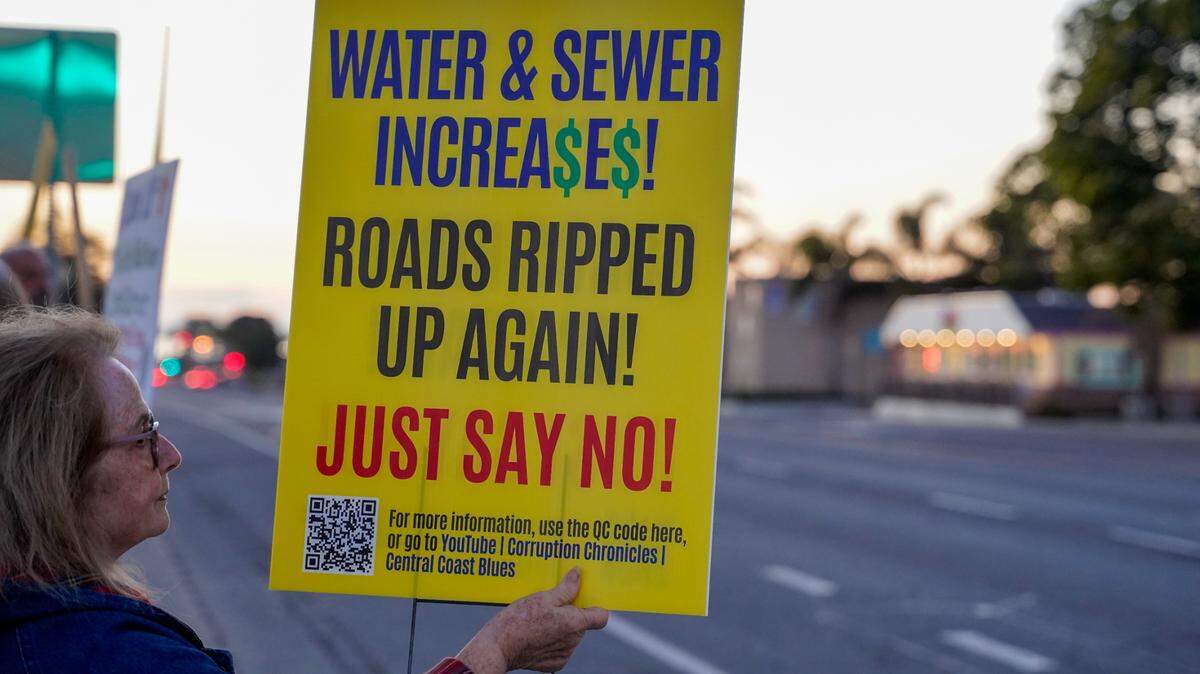
Ongoing controversy over changes to Grover Beach’s water rate structure came to a conclusion of sorts as the Grover Beach City Council voted unanimously to turn the future of water rates over to the voters this November.
At a special Monday meeting, the City Council was presented with two options for water rates going forward: Adopt a ballot initiative that would revert water and sewer rates to their 2021 levels, or move forward with elevated sewer rates and the water rates included in the 2021 rate structure.
Water rates initially became a point of contention among some ratepayers in December, when the City Council adopted a new water and sewer rate structure that would pay for capital projects, maintenance and, most importantly, the city’s share of the since-abandoned Central Coast Blue water recycling project.
The changes exceeded the rate structures adopted by the council on May 10, 2021, but after costs related to Central Coast Blue unexpectedly skyrocketed, the council moved to exit the project and adjust water rates to remove costs associated with the project.
More recently, at its May 13 meeting, the council lowered water rates to the previous rate structure adopted in 2021, leaving sewer rates at the elevated rate adopted in December.
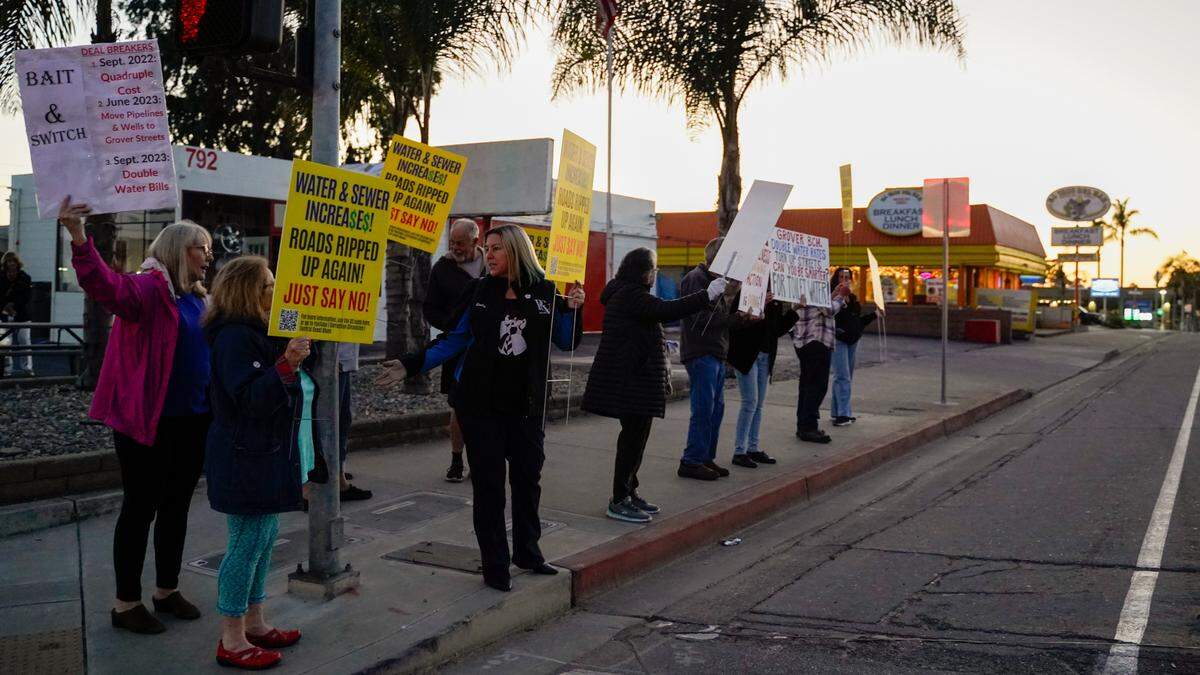
The ballot initiative created by citizens group GroverH2O and approved Monday by the council would repeal the December resolution entirely, setting the water and sewer rates at their 2021 levels — and potentially causing some issues for maintenance of the city’s infrastructure.
“We’ve been asked for transparency, detailed information, detailed projects, detailed costs, and I think the best way to do that is to put it all out there and let the folks decide,” Mayor Karen Bright said. “People can decide what’s important and what isn’t.”
What would repealing water and sewer changes do for infrastructure?
In the staff report, Grover Beach public works director Greg Ray warned that if the water and sewer rates were reset to their 2021 levels, funding for water operations and maintenance would be insufficient by the 2026-27 fiscal year.
Assistant city manager Kristin Eriksson said the city’s wastewater system would start running into funding problems as soon as next year, while capital improvements will fall by the wayside entirely.
Public works director Greg Ray said there’s very little wiggle room in the operations and maintenance as is. For the past 20 years, many of Grover Beach’s plans to maintain and upgrade key pieces of water infrastructure has been hamstrung by limited income.
As a result, the lack of sufficient income has required the city to take a reactionary approach to most of its core infrastructure needs, only replacing components and making repairs to the six-decade-old system as needed rather than getting ahead of coming issues, Ray said.
For example, the most recent 10-year Capital Improvement Program for the water system kicked off in 2010, but was extended over a span of 20 years to lower the burden on ratepayers, Ray said.
In total, if voters choose to revert rates to 2021 levels, rates can only rise by 4% in July 2024 and July 2025 before the rate structure expires, Ray said.
Ray said in the event of a drought, the city’s inability to perform needed maintenance on aging wells and the reservoir could mean demand for water would outpace the city’s ability to supply it by 2030.
Should voters reject the initiative, the rate structure adopted in December will remain in effect, supplying enough funding to fully support operations, maintenance and capital projects for the water and sewer systems, Eriksson said.
Currently, ratepayers are paying the water rates included in the 2021 structure and sewer rates adopted in December — a monthly increase of around $2.50 for the average wastewater system user, Eriksson said.
GroverH2O lead organizer Debbie Peterson called the initiative a “victory for democracy” but said she still had issues with how the rate structure change would be handled in the months before the election.
She said the staff’s concerns about being unable to finance needed maintenance were “scare tactics” used to make the idea of reverting to the 2021 rate structure less appealing to voters.
“There’s nothing right now that is failing,” Peterson told The Tribune. “What they’ve done is spent all their time telling the people why they can’t do things instead of asking the people what they should do.”
This story was originally published June 13, 2024 at 10:10 AM.