Pismo Beach homeowner wants to build rainwater recycling system. Why is city stopping him?
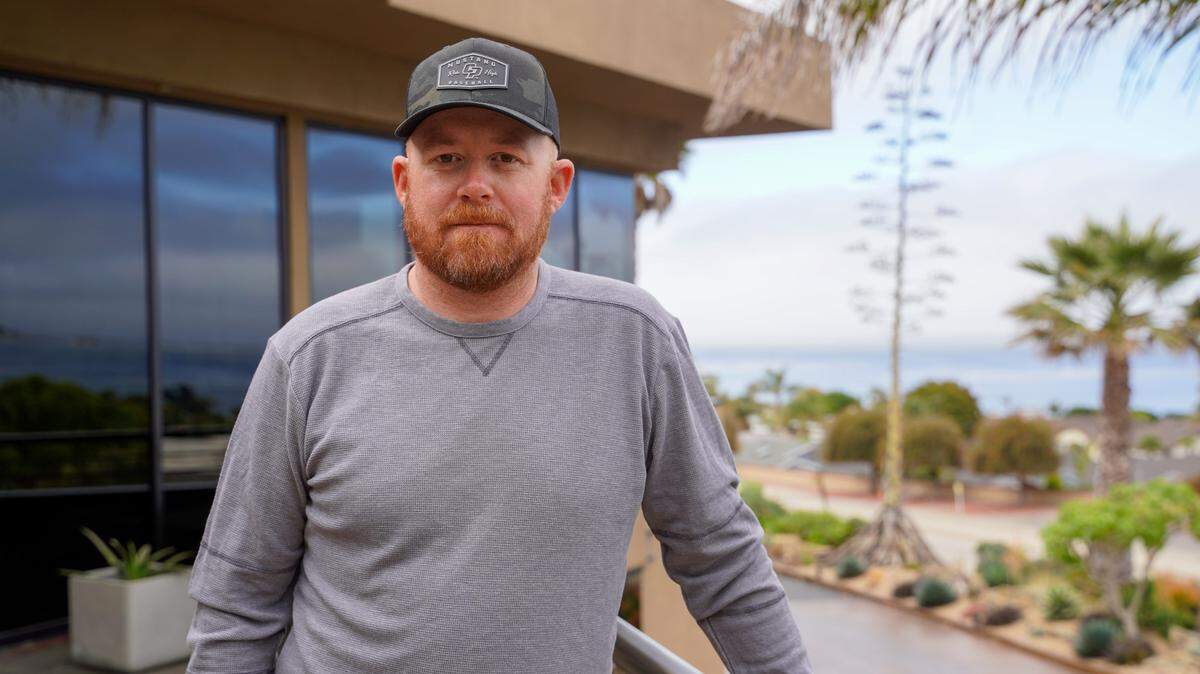
In 2020, when the Avila Fire scorched more than 400 acres and threatened several structures in the Pismo Beach area, homeowner Andrew Grow realized something alarming.
Although Grow’s Shell Beach Road property is located near Highway 101 and several large Shell Beach neighborhoods, the closest fire hydrant is nearly 1,500 feet away.
“Cal Fire came out here, and they were using our garden hose to try to refill their truck, because that was the only thing available,” Grow recalled.
To protect his home, Grow decided to install an environmentally-friendly rainwater collection and retention system on his property. In addition to acting as an emergency supply of water for fire suppression, he reasoned, the rainwater he collected could be used for landscaping, keeping his water bills down.
“You can collect approximately 50,000 gallons of water off the roof that we have in an average rainfall year,” he said.
When Grow brought his proposal to the Pismo Beach Planning Commission, however, the project was denied due to zoning issues
going back nearly 40 years.
So why did the Planning Commission and Pismo Beach City Council reject Grow’s plan?
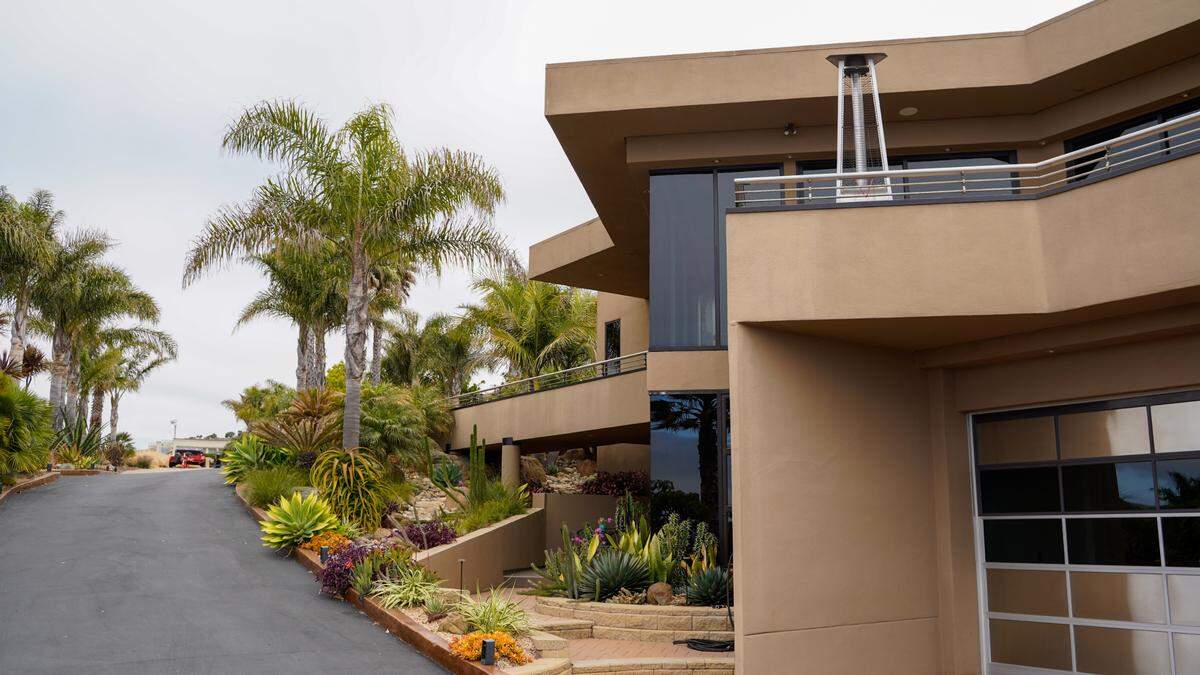
‘Unique history’ of Pismo Beach property limits changes
When Grow, who grew up in San Luis Obispo, purchased his property in 2017, he was aware it had a “unique history,” he said.
The lot is zoned as Open Space-1, a unique kind of zoning that stemmed from a 1983 dispute between the city of Pismo Beach and Stan Bell, the lot’s owner at the time.
In addition to battling the California Coastal Commission over its restriction preventing any development on the property other than a low- to moderate-income housing complex, Bell filed a series of lawsuits alleging that the city had denied him all reasonable economic use of the property by changing the zoning to open space.
Pismo Beach then amended the zoning to allow Bell to build one house on the lot, creating Open Space-1 zoning.
In 2002, Bell sold the property to Mike Spangler, who got the Coastal Commission to drop its affordable housing requirement.
Spangler got Pismo Beach’s approval to build a house and driveway on the lot in 2003 — as long as he signed an open space easement agreeing not develop any land beyond the area agreed upon in his proposal to the city.
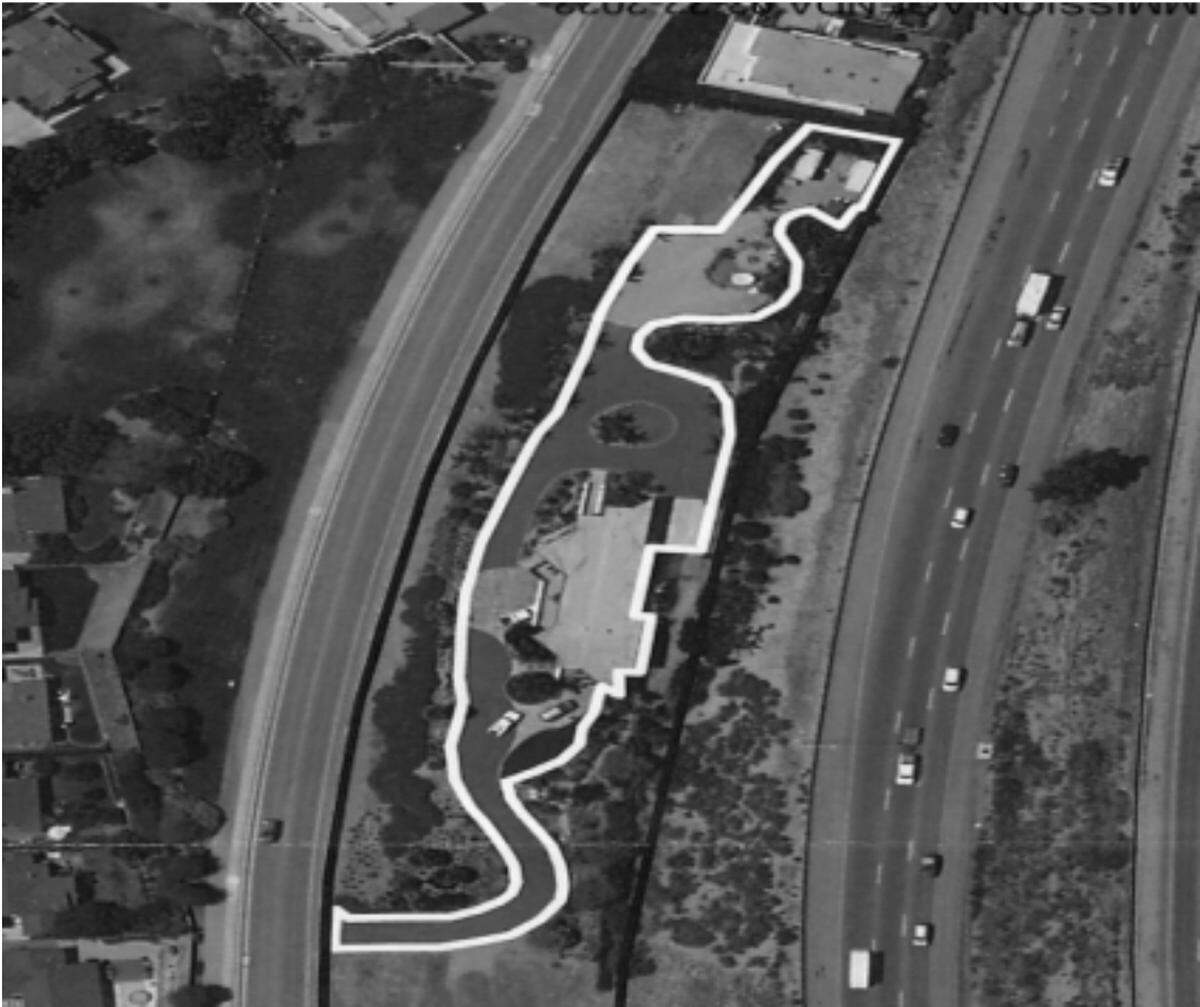
Construction on the home finished in 2007 after more disputes with the city over the OS-1 zoning. In 2014 the City Council ruled that it would not change the zoning on Spangler’s property.
When Spangler didn’t sign the open-space easement and withdraw his applications for zoning changes, the city shut off water and power to his home, fining him $500 a day.
Spangler ultimately won a lawsuit over the fines. In her 2016 ruling, San Luis Obispo Superior Court Judge Dodie Harman called it an attempt to “bully Spangler into recording an open-space easement.”
However, Harman did not rule on the constitutionality of the open-space easement, which remained in place once Spangler died in 2016 and the property was sold to Grow.
Heather Spangler, Mike Spangler’s daughter, said the stress from fighting the city worsened her father’s health, which was declining due to a battle with pancreatic cancer.
She said she’s proud of Grow for what he’s done with the property and hopes his challenge with the city is more successful.
“It was a really hard decision to sell that place — we though long and hard about it, because that was my dad’s legacy,” she said. “It’s just the principle of it — it makes absolutely no sense what (the city) are trying to do or not allowing for that property.”
Property owner says city objections are not valid
When Grow tried to make a change to his property, he said, he believed the zoning issues facing it had been put to rest. But Grow soon found himself running into the same problems as the previous owner.
Although the Planning Commission initially negotiated with Grow and his legal representation over his plans for a rainwater collection system at four meetings between Feb. 22, 2022, and April 25, it denied his application on the grounds that the project would violate the OS-1 zoning.
“(The Planning Commission) stated they understand that this particular project has good intentions,” Grow said. “It’s just interesting that instead of trying to help find a way to make it work, they’ve spent a lot of time and city resources trying to fight the project.”
The project was denied again by the City Council on June 20 when Grow appealed the Planning Commission’s ruling.
One concern expressed by the Planning Commission and the council was that development on Grow’s property, which sits below Highway 101, could impact views of the Pacific Ocean for drivers, Grow said.
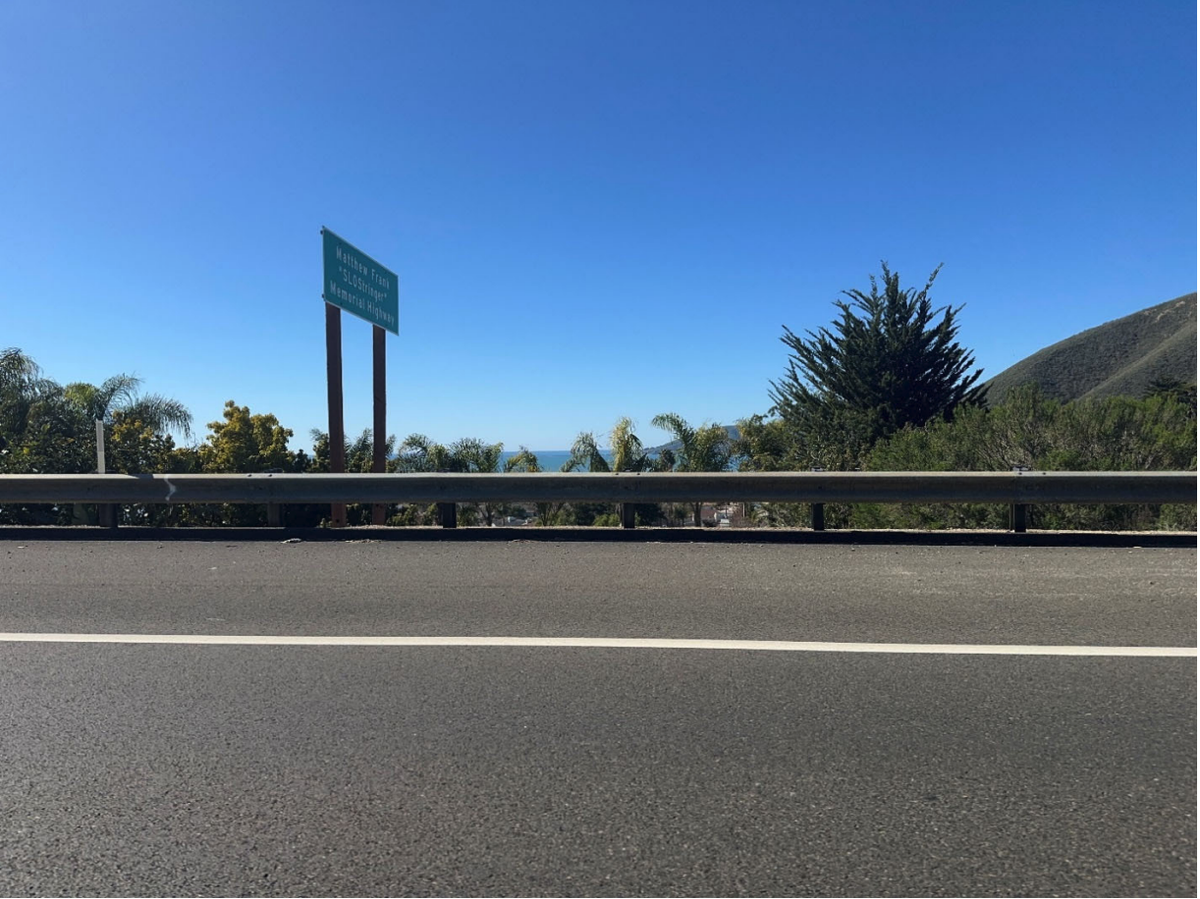
Because Shell Beach is the first place in miles that southbound drivers can see the ocean from Highway 101, the Coastal Commission and Planning Commission have been adamant about keeping views unobstructed.
“The crux of the issue is that this (project) continues that same development that’s out of conformance with the General Plan, where over time we expect things to through attrition begin complying with the zoning code,” Pismo Beach Community Development Director Matt Downing said at the project’s April 25 Planning Commission hearing.
However, Grow said these concerns aren’t valid.
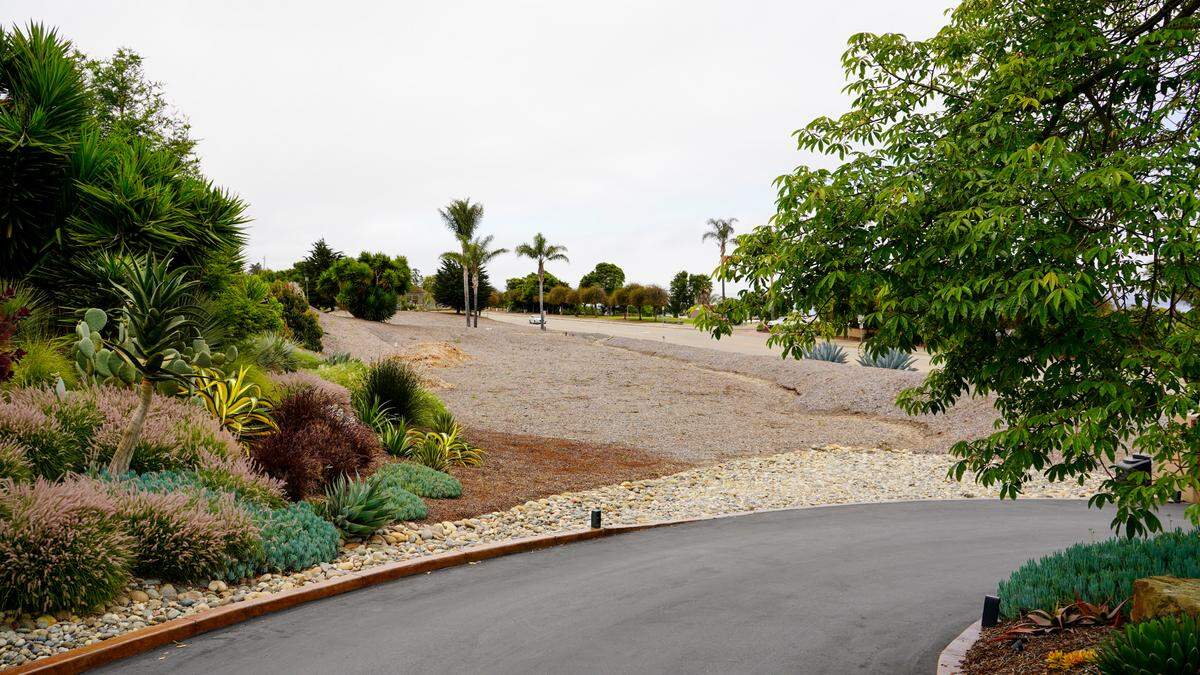
He proposes to install 10 water tanks around 8.5 feet wide and 12 feet high near the north end of his property — less than the 15-foot maximum height permitted under the property’s zoning, and not tall enough to see from the highway.
Grow even took photographs of the property from Highway 101 with a stand-in measurement to ensure the tanks weren’t visible to travelers.
The tanks cannot be placed underground, to avoid future disturbances to the piece of traditional Native American land the property sits on, Grow said.
Additionally, adding the tanks would not develop any previously undeveloped parts of the lot, he said.
Attorney Paul Beard II, who represented Spangler in his disputes with the city and now represents Grow, said the disagreement over zoning is “kind of farcical” because the ideas of residential and open space are contradictory in nature.
Beard said the Planning Commission gave Grow little in the way of directions on how to remedy the project, and said the city has not found any compromise on the lot’s zoning.
“We haven’t made a decision yet as to what the next step is,” Beard said. “One step is to file litigation against the city to set aside the denial, and have the court declare that, pursuant to (Spangler’s) settlement agreement, (Grow) is precluded from building or improving his property in those areas that are already improved.”
Grow said he hasn’t decided how to proceed with his project, and said his case is “concerning from a property rights perspective.”
“Here I am, volunteering to install a system to conserve the city’s water and also provide fire suppression, and I’m just running into nothing but opposition,” Grow said. “In addition, with the reinterpretation of the history and the settlement, now it feels like they’re trying to take back previously allowed development.”
A representative of the city of Pismo Beach told The Tribune that it did not have any further comments on the matter.
This story was originally published July 16, 2023 at 5:00 AM.