
Water-mapping satellite deployed after SpaceX rocket blasts off from Vandenberg
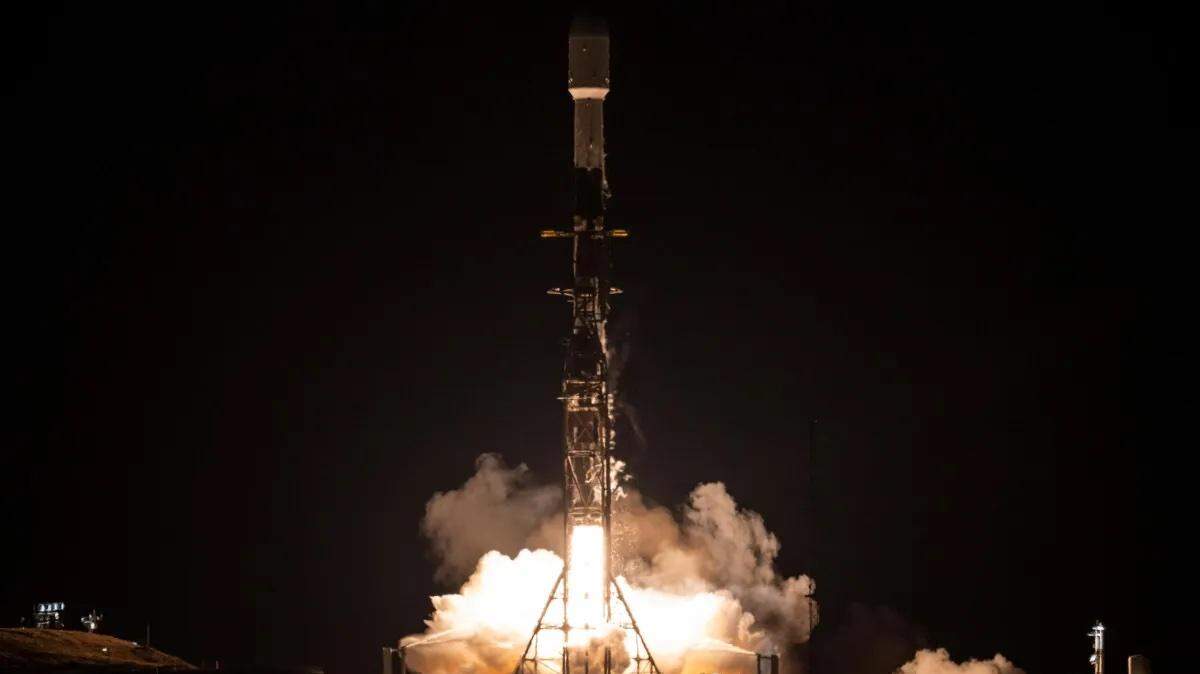
A NASA satellite headed to space from Vandenberg Space Force Base early Friday morning en route to surveying water on Earth with unprecedented detail to help scientists understand climate change, coastal erosion and more.
Liftoff of the Falcon rocket occurred at 3:46 a.m. from Space Launch Complex-4 on South Base after a one-day delay.
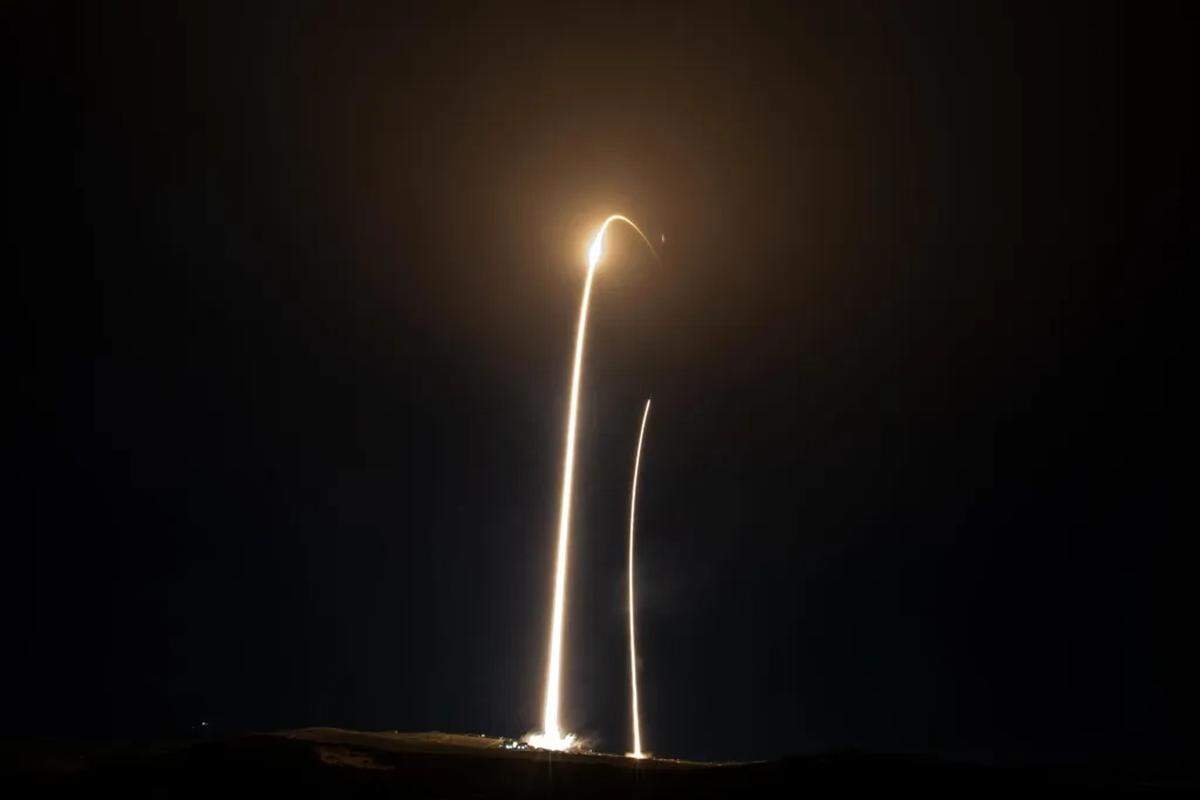
Double sonic booms more than 7 minutes after launch signaled the return of the Space Exploration Technologies rocket’s first-stage booster to Vandenberg after completing its chores. Friday’s launch marked the sixth flight and landing for the booster.
The Falcon rocket carried the Surface Water and Ocean Topography spacecraft for an international collaboration involving NASA and the French space agency Centre National d’Études Spatiales. The Canadian Space Agency and the UK Space Agency also contributed to the mission.
“What a truly spectacular launch,” said Nadya Vinogradova Shiffer, SWOT program scientist for NASA. “It was a very bright splash and a very loud one too. What an entrance. Welcome to the era of SWOT.”
Officials said the spacecraft separated from the rocket 52 minutes after launch as planned.
Ground controllers also confirmed the satellite appeared healthy.
“We’re eager to see SWOT in action,” said Karen St. Germain, NASA Earth Science Division director. “This satellite embodies how we are improving life on Earth through science and technological innovations. The data that innovation will provide is essential to better understanding how Earth’s air, water, and ecosystems interact – and how people can thrive on our changing planet.”
Data from SWOT, which has been designed to operate for at least three years, will be shared across the globe, according to NASA.
“SWOT is the first satellite that’s specifically designed to study rivers and lakes, and it’s going to be a real game-changer,” said Tamlin Pavelsky, SWOT hydrology science lead from the University of Northern Carolina. “I’m really excited about it.”
The satellite will measure the height of water in lakes, rivers and oceans on more than 90% of Earth’s surface.
SWOT data will be used by water resource managers, emergency preparedness agencies, civil engineers, farmers and anyone worried about flooding or drought.
“It’s really going to provide rich information that impacts all of us and really importantly it’s going to measure these on global scales,” said Benjamin Hamlington, research scientist at NASA’s Jet Propulsion Laboratory.
In addition to providing the data publicly, NASA developed tools to encourage people to take advantage of information once it’s available.
“It’s going to be transformative in our ability to provide information that will ultimately improve the daily lives and livelihoods of almost everyone here on Earth,” he added.
SWOT will cover a wide swath of Earth’s surface once every 21 days, sending back approximately 1 terabyte of data each day, according to NASA.
Vandenberg’s busy launch year may not be done yet. One more SpaceX rocket launch to place a satellite in space for Israel reportedly is aiming for Dec. 28.