SLO County wants to allow camping on private property, but it’s got some hurdles to clear
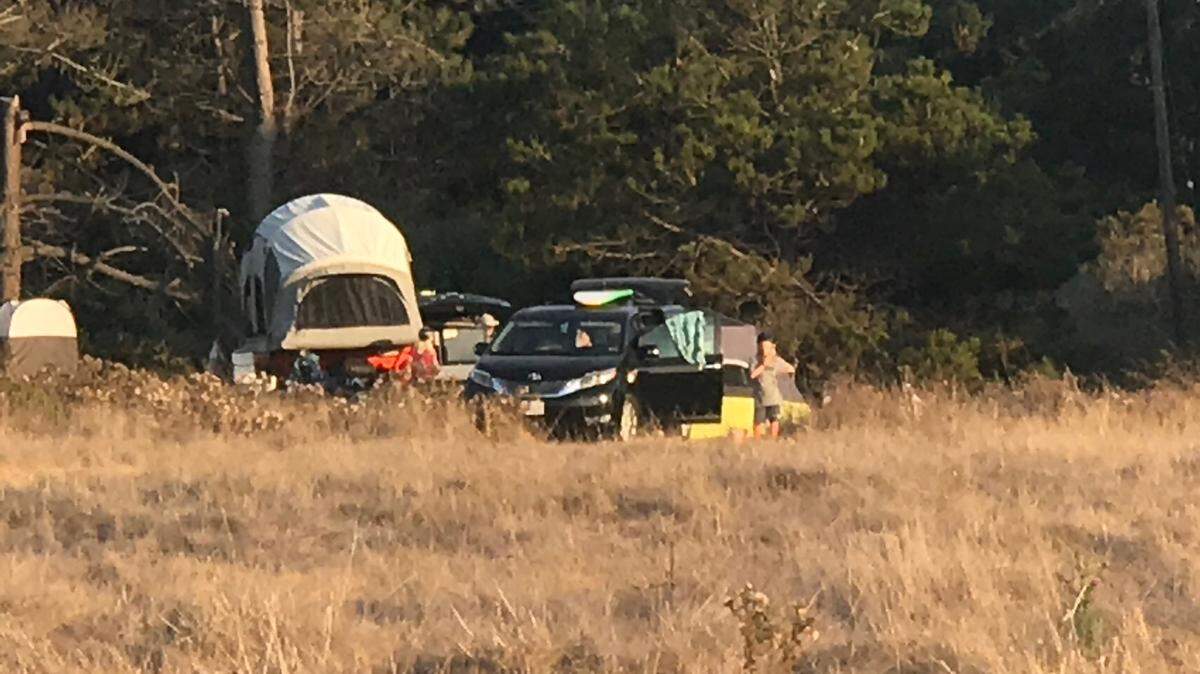
County supervisors plan to make changes soon that would make it easier for owners of rural and even urban land to add rentable campsites and even small campgrounds to their properties.
Before county planners can begin drafting the complicated ordinance modifications the supervisors directed them to do, however, the board has to figure out how to pay for the added chores. According to the board’s 3-2 vote Jan. 25, they’re likely to consider their funding options sometime before June, when the new budget cycle begins.
The camping revisions and minor ordinances changes affecting two other industries could potentially add nearly $970,000 to county’s budget this year, according to a report presented to the board on June 25.
Supervisor John Peschong pushed hard for the camping revisions to be done sooner rather than later. Planners estimate those could take 18 months or more to complete, because the issues are so complex.
After the verbal wrangling that preceded the supervisors’ final 3-2 vote, Supervisor Dawn Ortiz-Legg described the debate, which had been mostly about when to redo the camping rules, as being “painful … (but just) wait until you get the bill!”
The new expenditures would pay for staff time, related services, supplies and consultants. The Planning Department would have to hire new employees to do the work, according to Planning Director Trevor Keith.
The other two items included in the package were defined as minor, “clean-up” changes to ordinances controlling small urban wineries and craft distilleries.
Camping
Few members of the public spoke about the camping issue Jan. 25, but the topic continues to generate online comments and emails.
During the supervisors’ consideration in November of all the possible new priority projects, some people, many of them owners of rural lands, said they want the rules loosened. They’re hoping it can be easier, faster and less expensive to get permits to put campsites and other facilities on vacant land and other privately owned properties.
Some ranchers and farmers spoke about how the additional income from campsites could help make their operations more financially viable, thereby helping future generations to hang onto their family land and their agricultural lifestyles in these challenging times. They also said occupancy taxes collected from each site would help the county’s bottom line.
Other people have expressed serious concerns about putting campsites and facilities in urban areas near homes, in neighborhoods, or in/near forests and other fire-prone places.
There have also been suggestions that Planning and the supervisors could consider different rules for different areas of the county, as is the case for vacation-rental ordinances and regulations about overnight parking.
For instance, that option could separate inland areas of the county from coastal areas, with the latter having additional regulatory oversight from the California Coastal Commission.
There is an informally proposed, draft ordinance not prepared by the county that suggests changes that would allow Hipcamp-style private-camping and permanent campsites on private properties and perhaps even in or near some urban neighborhoods. However, some county staffers have said it’s likely that planners wouldn’t be able to rely on that draft, but would have to prepare their own.
The Hipcamp website lists and facilitates rentals of private campsites, in the same manner that AirBnb connects people to vacation-rental homes and similar lodgings.