
New Santa Barbara Zoo exhibit lets you walk among kangaroos, wallabies and emus
A little piece of the Australian down under is coming to Santa Barbara.
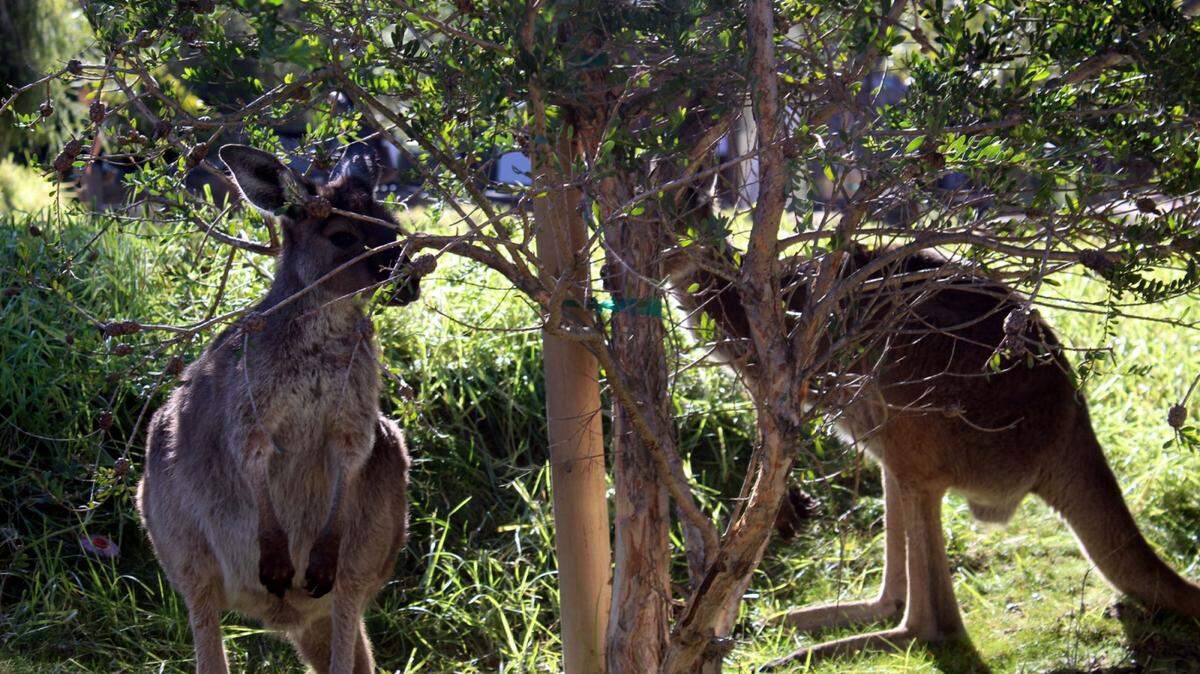
The Santa Barbara Zoo’s newest exhibit, the Australian Walkabout, gives guests the chance to walk among some of the country’s most unique animals: kangaroos, wallabies and emus.
“It’s not common that you have (actual) spaces where you can walk through and be sharing the space with mammals, so that’s really exciting,” said Dr. Julie Barnes, the zoo’s vice president of animal care and health.
The reimagined 15,000-square-foot former elephant exhibit was transformed into an immersive Australian walkabout designed to put guests in the middle of the action. Guests enter the exhibit, which opens to the public on Saturday, and follow a one-way path while kangaroos, emus and wallabies roam free.
Australia is home to about 300,000 species of animals, many of which are unique to the continent, but because of the 2019-20 bush fires, the continent has the most rapid rate of mammal extinction worldwide, according to zoo spokeswoman Jennifer Zacharias.
Part of the zoo’s mission is to call attention to the importance of conservation, and the new exhibit is aimed at reminding “all of us to take care of our planet’s living treasures,” Zacharias said.
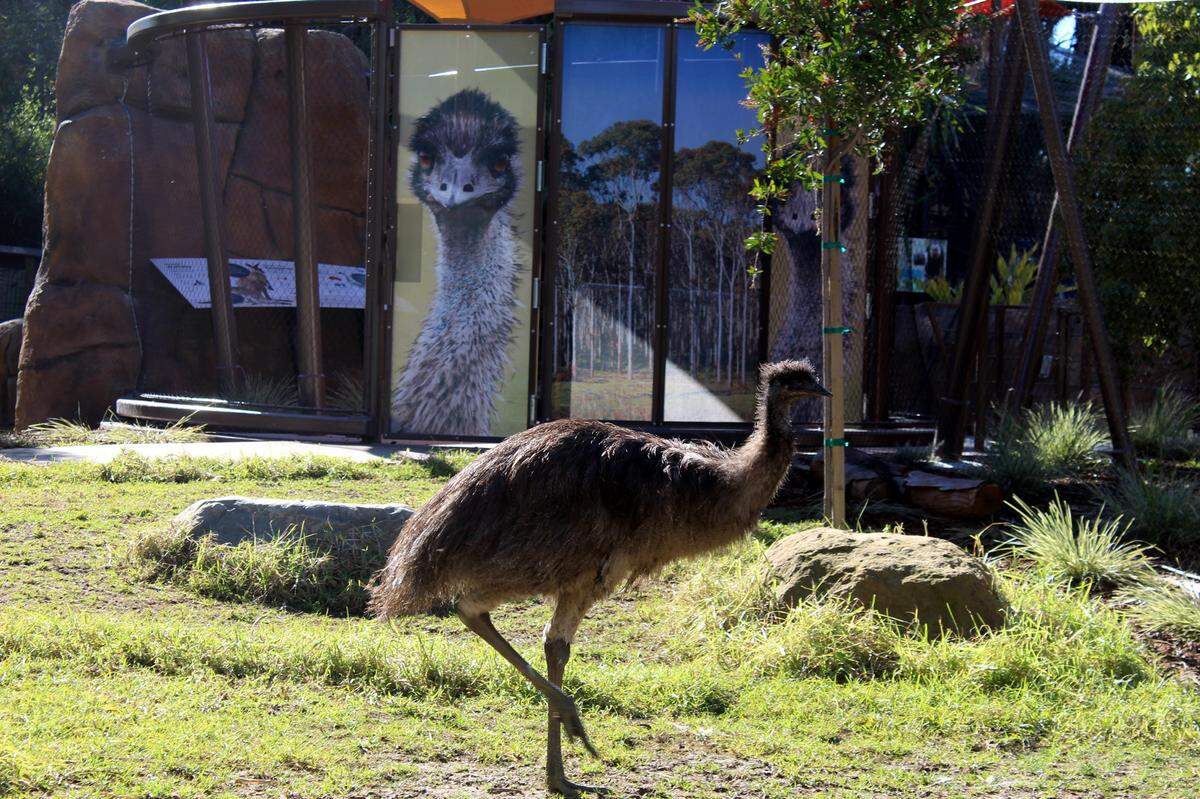
The exhibit is home to three male kangaroos — Max, and brothers Aspen and Coolibah — two male and two female wallabies, and two emus, and is adjoined with two aviaries that house three species of native Australian birds: the sulphur-crested cockatoo, tawny frogmouth and laughing kookaburra.
The wallabies in the exhibit are a breeding group coming from a healthy population of animals in North American zoos. Barnes said the zoo hopes to have some baby joeys walking around the exhibit in a few months.
“We just want our guests to enjoy their time, to be immersed in the Australian landscape, to enjoy the animals, and to hopefully leave here with an appreciation of these really unique animals and their environment … to know about the threats that exist to these animals and why it’s important to conserve these animals,” Barnes said.
“The pressures and the threats that these animals have around them, they parallel what’s going on globally.”
The zoo might breed kangaroos in the future, but decided to start with only breeding one species in order to see what the pressure would be on the landscape and environment, Barnes said, adding that kangaroos and wallabies can breed very quickly and the zoo wants to “breed responsibly” to not over-populate the space.
The zoo also worked with a representative from the Aboriginal nations, or indigenous Australian nations, to incorporate Aboriginal culture and language into the exhibit, giving the zoo an opportunity to “not only be inclusive and respectful, but also deepen the story” of the exhibit, the country and the animals for guests, Zacharias said.
The new exhibit took about two years to complete and was funded by donors, according to the zoo.
Being from Australia herself, the walkabout exhibit is near and dear to Barnes’ heart.
“This unique experience is similar to those offered by zoos both in Australia and around the U.S., where guests can really get up close and connect with the wildlife,” Barnes said. “This connection is a key part of our work to engage our guests and the local community in species preservation, and educate about conservation.”
Noozhawk staff writer Jade Martinez-Pogue can be reached at jmartinez-pogue@noozhawk.com. Follow Noozhawk on Twitter: @noozhawk, @NoozhawkNews and @NoozhawkBiz. Connect with Noozhawk on Facebook.