
Duo’s bold plan to fix homelessness in SLO County could be first of its kind in California
Two San Luis Obispo County community leaders want to reduce homelessness by 50% during the next four years — and they’re proposing a new countywide organization and an overhaul of local services to make that happen.
Sam Blakeslee, a former state senator and assemblyman, and Greg Gillett, a San Luis Obispo attorney, spent four months researching the county’s growing unhoused population and developing a proposal for reform that would include a more centralized and effective network of homeless services and housing solutions.
Blakeslee and Gillett’s 13-page report proposes creating a joint powers authority (JPA) organization that would bring together local government bodies and service providers to form the San Luis Obispo Housing Infrastructure and Services Authority (SLO-HISA).
The new group would work to increase the local supply of housing units, from emergency shelters to permanent supportive housing. It would also institute systems to enhance homeless services and better track clients’ care plans and outcomes.
Overall, Blakeslee and Gillett hope their plan provides the blueprint to reduce homelessness by half over the next four years.
“This potentially could be a model in the state of California for how communities can increase accountability and performance,” Blakeslee said.
SLO County’s homeless services currently ‘an unwieldy system’
Blakeslee and Gillett formed their SLO Citizen’s Homeless Commission earlier this year to address their perception that the county’s unhoused population is growing, but the current homeless services network is inefficient and has issues with information-sharing and data collection.
“There’s an issue with interagency cooperation,” Gillett said. “And not because they’re not cooperating, but because the systems aren’t there. If you find (an unhoused person) sleeping in his or her car near the railroad station, there’s no universal way to contact that person. There’s no coordinated way to establish sort of the baseline for services.”
Currently, the county’s homeless resources and housing decisions are delivered through “an unwieldy system consisting of seven individual cities, the county, and a large number of individual nonprofits — all managed and operated separately,” Blakeslee said.

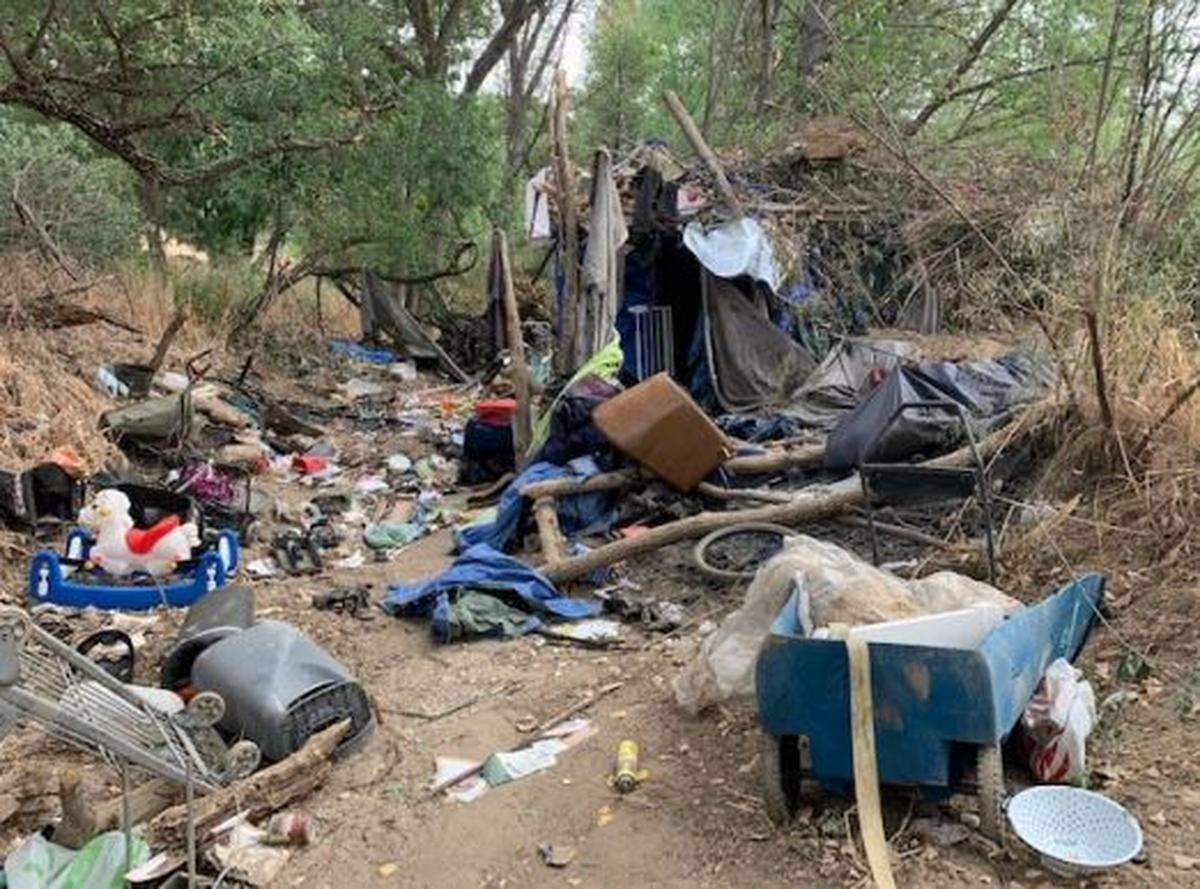
Many factors contribute to a person’s descent into homelessness, including mental health issues, substance abuse, loss of a job, family dysfunction and the lack of low-income housing, Blakeslee and Gillett said.
They think a centralized government organization could help streamline the coordination of outreach, services and projects to address these problems.
Previous county joint powers authorities have included the Black Gold Cooperative, Central Coast Community Energy, the Integrated Waste Management Authority (IWMA), Central Coast Water Authority and others.
“We have to be able to universally design intervention based on individual service needs,” Gillett said. “And I think this approach gets us there.”
Blakeslee said the new group could be the first of its kind in the state.
“I have seen some elements of this, but not all of it tied together in the way we are proposing,” Blakeslee said.
Better data tracking, more housing production
Blakeslee and Gillett’s plan — which would need to be adopted through an official government formation process — recommends a two-pronged approach to accomplishing their goals: establishing data collection and case tracking systems and then spurring low-income housing production.
“It’s not uncommon for the same unhoused person to engage with staff from multiple organizations, each with its own intake system and internal processes,” the report said. “Because of the large and complex suite of services involved it is common for an unhoused person to encounter multiple delays during hand-offs from one group to another.”
The proposed SLO-HISA organization would offer overall system administration, including housing the database and tracking network that would help better coordinate efforts for individuals.
A countywide Homeless Management Information System currently is being implemented and encouraged, but it should be mandated to ensure broad use and a framework for systemic success, Gillett said.
The proposal also lays out a plan that would facilitate the process for building temporary housing and shelters, including tiny home villages, as well as low-income and affordable housing that would help get people off the streets.
Through a model ordinance, cities and the county would have a “by-right” approval to best accomplish housing goals and reduce hurdles that can tie up projects, freeing up pathways for building.
“NIMBY-ism (Not in my backyard) will almost always overcome compassion with the elected officials retreating to the safe argument of ‘this is the right project but wrong location,’ Blakeslee said. “As long as we, as a society, pour money into homeless services but fail to build adequate housing, the Gordian Knot of growing homelessness will worsen.”
A joint powers authority would also open the door to lease-revenue bonds or ballot measures as well, Blakeslee said. And state and federal grants, offered on a competitive basis, could be easier to come by.
“Those entities that produce the most compelling proposals attract commensurately higher levels of funding for their projects,” Blakeslee said. “A JPA would offer the opportunity for our community to demonstrate levels of coordination and project alignment.”
Next steps to centralizing homeless services
Gillett and Blakeslee said they want to make it clear their ideas are not a criticism of organizations and agencies that are working hard to help get people off the streets.
“Notwithstanding (the) incredible dedication of these people and their love for the communities they were serving, there was widespread frustration that the system was not working the way it should,” Blakeslee said.
The SLO Citizens Homeless Commission is calling on the county Board of Supervisors to organize a task force that could look into the concept of creating the SLO-HISA organization by June 2022. Blakeslee and Gillett suggested the five supervisors could all appoint representatives to the task force.
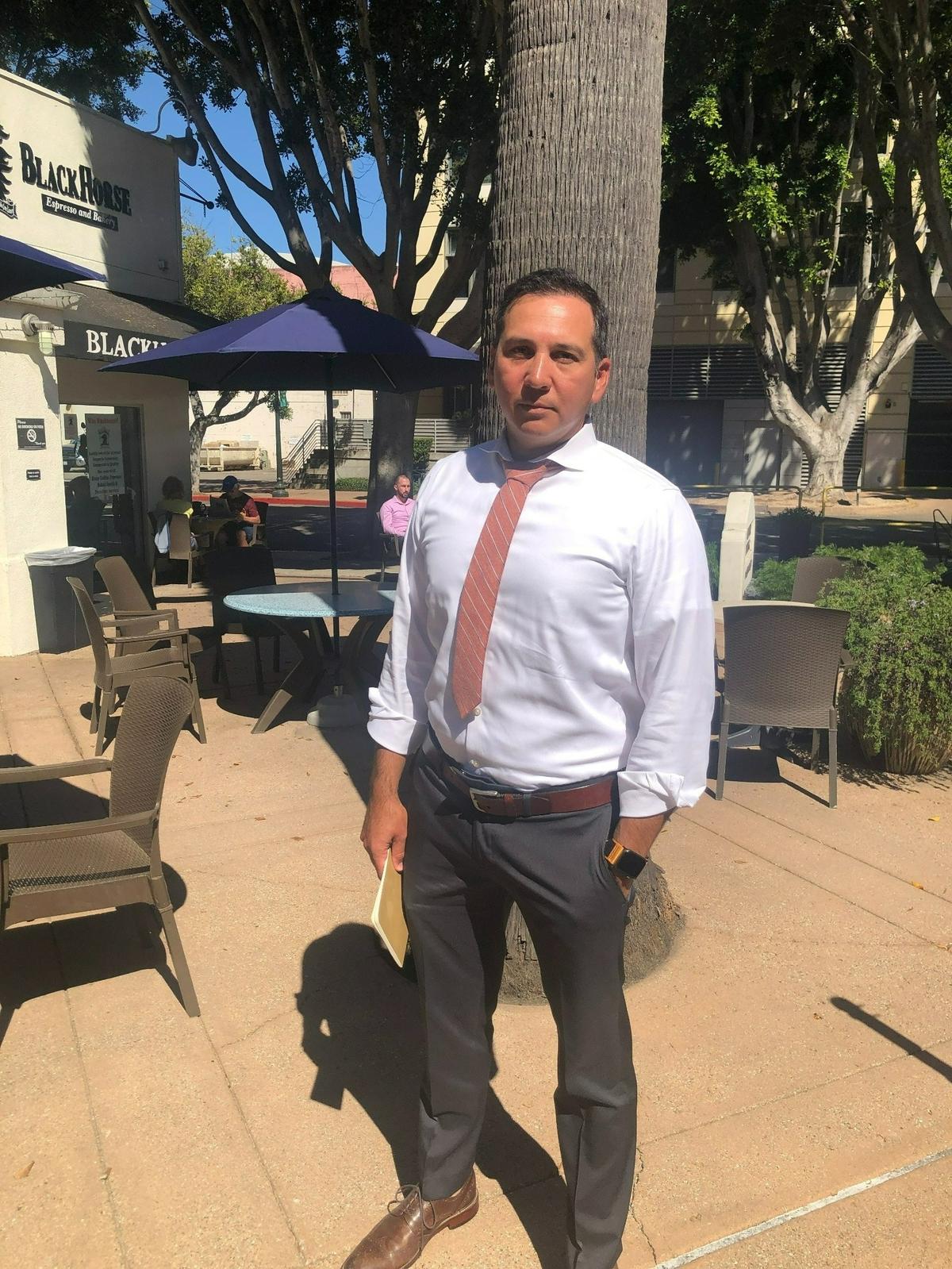
“We could be an example because we live in a relatively isolated island here as a county,” Gillett said. “We can create some sort of variables that we can control.”
Blakeslee and Gillett plan to meet with local government agencies as needed to help bring the plan to fruition, acknowledging there could be resistance.
They said they’re not experts, but they sought to review the systemic hurdles to achieving better homeless services outcomes.
“If people don’t like this concept, I would challenge them to come up with an alternative plan that’s better,” Gillett said.
This story was originally published November 16, 2021 at 1:11 PM.
%20Cropped.jpg)