
SLO City Council approves permanent night hiking program on Cerro San Luis
The San Luis Obispo City Council passed a permanent night hiking ordinance for Cerro San Luis Natural Reserve on Tuesday, amid concerns from some members of the community and despite an impassioned argument against the plan from Council member Jan Marx.
Marx and others opposed allowing any hiking after dark, citing environmental impacts to animals and wildlife and saying it would disturb their nocturnal habitat.
Ultimately, the council voted 3-2 in favor of a permanent policy that allows for hiking and biking into the winter evening hours until 8:30 p.m.
The new law must be formally adopted after a second reading, which is standard for municipal ordinances and typically comes within a short period of time, often two weeks, of the first reading.
Over the past three years, a pilot program allowed the city to issue up to 65 permits daily for access to about 4.9 miles of trails within city property at the 118-acre Cerro San Luis Natural Reserve, “from one hour after sunset until 8:30 p.m. when daylight savings time is not in effect.”
The new law formalizes that number for people who want to hike or bike on the 1,292-foot peak in the winter evening hours.
The city’s longstanding policy has been to allow recreation in open spaces from one hour before sunrise to one hour after sunset. No permits are needed in the summer, when the later sunsets allow plenty of opportunity for people to hike and bike before it gets dark.
That policy restricts night hiking on Bishop Beak and in the Irish Hills, among other city open spaces. Those in violation may be issued citations.
While the permanent ordinance explicitly limits the hiking to Cerro San Luis, also known as Madonna Mountain, and to the hours designated, Marx said the policy would open the door as a dangerous precedent for using open space elsewhere in the city and argued that it’s in conflict with long-established open space principles and policy the city has established for years.
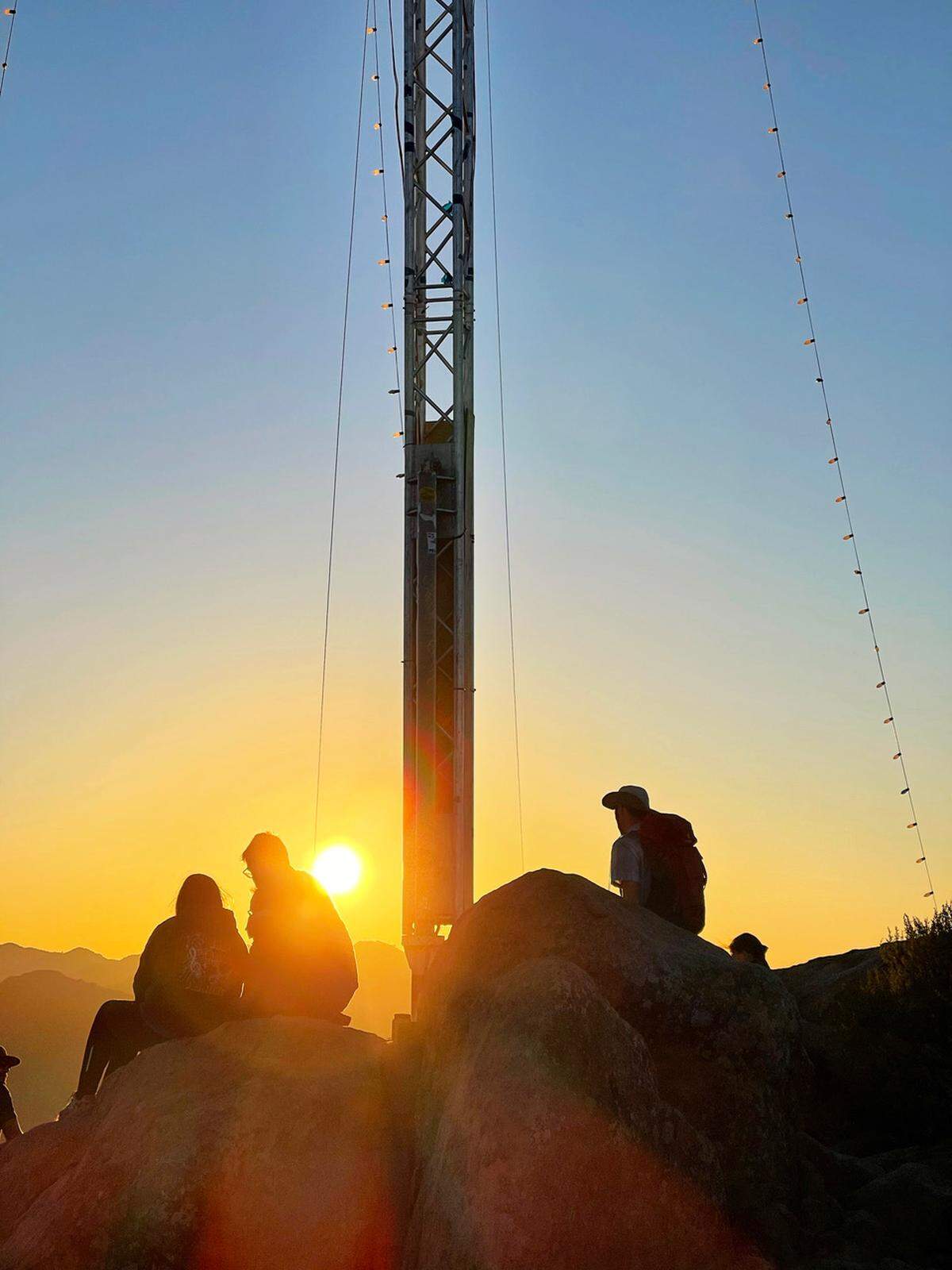
“The project that we’re considering tonight has polarized and politicized (open space) policies and divided the community, and this really, really breaks my heart,” Marx said. “If the project is permanently approved tonight, it will likely start battles over open space uses far into the future.”
In her opposition of allowing extended hours for evening trail recreation, Marx said the city’s General Plan and Open Space and Conservation Element aren’t being preserved.
“(Those policies) state that preservation of natural resources is the first priority of open space and recreation is secondary,” Marx said.
But council members in favor of the policy said it adequately balances the public desire to hike and bike in winter hours when it’s already dark by the time many get off work.
“This allows for appropriate use of limited space for a few extra hours per night,” Council member Andy Pease said. “I think this is an appropriate program with a balance of access. We have a whole lot open space in the city without human introduction, and this trail that offers a few extra hours to public use. Permitting helps keep the numbers down.”
Council member Carlyn Christian also voted in opposition to the night hiking program.
Christianson didn’t comment on the matter Tuesday but said at the Oct. 19 meeting that the night hiking policy would “tilt the city’s approach to our open space more towards human needs, then the needs of open space, and I don’t agree that this change would be good for our city as a whole going forward into the future.”
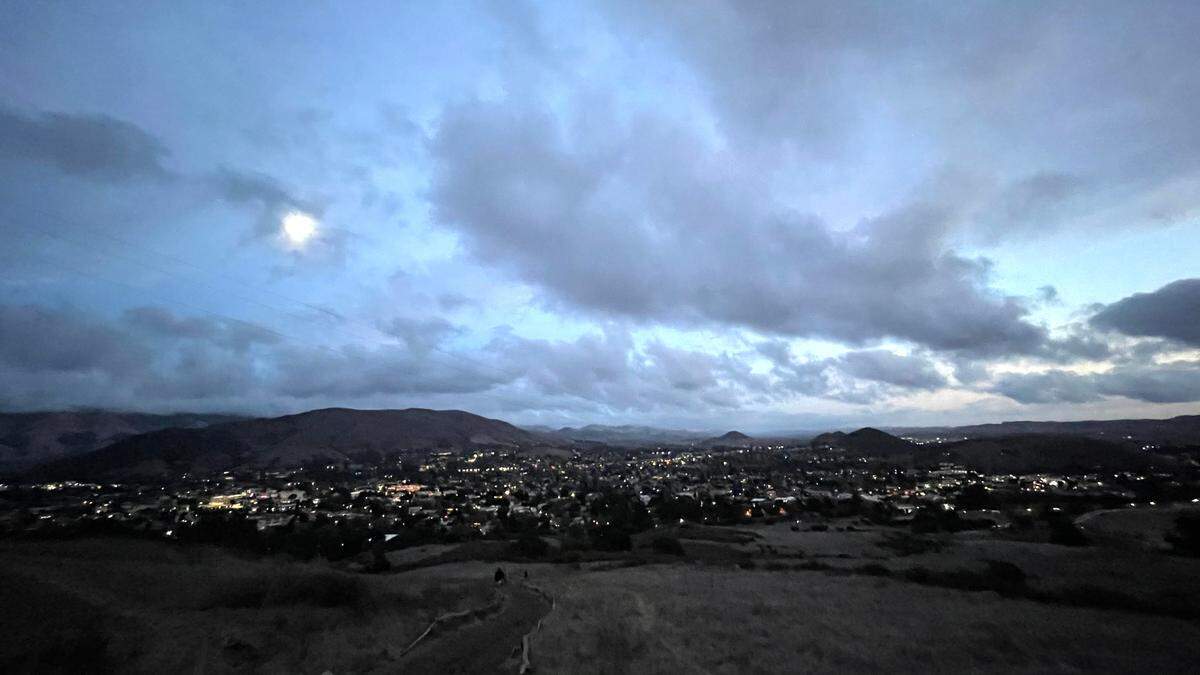
Public opinion on night hiking
The new policy was opposed by representatives of the Santa Lucia Chapter of the Sierra Club and Northern Chumash Tribal Council, which both lobbied the council to deny night hiking and biking.
“Mountain biking access to this mountain, day or night, is admittedly a strong desire by some but certainly does not rise to the level of a need,” said Wendy Lucas of the yak titʸu titʸu yak tiłhini Northern Chumash Tribe, in a letter to the city. “Water is a public need. Access to Pepsi is a strong desire by some.”
Davis added: “We speak, in indigenous ways, of learning to be in relationship with the land. To honor its gifts that are abundant, and often times that means simply to be present and listen. To reconnect and learn the lessons nature has to teach us. If there ever was a societal need for this reconnection, it is now. Walking/hiking enables this — using the mountain as a race course does not.”
In a letter to the city, Sierra Club director Andrew Christie cited studies from the California Department of Fish and Wildlife that have concluded mountain biking in the dark disrupts the natural balance between diurnal and nocturnal wildlife, and disturbances reduce time for animals to forage and breed. Christie cited studies showing that mountain lions and smaller carnivores are particular vulnerable to human disturbance.
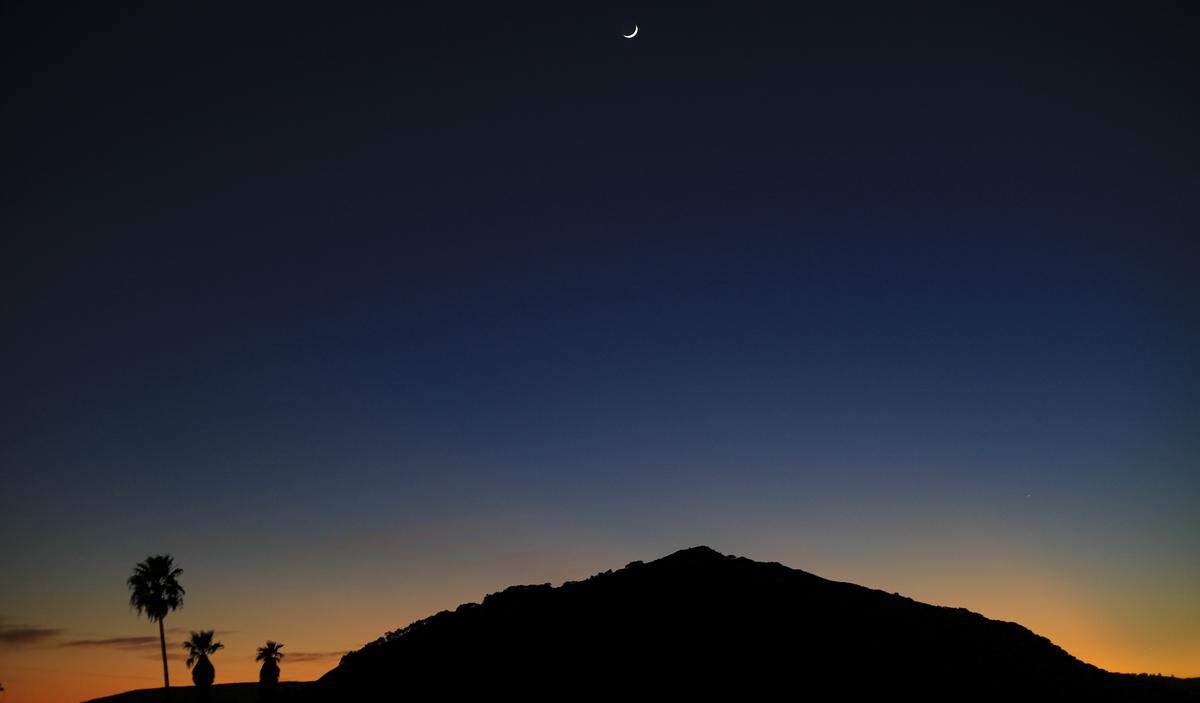
Documented animals on the mountain include several types of birds, mountain lions, deer, foxes, skunks, rodents, coyotes, brush rabbits, lizards, gopher snakes and more.
Christie O’Hara of the Central Coast Concerned Mountain Bikers, however, said that access to natural experiences improves mental health and she urged a balance that was struck with the limited hours of use.
“For those that will ride/hike/run anyway, do you prefer they drive to (Montana de Oro) or national forest (land) where the wildlife corridor is even more vast and important?” O’Hara said. “Or have them use other open space? The original proposal was to change the hours of all SLO city open space, and after more than three years I believe city staff has found the best solution and compromise: One trail system in city open space that is the least impacted, limited users (65) and only until 8:30 p.m.”
Environmental consideration
During the city’s pilot program, a total of 3,160 permits were issued over the 2018-19 season, 2,747 permits were issued in the 2019-20 season, and 2,702 permits were issued in 2020-21, according to a city staff report. In total, 826 were for bikers and 6,957 were for hikers based on self-designation at the time of permit reservation, the Oct. 19 meeting staff report noted.
The city delayed its decision until Tuesday to respond to environmental concerns submitted before its last meeting on Oct. 19.
SLO officials determined the criteria for a full-scale environmental impact report wasn’t met, including consideration of potential wildfire.
Potential for fire was determined to be less than significant, among other considerations, said Bob Hill, SLO’s natural resources manager.
Asked whether the new policy violated any SLO laws, City Attorney Christine Dietrick said the ordinance is “legally defensible.”
Council member Michelle Shoresman said she hopes the evening hiking will come with an educational component in teaching people responsible preservation of open space, and she said she plans to teach her young son about conservation.
“I’m so grateful that we have a community that loves our wild places as much as I do,” Shoresman said.
In addition to trail signage, Hill suggested a requirement that those who receive permits acknowledge the city’s rules and regulations.
Correction: The name of the representative of the yak titʸu titʸu yak tiłhini Northern Chumash Tribe has been corrected. She is Wendy Lucas.
This story was originally published November 10, 2021 at 11:49 AM.
%20Cropped.jpg)