
Morro Bay neighbor tried to block drug rehab center. City Council just rejected her appeal
A proposed drug and alcohol rehabilitation center in Morro Bay will move forward after the City Council denied a citizen appeal Tuesday.
Ashley Smith, a Morro Bay parent who lives in the same neighborhood as the proposed rehab center, filed unsuccessful appeals with the city Planning Commission and Morro Bay City Council, citing the city’s lack of research into public health and safety concerns.
Smith’s appeal to the Planning Commission was denied at an April 20 hearing, and her latest filing was discussed at Tuesday’s City Council meeting.
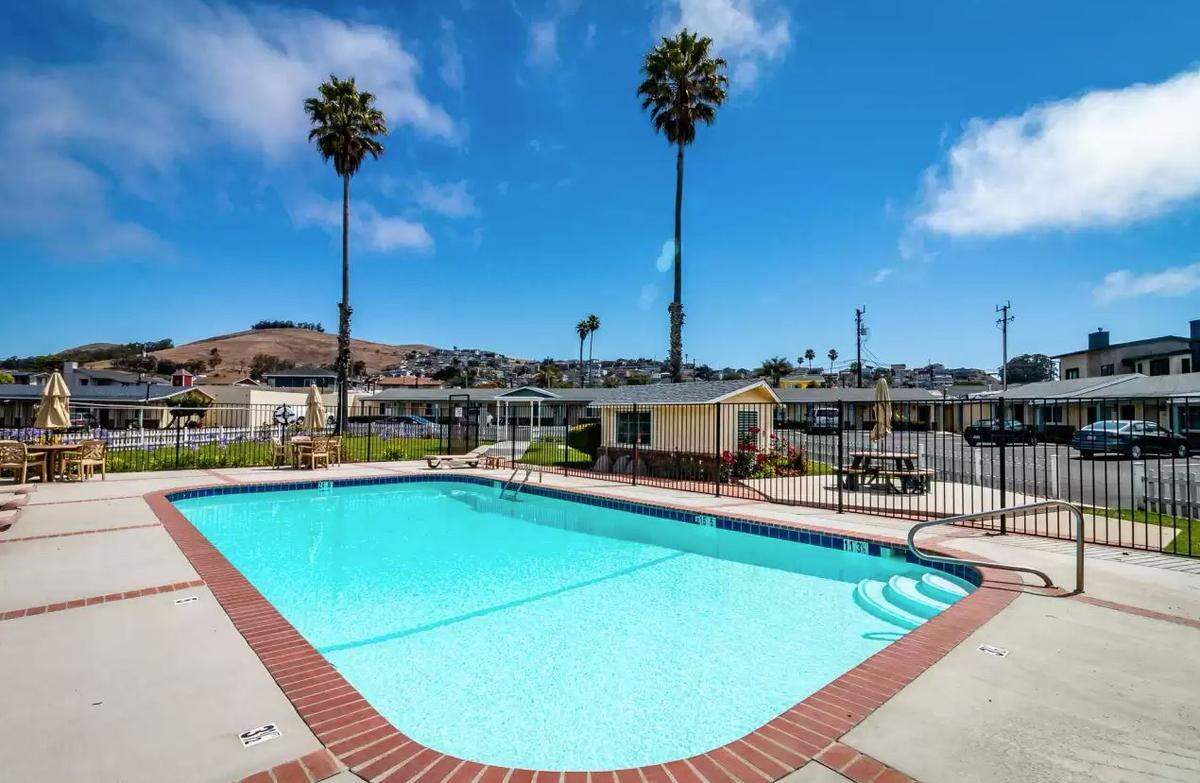
Smith sought to block the conversion of a 27-room Rodeway Inn, located at 2460 Main St., into a supportive housing facility for addiction rehabilitation. The facility plans to open in 2021.
Smith and other community members expressed worries about Morro Bay Recovery, noting the facility is located across Highway 1 from Morro Bay High School, which children routinely walk by, and a North Morro Bay thoroughfare.
The community members also called into question the backgrounds of the facility’s operators, noting that one project representative has a criminal conviction.
“The owners have already proven themselves to be dishonest, and it will also fall upon our small fire and police department” to enforce safety issues at the site, Smith said via Zoom at the City Council’s meeting Tuesday night.
But the applicant, property owner Brian Der Vartanian of Glendale, denied that there would be any problems with maintaining safety.
Smith also questioned the identity of Morro Bay Recovery’s owner and said that the applicant misrepresented the number of patients that would be living at the facility in a public document.
Responding to questions from the public about the project, Der Vartanian said on Feb. 19 that the maximum number of residents that could be living on the site was 27 to 40.
He said at Tuesday’s meeting that Morro Bay Recovery will hold a maximum of 26 patients while maintaining licensing and staffing to ensure proper operations.
Der Vartanian told The Tribune by phone Wednesday that Morro Bay Recovery will follow required state Department of Health Care Services licensing procedures and operator background checks.
The facility will also pursue voluntary accreditation by the Joint Commission on Accreditation of Healthcare Organizations.
“We’re following all the guidelines and policies to keep the community safe,” Der Vartanian said. “We will respectfully offer to the city, state licensing compliance reports, notice of any disciplinary records or actions might come up and we’ll be more than happy to give to the city, and they will, you will be available all the time.”
Project representative Oganes Nardos told The Tribune on Wednesday that motels are more likely to be the sites of criminal activity than addiction treatment facilities.
“Hotels are often the sites of prostitution, drug use and domestic violence, not recovery centers,” Nardos said.
He said that Morro Bay Recovery’s staff will feature at least 10 workers, including a doctor, therapist, nurse and counselors.
Morro Bay residents worry about project representative’s criminal background
Some Morro Bay residents called into Tuesday’s City Council meeting or wrote letters in advance to question the applicants including Nardos, who spoke at the meeting about application details.
Nardos plead guilty in 2010 to a charge related to a fraud scheme involving selling letters to undocumented Armenian nationals to help them stay in the U.S. and avoid deportation, The Los Angeles Times reported.
“(Nardos) was arrested in an undercover Homeland Security bust for forging government documents and selling them to convicted felons, including murderers and rapists,” Morro Bay resident Heather Barbis wrote in a letter to the city.
“So far, (Morro Bay Recovery’s operators) have done nothing to address neighborhood concerns and implement safety measures for our town,” Barbis. “They have zero ties to this community.”
Nardos, who clarified he’s not an owner or applicant, told The Tribune that he “did nothing wrong” in the 2010 fraud case, but decided to enter into a plea agreement as his best legal option at the time.
Nardos added that he’s an addict in recovery whose life has been turned around.
“The (fraud case) doesn’t have anything to do with this project,” Nardos said. “How could I be running three other facilities licensed by the state (in Burbank and North Hollywood) as a program director if that were the case?”
California laws designed to facilitate rehab
On Tuesday, City Council members said there’s a high bar to deny a project based on existing California laws designed to protect the opening of rehabilitation centers and the availability of services to patients, who are considered a protected class.
Morro Bay council members added two conditions of approval, which Morro Bay Recovery agreed to at Tuesday’s meeting.
Those are: notification of state Department of Health Care Services licensing reports and notice of any violation or disciplinary action taken by the state department against the center.
“I also understand the concerns of the community with regard to potential disproportionate use of certain city services that may be impacted,” Morro Bay Mayor John Headding said Tuesday. “We have a number of ordinances in place for any type of business that operates.”
Smith said in an email Wednesday: “I’m happy that the mayor is aware of the applicants and their past dealings in this line of work. I think the two stipulations that he added will really help.”
The Department of Health Care Services estimates that it takes about 120 days from the receipt of a complete application to receive a provisional license, public information officer Carol Sloan wrote in an email.
Sloan wrote that state licensing requirements “do not specify where a residential (substance use disorder) facility can be located; however, local laws and/or ordinances may apply restrictions.”
Elena Gerli, a Los Angeles area lawyer, was consulted by the city amid the appeals.
“Both state and federal housing laws protect protect housing for the disabled and individuals who are in recovery from alcohol and drug abuse are considered disabled individuals, and there are a lot of laws that protect them, because there is a lot of prejudice against them,” Gerli said at Tuesday’s meeting.
“Simply denying a project based on the fact that it is housing for individuals in recovery could run you afoul of state and federal law,” she added.
This story was originally published June 9, 2021 at 2:18 PM.
%20Cropped.jpg)