
Jerry Reiss, champion of SLO’s historic indoor smoking ban, dies at 82
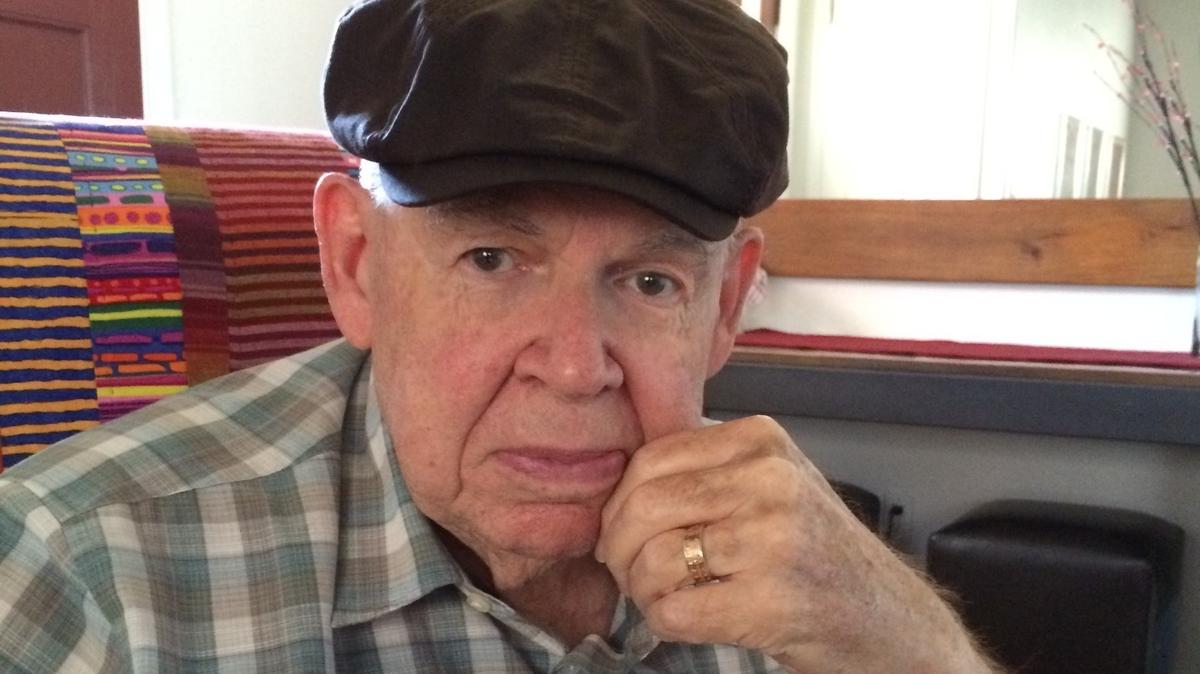
A former San Luis Obispo city councilman who introduced the idea in 1990 to ban smoking in all indoor public areas — spearheading an ordinance that became a standard for cities worldwide — has died.
Jerry Reiss, 82, of Atascadero, died Monday, according to his wife, Collette Reiss.
Reiss, a local construction industry leader, served on the SLO City Council from 1987 to 1992, in addition to terms on the city’s Architectural Review Commission and Planning Commission.
Jim Gardiner, SLO’s former chief of police, called Reiss a “strong leader” who was willing to champion a smoking ban despite significant opposition to the idea from the city’s restaurant industry and business community.
Gardiner described Reiss as an ethical man with whom he had a “wonderful professional relationship.”
“Many people in the business community were resistant when he first brought the (smoking ban initiative) forward,” Gardiner said. “And I recall people wondering if they would be arrested or ticketed over smoking in public. But we didn’t end up having to enforce it. And it became a law that restaurants and the community ended up realizing they were better off for.”
SLO’s ‘no smoking’ law history
The SLO City Council voted 4–1 in favor of the ban on June 19, 1990, with only Mayor Ron Dunin dissenting, becoming the first municipality in the world in August to ban smoking in all public buildings, including bars and restaurants.
According to a 2004 Tribune article, SLO doctor Steve Hansen says he pitched the ordinance to Reiss, who asked then-City Attorney Jeff Jorgensen to draft a proposed new law, which he did. Reiss and Jorgensen backed that account, according to the 2004 article.
A 1990 Los Angeles Times article quoted the owner of McCarthy’s bar, Joe McCarthy, who was then 83, as among those in opposition: “Almost every customer I have smokes. I tell some of these guys they can’t smoke, they’ll just find a bar in another city.”
As Reiss advocated for the proposal’s adoption at the council level, Mayor Dunin pushed for exemptions from the law for bars and gaming rooms, leading to the sole “no” vote, according to the 2004 Tribune article.

Ten years after the SLO ordinance passed, 46 U.S. states and the District of Columbia had passed restrictions on smoking in public places, The Tribune reported in an August 2000 article.
“It came at the right time,” Reiss said in the 2000 Tribune story. ”People understood the hazards involved with letting smoking continue in bars and restaurants. And we approached it strictly from the standpoint of being a health hazard.”
In 2013, a contributing writer to the HuffPost, Lauren Pecorino, recommended that Reiss be considered for the Nobel Peace Prize because of his role in preventing cancer worldwide.
Pecorino quoted Reiss telling her for the story: “The smoking ban seemed so simple and logical at the time — I never imagined it would assume such prominence. Seldom does one have the opportunity to positively influence the health and well being of so many.”
Wife recalls husband’s civic contributions
Collette Reiss said that her husband was concerned about secondhand smoke and studied its harmful health impacts.
“He didn’t like the smell of smoke,” she told The Tribune on Monday. “He read a lot about secondhand smoke and he thought the ban was the right thing to do.”
His wife recalled “restaurant and bar owners were livid at him and thought the floors would fall out from under them” if people weren’t allowed to smoke indoors.
“In less than a year, more and more who were against it began to get on board to support the ‘no smoking,’” Collette Reiss said. “He had people come back and tell him how they’d changed their minds about it.”
A California native
Collette Reiss said Jerry was born in Torrance on Sept. 15, 1937, from humble family beginnings (Tuesday would have been his 83rd birthday), and moved to SLO to attend Cal Poly’s architecture program.
Jerry Reiss had to work to support himself during college, which he didn’t finish, before moving on to work in construction, which became his career.
He went on to manage SLO-based Bunnell Construction, before branching off to start his own company, J.M. Reiss Inc. The company no longer is in existence, Collette Reiss said.
In Jerry’s final days, prominent SLO County leaders in the local business community and construction industry paid respects and expressed gratitude for his friendship and counsel, Collette Reiss said of her husband.
“There are prominent people in the community who said that they run their businesses now the way they do because of Jerry,” Reiss said.
%20Cropped.jpg)