
Would you rent an e-bike to get around SLO? The City Council wants to try it out
Want to rent a bike in San Luis Obispo to get to work, see a movie or go shopping?
SLO’s City Council is pursuing a program that would allow bike rentals citywide to encourage alternative transportation, similar to bike shares in communities like Seattle, Santa Cruz, Arcata and Cambria, where the company Zagster debuted a bike-sharing program in June.
The general idea is that the public could grab a bike at a vendor-sponsored dock station or standard public rack, ride it around town, and then drop it in another approved location. The fleet would likely include all electric bikes or mostly electric bikes.
The SLO program would need to be adopted through an ordinance, potentially developed next year, and it would only be for bikes, not scooters.
A pilot program likely wouldn’t be implemented until 2021 after the city drafts details around its concept and, after formal adoption, sends out requests for proposal from vendors, said Luke Schwartz, the city’s interim transportation manager.
The bike share’s target users would be SLO employees, Cal Poly students, transit riders, tourists and participants in special events.
“E-bikes are critical,” said Vice Mayor Andy Pease. “The community may not understand quite what a game-changer an e-bike is. I can go out to Biddle Ranch Road without a car. I can go grocery shopping. It’s easier to have kids on the back. There are all kinds of ways e-bikes enable people to be car free.”
How the SLO bike share program could look
The program would offer incentives to help people of lower incomes afford to use the bikes. The city would also reach out to key stakeholders such as Cal Poly, Cuesta College and the nonprofit Downtown SLO for input on how the program should be rolled out.
SLO will carefully review the successes and challenges of other cities that have implemented bike programs, and look for ways to improve citywide bike infrastructure, such as signage and lanes.
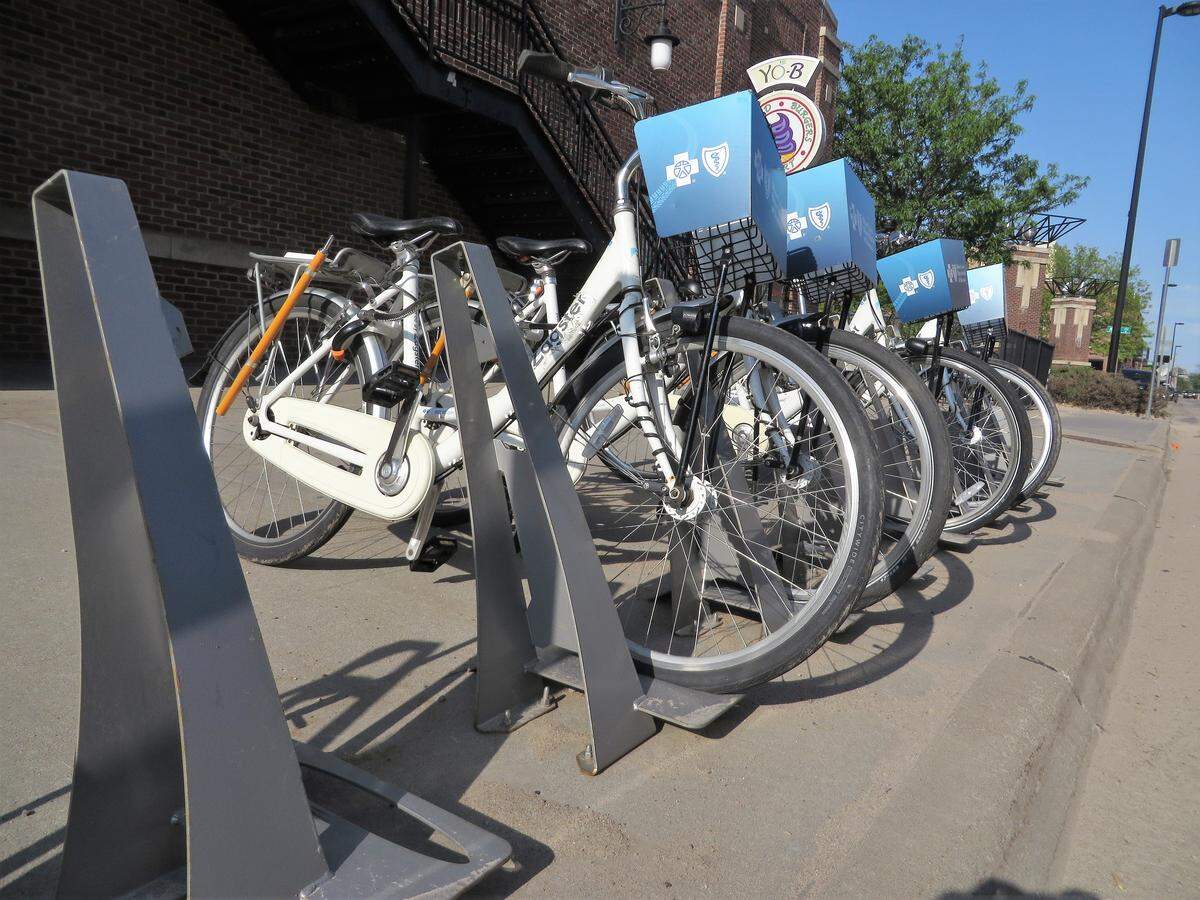
The city of Santa Cruz could be one model. It’s implemented a successful program, now with a fleet of 300 bikes using the vendor Jump Bikes, according to city officials.
Jump uses an app that charges per-minute rates and unlock fees, with reservations and monthly subscriptions available. A $25 fee is assessed for locking a bike outside the system area.
Councilwoman Carlyn Christianson said she’d like to see a limited use of city resources for the program, saying that many Cal Poly students already have bikes and city bike infrastructure remains a challenge to getting around town.
Christianson said that using bikes as a connector to park-and-ride drop-offs or bus stops, as well as neighborhoods such as the Laurel Lane area that are linked with existing bike paths, should be a priority of the bike share program.
“In terms of investing a lot of our city resources, low cost is kind of where I’m going,” Christianson said. “... I’m thinking less about downtown and more the neighborhoods, which could have quite a bit of micro-commuter use. That’s more where I’m thinking about it.”
Christianson said the emphasis should be on “innovative ways that really do create some kind of mode shift and deal with emissions that aren’t just serving the obvious.”
Councilman Aaron Gomez said a key concern should be finding ways to use funding through the program to improve city bike infrastructure because, on its own, the program doesn’t guarantee increased ridership.
Gomez also suggested using price incentives to get riders to return bikes to stations or racks. That would reduce the need for extra car trips around town to retrieve bikes.
Mayor Heidi Harmon said she supports the e-bike proposal and expressed the need for education around safety, involvement of seniors in the planning, and signage.
City bike infrastructure remains a challenge for ridership
The city has spent about $1.5 million on average over the past six years to help make riding safer and more convenient in the city. The city’s goal is to increase bike commuting to 20 percent from its current level of about 8 percent, a level that has increased from less than 6 percent over the past decade.
“About 60 percent of SLO residents would bike more frequently with better infrastructure,” Schwartz said.
The highest ranked barrier for bicycling remains that people don’t feel safe. The city noted surveys have shown the average person doesn’t feel comfortable cycling with their kids.
The city policy now is that bikes can’t be parked in the street or right of way, and the bike share program would have a similar concept, Schwartz said.
Just how many shared bikes might be deployed in SLO has yet to be determined.
This story was originally published October 3, 2019 at 5:15 AM.
%20Cropped.jpg)