
A third of SLO County homes are at high risk of wildfire damage. And it’s not getting better
San Luis Obispo County is known for its rural open spaces and coastal mountain range, but that also makes homes more vulnerable to wildfires — particularly during a fire season that’s expected to remain robust through the fall.
Recent reports show San Luis Obispo County is in an area of California where there is a greater than usual chance of a significant wildfire this year, and one-third of the homes are at extreme to high risk of wildfire damage.
An analysis by insurance data provider Verisk Analytics shows that more than 38,000 homes in San Luis Obispo County — 33 percent of the total homes in the county — are at risk of being damaged or destroyed by fire. That’s more than double the statewide average.
According to the study, 15 percent of all housing units in California have high to extreme risk of wildfire damage.
Three factors determine risk:
- How close a property is to forests, shrubs and trees;
- Whether it’s near hilly or mountainous terrain;
- Whether it’s in a location that’s isolated and hard to reach.
Already California’s deadly wildfire season has devastated communities.
The Carr fire, which has destroyed at least 1,080 residences in or near Redding, created a tornado of flame with record-breaking winds reaching speeds of 143 mph, according to the Associated Press.
The Mendocino Complex fire grew Monday to 283,800 acres — or 443.4 square miles —becoming the largest wildfire in state history.
In total, nearly 4,000 fires statewide this year have burned almost three times the amount of land burned in the same time period last year, according to data provided by Cal Fire.
Long fire season
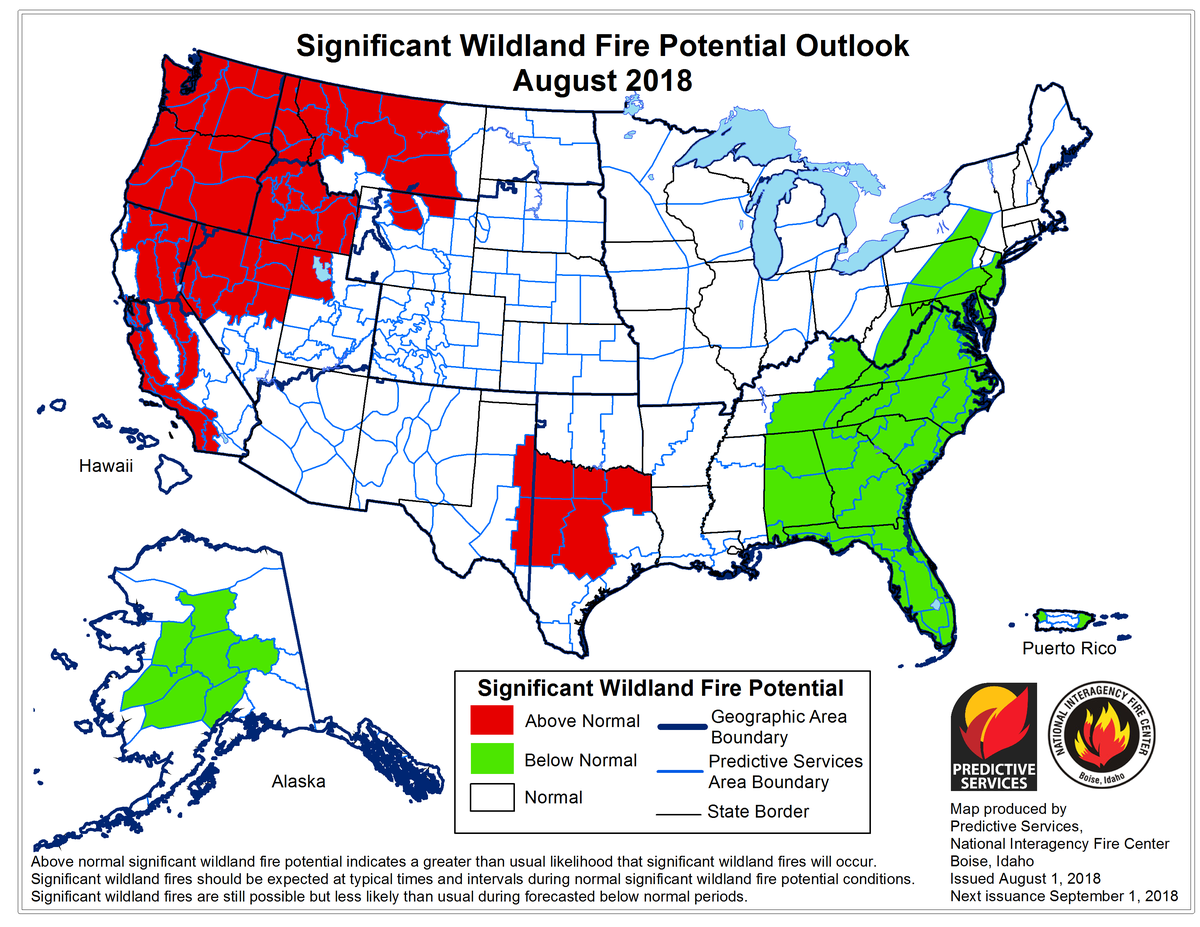
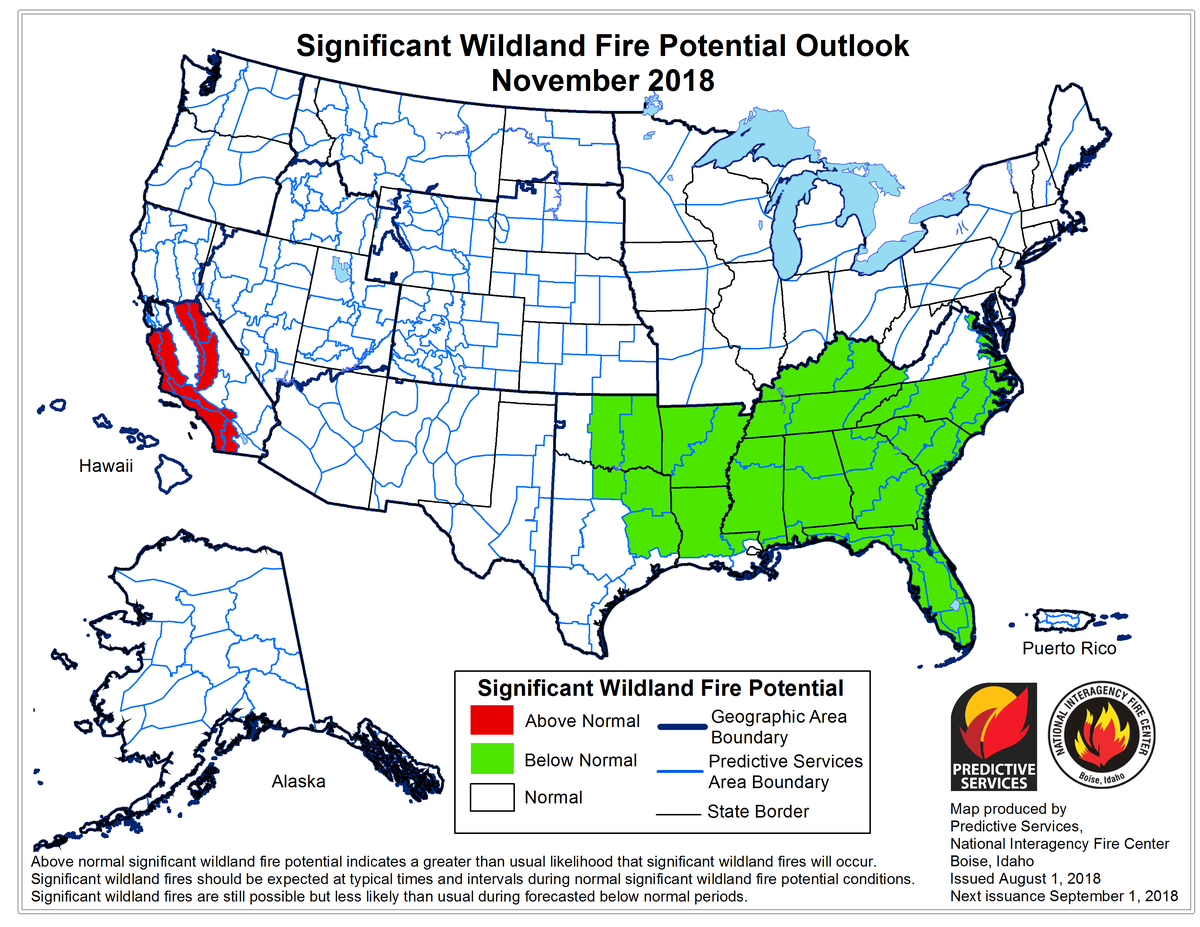
While August is peak fire season in the West, the risk of new wildfires isn’t likely to relinquish for months, according to a national fire potential outlook published by National Interagency Fire Center.
The south and Central Coast, along with the Sierra foothills and parts of the Central Valley are experiencing above normal potential for a significant wildland fire, due in part to hot weather reducing moisture in dead fuels, the report says.
Cool and wet winters historically tapered the risk, ending fire season. But that break is increasingly unreliable.
With warmer than average temperatures expected through the fall, large fire potential will likely remain until at least November, the report says.
Homes at risk
More than 500,000 acres burned in California in 2017, including the Tubbs fire in Sonoma County that eliminated more than 5,600 structures and took 22 lives.
The Verisk analysis showed that 2 million homes are at risk statewide and Alpine, Trinity, Tuolumne, Mariposa and Nevada counties had the highest concentration of houses at risk, according to the analysis.
Los Angeles, San Diego, San Bernardino, Ventura and Alameda counties had the largest number of units at risk.
In the case of the northern counties, the risk will be higher because homes there are often dispersed at the edge of a wildland area, said Lenya Quinn-Davidson, a Eureka-based fire advisor for the University of California Division of Agriculture and Natural Resources.
“Those areas that you mentioned are areas that have a lot of homes mixed into the wildland-urban interface — areas where there are a lot of homes that are edgy and in the forest and have a lot of fuel,” Quinn-Davidson said.
Quinn-Davidson said many homes actually burn not from the front of the fire but from embers landing on roofs filled with debris or nearby shrubs.
“And if you get an ember landing on your rain gutters and your rain gutters are packed with leaves that’s a sure way to have your house burn down,” Quinn-Davidson said. “That’s how we’re losing these homes. It’s not from the fire actually burning over the house.”
This story was originally published August 6, 2018 at 5:40 PM with the headline "A third of SLO County homes are at high risk of wildfire damage. And it’s not getting better."