Syphilis is on the rise in SLO County. What to know about symptoms, prevention
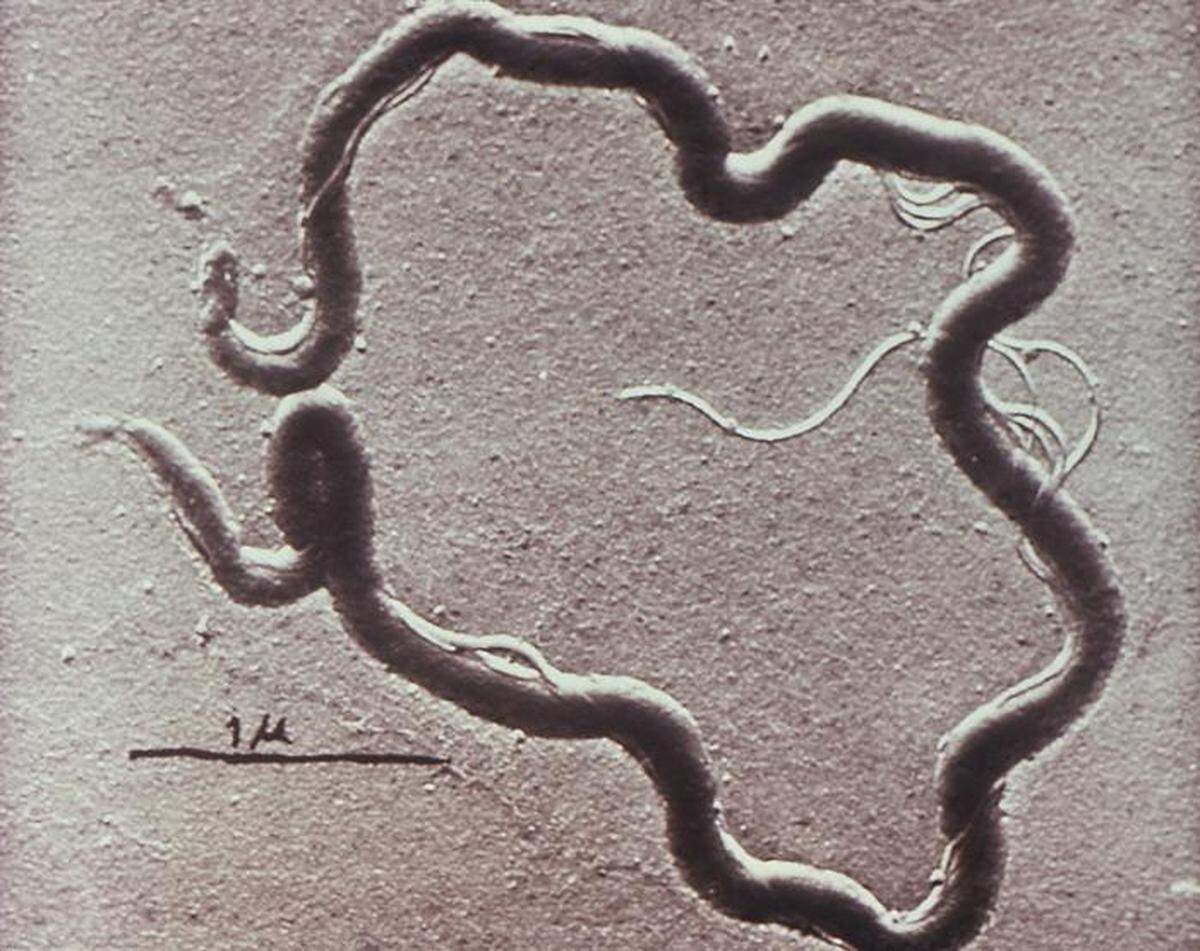
Syphilis is on the rise in San Luis Obispo County, local medical officials warned.
The sexually transmitted infection — which is most commonly spread through unprotected vaginal, anal, or oral sex with someone who has the infection — saw cases rise during the COVID-19 pandemic and have remained elevated ever since, according to the San Luis Obispo County Department of Public Health.
In 2024, the Health Department recorded syphilis at a rate of 36 cases per 100,000 people, exceeding the most recent peak in 2022 of 35 per 100,000 people. According to the department, the total caseload of people infected with syphilis reached a recorded high of 107 last year — an increase from 81 cases in 2023 and higher than the 2022 peak of 100 total cases.
San Luis Obispo County Public Health Agency infectious disease epidemiologist Jessie Burmester said though syphilis numbers are below those of other sexually transmitted infections like gonorrhea and chlamydia, the severity of the infection makes an increase in cases all the more impactful.
“... The burden of syphilis impacts less people than chlamydia and gonorrhea,” Burmester said. “That being said, due to the severity of disease that syphilis causes, it’s still extremely important that the county of San Luis Obispo has an idea of what’s circulating.”
Why are STI, STD cases on the rise?
According to data from the county Department of Public Health, syphilis cases were far less common around 10 years ago.
In 2015, the earliest year of data published by the county, syphilis cases occurred at a rate of just 16 per 100,000 people, and after bottoming out with 15 per 100,000 in 2020, has risen quickly.
Burmester said the pandemic had several long-term effects on disease detection and treatment.
“We all know that the COVID-19 pandemic started in 2020 and with that came a large disruption in healthcare access, so likely a major contributor to our syphilis numbers increasing since 2020 was the fact that there was limited or decreased access to other health care needs,” Burmester said. “Elective surgeries went away, it was really hard to see your primary care doctor and it was really challenging to get appointments for other things.”
That lack of consistent access to health services during the start of the pandemic likely explains the dip in 2020; in 2021 and 2022, cases rose more rapidly than in the years before the pandemic as people got tested more frequently, Burmester said.
In San Luis Obispo County, syphilis is more likely to present in men than women, at a rate of 52 per 100,000 compared to 21 in 100,000, respectively, according to county health data.
Compared to other cases of chlamydia and gonorrhea, incidences of syphilis — which is a far more severe infection — make up a relatively small share of the STD caseload in San Luis Obispo County.
For example, recorded cases of chlamydia have largely declined in the past decade; in 2017, cases peaked at 452 per 100,000 people compared to 227 per 100,000 in 2024.
To a lesser extent, cases of gonorrhea have declined from 83 per 100,000 in 2016 to 53 per 100,000, according to county data.
What are symptoms of syphilis? How do you prevent it?
According to the Centers for Disease Control, the earliest warning signs of the primary stage of syphilis appear as sores at the location where the infection entered the body, usually in, on or around genitalia, the anus, rectum, lips or inside of the mouth.
Sores typically last three to six weeks, and appear firm, round and painless, according to the CDC. Once the infection progresses to the second stage, skin rashes appear in the aforementioned area, and can start to appear on the palms of hands and bottoms of feet, accompanied by other symptoms such as fever, swollen lymph glands, a sore throat, hair loss, headaches, weight loss, muscle aches and fatigue.
Without treatment, syphilis can infect the brain, nervous system, eyes and ears, causing long-term neurological effects and harming the long-term functionality of the affected organs, according to the CDC.
According to the CDC, the only way to completely avoid chances of infection is not to have vaginal, anal or oral sex.
Sexually active people who are not in a mutually monogamous relationship are encouraged to use condoms correctly, according to the CDC. It is important to note that contact with syphilis sores on areas not covered by a condom can still transmit syphilis, according to the CDC.
Burmester said the county has been warning emergency care, obstetrics and gynecolegy clinics and primary care providers of the increased risk amid a rise in the number of syphilis cases.
County-affiliated clinics provide access to STD prevention measures such as condoms for free and can perform screenings to anyone concerned about their sexual health, Burmester said.
“We encourage anyone who has symptoms of any disease to seek health care to talk to their providers about their travel history, their sexual history, to be up and forthcoming with that information to best assist them in getting tested for certain diseases,” Burmester said.
For more information on syphilis cases and where to get tested in San Luis Obispo County, visit www.slohealthcounts.org.
This story was originally published March 3, 2025 at 1:57 PM.