Treatment center for veterans just closed. Now a SLO County congressman has stepped in
The closure of the only residential treatment center on the Central Coast for veterans battling addiction has attracted the attention of a local congressman, who has stepped in on their behalf.
Congressman Salud Carbajal, a veteran of the Marine Corps Reserves himself, met with the head of the U.S. Department of Veterans Affairs on Thursday about the sudden closure of Legacy Village after the VA stopped processing referrals to the community-based facility.
The change in how referrals were processed was a surprising about-face for the VA, which is obligated to route clients to community-based treatment facilities under certain conditions, per the VA MISSION Act, also know as the Maintaining Internal Systems and Strengthening Integrated Outside Networks Act.
“For most types of care, if the drive time exceeds 30 minutes, then the veteran can receive community care. Unfortunately, residential (substance use) treatment was excluded from the designated access standards,” Carbajal wrote in a letter addressed to the U.S. Secretary of Veterans Affairs Denis McDonough. “At the most northern part of the district, the drive time to the Domiciliary in Los Angeles is nearly four hours, and from the most southern part, the drive time still exceeds an hour. My district is not unique. … We owe it to our veterans to provide accessible and quality care.”
BEHIND THE STORY
MORECare for veterans battling addiction in SLO County
The Tribune’s coverage of a local treatment center’s closure drew attention from a San Luis Obispo County congressman and the U.S. Department of Veterans Affairs. Click the arrow for the background on this story.
Change in VA policy forced SLO County veterans to travel hundreds of miles for care
In recent months, The Tribune has written multiple articles about the barriers San Luis Obispo County veterans encountered trying to access community-based health services, particularly treatment for addiction.
The Tribune first reported on the problems faced by local veterans in May 2023 when Legacy Village, a Nipomo residential facility that treats veterans for substance use disorder, suddenly stopped receiving referrals and insurance authorizations from the Veterans Affairs Greater Los Angeles Area.
In October 2023, The Tribune dug deeper into the challenges Legacy Village and SLO County veterans were facing with the VA.
SLO County veterans service providers told The Tribune that the decision to stop authorizing veterans to use their VA benefits for health services in their respective communities was a direct violation of the U.S. MISSION Act, a 2018 law designed to help veterans access health services locally instead of traveling hundreds of miles to receive services at their assigned VA health center.
The VA confirmed in that article the VA Greater Los Angeles Health Center is prioritizing referrals to the VA-run west Los Angeles-based residential substance use disorder treatment center, called the Domiciliary, ahead of community-based treatment centers like Legacy Village.
By halting referrals to Legacy Village, the only residential treatment option for Central Coast veterans battling addiction, the Nipomo center’s revenue stream dried up, and owner Dennis Farmer announced the 12-bed facility would be closing permanently shortly after the second article published.
That got the wheels turning, and Congressman Salud Carbajal, a U.S. Marine Corps Reserve veteran, met with VA Secretary Denis McDonough to talk about the problems San Luis Obispo County veterans are having with the VA’s policy to prioritize filling beds at the Domiciliary instead of authorizing community-based care.
In early November 2023, VA representatives will be traveling to the Central Coast to meet with Carbajal, San Luis Obispo County Veterans Services Officer Morgan Boyd, and other stakeholders to talk about how to keep Legacy Village open and improve options for local veterans.
“The VA does not like to be in the news,” Boyd told The Tribune.
He said the press coverage about Legacy Village and the impacts on SLO County veterans helped encourage action at the highest levels of government.
After the meeting between Carbajal and McDonough in Washington, D.C., the gears started moving to help local veterans.
In early November, regional and statewide representatives of the VA will be coming to the Central Coast to meet with Carbajal, SLO County Veterans Service Office Morgan Boyd, and other stakeholders to discuss the barriers local veterans are experiencing when trying to access substance use recovery services.
“I feel confident that a lot of the underlying issues that are going to be addressed in this meeting,” Boyd said.
Carbajal began discussions with the VA and Legacy Village beginning in spring 2023, when referral challenges first emerged, according to a news release from Carbajal.
However, “this should have been done eight months ago,” Boyd said, when veterans advocates first raised the issue about referrals being routed through the VA Greater Los Angeles Health Center.
The change is coming too late for some SLO County veterans who needed services urgently and failed to receive them, Boyd said.
“We’ve had four suicides in the last three months of veterans that we know directly in this community,” he said.
At least one of those veterans was waiting for a referral to Legacy Village before dying by suicide, he said.
“When we don’t have these resources in our community, it just marks things so much more difficult.”
VA must act quickly to keep Nipomo treatment facility open, owner says
Legacy Village was mentioned directly in the letter Congressman Carbajal addressed to McDonough.
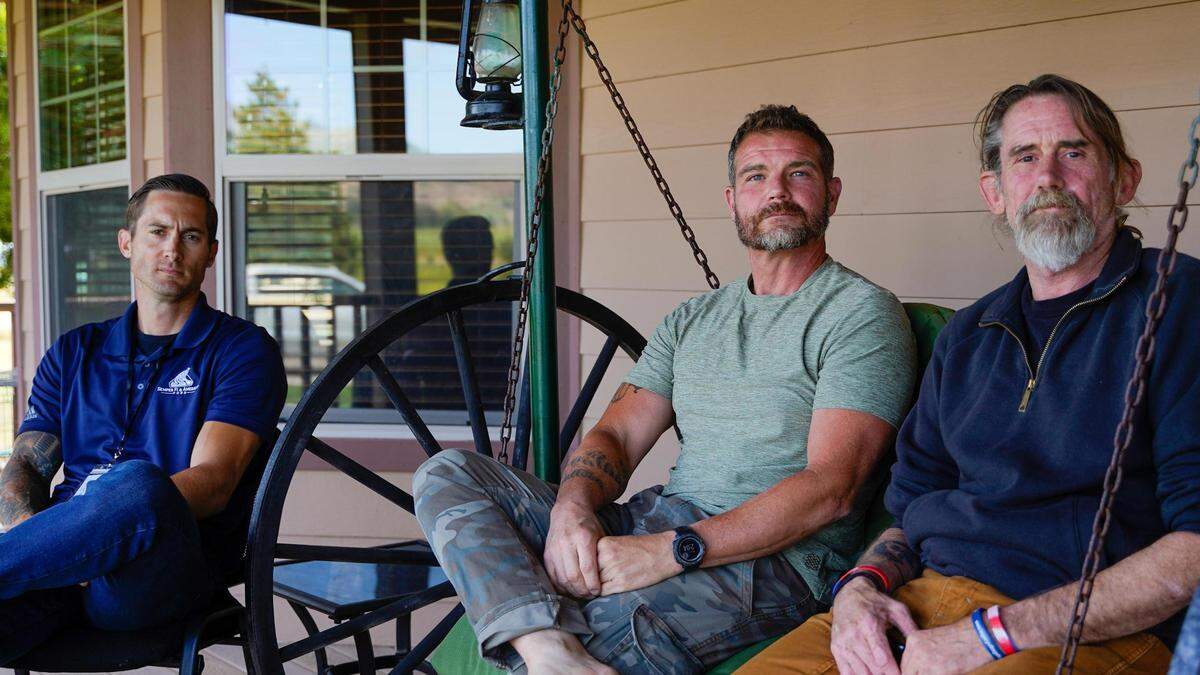
“We’re thrilled that Congressman Carbajal’s office is is realizing that there’s a problem,” CEO Dennis Farmer said. “We’re also thrilled that he is advocating for change, and he realizes how important it is for the veterans of our community to get help here in their community.”
Farmer said he hasn’t yet been invited to the November meeting between the VA and veteran advocates, but is “certainly more than willing to participate.”
Meanwhile, time is running out for the private rehabilitation center. Farmer said he needs clients referred to Legacy Village as soon as possible, not in three to five weeks.
Farmer had a call with the interim VA Greater Los Angeles Health Center Director Robert Merchant on Thursday evening.
“I said, ‘Listen, there’s no two ways about this — I’ve got to turn the keys over for the ranch if I don’t get at least two or three clients in, and I mean immediately, within the next couple of days,’” Farmer said of his call with Merchant. “There’s still a chance to save it, but I need to have some authorizations and clients.”
Boyd said the reason the VA may be looking to community-based treatment facilities to take on veteran clients again is due to a COVID-19 outbreak at the Domiciliary, the VA Greater Los Angeles Area’s preferred residential treatment facility for veterans needing substance use disorder services in the region.
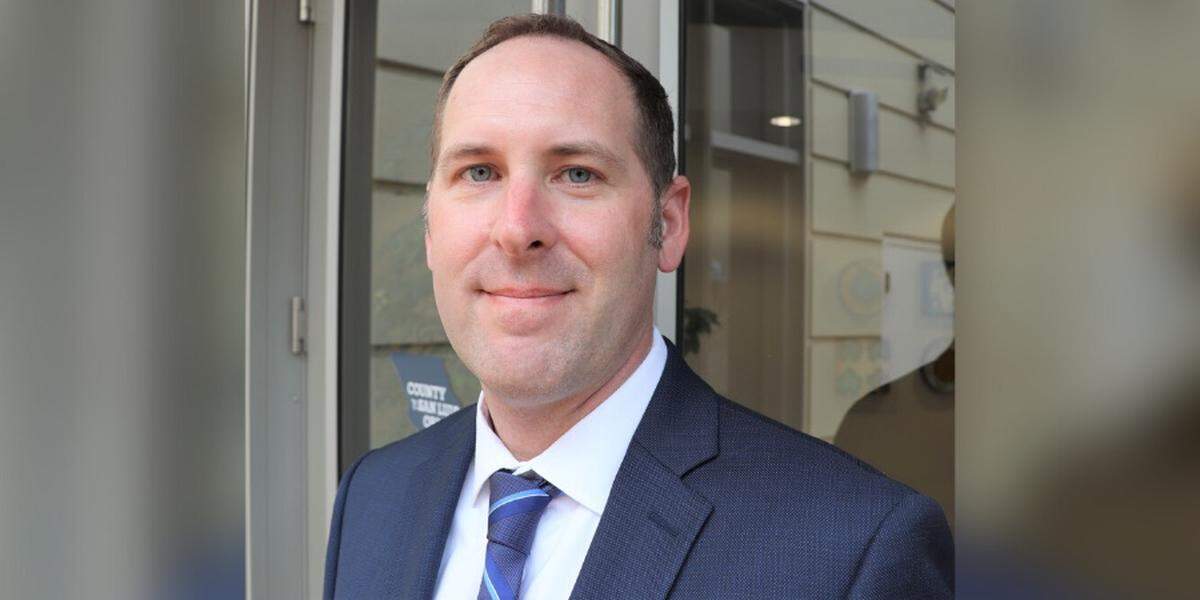
“I don’t think it’s a coincidence that they’re now jumping through hoops to talk to anybody when the congressman is involved and their only facility in the greater Los Angeles Area is effectively shut down,” he said.
Boyd said that a local client that wanted to be seen by Legacy Village recently was routed to a treatment facility in Orange County instead because the Domiciliary is closed due to a COVID-19 outbreak, which is not the ideal outcome for the SLO County veteran or for Legacy Village.
“It’s an emotional roller coaster, but and I’m trying to not get my hopes up too much yet,” Farmer said. “We’ve seen people in the past give some lip service to our concerns, but none of it has seemed to really come to fruition, so I’m cautiously optimistic.”
This story was originally published October 20, 2023 at 12:55 PM.