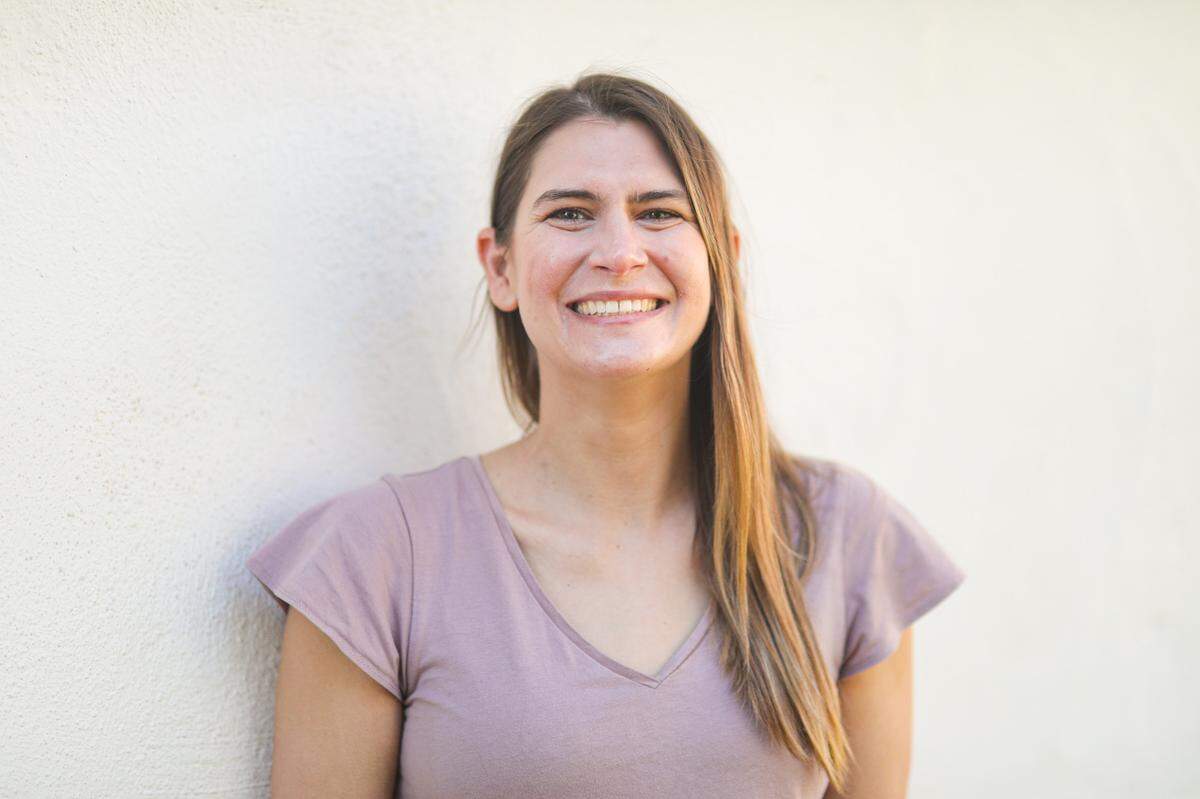
How an icy therapy helped SLO breast cancer survivor save her hair
San Luis Obispo resident and attorney Lisa Lazzara always had routine mammograms.
In December 2021, her cancer screening showed a lump in her breast that wouldn’t have otherwise been detected. In January, a biopsy revealed she had cancer.
“In the beginning, I said to my oncologist, ‘If I have to have chemo, am I going to lose my hair?’ And she said ‘yes,’ and then she just kept talking about other stuff,” Lazzara said.
Lazzara recalled a conversation with her now-deceased mother who was undergoing treatment for non-Hodgkin’s lymphoma, another form of cancer. Despite undergoing chemotherapy, which can cause hair loss, Lazzara’s mother said she was putting frozen caps on her head during her infusions and was keeping a lot of her hair.
Lazzara turned to Google and learned that patients who wear cold caps or use scalp cooling devices during chemotherapy were able to limit alopecia induced by chemotherapy.
October was Breast Cancer Awareness Month, and while many people like Lazzara know that early detection through routine mammograms is a life-saving screening, fewer are aware that cold capping can save their hair from the toxic affects of chemotherapy.
“There’s just an appalling lack of information about even what she did,” said Lazzara’s best friend Susan Waag of San Luis Obispo, who is also a breast cancer survivor.
UCLA breast surgical oncologist Dr. Farnaz Haji echoed Waag’s comments.
“(Cold capping) is not as well advertised,” Haji said.
Depending on the type of cancer and chemotherapy treatment, patients like Lazzara can implement a cold-capping regimen along with their chemotherapy infusions and get great results, Haji said. But there are numerous financial and logistical barriers that prevent many patients from implementing a cold-capping routine during chemotherapy to prevent hair loss.
“I don’t want to say it’s an intentional thing, but I feel like there’s so many limitations. A lot of people just kind of have given up on it because of external limitations that exist,” Haji said.
Lazzara was committed to cold capping and had the help of her best friend.
After four chemotherapy infusions and a rigorous cold capping routine, Lazzara was able to preserve about 70% of her hair. The hair that is growing back is the same texture and color as her pre-chemotherapy hair.
“I’m very pleased with the results,” Lazzara said. “If you met me somewhere you would never think ‘oh, she just went through chemo three months ago.’”
Cold capping is an evidence-based solution to prevent hair loss from chemotherapy
Cold caps or scalp cooling systems are tight-fitting hats that cancer patients can wear during chemotherapy infusions to reduce the effects of hair loss from the treatment.
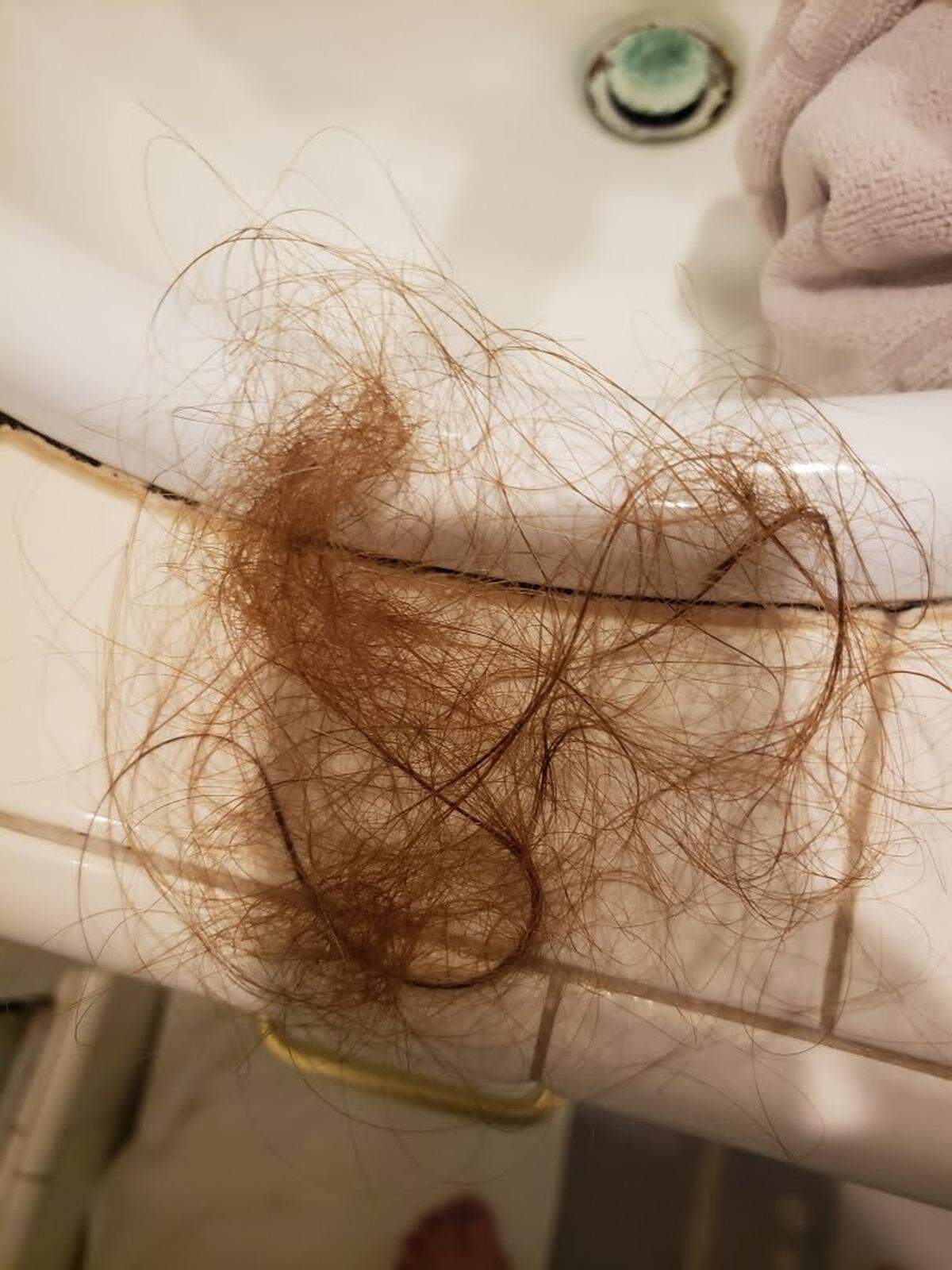
Chemotherapy is administered through the blood stream with the goal of killing any cancerous cells and metastases. The most common side effects of chemotherapy are dehydration, nausea and, for some forms of cancer and associated chemotherapy, hair loss.
“We’ve gone pretty far as far as managing the other side effects but with the hair loss thing, we’re lagging behind,” Haji said.
Cold capping or scalp cooling induces the vasoconstriction, or narrowing, of blood vessels in the scalp, similar to icing a bruise, to reduce blood supply to the area, Haji said.
“When you have reduced blood flow to those hair follicles, it therefore reduces the uptake of chemotherapeutic agents that are roaming around in our blood supply to the scalp,” Haji said. “The second way that we think it works is that it reduces the kind of good biochemical activity which may make the hair follicles actually less susceptible to the damage of chemotherapy.”
In 2017, a randomized clinical trial — the gold standard of measuring efficacy of a health intervention — found that patients who used cold capping or scalp cooling during chemotherapy were significantly more likely to lose less than 50% of their hair than those that did not cool their scalp.
The clinical trial enrolled patients with stage one or stage two metastatic breast cancer that planned to receive at least four cycles of chemotherapy, according to the study.
Researchers said cancer cells are unlikely to metastasize in the scalp after chemotherapy treatment, which makes scalp cooling a low-risk intervention.
Scalp cooling with cold caps or other devices is not universally effective for all cancer patients, Haji said. Someone with a more severe form of cancer who will receive stronger chemotherapy treatment may not benefit from scalp cooling the same way a patient with a less severe cancer diagnosis and chemotherapy regimen would.
“I think it should be something that is at least discussed as part of the chemotherapy education, and then most clinicians are familiar with which patients are not benefiting from this as much depending on their chemotherapy type,” Haji said.
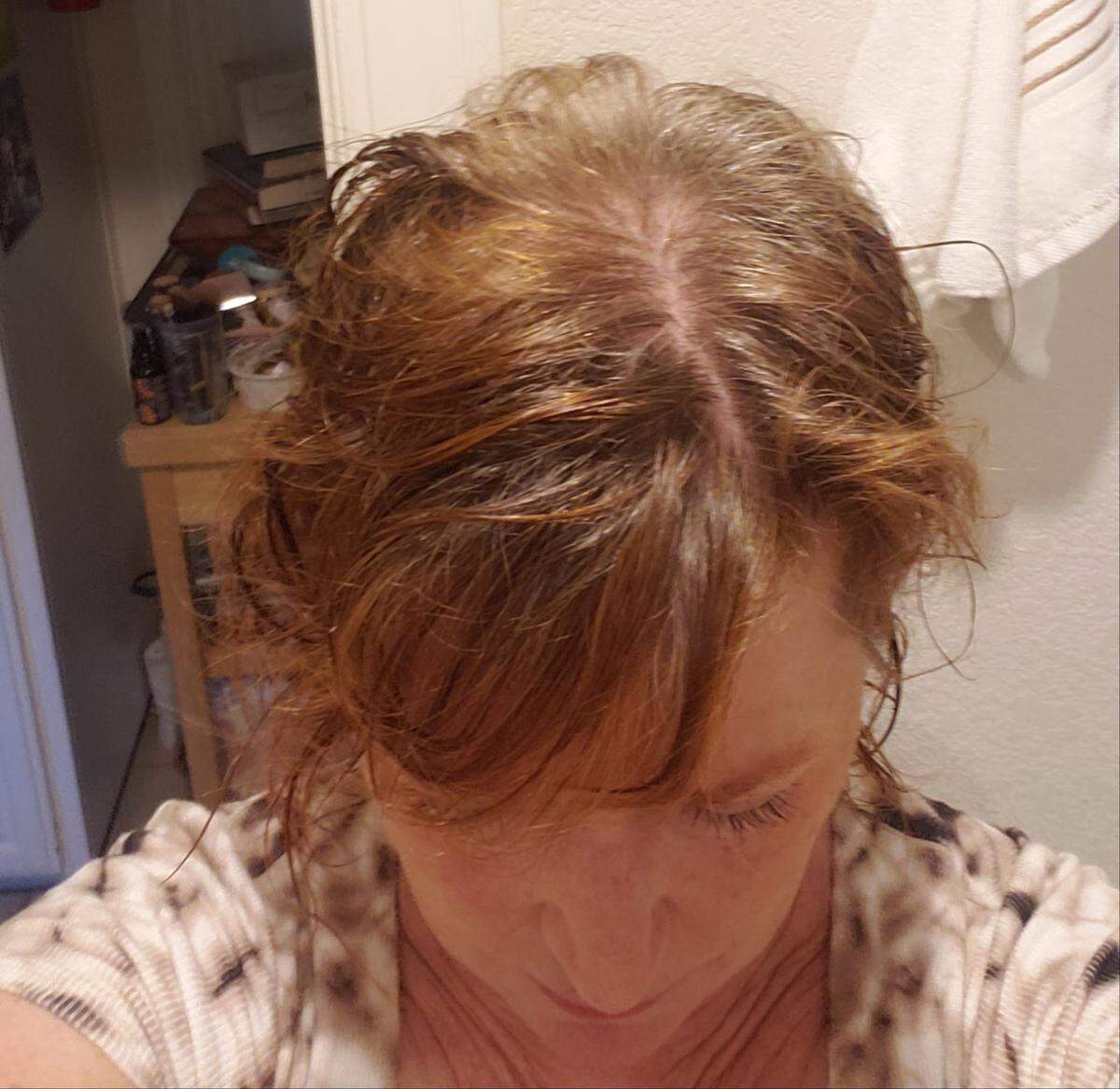
How SLO woman kept most of her hair during breast cancer chemotherapy
After Lazzara was diagnosed with breast cancer, the UCLA Oncology Center in San Luis Obispo connected her with a social worker to help her navigate her new diagnosis. Lazzara told the social worker she needed one thing — information about cold capping.
The social worker wasn’t a proponent of the intervention, Lazzara said.
“She said, and I’m paraphrasing, ‘I know what it is, but it’s expensive. Generally speaking, insurance companies don’t pay for it. It’s complicated, some people can’t tolerate it. It’s all kind of negative stuff.”
There are two primary methods for preventing chemotherapy-induced alopecia through freezing the capillaries.
Scalp cooling systems typically involve one cap that is connected to a refrigeration machine that pumps cold liquid throughout the cap during the treatment. Scalp cooling systems are available in some oncology infusion centers but not currently in San Luis Obispo County.
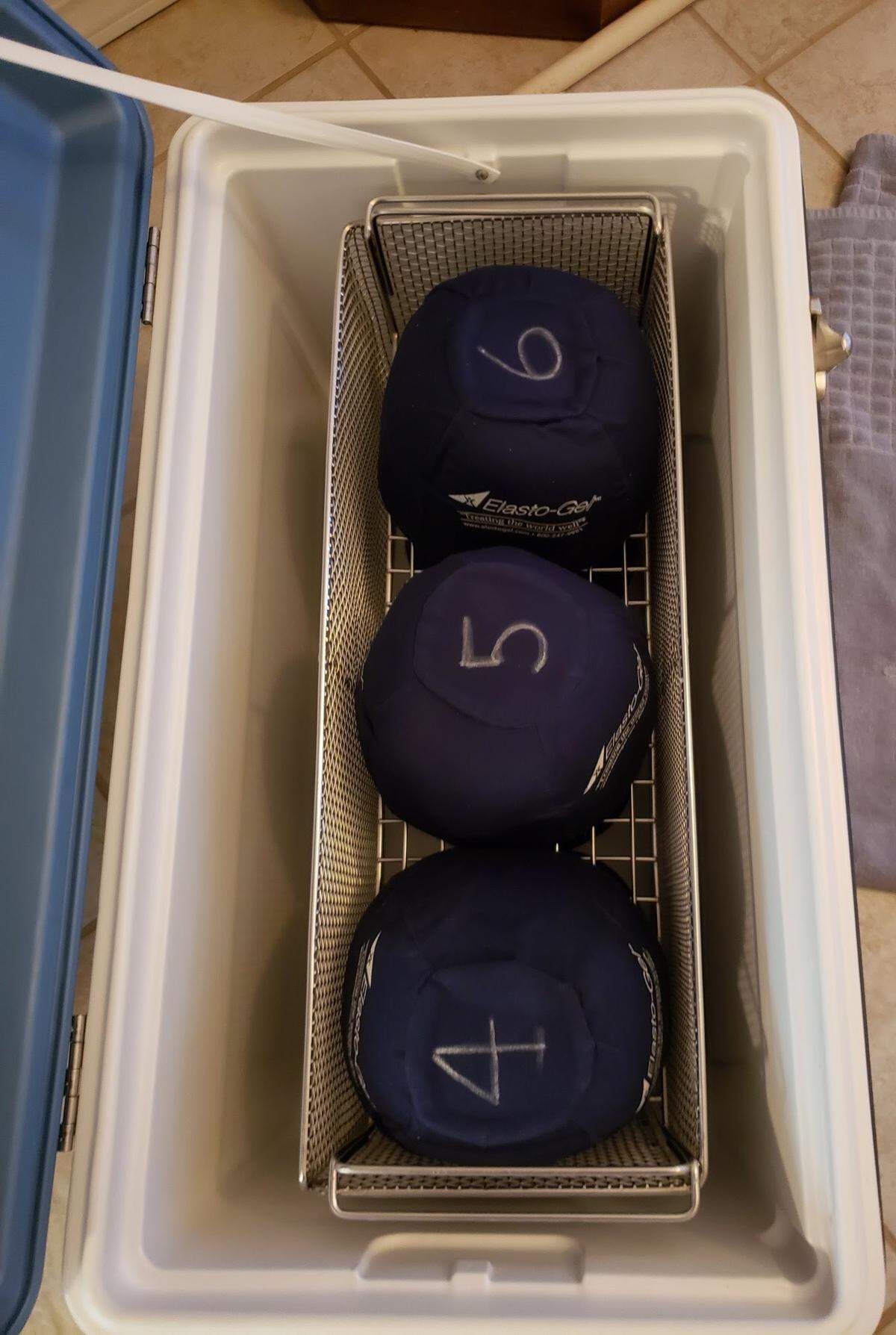
This left Lazzara with another option, cold caps, which function similarly to ice packs and involve a rotation of caps that are cooled using dry ice to minus-35 to minus-38 degrees Celsius and then placed on the scalp.
A local woman who cold capped as part of her cancer treatment in San Luis Obispo referred Lazzara to Chemo Cold Caps, a Texas-based company that created a cold cap system.
It was soon clear that cold capping required the assistance of at least two people, the chemotherapy patient donning the caps and a person managing the cold cap system.
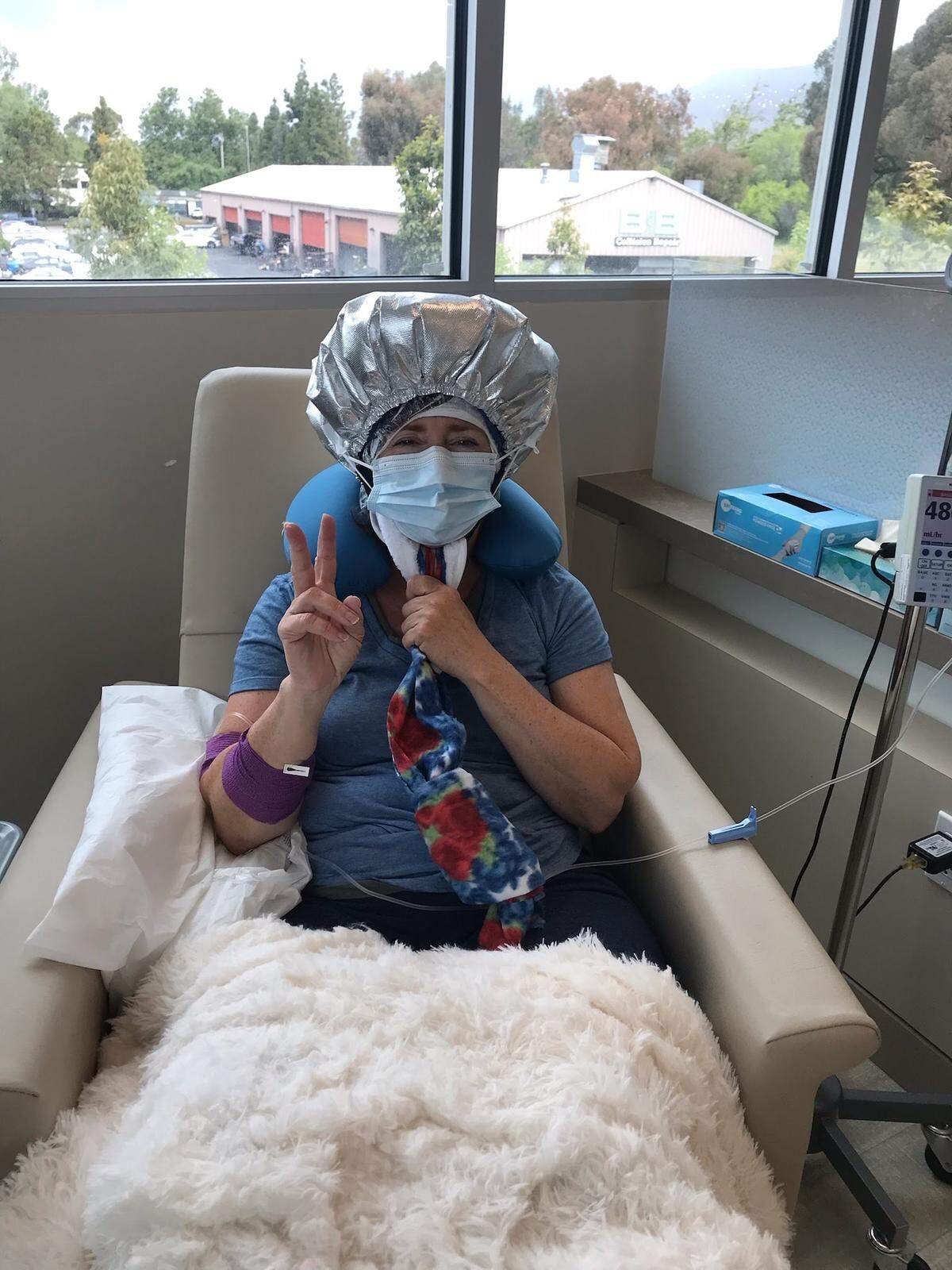
Lazzara discussed her plan to cold cap during chemotherapy Waag, her friend of about 15 years. After she explained that it was a two-person process, Waag quickly volunteered to undergo the training and help her friend manage the caps throughout the course of her treatment.
“I was happy to do it,” Waag, a two-time breast cancer survivor, said.
The Chemo Cold Caps system involved rotating six frozen caps on the patient’s head every 15 to 25 minutes for an hour before chemotherapy, during the duration of the infusion and then for four hours after.
Lazzara said her ears felt like blocks of ice during the treatment, and while it wasn’t comfortable, it was managable and the results were worth it.
The friends worked precisely to follow the manufacturer’s instructions to the letter.
“Because we’re type A personalities, we made sure that we read through those instructions really carefully and took detailed notes,” Waag said.
The friends adapted the Chemo Cold Caps regimen to ensure Lazzara’s scalp stayed frozen the entire time.
For example, they used two coolers instead of one to ensure the caps had direct contact with the dry ice, keeping them colder throughout the rotation. They also opted to switch the caps every 15 minutes instead of every 20 minutes to keep the caps colder.
“It’s about keeping those capillaries cold,” Waag said.
Lazzara had four chemotherapy infusions but cold capped five times because, the fourth time she went in for chemotherapy, they had trouble getting her IV started. The cold caps team was committed and didn’t want to risk Lazzara losing hair over an imperfect infusion, so they went through the cold cap process that time also, just in case.
Haji, who was Lazzara’s surgical oncologist and familiar with her care, said that part of the reason her patient likely got such positive results was in part due to the duo’s dedication to perfecting the intervention.
“The way it sits on the scalp is very important. So it needs to be very accurate, really hitting the scalp,” she said. “It’s a lot of planning and organization associated with that. ... It’s quite a bit of a task, but she was fortunate enough that she had people that could help her with that, so that’s why I think her results were so incredibly awesome.”

SLO woman’s friend, partner made cold cap system work
When it came to preserving Lisa Lazzara’s hair, it took a village.
Lazzara and Waag participated in a training with the cold caps manufacturer, but first the team did a dry run to make sure they came prepared with specific questions beforehand.
Next came securing access to dry ice. The manufacturer recommended 80 pounds for each chemotherapy infusion, but Lazzara found that 100 pounds of dry ice worked better.
The first location Lazzara contacted about purchasing dry ice charged as if it was an industrial order, and it would have cost something like $1.75 per pound of dry ice, she said.
Next, she called Airgas Store in San Luis Obispo and asked about dry ice. Their prices were also expensive, but once the store employee learned she was using the dry ice as part of her chemotherapy treatment, he offered a substantial discount.
“He said, ‘You have cancer, you have a lot bigger things to worry about than how much the ice costs. So we’re glad to help you,’” Lazzara said.
Lazzara’s partner David Bloomfield was tasked with picking up the dry ice from Airgas before every infusion, packing the coolers, dropping them at the infusion center, bringing Waag and Lazzara lunch and transporting the coolers back to their home for the final part of the cold cap treatment.
The team also kept a small cooler packed with a cold cap in case they hit traffic on the way between the oncology center and Lazzara’s home.
“A couple times we had to pull over on the side of the road and change (the cold cap) again,” Waag said. “Because the whole thing is, if you let those capillaries warm up, the chemicals are just gonna go right in there.”
Waag was in charge of the cold-capping regimen.
“It’s very exacting what you have to do, and it’s physically demanding,” Lazzara said. “Each of the chemo days it was a total of about nine hours for (Waag).”
Waag was committed to the process and getting the best result for Lazzara. She advised anyone who plans to support a friend or family member with cold capping to block out the entire day and focus on the main objective, keeping the caps frozen and scalp capillaries constricted throughout the entire process.
“I couldn’t have done it without both of them,” Lazzara said of her friend and partner.
Cost continues to be a barrier for cold capping and scalp cooling
It cost Lazzara about $2,000 out-of-pocket to pay for the expenses associated with cold capping, including the dry ice.
Most insurance companies do not ultimately cover the cost of cold capping but don’t outright deny it either, Haji said.
Instead of an immediate denial, the companies might require the fatigued cancer patient to submit the claim for reimbursement and have their doctors fill out forms, etc.
Haji said the effort it takes to submit the claim is “almost like a polite no, in my opinion.”
She said it seemed like the reluctance of insurance companies to cover cold cap or scalp cooling has to do with conflating preventing chemotherapy-induced alopecia with a cosmetic treatment akin to Botox for wrinkles, a comparison she disagrees with.
“It is a side effect of chemo and treatment,” Haji said. “And that’s very tough on patients’ self image and it’s also a vivid and constant reminder for the patients that ‘I have cancer’.”
Waag went through breast cancer treatment twice but did not require chemotherapy. She said the need for bodily autonomy, privacy about the diagnosis and treatment and control over some part of the process are all reasons why preventing hair loss from chemotherapy goes beyond vanity.
“It’s definitely psychologically a lot more of a burden that we admit for patients,” Haji said. “We need to see it as a medical issue, not just a image issue.”
While some patients may not care about losing their hair and aren’t inclined to cold cap, Haji said she thinks all patients should have the education and the option.
“... And that option shouldn’t be omitted just because they cannot afford another $1,000 out-of-pocket payment,” she said.
Before the Women’s Health and Cancer Rights Act of 1998, patients who had a bilateral or unilateral mastectomy paid out of pocket for breast reconstruction, Haji said.
Through advocacy, the federal law was passed that required insurance companies pay for breast surgery as well as all stages of breast reconstruction and surgery and reconstruction of the other breast to create a symmetrical appearance, Haji said.
Securing insurance coverage for breast reconstruction did not happen overnight and required intensive advocacy from breast cancer patients, she said.
“I think this hair thing has been kind of brushed off as a cosmetic thing like breast reconstruction was, but day in and day out, I hear from my patients that it’s so much more than that for them,” Haji said.

Keeping their hair helps cancer patients feel normal
For some patients, the treatment options following a cancer diagnosis can feel more psychologically taxing than the cancer itself.
“What it felt like during the beginning in particular was the treatment was trying to kill me,” Lazzara said. “I kept having to readjust my thinking to ‘the cancer is the enemy.’”
Waag said the cancer community describes cancer treatment as “slash, burn and poison,” in reference to surgery, radiation and chemotherapy.
“The one thing when you have breast cancer is that you just want to feel normal,” she said.
Research shows that patients report hair loss is often one of the most distressing parts of cancer treatment.
For Lazzara, preserving nearly 70% of her hair through cold capping allowed her to feel like herself throughout the course of treatment.
“Cold capping gave me a sense that I was at least attempting to exercise some control over some small part of it,” she said. “That was really important, emotionally, to me.”
Lazzara finished chemotherapy three months ago and has been able to continue her routines like cutting, dyeing and styling her hair.
“I’m not looking at myself every day and being reminded of chemo every day when I look in the mirror,” she said. “Now when I look in the mirror, I look like myself.”
This story was originally published November 1, 2022 at 5:30 AM.