SLO County groups battle monkeypox misinformation, vaccine shortage: ‘Everyone is at risk’
As monkeypox continues to spread nationwide, local health clinics and LGBTQ resource centers are preparing for the possibility of an outbreak in San Luis Obispo County.
San Luis Obispo County reported its first case on monkeypox on Aug. 15. The county Public Health department said the infected person likely contracted the virus elsewhere in California.
A handful of monkeypox cases have been reported in Monterey and Santa Barbara counties.
The monkeypox virus can infect anyone regardless of their gender identity or sexual orientation, but the current outbreak has disproportionately impacted men, including men who have sex with men, according to state data.
Out of more than 2,000 monkeypox cases reported in California as of Thursday, about 98% involved men and roughly 86% were reported among gay, lesbian or same-gender loving people, according to the most recent data available from the California Department of Public Health.
A recent onslaught of homophobic rhetoric and misinformation linked to the statewide monkeypox outbreak has kept LGBTQ community group and LGBTQ-friendly health clinics busy setting the facts straight.
Dusty Colyer-Worth, executive director of Gala Pride and Diversity Center in San Luis Obispo, said the organization has been working to educate members of the LGBTQ community about the virus and curb misinformation.
“Sometimes we can think we’re in this magic Central Coast bubble, that things like this happen elsewhere,” Colyer-Worth said, but that’s not actually the case.
Who can get monkeypox?
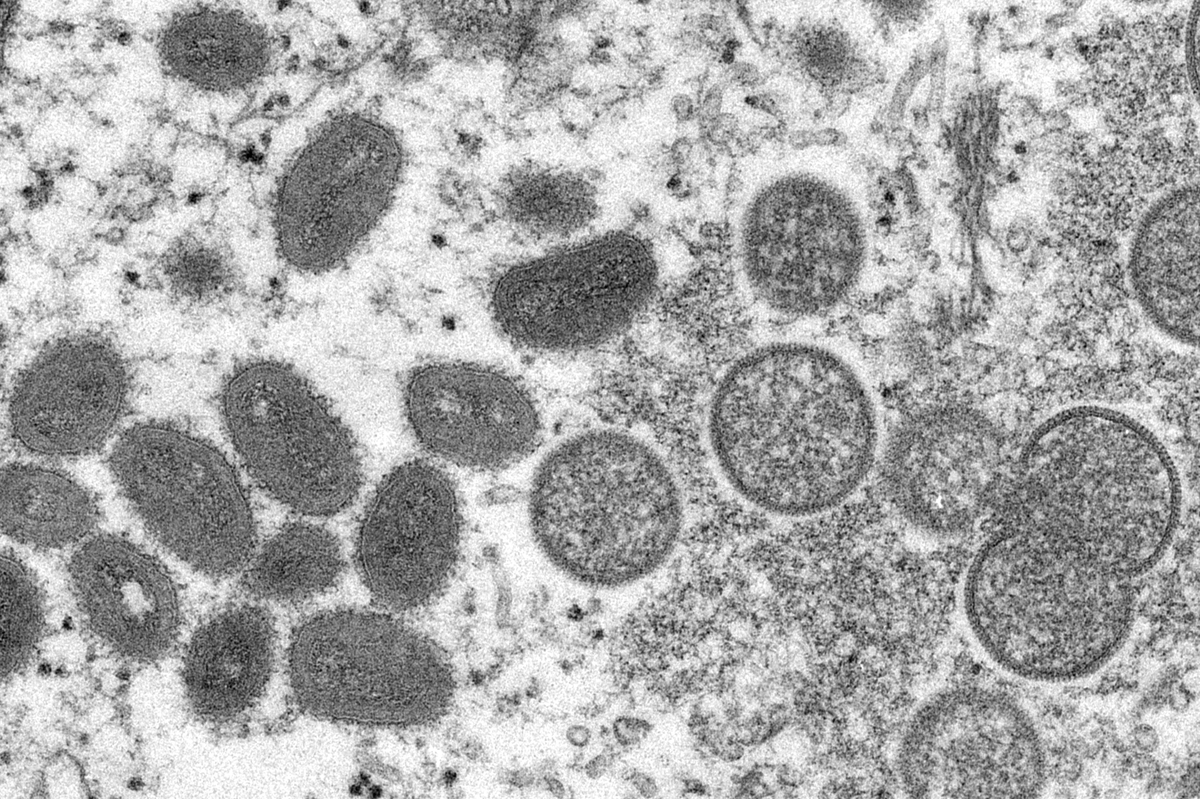
Monkeypox is a virus that can be transmitted through close, skin-to-skin contact, including sexual contact, though it is not classified as a sexually transmitted infection, according to the federal Centers for Disease Control and Prevention.
The virus can also be transmitted through close respiratory secretions and, less commonly, by touching objects and fabrics, such as towels or bedsheets, used by someone with monkeypox, according to the CDC.
“It’s not considered sexually transmitted because it just takes skin-to-skin contact. So everyone is at risk really,” Community Action Partnership San Luis Obispo (CAPSLO) clinic director Kayla Wilburn said. “But it’s that intimate contact that seems to be when its transferred most often.”
People infected with the monkeypox virus may experience experience flu-like symptoms before displaying the rash and pox mark sores characteristic of the disease, according to the state health department. Those look similar to pimples, blisters or ingrown hairs and can be itchy.
The rash and sores may be located on or near the genital area or could be on hands, feet, inside the mouth or elsewhere on the body.
“We are educating patients and letting them know it is something to look out for any type of sore or lesions or anything like that,” Wilburn said.
Monkeypox has a relatively long incubation period, with symptoms appearing about three weeks post-exposure, the CDC said. The illness typically lasts about two to four weeks.
Local CAPSLO clinics recently tested a few patients for possible monkeypox but they turned out to have other conditions, Wilburn told the Tribune on Friday.
Colyer-Worth and Wilburn said it’s possible that monkeypox had already been circulating in SLO County before the first local case was reported. He noted that monkeypox cases can be underreported because of the stigma attached to the virus.
“If you do believe you have it, don’t hide,” he said. “Make sure that you are contacting your health professionals so that we can start that contract tracing appropriately to contain it.”
LGBTQ community battles monkeypox misconceptions
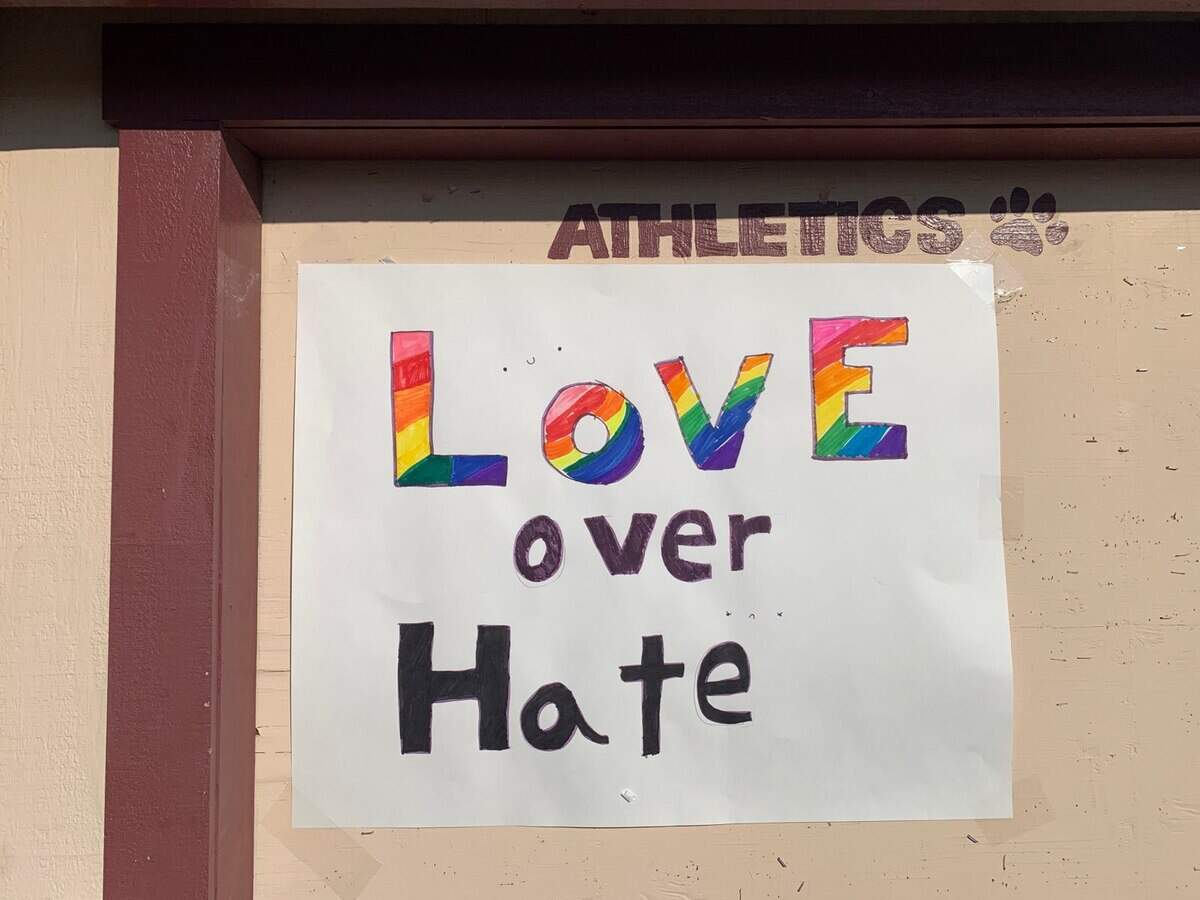
Because the current outbreak has disproportionately impacted men who have sex with men (MSM), some news media organizations and social media posts have started to frame monkeypox as an LGBTQ disease, which it explicitly is not, Colyer-Worth said.
“You can find article after article that calls (monkeypox) a gay illness, a gay disease,” Colyer-Worth said. “It automatically creates and defines a narrative that associates that particularly with gay and trans men.”
Homophobic myths about monkeypox have been bubbling up, he said.
Colyer-Worth quoted some common misconceptions people have about interacting with LGBTQ community members: “I don’t want to shake their hand, I don’t want to share a bathroom with (them). They touched it now it’s infected.”
Such reactions are reminiscent of the homophobic stigma attached to gay and transgender men during the height of the HIV/AIDS epidemic, he said.
“For our community, it’s not our first rodeo being highlighted and attempted to be singled out specifically for an epidemic,” Colyer-Worth said.
Wilburn said the rise in monkeypox cases comes when political attacks against the LGBTQ community are on the rise nationwide and in San Luis Obispo County, stigmatizing an already vulnerable community.
Colyer-Worth said the framing of monkeypox as a “gay disease” has contributed to the government’s slow response to the virus — similar to the way the HIV/AIDS epidemic was handled in the 1980s and ’90s.
“It bleeds directly into a lack of a sense of urgency when it is the ‘others’ problem,” he said. “It helps kick the can further down.”
Colyer-Worth said the monkeypox epidemic is “very likely to get worse before it gets better if there’s not a more dynamic approach.”
How many monkeypox vaccines does SLO County have?
The San Luis Obispo County Public Health Department was first allocated about 20 doses of the JYNNEOS vaccine from the National Federal Stockpile, which protects against monkeypox and its more lethal relative, smallpox.
At the beginning of August, about 10 doses were left, The Tribune previously reported.
The county recently received a second vaccine allocation, according to the Public Health Department.
As of Monday afternoon, Public Health had 24 doses of monkeypox vaccine.
Public Health spokesperson Tara Kennon said the agency is following state guidance to prioritize all vaccines in the two-dose series as first doses.
The vaccine is currently being reserved for people with known exposure to the monkeypox virus, according to SLO County Public Health.
The close contacts of the first SLO County resident to test positive for monkeypox received vaccines from the Public Health Department’s stockpile, according to a news release from the Public Health Department.
“In addition to vaccine given to close contacts of the case announced today, we have provided vaccine to SLO County residents who had close contact with confirmed cases in other counties,” Kennon wrote in an email. “We continue to request more vaccine from the state.”
Health workers and community activists feel a sense of urgency to grow the supply of the monkeypox vaccine in case an outbreak hits SLO County.
“We are woefully unprepared if there’s an outbreak,” Colyer-Worth said. “If there is an outbreak and resources continue to remain limited, it’s going to practically be a vaccine hunger games.”
Wilburn said the most common monkeypox question from patients at the CAPSLO clinics is when they’ll be able to get a vaccine.
“That would be where we would like to see some movement,” she said.
On Aug. 9, the Biden administration announced plans to stretch the existing JYNNEOS vaccine supply and ordered more production.
“We don’t know how long it will take for us to see that increase in availability, so there’s a lot of fear and concern,” Wilburn said.
Colyer-Worth said the COVID-19 pandemic taught health departments how to contact trace on a large scale, which will be necessary if monkeypox spreads throughout SLO County.
“We definitely have been advocating with our local health departments to procure vaccines and then advocate for getting more vaccines available, but also to have a true plan in place,” Colyer-Worth said.
Kennon said Public Health has a procedure for surveillance of suspected monkeypox cases.
Healthcare providers are required to report confirmed or suspected monkeypox cases to the agency, she said.
The Public Health laboratory and commercial laboratories test specimens and if the case is confirmed positive, Public Health nurses will confirm close contacts and coordinate vaccination.
Individuals who had close contacts of known cases in other counties can request a vaccine from Public Health, Kennon said.
.
Gala Pride center partners with SLO County Public Health
On Aug. 5, Gala and public health nurses through the SLO County Public Health Department hosted a science-based information session on Zoom to answer questions posed by LGBTQ community members about monkeypox and address misinformation about what the disease is and how it spreads.
“Education is the strongest tool we can have in our toolbox at this time,” Colyer-Worth said. “Having key partners such as the health department that are on board with advancing that education ... definitely is integral to help locally.”
Colyer-Worth said roughly 50 people attended the Zoom session, which featured lead public health nurses from the county’s communicable diseases and sexual health clinic.
Gala is looking into uploading that recorded session onto its website to serve as an ongoing resource for people with questions about monkeypox, Colyer-Worth said.
Another goal is to translate health resources from English to Spanish to ensure the Spanish-speaking community also has access to evidence-based health information about monkeypox.
Translation plans aren’t currently lined up but Gala is working with partners in the community to get this underway.
Understanding the difference between high-risk behaviors and low-risk behaviors is important for combating misinformation and curbing the spread of the virus, he said.
Behaviors such as shaking hands or using a public restroom are examples of low-risk behaviors, Colyer-Worth explained. Sexual contact is a higher-risk behavior, and not just among the LGBTQ population.
Colyer-Worth said he encourages “anybody and everybody” to have thoughtful conversations with their sexual partners to understand the risk of monkypox and other sexually transmitted infections.
“I think that’s important for everyone,” he said. “Be smart about your own health.”
This story was originally published August 17, 2022 at 5:00 AM.