Monkeypox has reached the United States — what does that mean for SLO County?
People who follow healthcare news may have heard about cases of the monkeypox virus now being reported in the United States.
Monkeypox, which is related to smallpox, starts with flu-like symptoms and swollen lymph nodes and progresses to a rash on the face and body, the CDC said, but it is far less deadly.
As of Friday, there have been no known cases of monkeypox in San Luis Obispo County or in California, according to the SLO County Public Health Department.
Public Health said the risk to the public remains low at this time.
“The Public Health Department is closely following this issue, in coordination with the California Dept of Public Health and CDC, and will provide updates if this situation changes,” according to a statement from Public Health.
Why are we talking about the monkeypox virus?
The Centers for Disease Control and Prevention (CDC) reported a case of the monkeypox virus in a Massachusetts resident on Wednesday.
The man from Massachusetts had recently traveled to Canada by private transportation, according to a news release from the CDC.
Clusters of monkeypox also were reported in Portugal, Spain and the United Kingdom, places that don’t typically report cases of this virus, the release said.
Cases have also been reported in New York, Canada, Sweden and the two largest cities in Australia, according to a Bloomberg report.
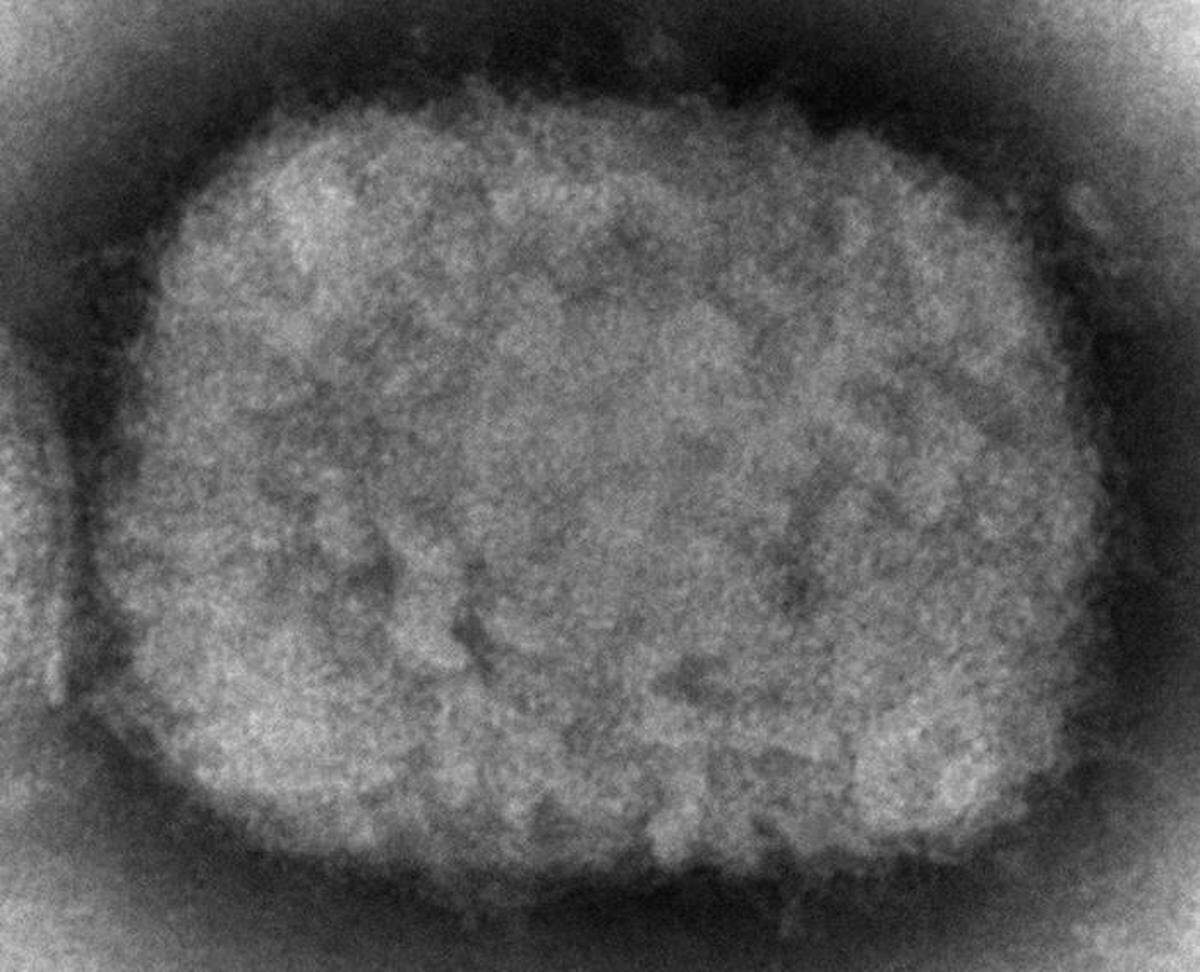
How is monkeypox transmitted?
Unlike the airborne COVID-19 virus, monkeypox is transmitted through contact with bodily fluids, monkeypox sores or shared items like clothing or bedding, according to the CDC.
The virus can also spread through droplets and close contact with individuals in households or healthcare settings, the CDC said.
“Many of these global reports of monkeypox cases are occurring within sexual networks. However, healthcare providers should be alert to any rash that has features typical of monkeypox,” said Dr. Inger Damon, a poxvirus expert and Director of CDC’s Division of High-Consequence Pathogens and Pathology, where the agency’s poxvirus research is based, in a news release.
“We’re asking the public to contact their healthcare provider if they have a new rash and are concerned about monkeypox.”
What is the monkeypox virus?
Monkeypox is a rare disease caused by a virus that was first discovered in 1958 in monkeys, hence the name, according to the CDC.
The virus first spread to humans in the 1970s in the Democratic Republic of the Congo (DRC) during a campaign to eliminate smallpox, which was eradicated in 1980, according to the CDC.
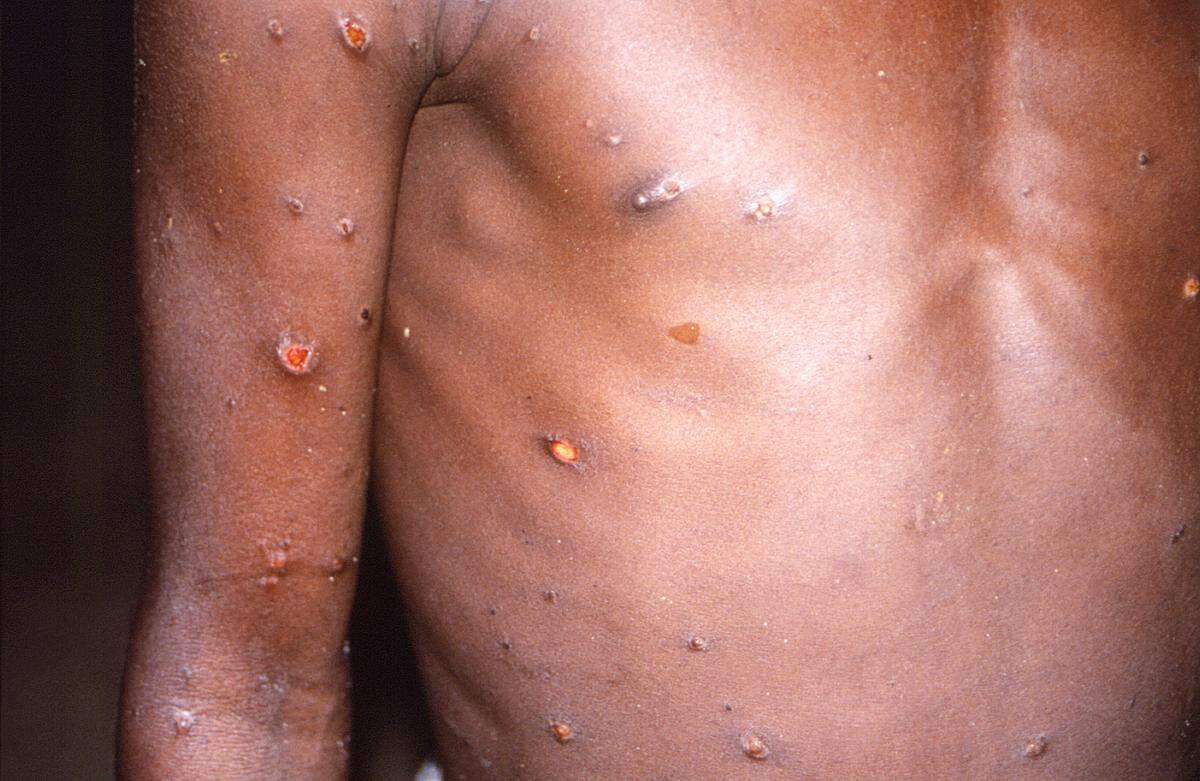
“The eradication of smallpox was one of the greatest achievements in human health and public health history,” said Anne Rimoin, chair of infectious diseases and public health at the University of California, Los Angeles in a Bloomberg report. “But, of course, it’s left the world without immunity to pox viruses. It’s not surprising to start to see more cases occur when people are exposed.”
Monkeypox is less lethal than the smallpox virus. Scientists estimate the strain that is circulating today kills about 1% of those infected, according to the Bloomberg report.
After more than 40 years without any reported cases, the monkeypox virus reemerged in Nigeria in 2017, the CDC said.
Cases of monkeypox reported in the United States are typically linked to travel to central and west African countries, where the disease is more commonly reported, the CDC said.
The CDC alerted health officials that the monkeypox has been discovered in the United States and asked them to stay alert to patients with rash symptoms consistent with the virus, regardless of their sexual or travel history, the CDC said.
“Anyone who has an unusual rash and is concerned about monkeypox should contact their healthcare provider for a risk assessment,” according to the SLO County Public Health Department.
This story was originally published May 20, 2022 at 1:31 PM.