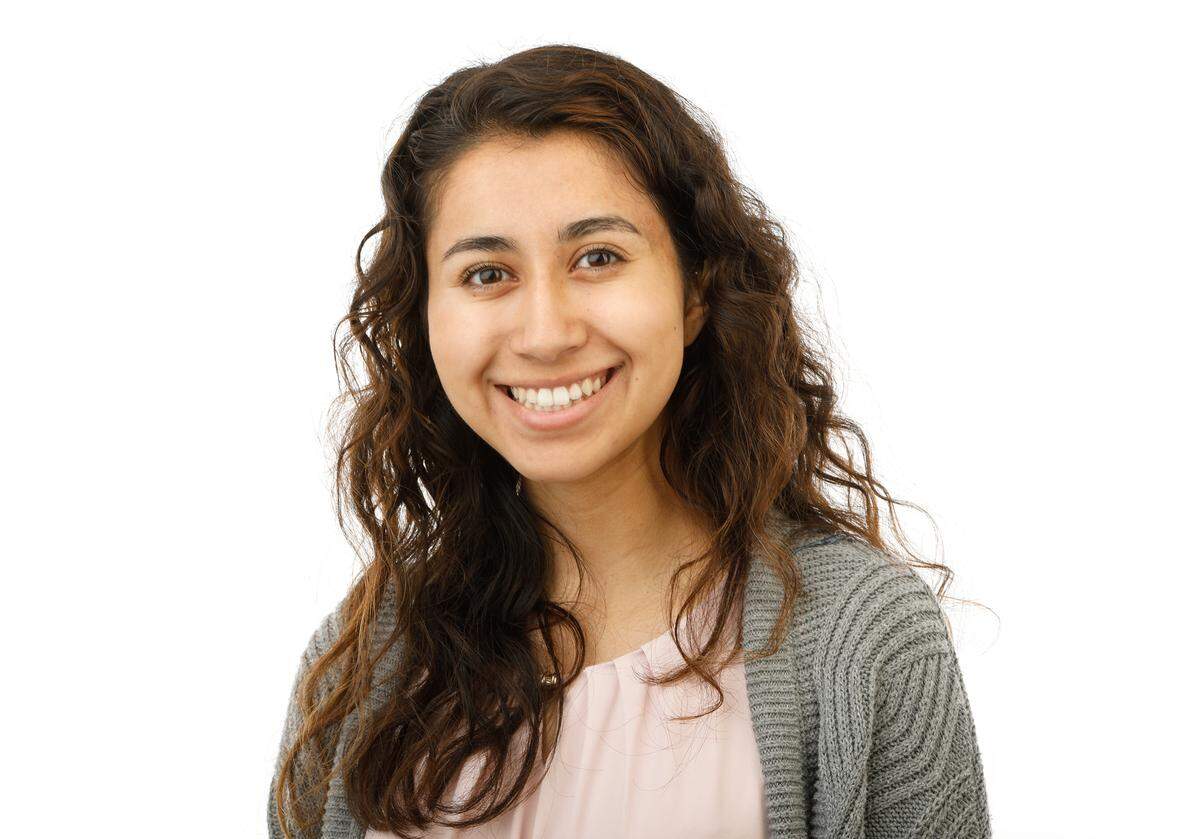
‘Sprinting a marathon.’ Paso high school grad leads New York hospital amid COVID-19
Dr. Laureen Hill didn’t feel as though it was an option for her to become a doctor when she graduated from Paso Robles High School.
“There were no women doctors in Paso Robles back in those days, so I had no role models,” Hill said.
Years later, she is the senior vice president and chief operating officer of New York-Presbyterian/Columbia University Irving Medical Center in Manhattan — where the very first hospitalized coronavirus patient in New York City was treated.
“We’ve literally been at the leading edge of this,” Hill said.
Medical career for Paso Robles High School graduate
Hill grew up in the San Francisco area. She moved to Paso Robles with her family and attended Paso Robles High School when her father’s job transferred him to the Central Coast.
Hill said she always had an inclination for math and science, but as a first-generation college student, she wasn’t sure that becoming a doctor was in her future.
After getting an undergraduate degree in medical technology, she worked as a medical technician for five years. It wasn’t until Hill had moved to bigger cities and met female doctors that she decided to go to medical school.
She received her doctorate at UC Davis and trained to be an anesthesiologist and critical care doctor at Stanford University. She worked in the field and at teaching hospitals for three decades to get where she is now.
From Stanford, Hill went to Washington University in St. Louis, helping build its cardio thoracic critical care program. Years later, she worked in the ebola unit at Emory University in Atlanta.
In 2017, Hill became the senior vice president and chief operating officer at the Manhattan hospital where she works today.
Hill often mentors young physicians — female physicians in particular. She said her advice to them is to focus on what is in front of them and to know when to say “yes” to opportunities.
“I’m not where I am by accident, but I was never really gunning for this kind of a job when I started out,” Hill said. “I was just trying to be the best doctor I could be and was really very immersed in my clinical work and taking care of patients.”
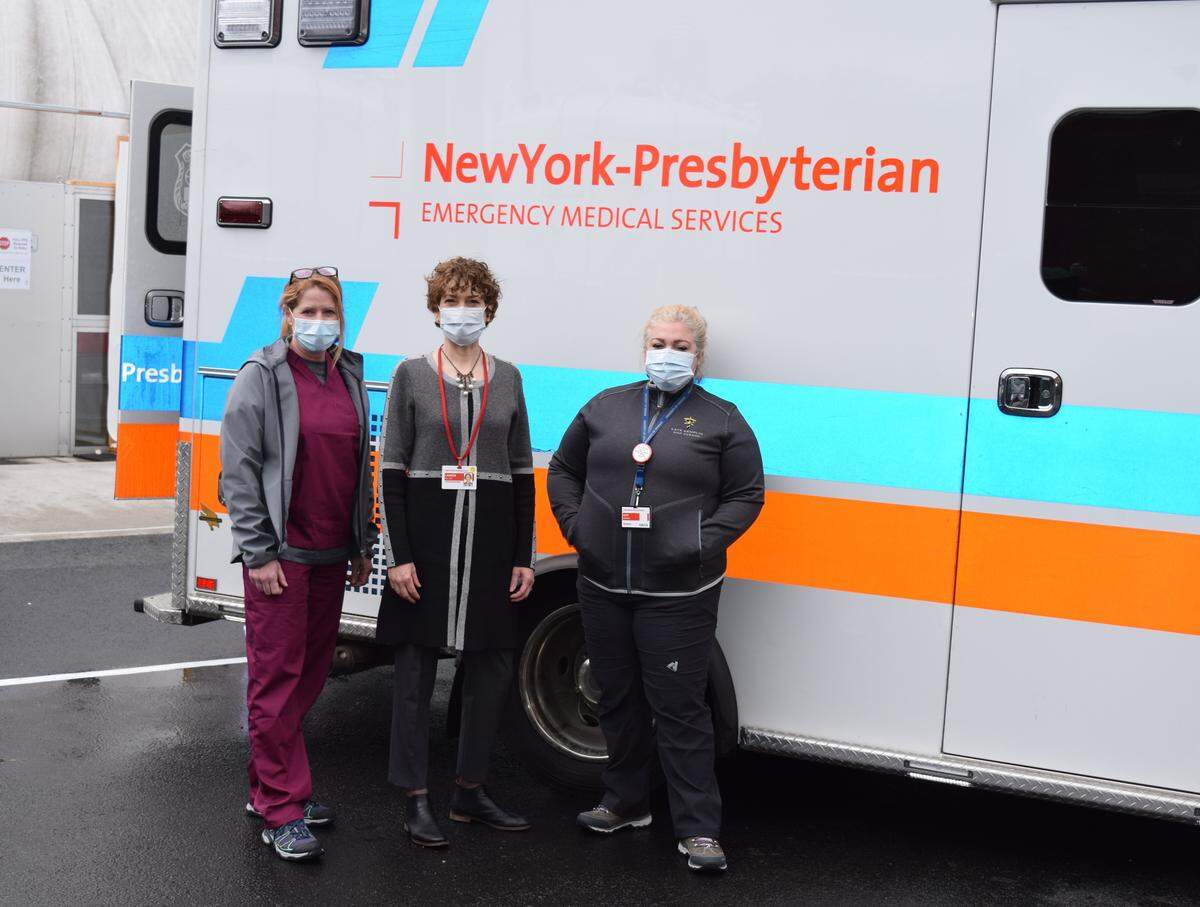
Doctor is at epicenter of coronavirus pandemic
Although no one could have predicted the effect that the new coronavirus would have on New York hospitals, Hill said, her years of experience helped her better prepare for the pandemic.
“There is no typical day in the COVID pandemic and it certainly has been evolving,” Hill said.
She said she and her colleagues began preparing for the coronavirus outbreak in February, watching to see how hospitals in China and Europe were coping.
But even, with preparation, the pandemic hit hard.
“This wasn’t something we could entirely predict,” Hill said. “We had no idea the pace at which it would come and it was certainly nothing that we could control. We knew we had to respond to whoever came to our doors.”
Hill said New York-Presbyterian/Columbia University Irving Medical Center had a team of people constantly searching for supplies to make sure staffers had enough.
“We never got to a point where we didn’t have ventilators to care for people,” Hill said, adding that her background anesthesiologist taught her that anesthesiology machines have great ventilators. “We had teams working around the clock at a global supply chain level to try to make sure that we were always trying to stay one step ahead.”
Hill said her work in Emory University’s ebola unit also helped her prepare for COVID-19. She said training from the federal Centers for Disease Control served her well during the peak of the coronavirus pandemic in New York.
Hill played a part in creating the Ryan Larkin Field Hospital at Columbia’s Baker Athletics Complex to treat up to 280 COVID-19 patients with the help of more than 800 military veterans with medical backgrounds, according to the medical center.
The doctor said a longtime friend of hers, a U.S. Air Force physician, asked if he could help. Through his military connections, they were able to organize the military veteran operation which helped relieve the shortage in medical personnel.
In April, New York’s coronavirus pandemic peaked, but Hill said her hospital’s work is far from done.
“We still have a hospital full of critically ill patients, these patients take weeks to recover,” Hill said.
As of mid-May, she said her hospital was still treating 65% of peak critical care patients.
“We have been sprinting a marathon,” Hill said. “It’s been going on now since March 1.”
Despite the toll, she said, hospital employees continue to show up every day. She said the work her staff has put in to caring for their patients is humbling — and that keeps her motivated.
“I want to be there for them the way they have been there for me and all of New York,” Hill said. “I haven’t really had time to catch my breath yet and reflect, but I can tell you that (the staff ) has impressed me beyond measure.”
This story was originally published May 27, 2020 at 5:00 AM.