SLO County has been living with COVID for 2 years. Here’s what we’ve learned
The San Luis Obispo County Public Health Department has been trying to keep the community safe for two years as the wily coronavirus spread throughout the county.
To date, nearly 500 local residents have died from COVID-19, and more than 52,000 have contracted the virus.
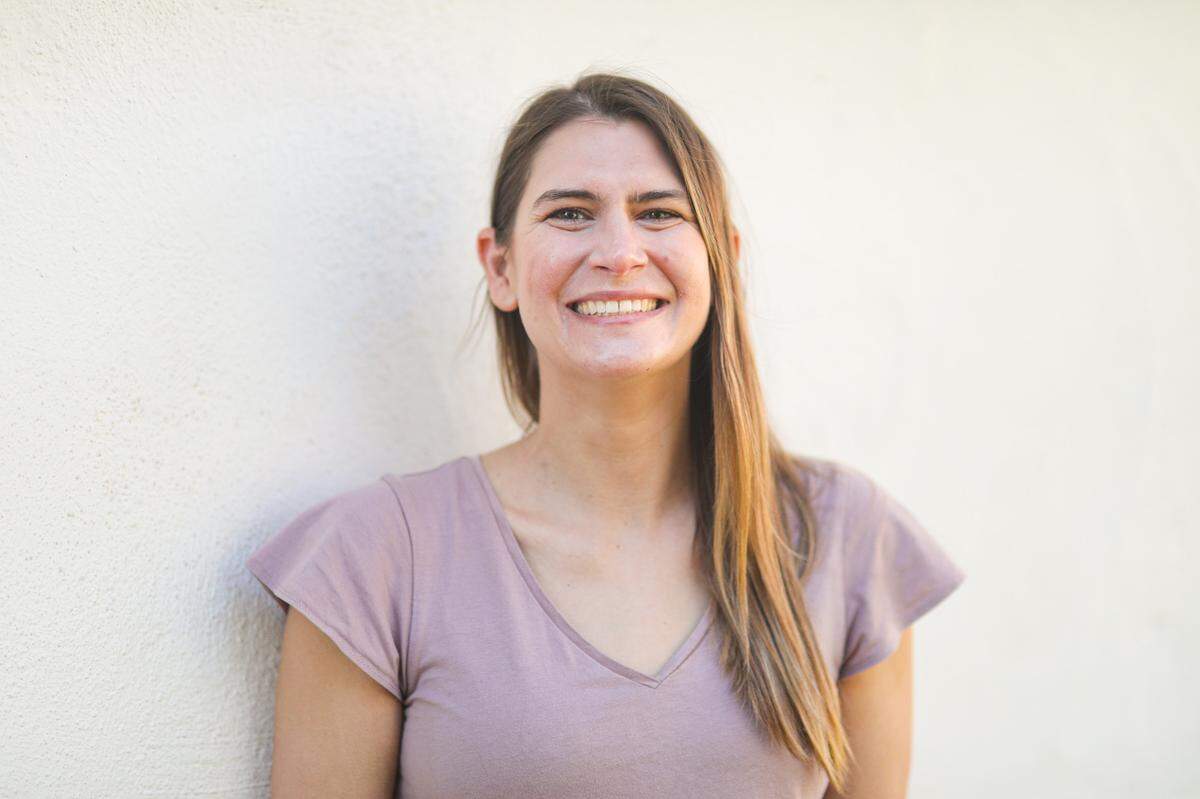
When San Luis Obispo County Health Officer Dr. Penny Borenstein reflected on the two years her agency spent managing the COVID-19 crisis locally, one of the biggest challenges she saw came down to communication.
“It is really challenging to communicate to people with a biologic event, or organism, or germ — whatever you want to call it — bug — that it is not straightforward,” she said. “It doesn’t take a straight-line trajectory.”
The complexities of the coronavirus itself coupled with confusion around health policy-making led to some significant challenges in how the Public Health Department worked with the community.
Borenstein said she received a lot of community input, asking Public Health to change the course of action around policies such as the mask mandate when it was beyond her power to do so.
In some cases, the agency turned to the state of California and sometimes as high up as the Centers for Disease Control and Prevention when it came to setting guidelines and policies.
“One of the greatest challenges is how divided we became over time,” Borenstein said. “I take that to be because people were just so frustrated that the pandemic was lasting as long as it has.”
Borenstein said, instead of coming together to fight the virus, it felt like some San Luis Obispo County residents clung to ideology over science.
“That has been a great disappointment for me, to see us go from a really unified society, who were equally afraid of the virus and questioning and looking to the science, to one of looking to ideology and social media and blogs for information that suited one’s desired opinion,” she said.
How coronavirus confounded experts early in pandemic
Borenstein said when she first learned the virus spreading throughout China in 2019 was a coronavirus, as opposed to influenza, she felt some sense of relief.
Coronaviruses were known to be fairly stable, while public health experts know the influenza virus mutates pretty much every year.
Her relief was short-lived.
“This coronavirus turned out to mutate even quicker and more often, and I don’t think that was foreseen,” Borenstein said.
Another challenge was the staggering amount of asymptomatic spread, which made it difficult to control transmission.
“We’re asking people who have no symptoms to get tested on a regular basis so they can know if they’re at risk of spreading it to others, and that’s not something that’s typical,” Borenstein said.
Borenstein said some people were frustrated as recommendations, policies and guidelines for protecting against COVID-19 changed over time.
She said the nature of a virus is that it is constantly changing from more to less infectious and viruses can impact risk groups differently.
COVID-19 has proven to be particularly challenging to pin down.
“Even the best of scientists, even those who have been at this type of work for a very long time, found that COVID didn’t behave as they might have thought it would, based on previous experiences with other viruses,” Borenstein said.
Borenstein proud of Public Health’s response to pandemic
Despite the tumult and heartbreak of this two-year pandemic, Borenstein said she is proud of how effectively the local health system and Public Health Department collaborated to prevent and treat severe coronavirus.
One example is the level of preparation, Borenstein said.
Public Health had an alternate care site equipped in case the number of COVID-19 hospitalizations surpassed the number of available beds.
Although COVID-19 cases swelled locally during the omicron and delta surges, the Public Health Department never had to deploy the alternate site at Cal Poly, she said.
Vaccination is the most effective way to prevent COVID-19 infection and hospitalization, and the Public Health Department distributed more than 15,000 doses of vaccine each week at one point, Borenstein said.
By focusing on vaccine equity, the most vulnerable residents were able to stay protected.
“I’m proud of the way we made our decisions around who would get vaccinated in what order based on need,” Borenstein said. “Trying to prevent the highest number of deaths.”
On March 12, the San Luis Obispo County Chamber of Commerce presented Borenstein with the first ever Community Excellence Award. The award recognized the doctor’s diligent efforts to keep the community safe during the COVID-19 pandemic.
“Though I’m the one who received the award, there’s an incredible team of people at the Public Health Department who worked alongside me during this whole two-year-plus adventure, and they really are worthy of all the awards that I can think of,” Borenstein said.
As COVID-19 slows in community, Public Health says enjoy the good times
Today, San Luis Obispo County is experiencing a lull in the pandemic. Levels of community transmission have dropped to levels not seen since the post-vaccination, pre-delta period of last summer.
While the state and county decided to lift the mask mandate on Feb. 16, San Luis Obispo County finally reached the elusive “yellow tier” on the CDC community transmission guidelines last week, Borenstein said.
The yellow tier means the number of new COVID-19 cases per 100,000 people fell between 50 and 99 new cases in a seven-day period.
There could be some slight variability in the numbers. The level of community transmission in the county is still considered “substantial” or orange, according to the CDC Community Transmission map.
Recently, the CDC phased out the community transmission map in favor of new metrics that create the combined COVID-19 Community Levels, which look at new hospitalizations, percent of staffed inpatient beds and new cases over a seven-day period.
Originally, the county was going to wait until rates of community transmission were at yellow to transition indoor masking from required to strongly recommended.
Instead, the county opted to align with the California Department of Public Health and lift the indoor mask mandate when the state did last month.
“Right now is a relatively safe time,” Borenstein said. “We are definitely continuing to see community transmission fall and people should take advantage of the good times.”
That doesn’t mean throw caution to the wind, but it does mean it is OK to take calculated risks.
Borenstein said she might leave the mask in the car if she had to run into the grocery store to buy a handful of items but will continue to wear it when doing a big shop.
She has also started to do some indoor dining in the community.
Another factor that gives Borenstein hope for the future is the wider availability of COVID treatment.
While treatment was initially available only for those with severe coronavirus or who were part of high-risk groups, people who test positive can now contact their doctor for a prescription they can take at home to prevent COVID-19 hospitalizations.
While San Luis Obispo County has low levels of community transmission today, omicron and its sub-variants continue to spread worldwide.
It’s unclear whether this means the United States is at risk for another major surge or just a small uptick in the number of COVID-19 cases when the sub-variants start to spread widely.
“I’ve said many times that my crystal ball has been not just broken, but shattered,” Borenstein said. “I’m hoping that we will not see another mutation, that we will not see another surge, but I think it would be burying our head in the sand to not think that is a likely scenario.”
Public Health investigating impacts of long COVID in SLO County
Although the spread of the coronavirus seems to have slowed, there are still plenty of people living in San Luis Obispo County who are grappling with the effects of post-acute COVID-19 syndrome, also known as long COVID.
“There’s a large part of our community that thinks that we have overplayed the impacts of COVID,” Borenstein said. “I think that’s not a true view of it.”
COVID-19 is recognized by experts as a multi-organ disease with different disease presentation, according to a literature review about long COVID.
Even people who had an asymptomatic COVID infection or had only mild symptoms can experience long COVID, Borenstein said.
It is estimated that as many as one in three people who test positive for COVID-19 have some symptoms of long COVID, she said.
The symptoms of long COVID are divided into two categories: Sub-acute COVID, which can appear between four to 12 weeks after acute COVID-19 infection, and chronic COVID, which continue after 12 weeks, post-infection, according to the review.
Research shows the impacts of long COVID have touched numerous organ systems in the body, with commonly reported symptoms including fatigue, muscle weakness, cognitive disturbance or “brain fog,” cough, requiring oxygen, chest pain, hair loss and more.
“For those who are quietly suffering and questioning themselves, if the symptoms that they’re experiencing are in fact from COVID, everyone needs to be aware that there are quite a few long-term impacts from this disease,” Borenstein said.
The Public Health Department is planning a survey to get a sense of how long COVID may be impacting people living in San Luis Obispo County.
Borenstein said she recognized people are tired of hearing about COVID. But at the same time, many are still suffering.
The agency needs good survey participation from the community to get a better sense of how long COVID is impacting our neighbors.
“With that, we ask people to please take one more call from their local Public Health Department,” she said.
Are you suffering from long COVID? The Tribune wants to speak with you
The prevalence of long COVID in San Luis Obispo County is currently unknown, but we want to learn how living with the lingering side effects of COVID-19 may have impacted the lives of impacted community members.
Fill out the form below to share your story and help us shape our COVID-19 coverage moving forward. You can also fill out the form at bit.ly/slolongcovid.
This story was originally published March 23, 2022 at 9:00 AM.