
Coronavirus hit Santa Barbara County residents of color hardest, data show
From the beginning of the pandemic, Santa Barbara County Public Health officials have reported that COVID-19 has disproportionately affected communities of color and congregate settings, such as senior communities, jails and prisons, shelters, and skilled nursing homes.
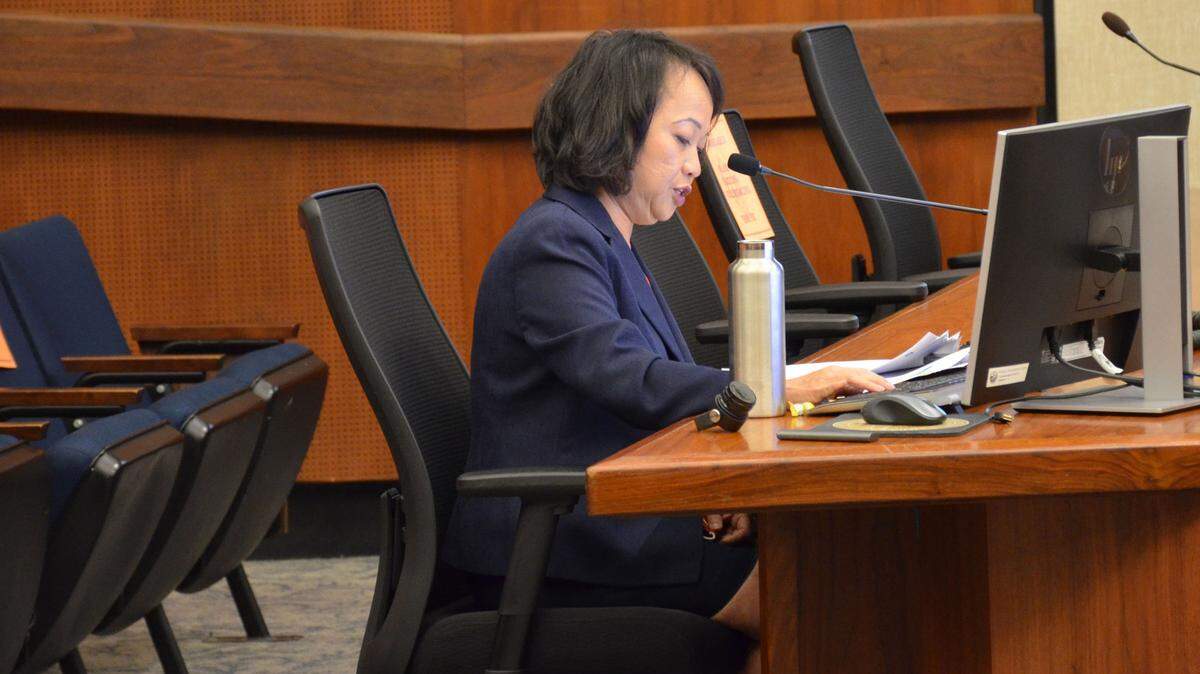
Public Health Director Van Do-Reynoso gave a presentation Tuesday to the Santa Barbara County Board of Supervisors with seven months of demographic data proving those two things true.
Santa Barbara County data from March 1 through Sept. 30 show that Hispanic and Latino residents represent about 48% of the population, but they account for 65% of COVID-19 cases, 74% of COVID-19 hospitalizations and 56% of COVID-19-related deaths countywide, Do-Reynoso said.
The county concluded that Guadalupe, Santa Maria and unincorporated North County communities have the highest case rates to date. Public Health has been regularly reporting the number of cases by region, and calculated the case rates based on a per-capita analysis.
Santa Maria was an early hotspot for novel coronavirus transmission, and epidemiologist Joy Kane said in June that Latino and Hispanic residents were overrepresented in positive cases and deaths.
At the time, 90% of Santa Maria COVID-19 cases were among Latino and Hispanic residents, and they also had longer hospital stays, Kane said.
As of May, many of the city’s cases were among essential services workers, including people working in agriculture, health care, the Lompoc federal correctional complex where there was a large outbreak with multiple inmate deaths, retail and salons, restaurants and bars, housekeeping and landscaping, government and other industries.
There have been nine outbreaks in congregate settings related to agricultural workers, including in H2A housing, and 1,180 farmworkers have tested positive for the virus as of late September, Do-Reynoso said, the highest number of any listed occupation.
Hospitalizations and deaths
Santa Barbara County reports a hospitalization number to the state every day, but Noozhawk has for months been asking for more detailed information to understand the severity of illness reported among the thousands of positive cases.
The Public Health Department has not disclosed the number of hospitalized residents, age breakdowns, lengths of stay or any other hospitalization information since a May 28 report.
By the end of August, there were 805 COVID-19 hospitalizations among local residents, according to the county, and 57.9% of patients had a hospital stay of five days or fewer. For the same time period, 11.7% (94 people) had hospital stays longer than 21 days.
The May report concluded that older people tended to have longer hospital stays (up to 47 days), but Tuesday’s presentation did not include any age information along with the length-of-stay ranges.
COVID-19 hospitalizations are counted when a patient has a confirmed positive test, according to the Public Health Department.
As Noozhawk has reported before, people age 70 or older account for the smallest percentage of total positive cases, but a disproportionately large percentage of hospitalized patients and 66% of COVID-19-related deaths in Santa Barbara County.
Older people have been disproportionately affected partly because of the many outbreaks in skilled nursing homes and other congregate settings, Do-Reynoso said.
The majority of local positive cases have been reported among working adults in the 18-to-49 age range, and young adults are frequent users of the state-run community testing sites.
She said people in their 20s are the age group with the most positive tests to date, and the county plans to increase its prevention messaging to that group, including college students.
Dozens of outbreaks
Do-Reynoso said Tuesday that there have been 59 outbreaks in congregate settings since March, but the majority of locations have not been disclosed in public health reporting.
Skilled nursing facilities have to report cases, and their outbreaks are tracked on county and state COVID-19-related databases, but other congregate facilities are not treated the same way.
The 59 outbreaks include the ones at the Lompoc federal correctional complex, the Santa Barbara County Main Jail, skilled nursing facilities; residential care facilities for the elderly, independent living facilities, intermediate care facilities, shelters, sober living homes, H2A housing for agricultural workers and others.
Public Health officials have not always disclosed when a death is related to a congregate setting outbreak, but at least 25 people with COVID-19-related deaths were connected to an outbreak, including 12 residents at the Country Oaks Care Center in Santa Maria.
Monitoring cases among children
Most schools were closed for the entirety of this reporting period, March 1 to Sept. 30, and public health epidemiologists plan to closely monitor the number of cases among children and young adults as students go back to in-person classes, Do-Reynoso said.
She said 29 K-6 schools have been granted reopening waivers already, and state guidelines now allow all K-12 schools to reopen for in-person classes when they want to. Schools still have to create reopening plans and follow state guidelines, including social distancing and face coverings.
Children younger than age 18 so far have represented 9% of overall positive cases, 3% of hospitalizations (about 21 people) and zero deaths. Many more cases have been reported among 10- to 19-year-olds (834) than children younger than age 10 (318).
Private gatherings remain a concern
Gov. Gavin Newsom last week loosened restrictions on gatherings, allowing three households to meet up outside, with social distancing and face coverings, but Santa Barbara County’s latest health officer order keeps its prohibition on all gatherings.
Do-Reynoso said public health officials want the county’s case rate and test positivity rate to keep decreasing.
Once the weather gets cooler, there are concerns about increased virus transmission since more activities will take place indoors versus outdoors, she told the Board of Supervisors.
“As you move indoors and social distancing and face coverings are not implemented, there will be an increased likelihood of increased cases, so we are worried about that,” she said.
‘Wave of cases’ over summer
The county’s highest numbers of new cases, COVID-19 hospitalizations and deaths all occurred in July and August.
Reopenings and holidays may be associated with the “wave of cases” over the summer, Do-Reynoso said.
The statewide stay-at-home order went into effect in late March and stayed in place through the end of May.
State and county leaders reopened multiple industries in a three-week period, starting around Memorial Day weekend.
Santa Barbara County did not meet the reopening criteria at the time, but was still allowed to open bars, restaurants, gyms, salons and other businesses.
After steady increases in the number of cases, hospitalizations and deaths, another round of closures was implemented in mid-July, targeting indoor operations.
Numbers started to fall in August and September, and the county reopened more industries and started accepting school waivers for in-person classes.