
What should you have in a wildfire go bag? Here’s how to plan ahead for an evacuation
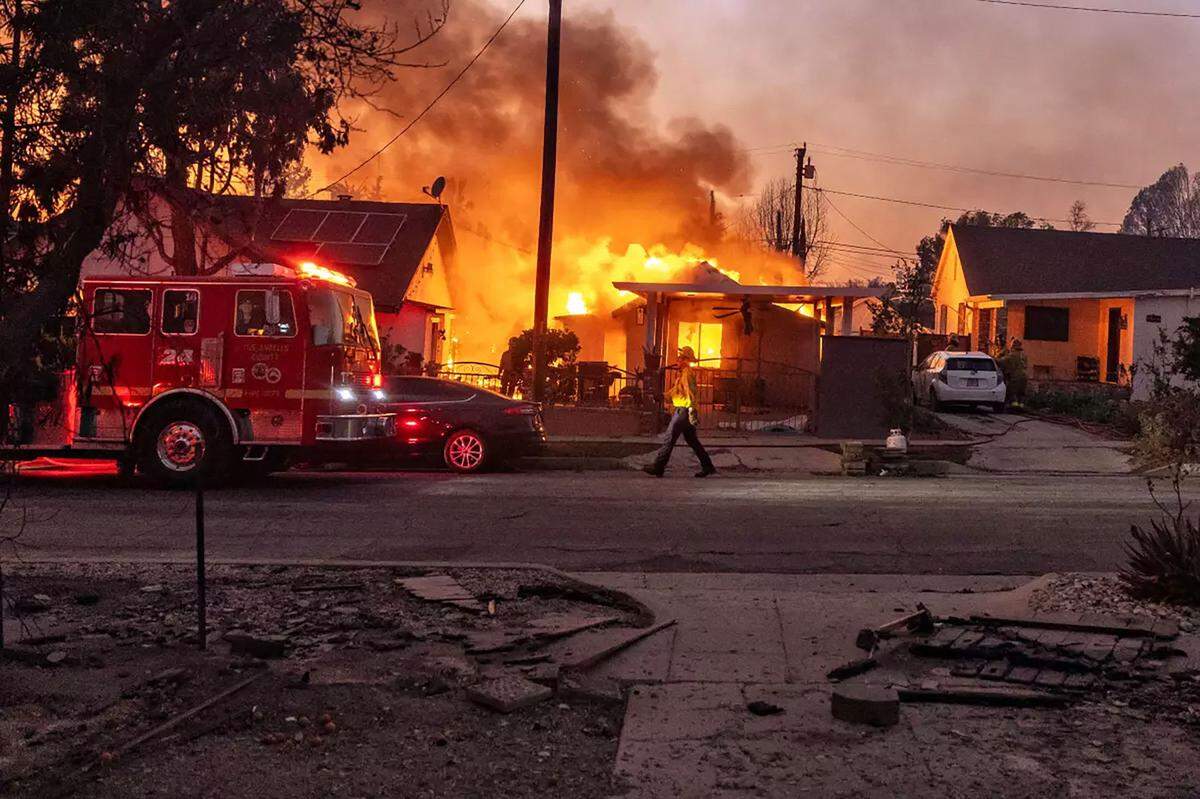
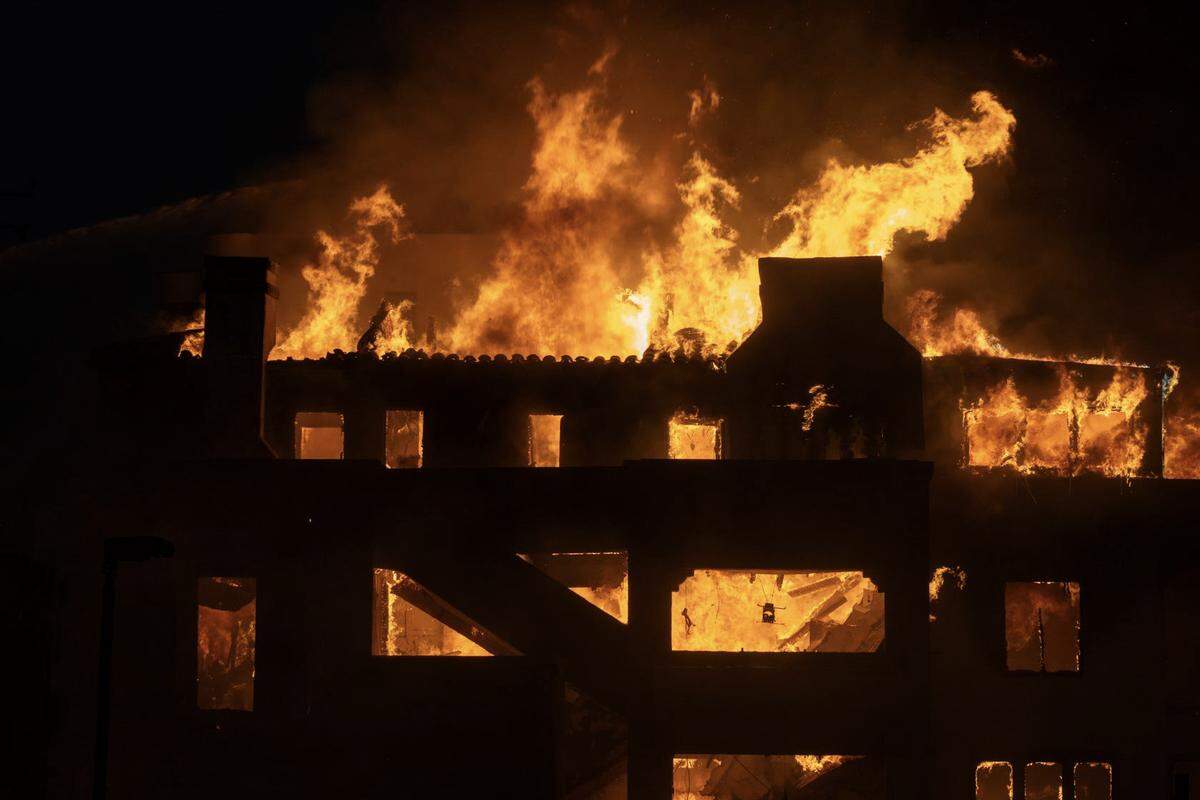
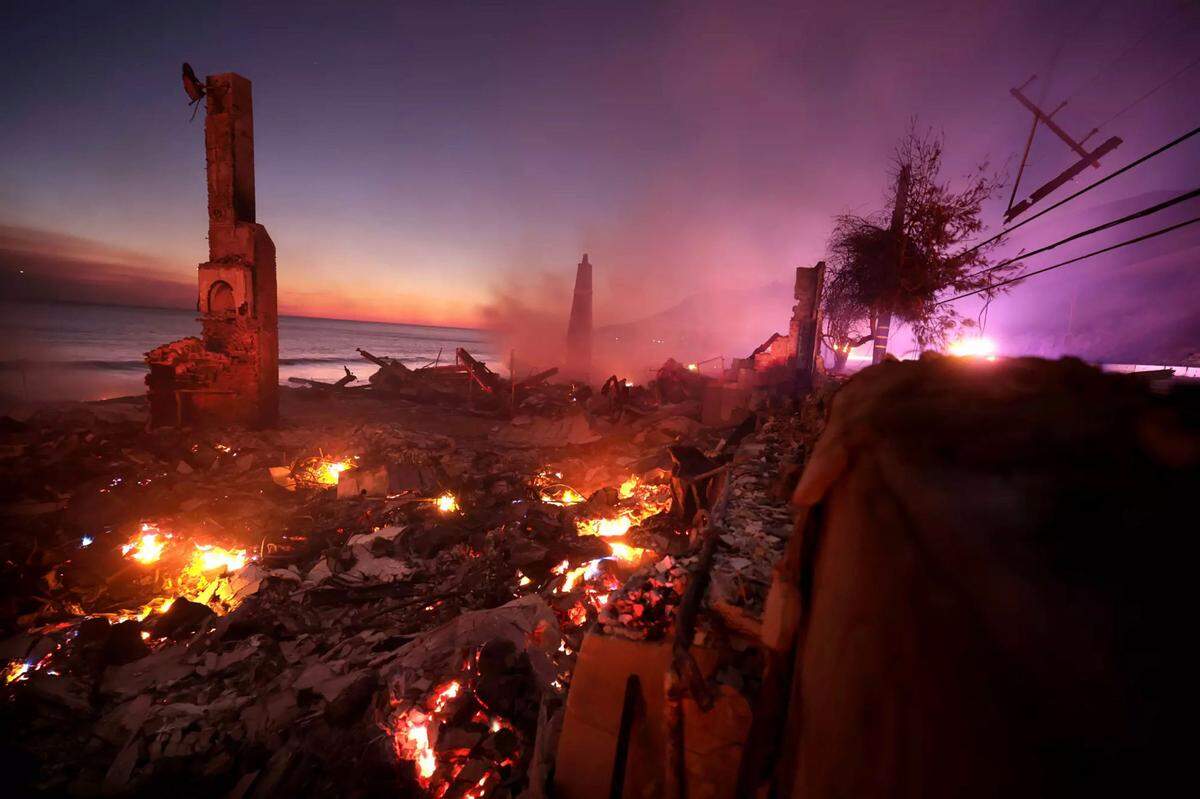
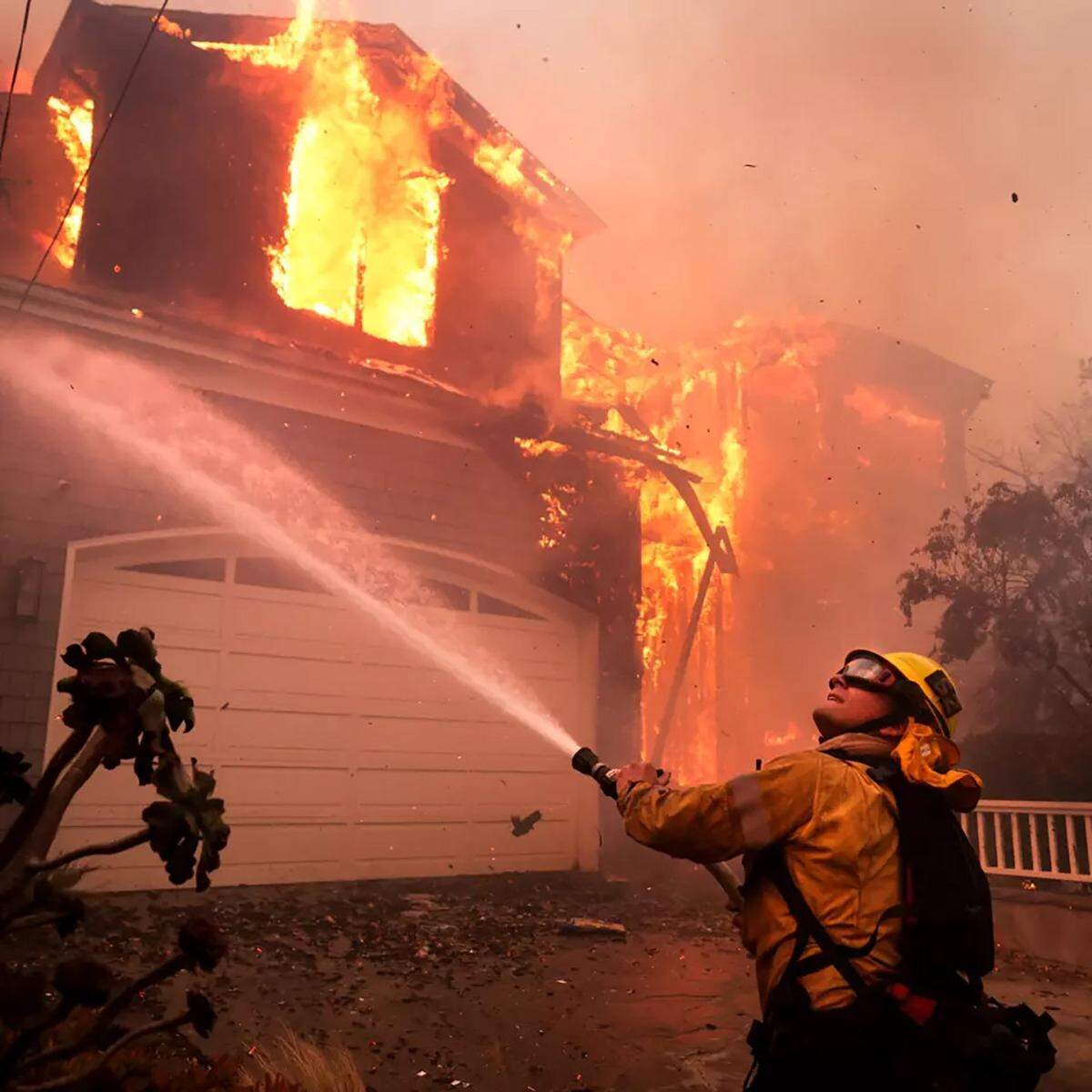
Thousands in California have been forced to evacuate their homes in recent weeks due to highly destructive fires in Los Angeles County.
As of Tuesday morning, the Palisades and Eaton fires had killed at least 23 civilians, burned nearly 38,000 acres of land and destroyed at least 4,000 structures, according to Cal Fire reports.
With climate change increasing wildfire risk across the countries, officials urge Californians to be prepared.
Cal Fire emphasizes the importance of having an evacuation plan ready before disaster strikes, including selecting evacuation routes, hardening your home and building a “go bag.”
A go bag — or emergency supply kit — should be accessible, easy to carry, and stocked with the essentials you may need while evacuated from home, according to Readyforwildfire.org, a wildfire preparedness resource from Cal Fire.
Here’s what experts suggest you include in your go bag in case of evacuation:
How much food and water should you evacuate with?
Water and non-perishable food items that last at least three days are at the top of Cal Fire’s suggested items checklist since some power and water resources may not be available or safe to use for an extended period of time following a wildfire.
It is recommended to store at least one gallon of water per person per day for several days, as well as multiple days’ worth of food that does not require refrigeration, cooking or other special preparation, according to the federal government disaster preparedness website Ready.gov.
Ready.gov suggests packing these non-perishable food items:
Protein or fruit bars
Dry cereal or granola
Canned fruits, vegetables or ready-to-eat canned meat and a manual can opener
Dried fruit
Peanut butter
Canned juice
Other comfort or stress-relieving foods
Cal Fire recommends storing food and water in a chest or wheeled tub for easy transport in an evacuation scenario.
If you have pets, you may also consider bringing pet food and extra water for them.
What safety gear should be in a go bag?
Here are items that Cal Fire and Ready.gov recommend to pack an emergency bag:
Flashlight.
Battery-powered or hand crank radio with extra batteries.
First aid kit.
Sanitation supplies.
Whistle, to signal for help.
Dust masks or N95 respirators, if available.
Non-sparking wrench or pliers to turn off utilities.
Paper maps of the area with at least two evacuation routes plotted.
Cal Fire also recommends keeping a flashlight and a sturdy pair of shoes accessible near your bed in case of evacuations in the middle of the night.
Which personal items are needed in an evacuation?
Some other items that may be important when evacuating include:
Personal documents like passports, birth certificates and driver’s licenses.
A change of clothes.
Extra glasses or contact lenses.
Prescription medications.
Feminine hygiene products.
Cash or traveler’s checks.
Chargers and backup batteries for cell phones.
If you have space in your bag and time to pack them, Cal Fire suggests bringing family photos and other irreplaceable items, easy-to-carry valuables and a hard drive with your computer’s personal data.
How to prepare for evacuation ahead of time
As fires can move quickly and evacuation orders can happen at any time, your go bag should be prepared well ahead of time, Cal Fire says. If it is difficult to afford all of the recommended supplies at once, consider purchasing them over time to build up a comprehensive kit.
Here are some tips from Ready.gov for maintaining a go bag once it is assembled:
Store canned food in a cool, dry place.
Store boxed food in tightly closed metal or plastic containers.
Replace expired items when needed.
Adjust your supply as your family’s needs change.
It is also recommended keeping separate supply kits at your workplace and in your car, in case you are not home when evacuation orders are implemented.
This story was originally published January 14, 2025 at 2:05 PM with the headline "What should you have in a wildfire go bag? Here’s how to plan ahead for an evacuation."
.jpg)