Is the death penalty racist? California Supreme Court advances case to eliminate it
AI-generated summary reviewed by our newsroom.
- Hearings will be held in Sacramento Superior Court to consider overturning.
- Petitioners say Black defendants are up to 8.7 times more likely to get death.
- California Attorney General Rob Bonta must respond within 30 days to the court order.
A legal case aiming to overturn California’s death penalty law by showing that it is applied in a racist manner will move forward under an order issued Wednesday by the state Supreme Court, records show.
The state’s highest court ordered California Attorney General Rob Bonta to show why the death penalty should not be declared unconstitutional, at hearings to be held in Superior Court in Sacramento.
The case is unusual because it does not involve the appeal of any legal matters decided by a lower court. Instead, the state public defenders who represent condemned inmates and several civil rights groups are asking the justices simply to overturn the state’s death penalty law, which they say is illegal because it is applied more heavily to defendants who are Black or Latino than to whites.
“The whole system is infected with racial bias,” said Joseph Wong, an attorney with the NAACP Legal Defense Fund, one of the plaintiffs in the case. “We think there is no time more pressing than now, when civil rights are being attacked throughout the country, for California to look at this important evidence and follow it to what we believe is the natural conclusion.”
Cites death penalty studies
The case, filed in 2024 in the form of a petition to the Supreme Court directly, cites studies showing that Black defendants in California are up to 8.7 times more likely to be sentenced to death than defendants from all other groups. Latino defendants are 6.2 times more likely to be sentenced to death than all other defendants, the petition said. It cites a study by the State Office of the Public Defender, the lead petitioner, showing that California sentences a higher proportion of young people to death than any other state.
“We look forward to pursuing a long overdue remedy in the lower court to address this ongoing stain on our criminal justice system,” the groups said in a statement to The Bee on Thursday.
If successful, the case could have profound implications for California’s criminal justice and court systems, which spend millions seeking, winning and challenging death penalty convictions, even though the state has not executed anyone since 2006 and the death chamber at San Quentin Prison, now dubbed San Quentin Rehabilitation Center, has been dismantled.
Contentious politics of the death penalty
But a ruling in the groups’ favor could also stir up a hornet’s nest of political pushback. Numerous efforts to repeal the death penalty have failed in California, and the state’s current law was enacted via a ballot initiative in 1978, after capital punishment was briefly ruled unconstitutional by the U.S. Supreme Court in 1972.
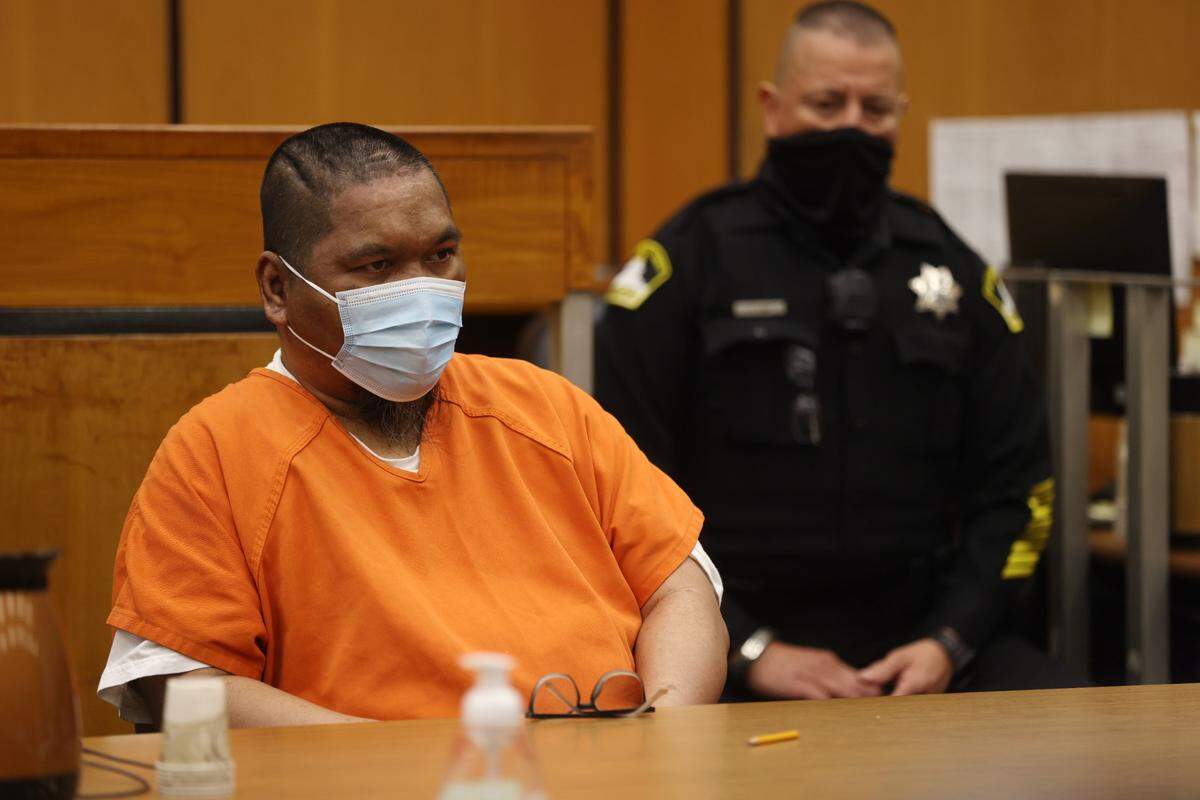
Prosecutors throughout the state continue to seek and win the death penalty in horrific cases that command public attention. Just last year, a Sacramento jury sentenced a man who shot and killed Sacramento police officer Tara O’Sullivan to die after two lengthy sentencing trials, including one that ended in a mistrial. The sentencing proceedings were held even though there was no actual trial in the case because the defendant, Adel Ramos, pleaded guilty, his lawyers arguing that he deserved life in prison without the possibility of parole.
In 1986, several members of the state Supreme Court, including Chief Justice Rose Bird, lost their retention elections and were removed from office after overturning several death sentences.
District attorneys from Riverside and San Bernardino Counties have already filed amicus or friend of the court briefs in the case, arguing against the petition. The brief filed by San Bernardino County District Attorney Jason Anderson argues that the unusual nature of the petition serves to disconnect it from real cases, making it an abstract argument that does not address the issues at hand in capital cases.
“Petitioners seek to step outside the rule of law to thwart punishment in the most egregious cases,” Anderson wrote.
But Wong said that framing the petition separately from an individual death penalty case allows the groups to bring in statewide data that might not be allowed in a standard criminal defense. Moreover, he said, death penalty cases and appeals can take decades to adjudicate, while a case based on the statistics of how the death penalty is applied would not.

Previous reporting by The Bee showed that it can take up to 30 years for death row inmates in California to get lawyers, much less adjudicate their cases.
Closely watched case
Bonta did not immediately respond to a request for comment. But in their petition, the plaintiffs imply that the attorney general agrees with them, referencing a 2021 San Francisco Chronicle article that quotes him saying, “Studies show it’s long had a disparate impact on defendants of color, especially when the victim is white.”
But in a response to the petition in court, Bonta raised questions about the legal arguments made in the petition and noted that he as attorney general does not control prosecutors.
Still, Bonta, who has 30 days to respond to the Supreme Court’s order, also appeared to support moving the case forward.
“The Attorney General recognizes that this is a case of tremendous public importance — of interest to a great many individuals, officials, and organizations,” he said in a brief to the Supreme Court.
This story was originally published May 28, 2026 at 4:00 PM with the headline "Is the death penalty racist? California Supreme Court advances case to eliminate it."