DMV opens California to autonomous vehicle freight operations
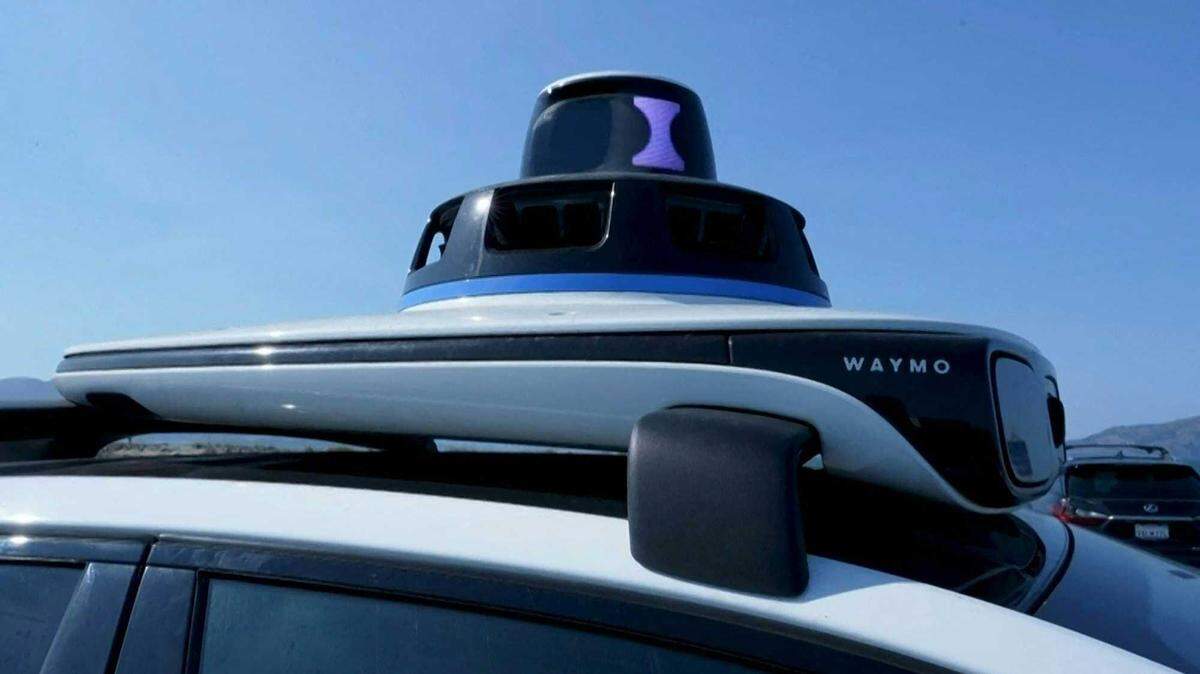
Heavy-duty autonomous trucks will be allowed on California roads, according to new DMV-approved regulations that also aim to strengthen oversight and enforcement on so-called driverless vehicles.
The California Department of Motor Vehicles on Tuesday approved regulations regarding requirements, permitting, testing and enforcement related to autonomous vehicles, according to a DMV news release. Some of the rules take effect immediately, while others will be rolled out in the next few months.
According to California law, autonomous vehicles either operate completely or sometimes without an in-person driver, though they are always monitored remotely.
In one of the most notable actions Tuesday, the DMV lifted the ban on AVs that weigh 10,001 pounds or more. This decision clears the path for autonomous box trucks, semi-trailers and other commercial trucks to eventually operate on California roads or, as the DMV said, “open(s) the California market to AV freight operations.”
The Teamsters California union condemned the move, saying the DMV’s decision to “rush forward” with the driverless heavy-duty trucks is “reckless,” according to a news release from the organization.
“We will use every tool necessary to stop it, including taking this fight to the courts,” a portion of the release reads. “We have been clear from the start: a change this sweeping should be handled through the Legislature, out in the open, with real transparency and accountability. Instead, the DMV is making major public policy behind closed doors.”
Some AV freight testing is already taking place across the U.S. in sites such as Forth Worth, Texas. Artificial intelligence company Gatik has used the hub to expand its driverless operation to include about 10 delivery trucks in Texas, Arkansas and Arizona, according to Dallas-Fort Worth’s NBC station.
On the federal level, Rep. Vince Fong, R-Bakersfield, introduced the AMERICA DRIVES Act last year in an attempt to allow driverless commercial vehicles to be used for interstate commerce. The bill has not made much progress toward becoming law, according to congress.gov.
Rules for public, university AV transit vehicles
The DMV is also allowing AV transit vehicles weighing up to 14,001 pounds to be operated by public entities or universities, “providing a new pathway for transit service innovation,” according to the release.
All heavy-duty autonomous vehicles will be subject to all federal and state commercial vehicle requirements, including stopping at California Highway Patrol weigh stations.
The new DMV regulations also require AV manufacturers to test the vehicles with and without an in-person driver before applying for them to be available commercially. Manufacturers must test light-duty vehicles for at least 50,000 miles and heavy-duty vehicles for at least 500,000 miles at each phase and prepare a safety case report on every technological aspect of the vehicle.
The rules also set up new metrics for data reporting from manufacturers and establishes permitting and training standards for remote operators.
Many of the regulations adopted align with Assembly Bill 1777, which was passed in late 2024. Due to the bill, law enforcement agencies since the start of 2025 have been able to issue notices when driverless vehicles — commonly robotaxis such as Waymo — violate traffic laws. Police cannot issue traffic tickets for any moving violations, but California Assemblymember Tri Ta, R-Westminster, is looking to make that possible with Assembly Bill 2193.
Rules require AVs to avoid first responders at work
Some of AB 1777’s provisions do not go into effect until July. These include requiring AV companies to respond to first responder calls within 30 seconds, allowing first responders to use geofencing to block AVs from entering during emergencies, and requiring that AVs move from a geofenced area within two minutes of being notified.
The newly adopted rules follow multiple reports of autonomous vehicles stopping in the middle of crime scenes or blocking ambulances.
State legislators have introduced bills this year in an attempt to better address the rapidly evolving AV technology, which leaders said had outpaced regulation during a March state Senate Transportation Committee hearing.
One of these is AB 2193, which is expected to be heard in the Appropriations Committee after passing through two other Assembly committees. Under this bill, manufacturers of certain levels of autonomous vehicle technology would be cited for moving violations committed by their driverless vehicles, according to the bill’s text. Even if someone is seated behind the wheel, the manufacturer could be responsible for the citation if autonomous technology is engaged, depending on the level of automation.
Another proposal, Senate Bill 1315 would require automakers to notify the Department of Insurance and insurers of autonomous software updates. SB 1246, would revise state law to require remote operators of autonomous vehicles to be located in the United States and hold a valid California driver’s license. Both are set to be heard Monday in the Appropriations Committee.
This story was originally published April 30, 2026 at 2:45 PM with the headline "DMV opens California to autonomous vehicle freight operations."