Ready for more evening sunlight in CA? Here’s when daylight saving time begins
Ready for more sunshine?
The return of daylight saving time is less than a month away in California. Soon, we will set clocks and watches ahead an hour as we “spring forward.”
Californians will lose out on an hour of sleep but gain more light in the evening.
When does daylight saving time officially start across the state?
Here’s what you need to know:
When does daylight saving time begin in 2026?
Daylight saving time starts across most of the United States on the second Sunday of March and ends on the first Sunday in November, according to Time and Date, an online world clock.
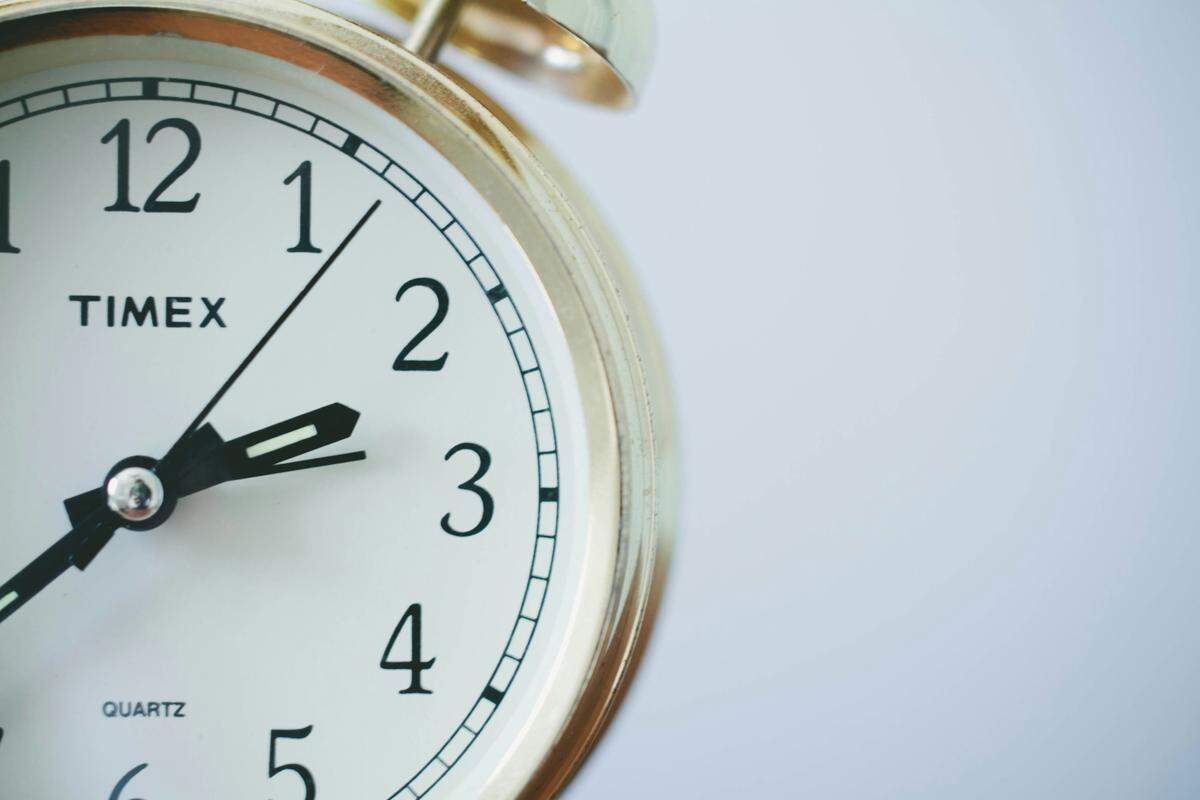
Clocks in most of the country will skip ahead by one hour at 2 a.m. on Sunday, March 8.
People will lose an hour of sleep that night, but on the flip side, sunset will happen one hour later once the time shift takes place.
Once the time change occurs, Californians will experience more daylight in the evening and less in the morning.
When will the sun set after DST starts?
In Sacramento, the sun will set at 7:06 p.m. on Sunday, March 8, when daylight saving time begins, according to Time and Date.
Days will get steadily longer until the summer solstice — the longest day of the year — on Sunday, June 21.
On the solstice, the sun rises at 5:41 a.m. and sets at 8:33 p.m.
According to Time and Date, the summer solstice has an extra five hours and 24 minutes of daylight compared to the darkest day of the year — the winter solstice, which will take place on Monday, Dec. 21.
On that day, the sun will rise at 7:20 a.m. and set at 4:48 p.m.
What’s the first day of spring?
California’s return to daylight saving time indicates that the spring season is on the horizon.
In 2026, the vernal equinox is on Friday, March 20, according to the Old Farmer’s Almanac. The equinox marks the first day of spring in the Northern Hemisphere.
During the March equinox, the Northern Hemisphere and Southern Hemisphere receive roughly the same amount of sunlight since neither hemisphere is tilted more toward or away from the sun, the almanac said.
Does everyone observe daylight saving time?
Not every state in the country observes the time change.
The Uniform Time Act allows states to choose whether to participate in daylight saving time or stay in standard time all year. Currently, only Hawaii and most of Arizona observe permanent standard time.
However, California has made moves to abolish biannual clock changes.
Californians overwhelmingly voted to establish permanent, year-round standard time or permanent, year-round daylight saving in 2018.
Proposition 7, or the Legislative Power to Change Daylight Saving Time Measure, received 59% of the vote in favor of the change.
Nearly eight years later, state lawmakers have not passed any legislation to move California to permanent daylight saving or standard time. The legislation would need a two-thirds vote in the California State Assembly and California State Senate, plus the governor’s signature.
Congressional action would also be required if the state wanted to move to daylight saving time year-round.
When does daylight saving time end?
The end of daylight saving time will take place on Sunday, Nov. 1.
On that date, Californians will “fall back” and move clocks behind by one hour.
This story was originally published February 22, 2026 at 9:00 AM with the headline "Ready for more evening sunlight in CA? Here’s when daylight saving time begins."