Why do California roads get slippery in rain? What to do if your car hydroplanes
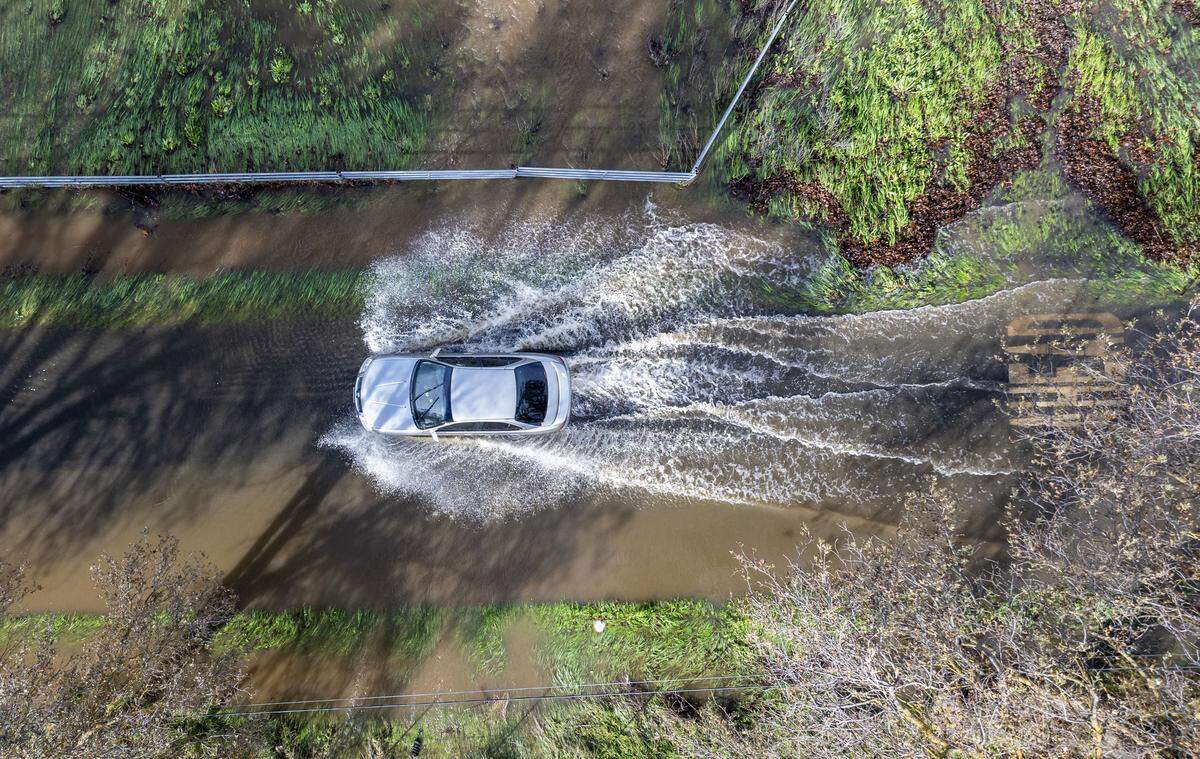
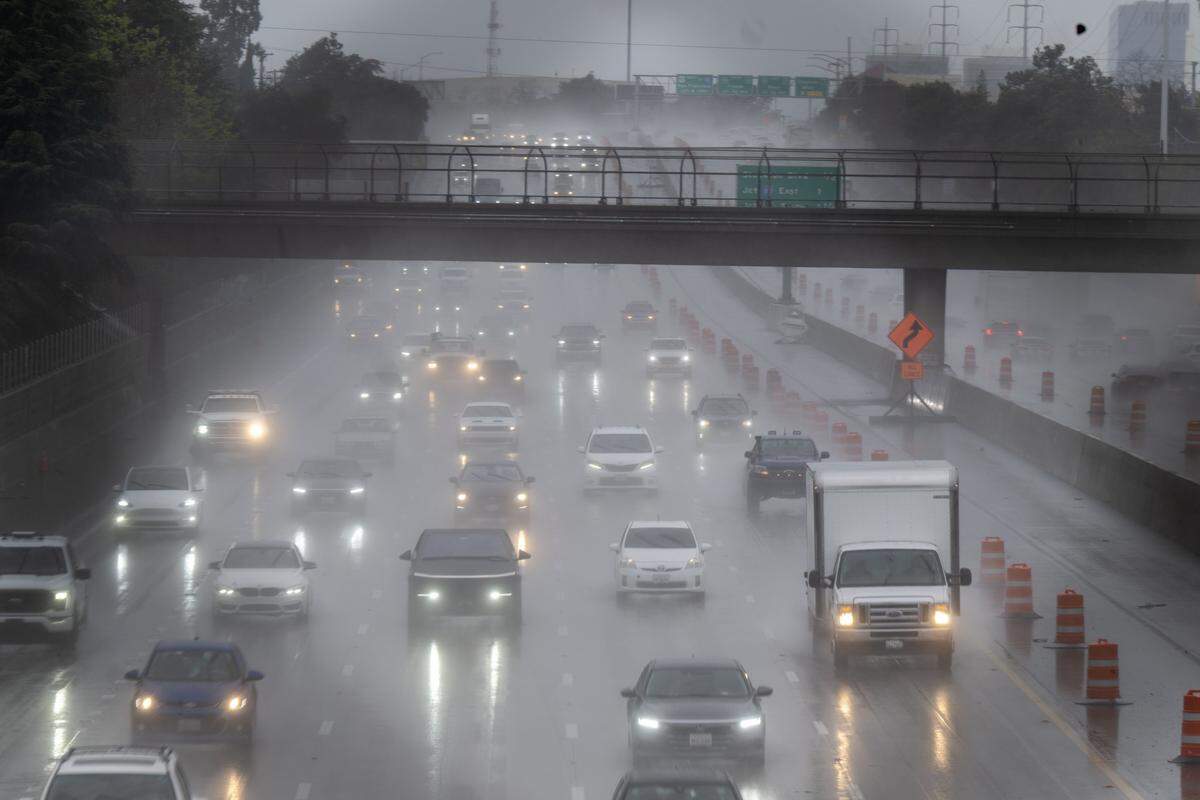
As rain continues to fall across California, drivers should be prepared for slick and hazardous road conditions, according to the National Weather Service.
Wet pavement can lead to slower traffic and “longer-than-normal commutes,” the weather agency wrote in an X post on Tuesday, Feb. 17.
Motor oil leaks that build up on roads and driveways during dry weather can mix with rainwater, creating slippery surfaces — particularly during the first rainfall after a dry stretch, the National Weather Service previously told The Sacramento Bee.
Here’s what drivers need to know to stay safe on wet roads and avoid hydroplaning:
Is more rain on its way to California?
According to the National Weather Service, additional storms are expected to bring more rain, gusty winds and colder temperatures to California.
“Although the heavier rainfall have diminished, the cold front and shortwave energy dives southward along the West Coast and will bring renewed rainfall,” the weather agency said in an area forecast discussion on Tuesday, Feb. 17.
The system is expected to drop about 1 to 2 inches of rain in lower elevations and up to 4 inches in higher elevations across parts of central and Southern California.
Flooding remains a concern during extended periods of rain, according to the National Weather Service.
While previous flood advisories issued for Northern California expired early Tuesday afternoon, the weather agency said that “flooding is a coast-to-coast threat to the United States and its territories in all months of the year.”
Flooding can occur when steady rain falls over several days, when intense rain falls in a short time or when debris blocks rivers and streams, causing water to overflow into nearby areas, according to the National Weather Service.
How to drive safely on roads during rain
Rain — especially when combined with speeds of 50 mph or higher — can cause your tires to lose traction and slip on the road, according to the California Department of Motor Vehicles’ Driver Handbook.
“Some road surfaces are more slippery than others when wet,” the DMV said. “These usually have warning signs posted.”
California drivers should use extra caution on bridges, overpasses and roads shaded by trees or buildings, which tend to stay wet longer and become slippery more easily.
When it rains, the DMV said, reduce your speed by 5 to 10 mph.
“Slow down at the first sign of rain, drizzle, or snow on the road,” the DMV said. “This is especially true if it has been dry and hot for some time, because oil and dust on the road’s surface have not been washed away.”
Drivers should also turn on their low-beam headlights during rain to improve visibility and help others see their vehicle.
What is hydroplaning?
Hydroplaning happens when a layer of water builds up between your tires and the road, causing your vehicle to lose contact with the pavement, according to the DMV.
When this happens, you can lose control of your vehicle.
“A slight change of direction, applying the brakes or a gust of wind could throw the vehicle into a skid,” the DMV said.
How to avoid losing control of your car
According to the DMV, drivers can reduce their risk of hydroplaning by taking these precautions:
- Slow down.
- Go around the puddle — if it’s safe to do so.
- Slow down if you hear a sloshing sound from your tires.
- Reduce your speed when changing lanes or turning.
What to do if your car starts skidding
If your vehicle starts to hydroplane, the DMV said, ease your foot off the gas to slow down gradually and avoid slamming on the brakes.
“Sudden braking may cause you to lose control of your vehicle,” the department said.
This story was originally published February 19, 2026 at 5:00 AM with the headline "Why do California roads get slippery in rain? What to do if your car hydroplanes."