Yellow-legged creatures on brink of extinction return home to CA wild. ‘Milestone’

More than three dozen amphibians arrived by helicopter in the California wilderness with a mission — ensuring their species’ survival.
The Oakland Zoo, in a collaborative effort with the Mountain Lakes Research Group, U.S. Fish and Wildlife Service and National Park Service, released 43 yellow-legged frogs inside Sequoia and Kings Canyon National Park on Aug. 7, the zoo said in a news release.
The frogs were returned “to the alpine lakes they call home,” the zoo said in an Instagram post.
Over the past decade, the zoo said it has worked to save these frogs, on the cusp of extinction, with this release marking a huge accomplishment.
.jpeg "frogs_fitted (2).jpeg")
“Releasing our 1000th mountain yellow-legged frog is a major milestone,” Samantha Sammons, the zoo’s wildlife recovery program manager, said in the release. “It’s a number that you hope to achieve when you start a program.”
Disease decimates species
The species is “on the verge of extinction from a deadly disease, chytridiomycosis,” the zoo said.
In most cases, chytridiomycosis is fatal, according to NPS.
“Yellow-legged frogs have experienced a 90 percent decline in their population due to the devastating effects of the chytrid fungus, a global pandemic considered the most significant loss of biodiversity caused by a pathogen,” the zoo said.
Chytrid fungus grows on keratin, “the same substance fingernails are made of,” and is “found on the external mouthparts of tadpoles, and in the outer skin layer of adults,” park service officials said.
When the fungus grows on a frog’s skin, it disrupts its “ability to breathe through its skin and osmoregulate—sustain an internal water balance; both effects resulting in nearly certain death,” officials said.
Much remains unknown about the fungus, including its origin and “how it is spread,” officials said.
Mountain yellow-legged frogs were listed as endangered by the state in 2012, then on a federal level in 2014.
Once a keystone species
“Frogs once were a keystone species in high elevation lakes but chytrid and other factors reduced their populations significantly,” the zoo said.
A keystone species is one that is considered imperative to an ecosystem’s survival, according to National Geographic.
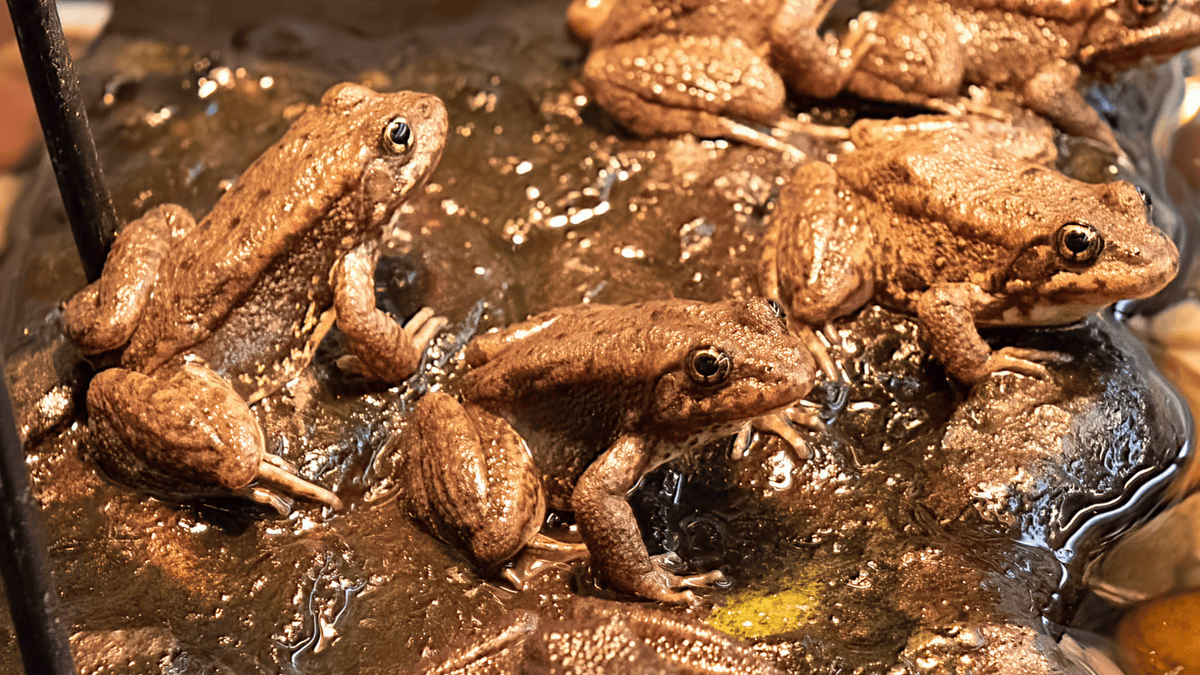
Frogs play “a crucial role in the ecological food web as prey for larger animals and as predators of insects that control populations,” the zoo said.
With “permeable skin,” the frogs are “easily affected by environmental changes,” a trait that “makes them excellent bioindicators, alerting us to environmental stressors,” according to the zoo.
‘Need to keep this movement going’
Oakland Zoo’s frog recovery program encompasses “the three species of yellow-legged frog: Mountain, Sierra Nevada, and Foothill.”
In 2023, the zoo said it gathered mountain yellow-legged frogs as tadpoles, raising them “through their life cycle to be released back into the wild.”
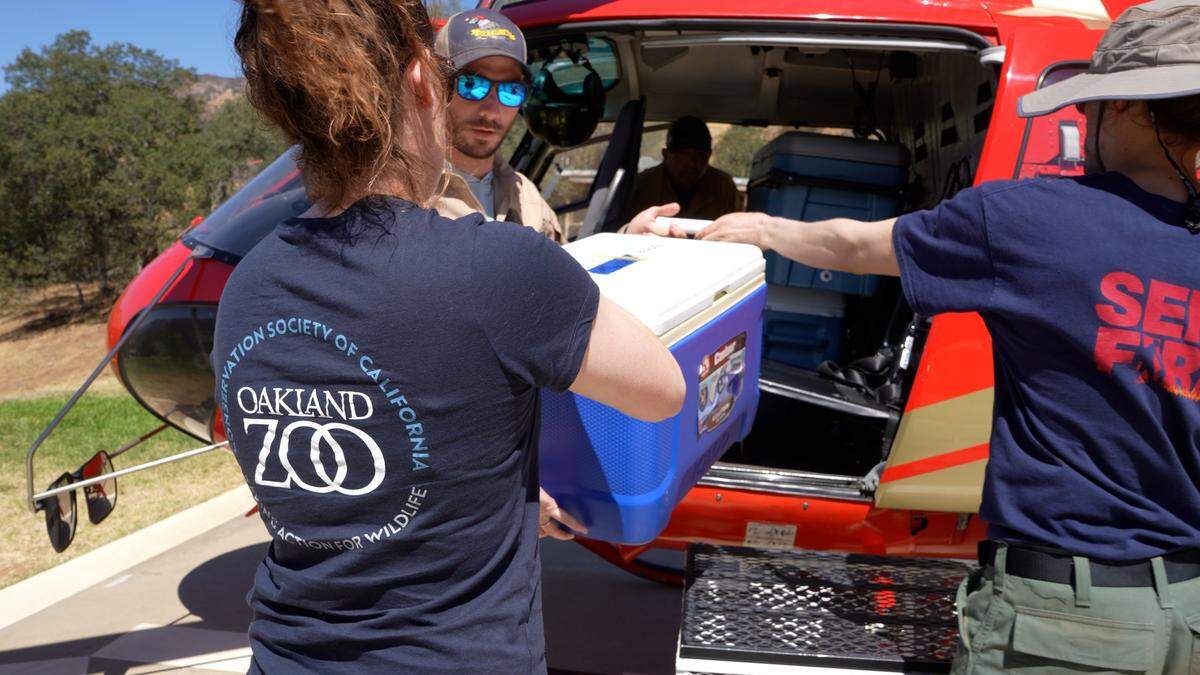
Throughout their lifecycle, the zoo said the frogs are cared for “in an optimal environment.”
When they are in the froglet stage, the frogs are given anti-fungal chytrid treatments to protect them from chytrid fungus upon their return to the wild, the zoo said.
The frogs are then pit-tagged so they can be monitored, the zoo said.
Once cleared after one final swab for chytrid, the frogs are “prepared for transport to their release site,” the zoo said.
.jpeg "frogs_fitted (1).jpeg")
In addition to its recovery program, the zoo said it is also expanding “its efforts to save these species through genetic rescue—also called biobanking frog genetics, and by developing methods to propagate the species for future release.”
“We need to keep this movement going to continue helping native California wildlife and make sure that these frogs don’t disappear,” Sammons said.
This story was originally published August 11, 2025 at 12:41 PM with the headline "Yellow-legged creatures on brink of extinction return home to CA wild. ‘Milestone’."