What’s next for historic Riverside prison and the state workers who staff it?
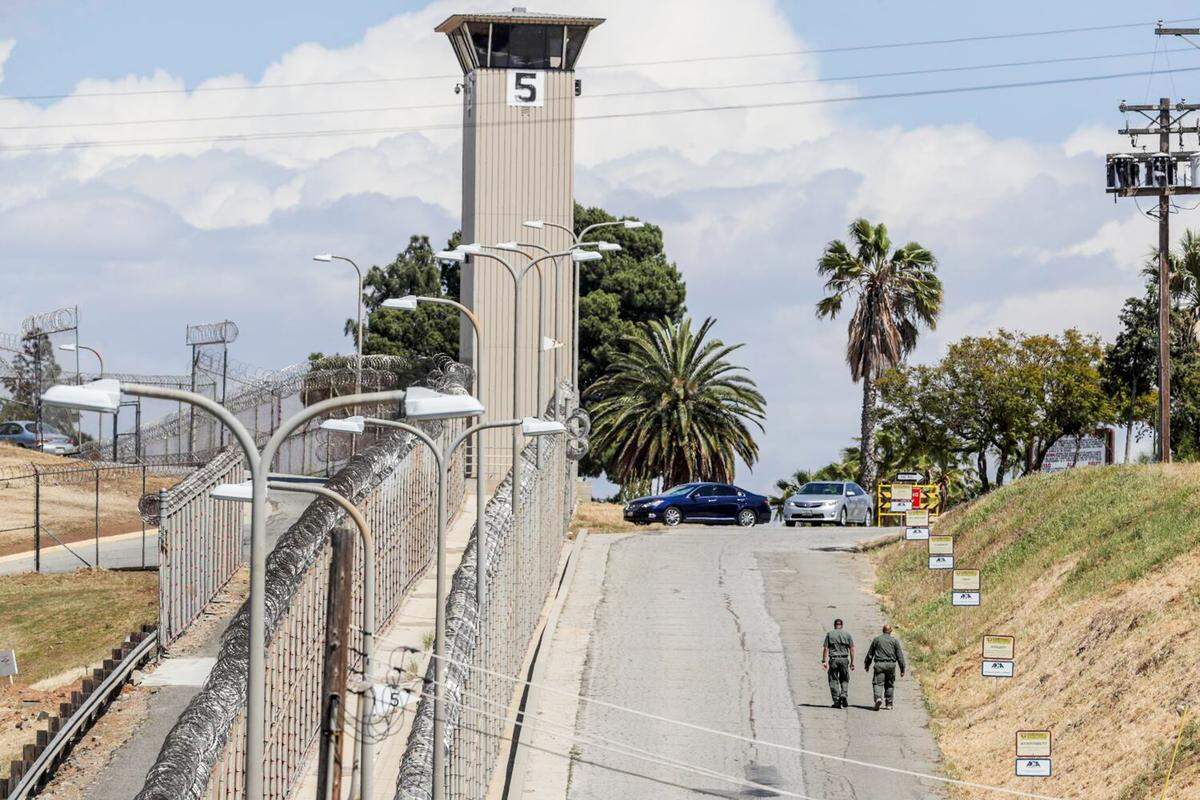
For years, residents of Norco have tried to convince the state to close a medium-security prison occupying roughly 100 acres of prime real estate in the Southern California city. Last week, the California Department of Rehabilitation and Corrections granted their wish, announcing the Riverside County prison would close its doors in fall of 2026.
For preservationists, who hope the Spanish colonial-style compound turned prison can be renovated as a means to drive economic growth in the area, the news was well received. Norco City Councilmember Kevin Bash said one of the dreams of a lot of residents is that the Lake Norconian Club will be restored to its former glory.
But labor groups representing most of the 1,191 state employees who keep the prison functioning, denounced the closure, saying careers and the community would be damaged by the move. The California Rehabilitation Center will be the fifth facility that the state has shuttered in recent years due to declining prison populations.
“The human cost cannot be ignored,” the president of the California Correctional Peace Officers Association said in a statement last week. “Closures result in forced transfers, fractured families, and, in many cases, the end of long, distinguished careers in public safety.”
Transfers, demotions, retirements and layoffs
The loss of stable jobs in Riverside County is a primary concern surrounding the closure, the prison officers union said. Other labor groups, such as SEIU Local 1000, the largest representative of state employees, said it was working to understand the impact of the closure on its employees.
Over half of those workers are involved in the custody side of the prison, most of whom are correctional officers, but there are hundreds of other employees who keep CRC running, from electricians to psychologists.
As in the past, when it has closed prisons, CDCR follows a set process for “deactivating” facilities, which the department said is designed to minimize the disruptions to staff.
CDCR said it works to transfer employees to facilities in nearby counties — the California Institute for Men and the California Institute for Women are both 30 minutes or less by car from CRC. But in the absence of positions at those prisons, employees would need to transfer to facilities farther from Norco.
CDCR did not immediately provide the number of vacancies for custody-related positions across the state.
For employees who don’t transfer, state workers are assigned a “State Restrictions of Appointment” status, which gives them hiring preference as they search for jobs with other state agencies. The department said all impacted employees would receive SROA notices to ensure a smooth transition.
Besides lateral transfers, employees’ other options include taking a job with a lower classification, retiring or being laid off.
“The Department is taking every effort to mitigate the impact on staff, volunteers and the population throughout the deactivation process,” spokesperson Emily Humpal said in a statement.
The reality of those changes will have significant impacts on workers, their families and communities, said Dr. Aaron Cannon, the southern vice president for AFSCME Local 2620, which represents health and social services professionals who work in state prisons.
“People will have to relocate, find employment and adjust to the changes,” Cannon said in a statement. “We understand the Governor has made a commitment to close prisons. We just aren’t sure he has thoroughly thought through the consequences that come with closures as a priority.”
After the incarcerated population has been transferred to other facilities, CDCR will still be responsible for maintaining the prison. The Department of General Services then helps to either find another use for the state property, such as a commercial lease, or works with CDCR and the Legislature to more permanently dispose of the facility, usually through sale.
CDCR did not indicate what was in store for the property after the prison closes, which was estimated to save the state $150 million annually.
A historic resort and hospital
While the prison’s future is unknown at the moment, Norco leaders see the property as a potential economic driver due to its historical significance. The property is so close to regional leaders’ hearts, the city council passed a legislative agenda that advocates for the closure of CRC so it can be reverted to the Norconian Hotel and Resort.
While that goal remains distant, the state’s intention to cease operations over the next 14 months is the first step to return the sprawling campus on a hill to its former status as high-end resort.
“Every era, there is history,” Councilmember Bash, who wrote a book about the property and serves as the de facto city historian, said in an interview. “It’s an extraordinary time capsule into World War II.”
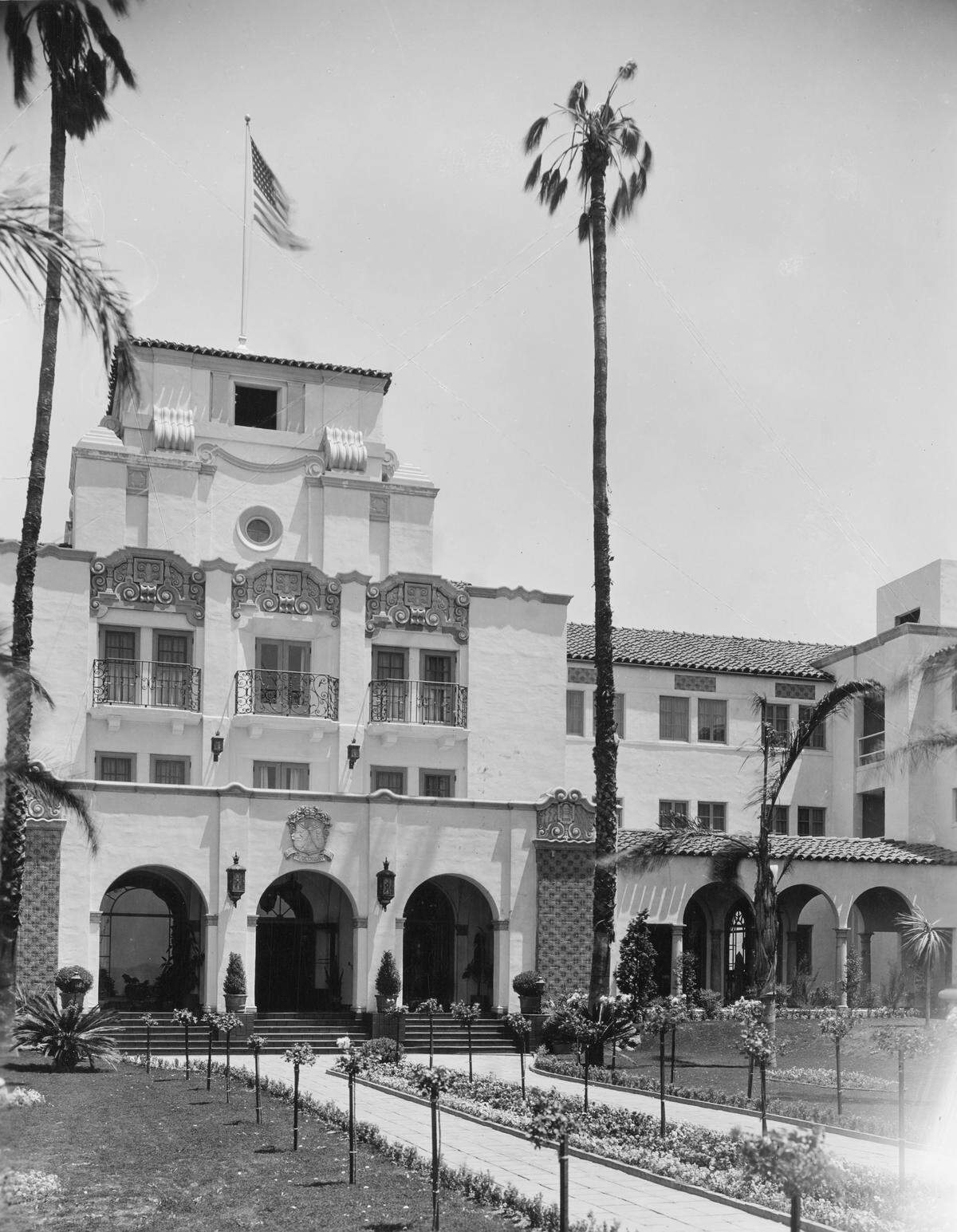
In the late 1920s, entrepreneur Rex Clark and his wife Grace Scripps, who was an heiress to the Scripps newspaper business, built the resort. The sprawling complex included a hotel, ballroom theater, natural springs and a Mediterranean-style clubhouse, which overlooks a manmade lake.
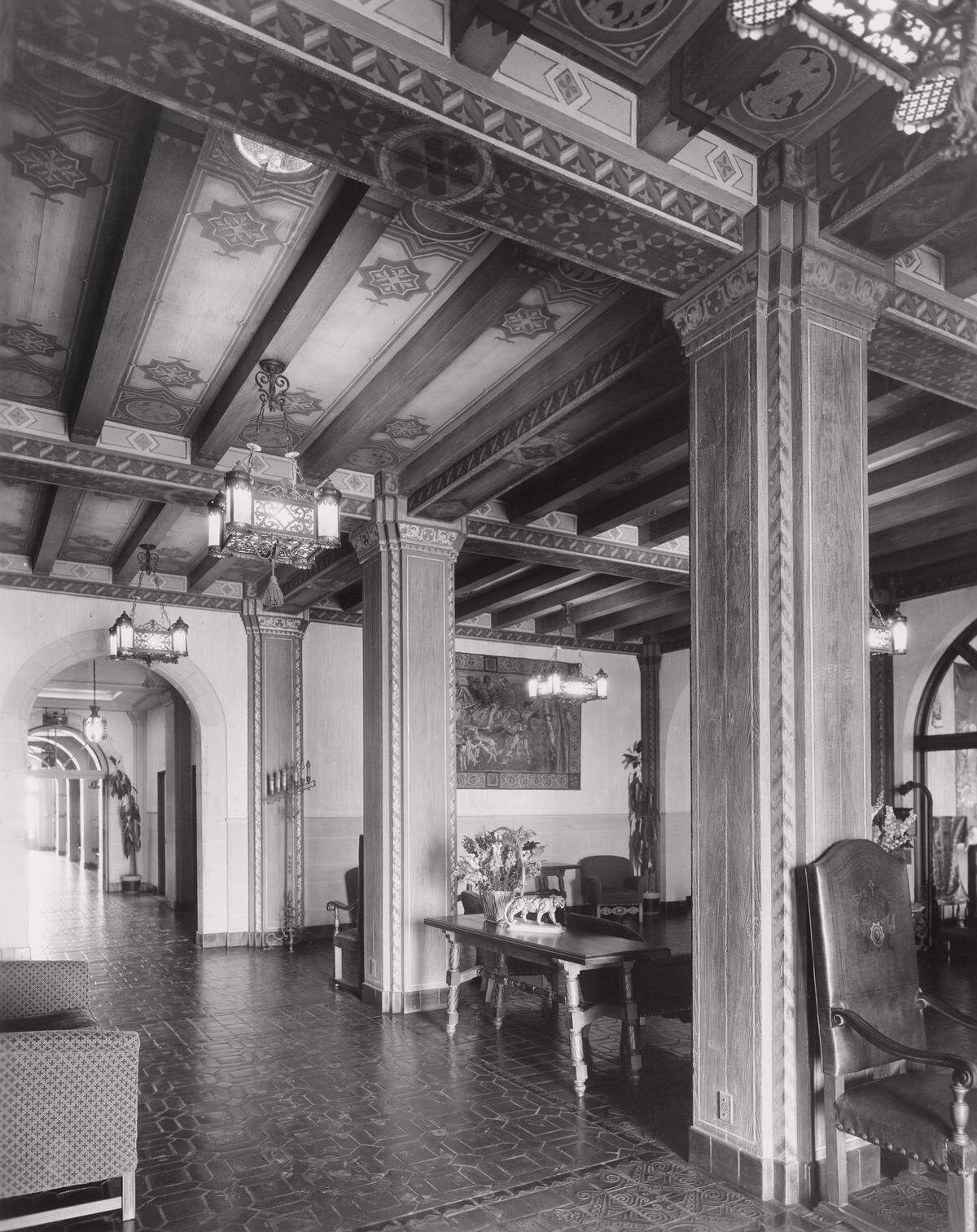
In the subsequent decade the resort hosted Olympians and Hollywood stars, Bash said, but Clark was unable to sustain the sprawling facilities after facing tough financial times during and after the Great Depression. The Norconian was put up for sale, and in 1941 the U.S. Navy took over responsibility for the property.
Under Navy Surgeon General Vice Adm. Ross McIntire, the Norconian was transformed into a rehabilitative hospital to treat service members with tuberculosis and polio. The facility eventually became the Navy’s primary hospital for polio and rheumatic fever, Bash said. The Norconian historian said the therapeutic practices used at the hospital became a template for rehabilitative medical facilities across the country.
In an effort to prevent bedsores and improve morale, doctors encouraged paraplegic World War II veterans being treated there to play wheelchair basketball. The Norco hospital was the site of the first official game between wheelchair basketball teams in 1947, according to the National Wheelchair Basketball Association.
In 1962, the federal government donated the hospital to the state of California, which used the facility as a rehabilitation center. Decades later, the state started using the facility for incarceration.
The city and a local nonprofit, the Lake Norconian Club, have taken measures to preserve the property, including filing a lawsuit against the state, alleging CDCR was neglecting the building.
Additionally, Bash said advocates have attempted to get more of the property listed on the National Register of Historic Places (92 acres, on which the Lake Norconian Club sits, are already part of the register.)
Over the years, Bash said local leaders have maintained a positive relationship with the prison, but he also noted that the state could have been a better steward of the property, citing that trees have died and the water has been shut off.
But Bash noted the prison fence surrounding the historic Norconian resort has had the added bonus of keeping grounds protected.
This story was originally published August 10, 2025 at 5:00 AM with the headline "What’s next for historic Riverside prison and the state workers who staff it?."