CA proposal to limit the killing of coyotes put on hold amid rancher protests
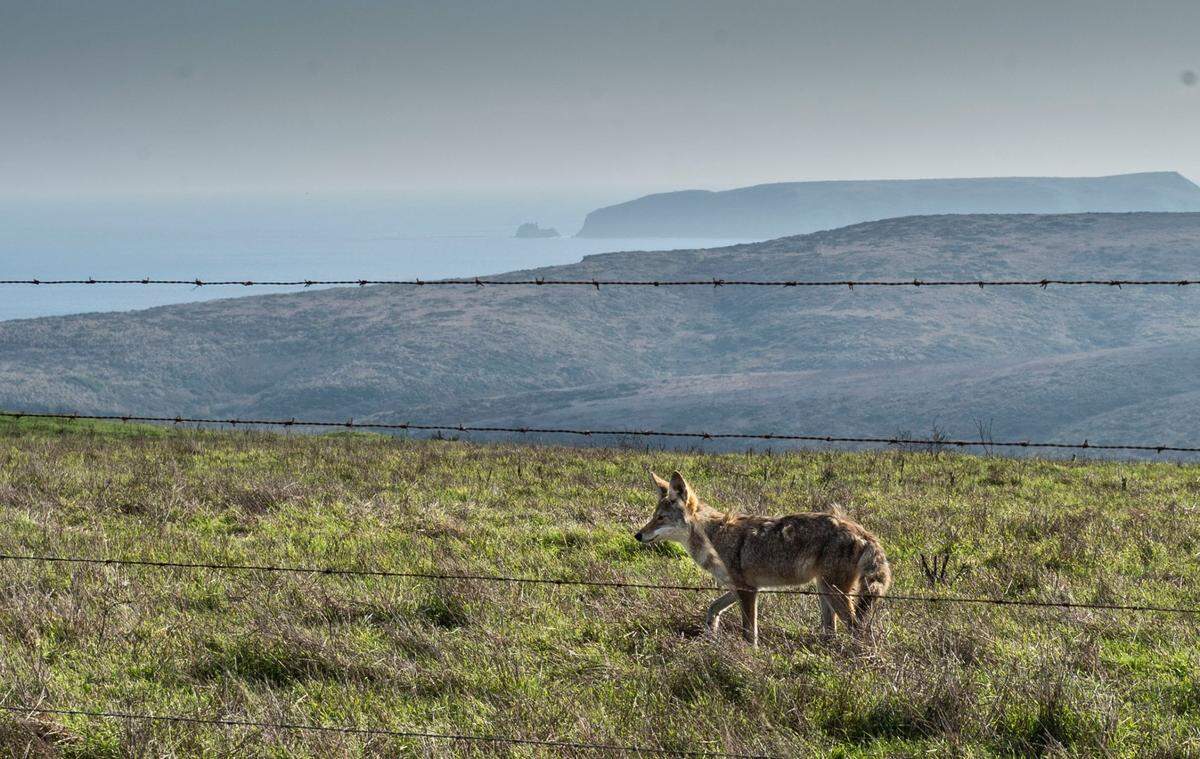
California wildlife officials have backed off for now on a recommendation to regulate the hunting and killing of coyotes amid an uproar from ranchers, farmers and politicians from rural areas who say the predators kill livestock and threaten people and pets.
A committee of the California Fish and Game Commission on Thursday said it would not revive a proposal it made in January to remove coyotes from a list of animals that can be killed “at any time of the year and in any number” under state regulations until more discussion has taken place and the proposal was refined to reflect concerns.
“There’s a lot more to learn,” Erika Zavaleta, co-chair of the commission’s Wildlife Conservation Committee, said at Thursday’s meeting in Sacramento.
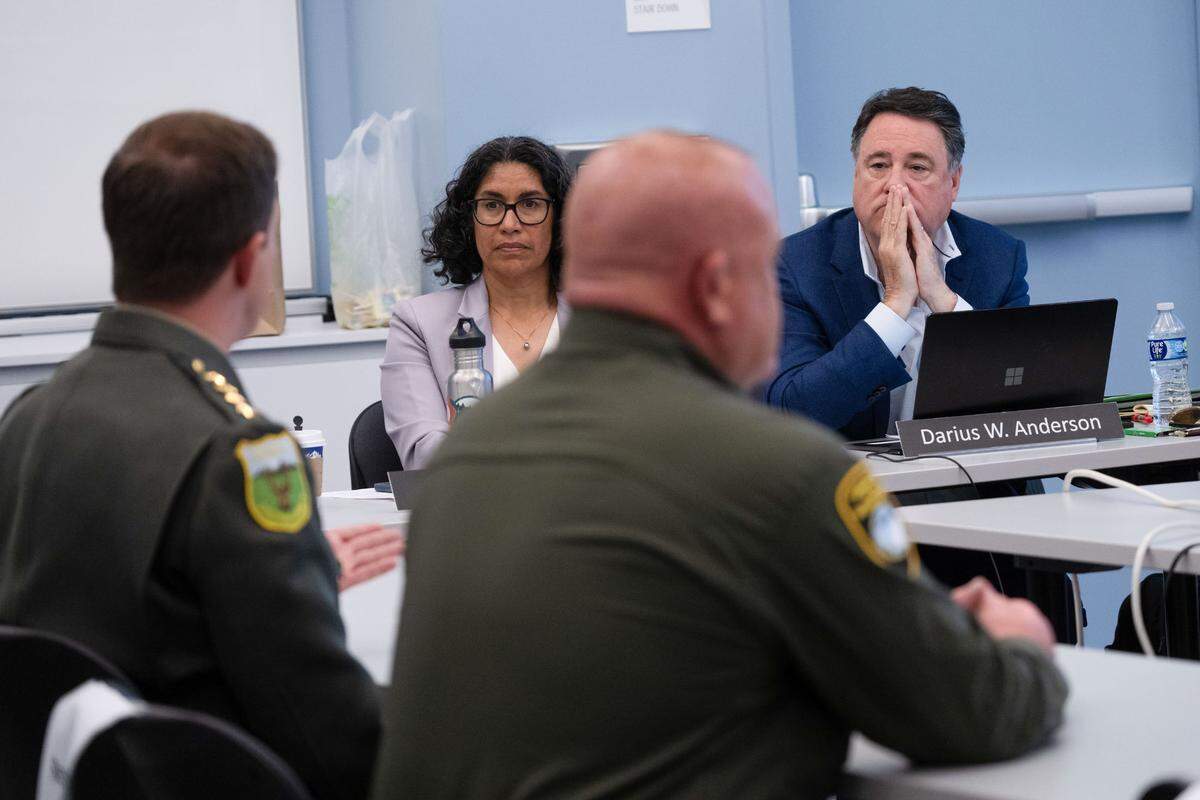
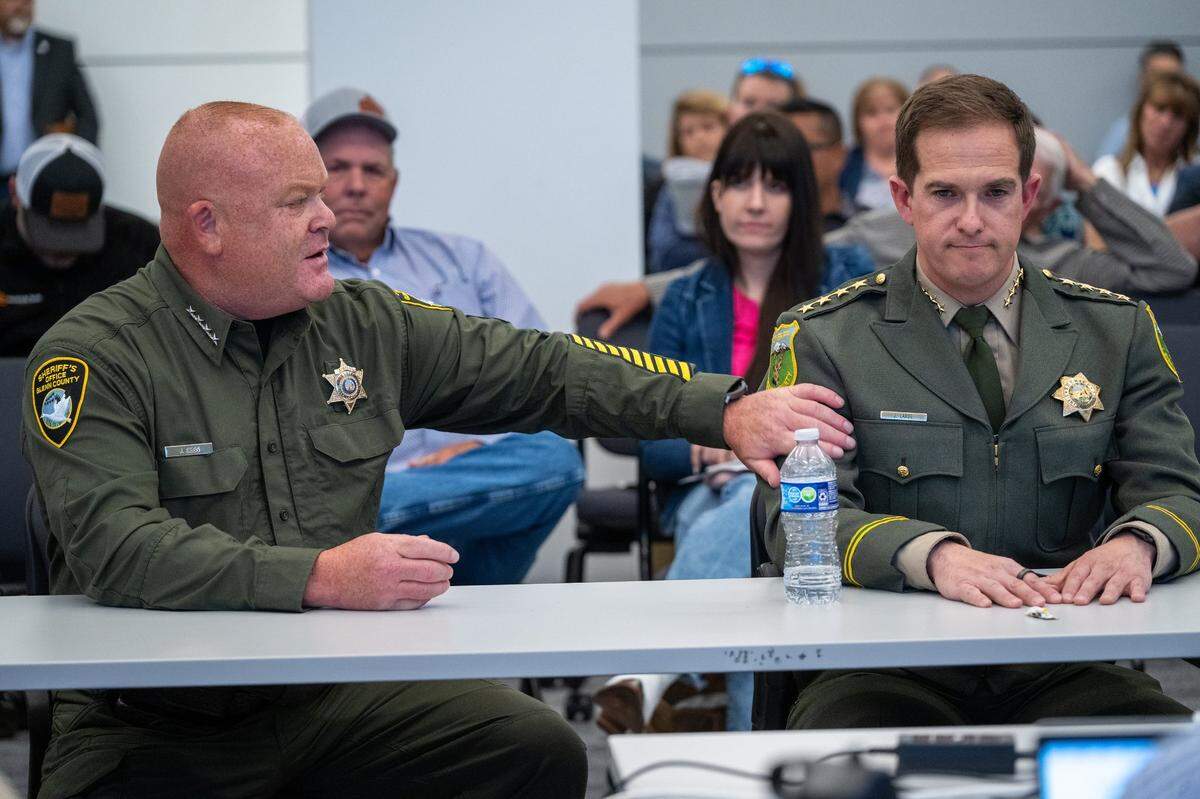
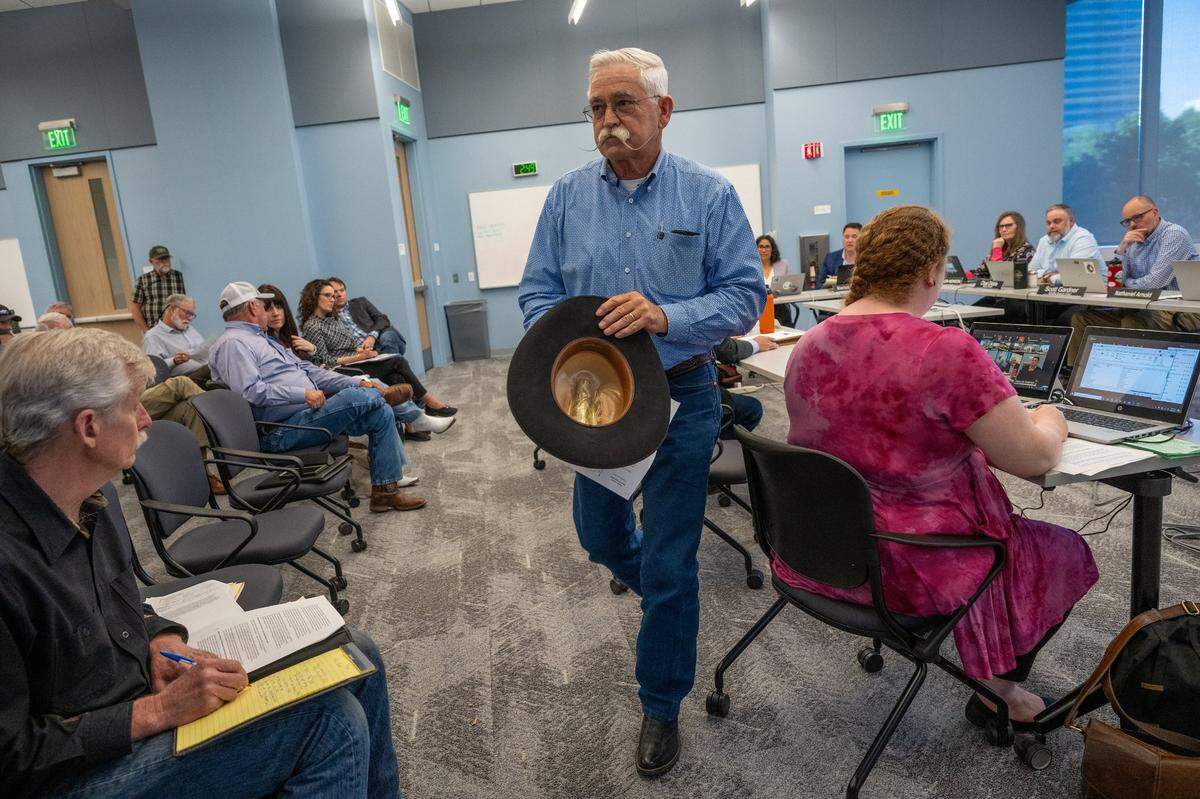
About 550 people — most of them online but about 50 in person — joined the meeting, which was held to revisit the proposal after opponents expressed fierce opposition and said they were blindsided by it. Those in attendance included elected sheriffs and supervisors from across the north state, including Sierra, Plumas, Modoc, Siskiyou and Glenn counties.
Zavaleta said the committee’s initial recommendation had been in response in part to concerns about indiscriminate killing of coyotes raised by animal rights groups, which continued to press Thursday for protections for the wild canines. But she said that after hearing the concerns from ranchers — as well as suburban dwellers seeking a way to diminish and control coyote attacks — any final proposal would still allow coyotes to be killed without a permit.
The idea that the state was considering limiting the killing of coyotes struck a nerve in rural communities because it came at a time when ranchers, farmers and other residents are struggling to respond to a dramatic uptick in attacks by wolves, whose numbers are increasing after years of protection under the state and federal endangered species acts. In March alone, wolves killed at least eight calves, according to state records and previous Bee reporting. By comparison, there were no confirmed wolf kills of cattle in March 2024, and just three in 2023, state records show.
Rural communities have also been rattled by attacks by other predators, including a mountain lion that was euthanized on Wednesday after it killed four goats on a Yuba County property that also housed a child care center.
“We have a terrible problem with the gray wolf right now, and that has hyped up the coyote issue, because it’s like one more thing that we have to deal with,” said cattle rancher Rick Roberti, who lives in Plumas County and is the president of the California Cattlemen’s Association. “We need your help.”

Most of the year, he and other ranchers said, coyotes are not a problem and can even be helpful in agricultural areas because they kill mice, rats and other pests. But during the calving season, however, they attack the newborns. With wolves — who by state law cannot be killed unless they are attacking a human — also killing calves, new rules limiting the hunting of coyotes would make the problem worse, he said.
The state estimates that there are between 250,000 and 750,000 coyotes in California.
“I was always pleased to see coyotes in my field doing rodent control,” said Modoc County Supervisor Ned Coe, who works as a livestock farmer. “That said, I was also really upset when I go out and I see buzzard circling, which meant there was a dead calf.”
Walter Hardesty, who operates a ranch south of Elk Grove, said in addition to killing his chickens, coyotes have done serious damage to his irrigation lines.
“They like chewing on the plastic, and they chew holes all the way down the whole system,” Hardesty said. Replacing the lines can cost $5,000 or more, he said.
Among the concerns raised by animal rights activists is the trapping of coyotes in urbanized areas by cities and counties frustrated with their growing presence in heavily populated places. Several residents of San Diego County appeared via videoconference during the nearly five-hour hearing to say they were afraid to go out on the beach at night for fear of encountering roaming coyotes.
But animal rights groups said coyotes can be controlled without allowing anyone to kill them at any time.
Camilla Fox, executive director and founder of the nonprofit organization Project Coyote, said a poll they commissioned showed that most Californians favor at least some restrictions on killing the predators. Allowing them to be killed at any time, including when pups are newborn in the spring, is in conflict with the state’s recently developed policy for managing predator animals, she said.
“That policy mentions very explicitly the intrinsic ecological and cultural value of native predators,” she said. “Moreover, current regulations do not reflect the values of the majority of Californians.”
She pointed committee members to a model coyote coexistence plan developed by her organization that urges non-lethal interventions when coyotes are present in human areas, including such prevention measures as bringing in garbage or pet food at night, keeping pets inside and educating people about the value and habits of coyotes.
It urges nonlethal protections such as fencing and predator-proof chicken coops for livestock.
Philip Steir, who came to the capital meeting from San Francisco, said he was not bothered by the presence of coyotes in his city. He argued that lethal control is counterproductive, citing scientific studies that show killing coyotes can actually lead to population increases. This is because coyote social structures adapt — non-reproducing pairs begin having pups when population pressure decreases.
“Killing coyotes over and over and over increases their population,” Steir said. “And yet, across much of California, coyotes can be killed anywhere, at any time, for any reason and without legitimate reason and purpose.”
By the end of the meeting, Zavaleta and co-chair Darius Anderson made it clear that they were going to take more time to consider the issue.
“I’m not ready to move anything,” Anderson said. “I think there’s a lot more work that needs to be done.”
The committee did not set a date for a future hearing, though the panel is slated to meet again in September.
This story was originally published May 16, 2025 at 12:46 PM with the headline "CA proposal to limit the killing of coyotes put on hold amid rancher protests."