Threat of invasive golden mussels prompts new rules, fees for boats at Lake Tahoe
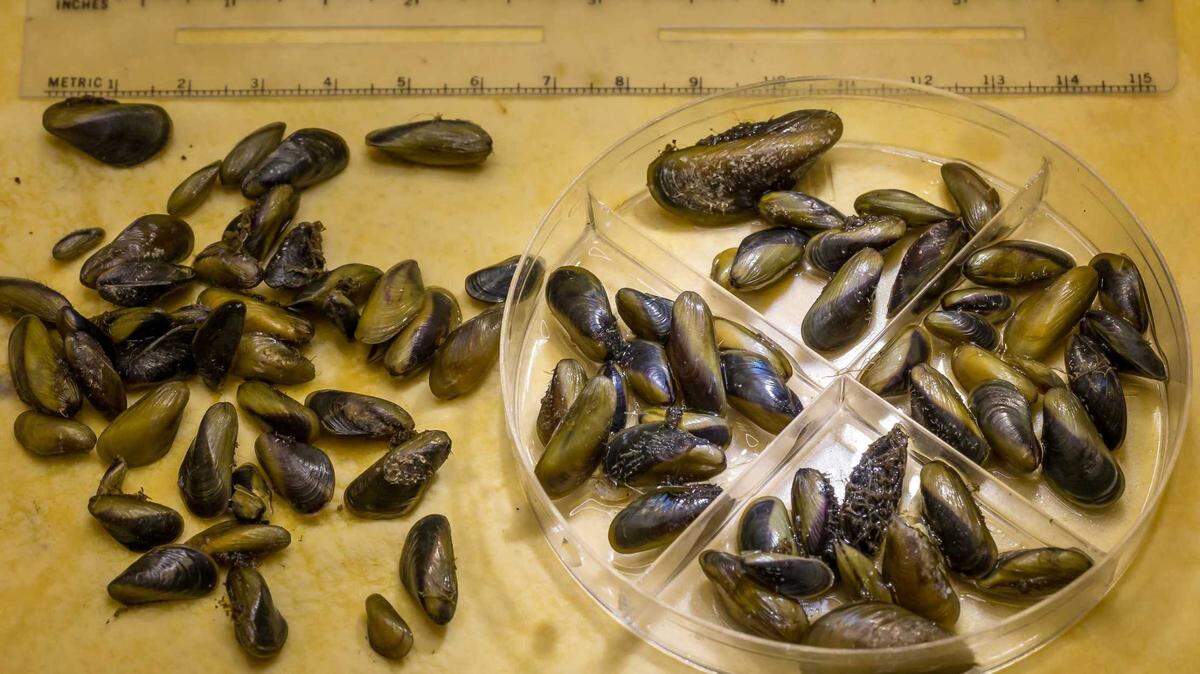
A growing aquatic threat in California has prompted the Tahoe Regional Planning Agency to adopt stricter inspection requirements for motorized watercraft entering Lake Tahoe.
TRPA’s governing board on Wednesday approved mandatory decontaminations for all visiting boats ahead of the boating season to combat the spread of golden mussels, an invasive species recently detected in the Sacramento-San Joaquin Delta and prompted similar rules across the Central Valley.
“Golden mussels are a greater threat to Tahoe than other aquatic invasive species,” said Dennis Zabaglo, aquatic invasive species program manager for TRPA. “Boaters and paddlers have a key role in protecting the waters they enjoy.”
Native to Asia, golden mussels damage water infrastructure, degrade ecosystems and outcompete native species. Since their October discovery in the Port of Stockton, the freshwater mollusks have spread through connected waterways as far south as Bakersfield, alarming water and wildlife officials.
In response, agencies across the Valley have begun imposing new boating restrictions — including bans, inspections and mandatory quarantines.
TRPA and Tahoe Resource Conservation District, which jointly operate the Watercraft Inspection Program, have instituted a minimum $30 decontamination fee to cover increased program costs. While the base inspection fee remains unchanged, the decontamination fee applies only when boats are not deemed “clean, drain, dry.”
Boats with two or three problem areas will be charged $30; those with more than three will pay $60.
“These strengthened procedures are necessary to preserve Tahoe’s waters,” said Hayley Williamson, TRPA’s board chair. “The introduction of golden mussels would be devastating to the lake, and the Watercraft Inspection Program is our front-line defense.”
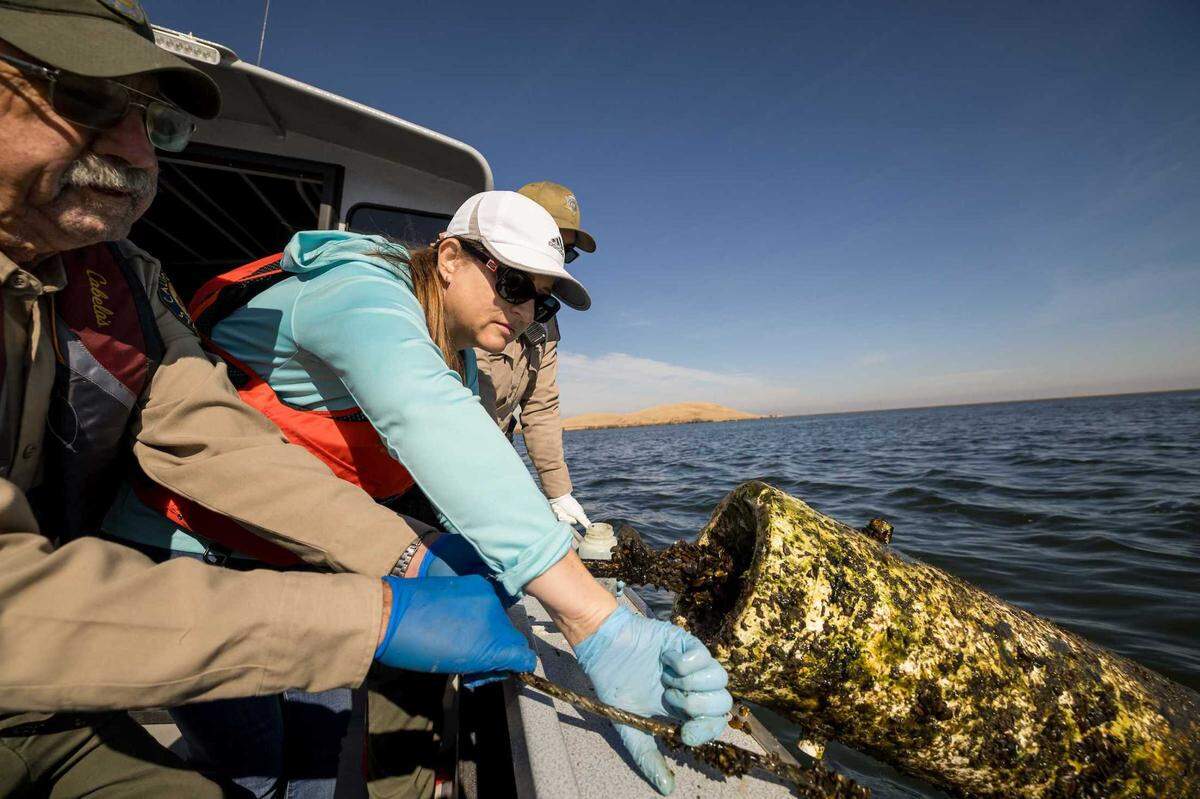
What to know about Tahoe boating
With the changes, these are the requirements and fees boaters need to know before heading to the lake, according to the planning authority:
Decontamination: All “Tahoe In & Out” motorized watercraft will be decontaminated following inspection.
Clean, Drain, Dry: Watercraft need to arrive clean, drained and dry to minimize fees.
Appointments: For inspections can be set it up ahead of time at TahoeBoatInspections.com/appt.
Non-motorized watercraft: Can be decontaminated for free as they need to be clean, drained and dry as well; tips on how to do that for canoes, kayaks and other hand-launched craft are available at TahoeKeepers.org.
Costs: Inspection fees are unchanged at $30 for two or fewer water intake systems and $60 for three or more and boats with ballast; fees for decontaminating watercraft found with two or three areas not clean, drained and dry is $30; the cost rises to $60 if more than three areas are found.
Golden mussel discovery spurring restrictions
The urgency stems from the mussels’ rapid spread and a California Department of Fish and Wildlife alert warning of environmental and economic harm from the mussels. Authorities say golden mussels — which likely arrived via a cargo ship or another large vessel — are a bigger threat to California waters than other mussel species because they can thrive in a wider range of water quality conditions.
State officials say the mussels can hide in ballast tanks, live wells, and engine systems, surviving long trips and posing risks to even remote mountain lakes. In December, state officials banned the importation, possession and transportation of the mussels by placing them on the state’s restricted species list.
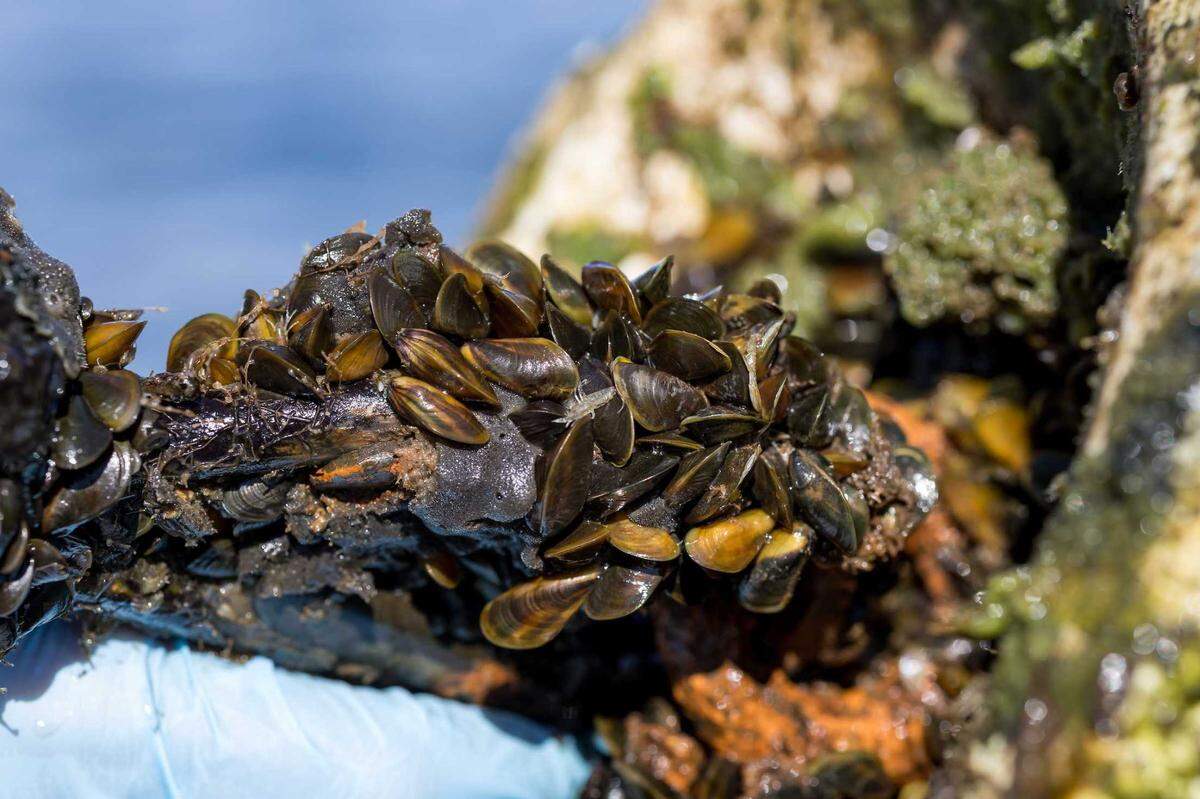
On Tuesday, the Sacramento Municipal Utility District imposed emergency boating restrictions at Rancho Seco Lake near Herald, including a ban on trailer-launched watercraft and a requirement that all hand-launched vessels be dry for 30 days prior.
Solano County officials last fall enacted similar restrictions at Lake Berryessa, barring boats from the Delta unless they are quarantined or decontaminated.
For its part, Tahoe’s planning authority emphasized that early detection and prevention were critical to avoiding widespread infestation.
“We appreciate the support of boaters and will continue working to keep the lake safe and accessible to all,” Zabaglo said.
This story was originally published March 27, 2025 at 9:39 AM with the headline "Threat of invasive golden mussels prompts new rules, fees for boats at Lake Tahoe."