New snow survey results show improvement for the Sierra Nevada snowpack. What’s next?
The third snow survey of the water season — which began Oct. 1 — was conducted on Thursday morning at Phillips Station in the Sierra Nevada.
While a Thursday update from the U.S. Drought Monitor shows conditions on the eastern slopes of California’s Sierra Nevada are “abnormally dry” compared to this time last year, the results from the California Department of Water Resources survey show an improvement for the Sierra Nevada snowpack.
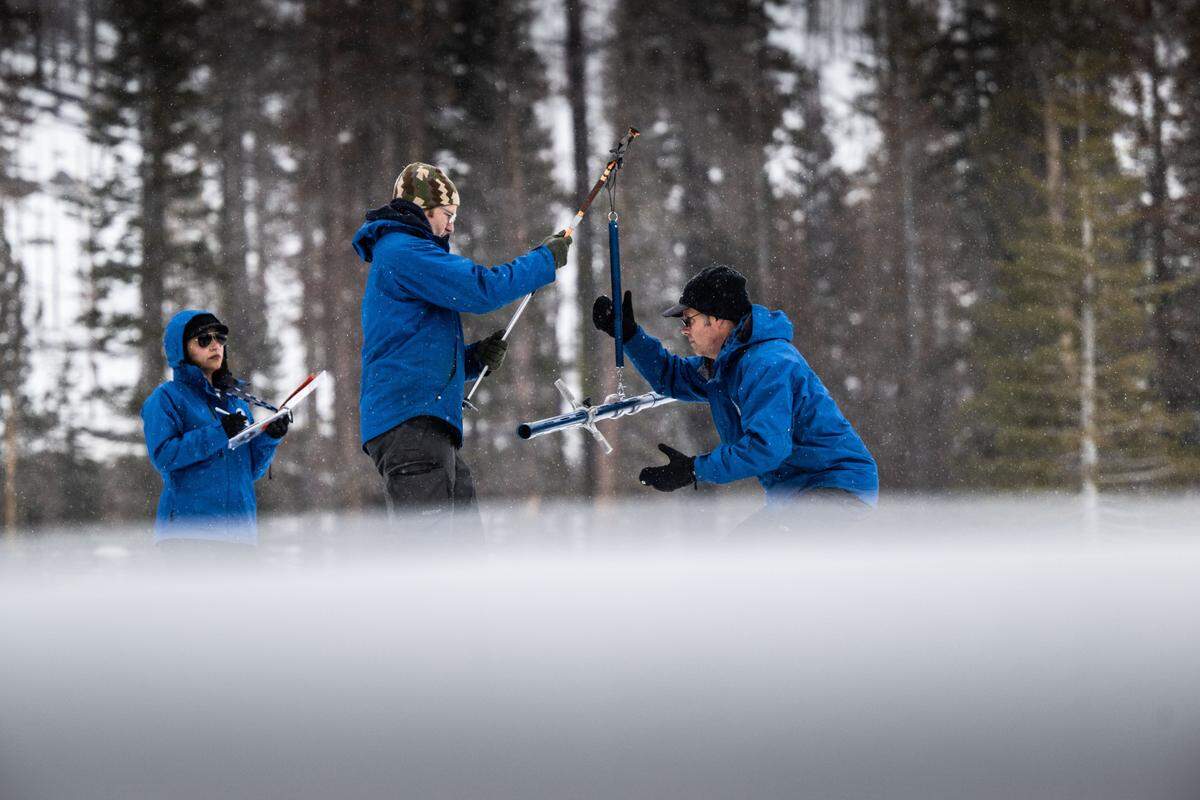
According to a news release from the department, Thursday’s survey measured the snow depth at around 48 inches. The snow water equivalent — a key component of the department’s water supply forecast — was at 18 inches.
The overall mountain snowpack is 80% of average for this time of year and 70% of normal for the season end on April 1, according to DWR’s network of snowpack gauges across the High Sierra. A closely-watched index of rain and snow gauges in the Central Sierra is registering 77% of average.
“While we are in a much better position today than we were a month or two ago, the snowpack is only at 70% of average for the April 1 peak,” Angelique Fabbiani-Leon, a hydrometerologist with the department, said to reporters at Phillips Station on Thursday morning.
How have winter storms helped the snowpack?
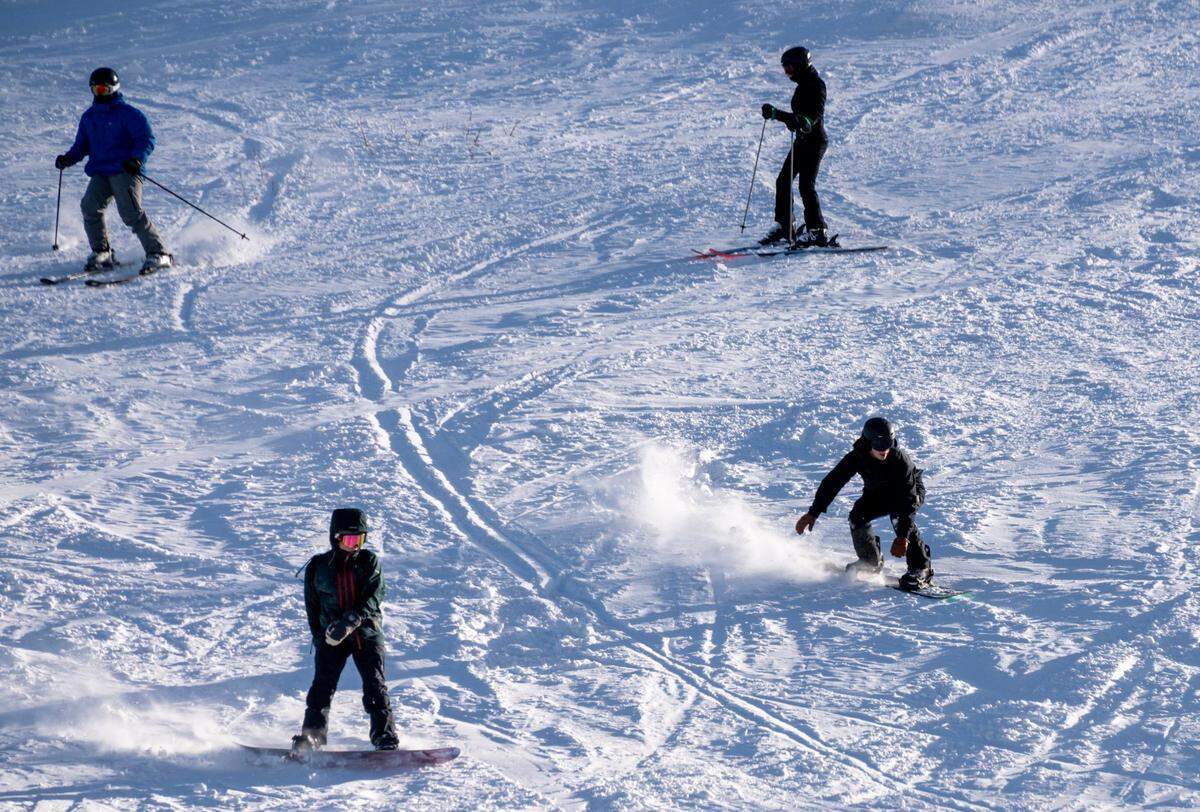
This water season, Northern California has endured back-to-back winter storms.
The storms in January and February were “warmer than average, dropping more precipitation as rain rather than snow,” the news release stated.
“So far, the storms that have helped build our snowpack have been at an ideal pace that we like to see,” Fabbiani-Leon said.
While the storms have been consistent and spread out enough to relieve the Sierra Nevada’s river systems, she said the snowpack still does not compare to last year.
With California’s continuous atmospheric river storms undergone last winter, the 2022 to 2023 water season created the deepest snowpack recorded across the Sierra Nevada within the last 40 years.
“Even though our current statewide precipitation is just above 100% of average, our snowpack is still only at 80% of average for the state,” Fabbiani-Leon said.
This is an improvement from the 28% of average recorded on Jan. 1, the news release says.
What’s next for California’s snowpack?
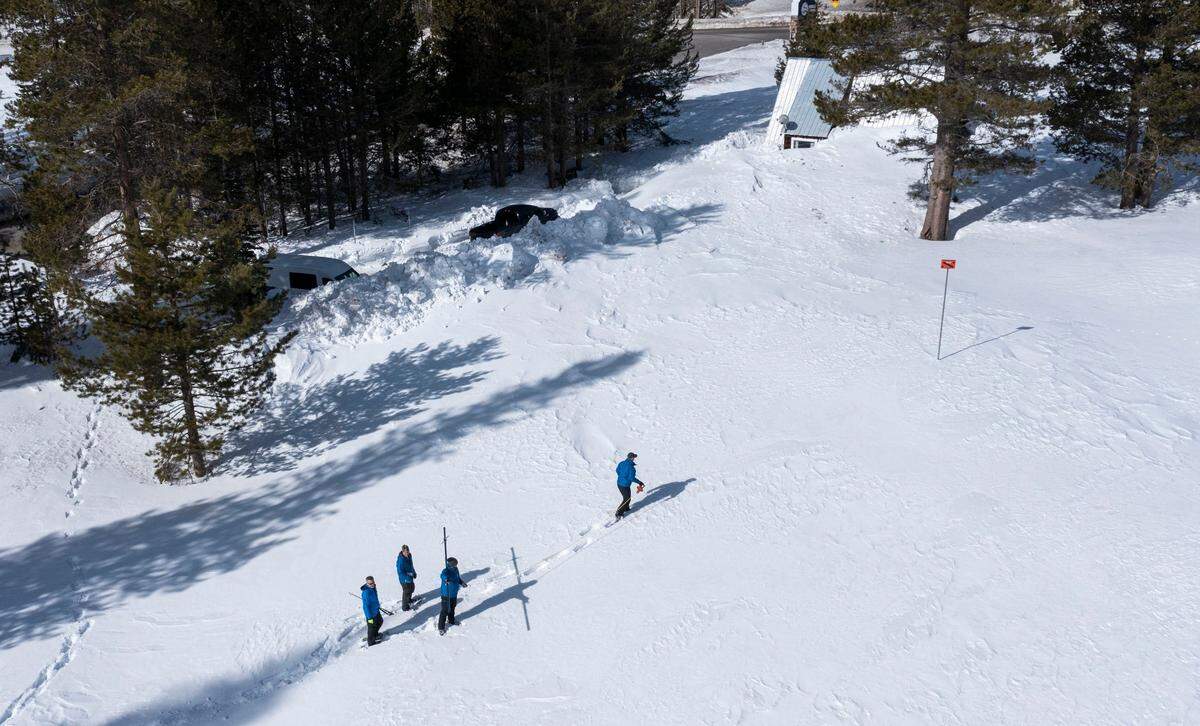
The lack of snow could affect the amount of run-off from the Sierra Nevada into California’s reservoirs, Fabbiani-Leon said.
On average, the Sierra Nevada’s snowpack supplies roughly 30% of California’s water needs, the release stated.
Even though California’s major reservoirs have more water than usual — roughly 119%, the department’s latest forecasts show runoff could be below average due to the “unusually dry start to the water year,” according to the news release.
“March will be critical in determining if we finish above or below average,” Karla Nemeth, a director for the department, said in the release.
If the Sierra Nevada receives dry conditions throughout next month, Fabbiani-Leon said the snowpack could be further below average.
The upcoming storm could help with the snowpack, she said. However, several additional storms will be necessary to get the Sierra Nevada snowpack to 100% of average by April 1.
The last survey of the year is scheduled for April 2, the release stated.
This story was originally published February 29, 2024 at 1:28 PM with the headline "New snow survey results show improvement for the Sierra Nevada snowpack. What’s next?."