These Californians must move every school year. Here’s why a law meant to help isn’t working
Every year at the end of the work season, thousands of California farmworker families pull their children out of school and move at least 50 miles away.
The annual journey persists, even though the state has fewer and fewer migrants and more and more farmworkers who want to settle permanently.
In 2018, advocates won an exemption from the 50-mile requirement for families with school-age children. Relaxing the rule, they believed, would make it easier for migrant children to stay in one place and improve educational outcomes.
But five years later, few families are using the exemption. In some cases, it appears that no one bothered to tell them about it. Poor communication by officials and a lack of affordable off-season housing have made it challenging for workers to take advantage of the program.
The policy is due to sunset in January 2024. That would leave farmworkers who rely on state housing with even fewer choices after their work season ends. Whether lawmakers will decide to extend the provision is unclear.
This leaves farmworkers like Margarita Anaya de Chávez, with limited choices.
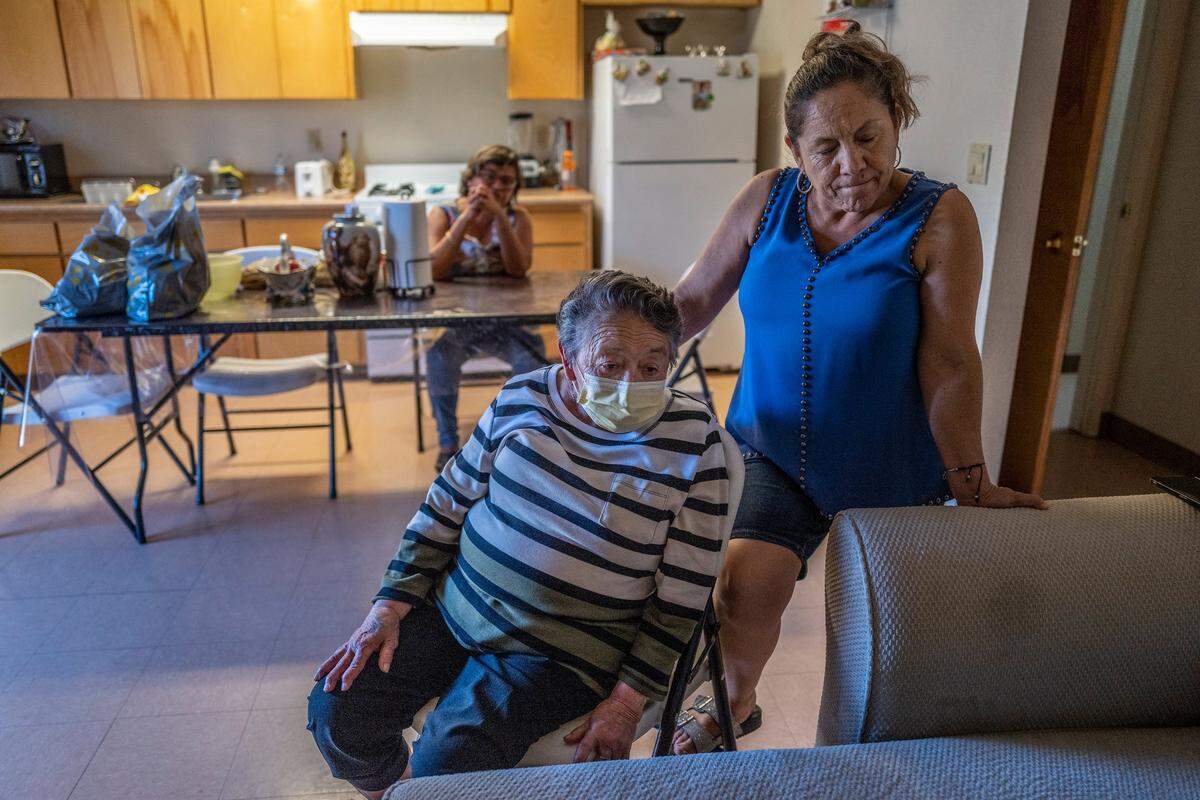
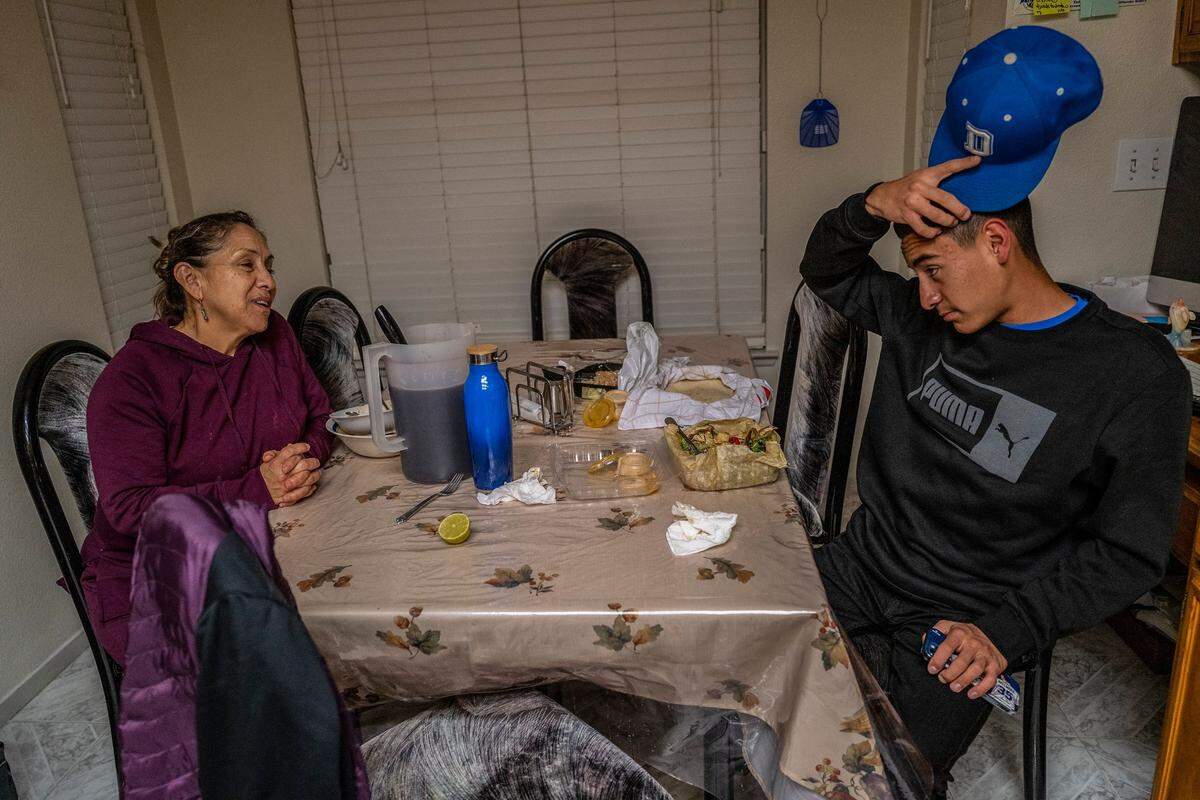
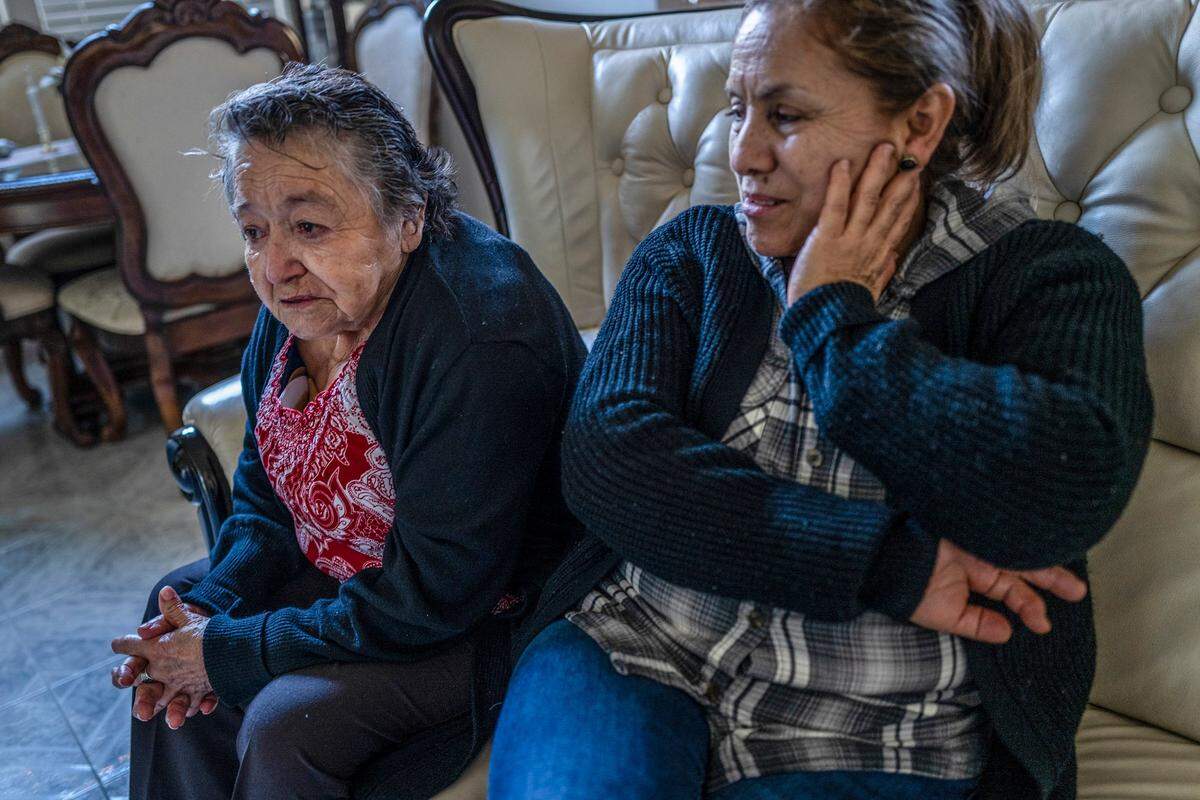
Anaya de Chávez has lived at the Davis Migrant Center in Dixon with her husband, mother and teenage son for the past three years. She has worked in agriculture for 30 years and has spent seven in the Davis area, where she and her husband pick almonds, tomatoes and chili peppers.
“I would like them (the state) to do something for the housing of farmworkers who don’t make much and who can’t pay high rent,” she said in Spanish. “They need to see the need for us.”
Migrant housing history
California’s migrant housing centers date back to the late 1970s. The Department of Housing and Community Development (HCD) turned existing migrant camps of tents, collapsible buildings and temporary shelters into housing complexes.
The state now operates 24 of these centers, most of them in the Central Valley and Northern California, at an annual cost of about $12 million. Rents cover about $4.6 million of the migrant centers’ budget, and subsidies pay for about $7.4 million of the remaining expenses.
Counties, housing authorities and grower associations own the land, and HCD owns the housing units, which are open until the end of the season from April through October or November. A lack of additional funding and a need to upgrade some of the complexes for winter weather force a six-month annual closure.
Just under 10,000 tenants live in the centers. All must meet income requirements, prove they work in agriculture and show that they live at least 50 miles away for three months after the centers close.
For many farmworkers, the migrant centers are the only consistent source of affordable housing, even if they must leave for a large chunk of the year.
Workers staying at the centers pay rent that is much lower than private market landlords charge. Last year, Anaya de Chávez, who makes $15.75 per hour, paid $380 per month for a three-bedroom apartment.
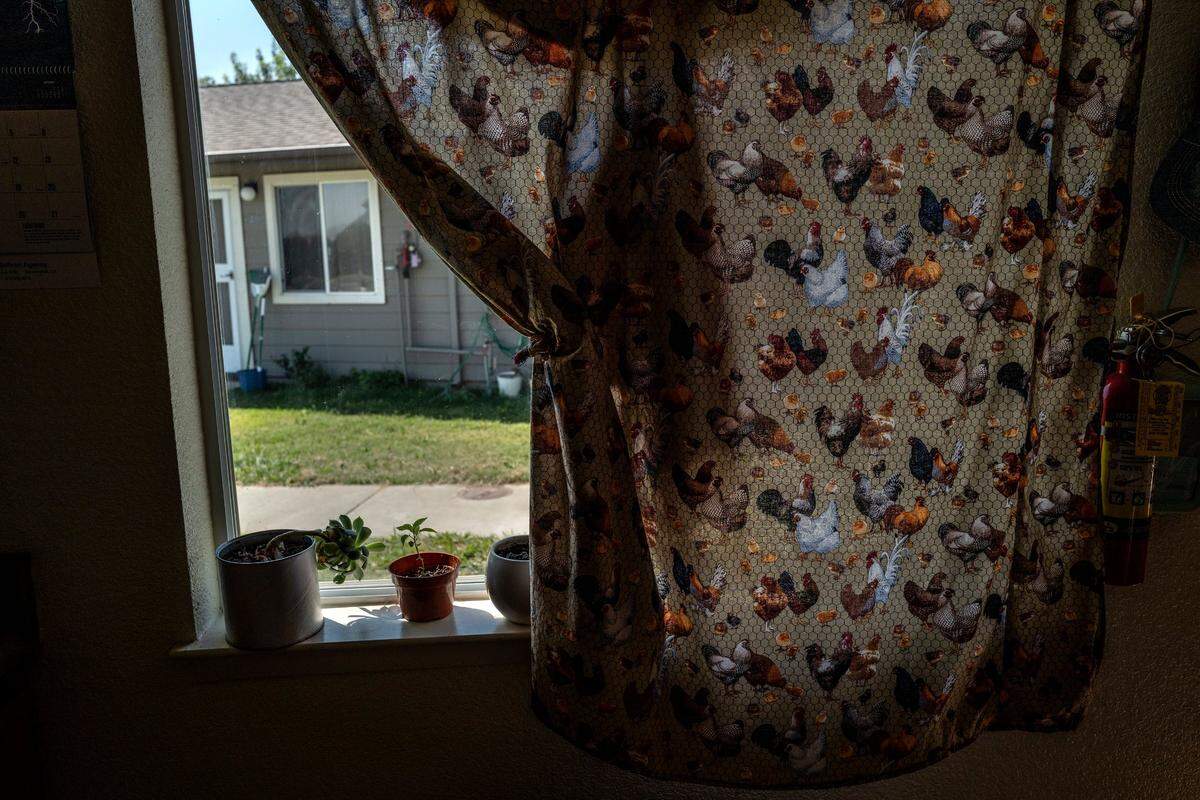
Anaya de Chávez’s unit at the Davis Migrant Center is modest and clean with a small living room and kitchen area and bedrooms for her and her husband, her son, and her mother. The homes’ exteriors are gray and well-kept, and clothes lines and small flower gardens dot the complex’s yards.
A market-rate unit with the same number of bedrooms would likely cost her more than $2,300 in Yolo County, according to data from the National Low Income Housing Coalition.
50-mile rule origins
To live at the migrant centers, workers also must comply with the 50-mile rule, which requires the head of household to live at least that far away for three months after families move out for the season.
In recent years, some farmworker advocates have begun to call the enforced migration oppressive.
“For too long, migrant farmworker families and children bore the brunt of repeated displacement as they followed the agricultural seasons,” said Antonio De Loera-Brust, communications director for the United Farm Workers. “Migrant farmworkers deserve the ability to settle permanently in the communities their work has long provided for.”
Others say it ensures housing is available specifically for migrants, who are especially vulnerable and may be forced to live in poor market-rate housing, motels or even camps if the centers weren’t available to them.
The origins of the 50-rule are obscure. Nor does any explanation seem to exist for why HCD adopted that specific distance. The provision first appeared in the California Code of Regulations in 1982.
It likely emerged around, or slightly after, the creation of the housing centers, when the farmworker population was composed largely of single men who left their families behind when they traveled to California.
Farmworker demographics have shifted greatly since the 50-mile rule was created. Following the 1970s, the stream of men became a stream of reunified families, said Ed Flores, faculty director of the UC Merced Community and Labor Center.
“What the policymakers didn’t take into account was that farmworkers, even as men, were still people,” Flores said. “They still had families. And it was just a matter of time before there was family reunification and before the government was forced to start thinking about the needs of sustaining this workforce.”
It led to an increase in the number of farmworkers settling in the communities that they provide for.
Between 1989 to 1991, about 57% of California farmworkers were settled, or non-migrants, according to the U.S. Department of Labor. The 2019-2020 survey, the agency’s most recent, shows 92% are settled.
Families like Anaya de Chávez’s are among those who want to stop migrating and make a home of their own.
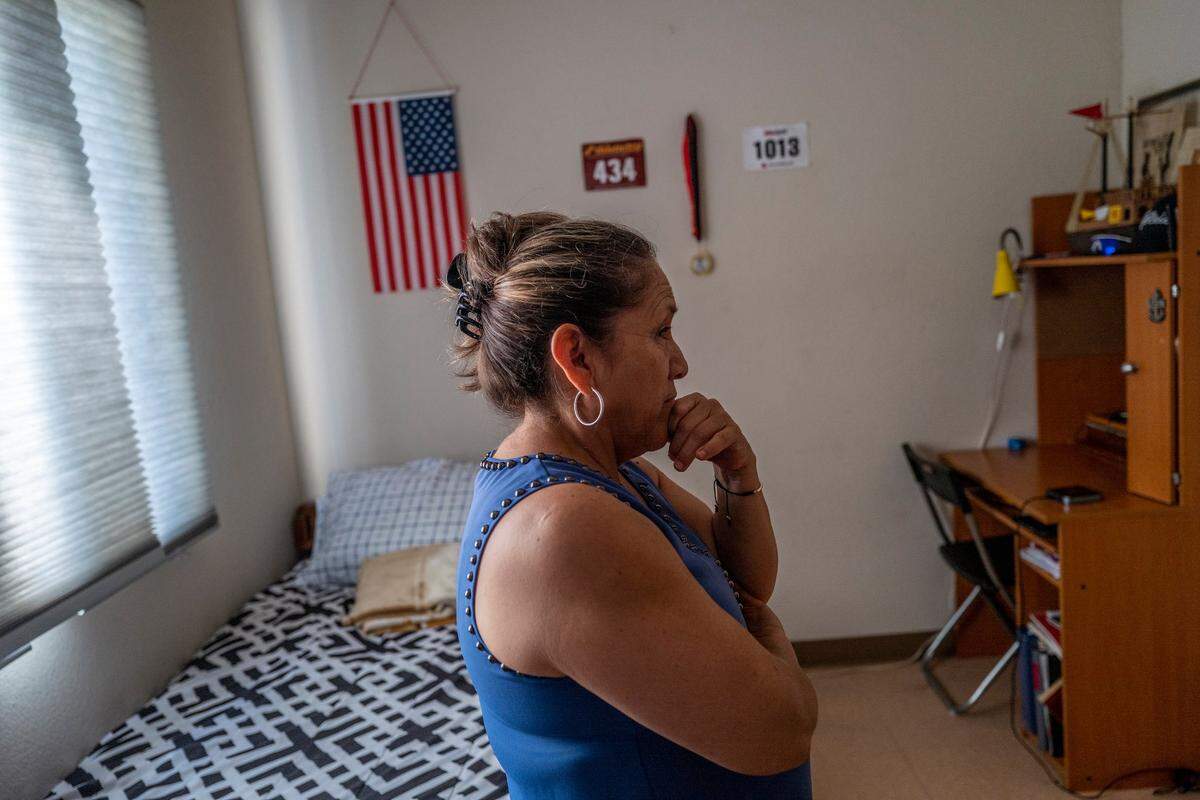
Anaya de Chávez’s urgency to settle in Davis grew last year when her mother was diagnosed with stage four cancer and began chemotherapy appointments. Her teenage son is in the middle of high school.
She calls the search for housing nearly impossible given her minimum wage salary, which she earns cleaning and performing odd jobs during the farming off-season. Her husband is currently unemployed, dealing with spinal injuries from 44 years of working in the fields.
“It has me anxious, like very depressed to be looking for where to live,” she said.
For now, Anaya de Chávez, her son and mother have squeezed into the Davis home of a family member. The home is now occupied by seven people, with her son and mother sharing a bed and others sleeping on the living room floor.
Few families use hard-fought exemption
The 50-mile rule means families have long had to move more than an hour away at the end of the season, taking their children out of school in the middle of the year or separating the family.
For three years — since her son, Carlos, was 12 — Anaya de Chávez has made the difficult decision to leave him behind with a family member while she and her husband temporarily relocate to Michoacán, Mexico.
HCD data from 2019 show 1,944 school-age children in migrant housing centers across the state.
In response to lobbying from farmworker advocates, Sen. Anna Caballero, D-Merced, in 2018 authored the bill creating an exemption to the 50-mile rule that sets aside a portion of units for migrant families with school-age children.
It might have made life easier for Anaya de Chávez’s family, but no one bothered to tell them, she said.
“We came over here (back to Mexico) because we thought we had to leave. No one told me anything ... That’s not fair,” she said.
HCD said that when the exemption went into effect, the agency informed all migrant center operators.
Operators were then expected to share the information through meetings of the resident councils that tenants elect to publicly discuss issues and concerns. Yolo County Housing Authority, which operates the Davis migrant center, said it provided the exemption information to the council.
Caballero’s bill does not mandate that HCD, operators or councils remind residents of the exemption each year. And use of the exemption is extremely limited, according to HCD data.
Only 27 households, all from the Buena Vista Migrant Center in Watsonville, took advantage of the provision in 2019, according to HCD. Eighteen families from the Buena Vista center used it in 2020.
Last year, 52 families from two centers opted to use the exemption with all but one coming from the Buena Vista center.
Although some families migrate to other locations in California or the United States, the vast majority return to Mexico, 2019 HCD data shows.
Why aren’t migrants settling?
Advocates question whether the exemption was effectively conveyed to residents.
“Given the conditions of farm workers, how they’re treated, and how they’re kept out of important information that can impact their lives, this is not surprising,” said Ana Lopez, director of the Center for Farmworker Families.
In 2018, Lopez fought hard alongside Buena Vista center residents to advocate for the exemption. She believes that may have left those farmworkers more knowledgeable about the policy.
“It’s because we raised so much hell about it,” Lopez said.
But some operators and center managers said farmworkers are well-informed and that interest in the exemption is limited.
Jim Kruse, executive director for Stanislaus Regional Housing Authority, manages an agency that oversees four centers — Buena Vista, Empire, Patterson and Westley. All centers are apprised of the exemption annually, he said.
“Most of the tenants are truly migratory, and as soon as the season is over we don’t get a lot of requests,” he said.
Multiple migrant center managers said residents have no use for the 2018 exemption. These workers remain generational migrants who either return to Mexico or another state following the California season.
At the Hollister migrant center, about 75% of the residents migrate to Yuma, Arizona, where they farm spinach, center manager Elias Barocio said. He said the region has become a home for many Silicon Valley tech workers in the last 10 years.
The higher wages from these workers have resulted in increased rents. A market-rate three-bedroom apartment in San Benito County costs more than $2,300, according to the National Low Income Housing Coalition.
“Even if they want it to stay, they’re not going to find anything,” Barocio said.
Caballero thinks some parents — like Anaya de Chávez — may not have been adequately informed about the rule change. She said addressing the exemption ahead of the impending sunset is a priority.
Assemblywoman Cecilia Aguiar-Curry, D-Winters, said she is interested in working with Caballero on a bill to make the exemption permanent. She also cited a need to examine how the information is relayed to centers and residents.
“It’s not used that often but, when it is, it’s changing family’s lives,” Aguiar-Curry said.
Farmworker housing solutions
One possible solution to addressing the different needs of migrant families living at the centers would be to allow some flexibility for how the housing is used.
Kruse suggested some locations and their agricultural needs could support year-round work, and thus longer-term housing.
“Sometimes the seasons end and we still have some local manufacturing businesses that are looking for that additional workforce,” Kruse said.
Other centers could continue to serve only migrants.
Anaya de Chávez has been assessing her options for the 2023 season. She has applied for a unit at the one permanent affordable farmworker housing complex in the Davis area, preferring to stay in Northern California rather than face annual displacement.
But if April rolls around, without any other options, Anaya de Chávez will make another difficult choice.
“I think these people who have the power to move the state, to move so many things, need to pay more attention to the farmworkers,” she said.
This story was originally published February 5, 2023 at 5:00 AM with the headline "These Californians must move every school year. Here’s why a law meant to help isn’t working."